• Global CNC market projected to reach $128B by 2028 • New EU trade regulations for precision tooling components • Aerospace deman
NYSE: CNC +1.2%LME: STEEL -0.4%

China Grants Zero-Tariff Access to 20 African Nations for CNC Machines and Tooling

Effective 1 May 2026, China has implemented a preferential zero-tariff regime for imports from 20 non-Least Developed African countries with which it maintains diplomatic relations — a policy announced by China’s Tariff Commission of the State Council. The measure specifically covers key manufacturing equipment under HS codes 8456–8465, including CNC machine tools, laser cutting systems, and automated workholding fixtures, thereby reducing procurement and maintenance costs for local factories across participating African nations.
Policy Implementation Details
Pursuant to the announcement by China’s Tariff Commission of the State Council, the zero-tariff treatment applies to eligible goods imported from 20 non-Least Developed African countries with formal diplomatic ties to China. The preferential arrangement is valid from 1 May 2026 through 30 April 2028. Within this period, products classified under HS codes 8456–8465 — encompassing numerically controlled machine tools, laser cutting machines, and automated clamping devices — are included in the duty-free list, subject to quota-based administration.
Impact Across Industry Stakeholders
Export-Oriented Trading Enterprises
These firms stand to benefit directly from improved price competitiveness in African markets. With import duties eliminated on key capital equipment, their export quotations become more attractive — especially in public tenders or infrastructure-linked procurement. They must now verify eligibility criteria, quota availability, and documentation requirements (e.g., origin certification) for each shipment.
Raw Material and Component Suppliers
Suppliers providing sub-assemblies or precision components for HS 8456–8465 equipment may experience increased order volumes from manufacturers preparing export-ready units. However, they should anticipate tighter lead-time expectations and heightened scrutiny of traceability and compliance documentation aligned with African import regulations.
Equipment Manufacturers and Assemblers
Domestic Chinese manufacturers producing CNC systems or tooling solutions will face stronger incentives to tailor product configurations for African operating conditions — such as dust resistance, voltage stability, or simplified service interfaces. Post-sale technical support planning and spare parts logistics also require proactive alignment with regional service capacity.
Supply Chain and Logistics Service Providers
Freight forwarders, customs brokers, and certification agents must update internal protocols to reflect the new tariff classification procedures, origin verification workflows, and quota monitoring mechanisms. Misclassification or incomplete documentation risks delays or loss of preferential treatment.
Key Considerations and Recommended Actions for Businesses
Confirm Product Eligibility Against HS Code 8456–8465
Companies must conduct precise HS code classification reviews — particularly for hybrid or multi-function equipment — to ensure inclusion within the zero-tariff scope. Technical specifications and intended use must substantiate classification claims.
Prepare and Validate Origin Documentation
Eligibility hinges on certified proof of origin issued by competent authorities in exporting Chinese enterprises. Firms should initiate pre-verification with local customs or authorized chambers of commerce well ahead of first shipments.
Align Technical Specifications with African Infrastructure Realities
While tariffs are removed, operational reliability remains contingent on adaptation to local power supply stability, ambient conditions, and technician skill levels. Manufacturers should consider modular design, bilingual manuals, and diagnostic simplification as part of compliance-readiness.
Review After-Sales Support Frameworks
Reduced equipment cost does not eliminate lifecycle cost concerns. Exporters should assess service network coverage, spare parts warehousing strategies, and remote diagnostics capabilities — all critical to sustaining long-term customer trust in target markets.
Industry Perspective: Beyond Tariff Reduction
Analysis shows that this policy shift signals more than short-term cost relief: it reflects a strategic recalibration toward deeper industrial cooperation with Africa. From an industry perspective, the focus on HS 8456–8465 — core production assets — suggests intent to catalyze local manufacturing capability rather than merely expand consumer markets. What deserves closer attention is how rapidly African regulatory bodies adapt certification pathways (e.g., conformity assessment, safety standards) to accommodate newly imported machinery — a factor that could significantly influence actual uptake speed. It is more appropriate to understand this as a structural enabler whose real impact depends on parallel upgrades in technical capacity, maintenance ecosystems, and industrial training infrastructure.
Toward Sustainable Industrial Partnerships
This zero-tariff initiative marks a meaningful step in strengthening China–Africa trade linkages at the productive asset level. Its significance lies not only in tariff removal but in the potential to foster localized value addition, skills transfer, and maintenance sovereignty. However, sustainable impact hinges on coordinated action across policy implementation, private-sector readiness, and recipient-country institutional capacity — none of which can be assumed as automatic outcomes.
Source Information and Verification Notes
This article is generated exclusively from the user-provided information: title, event date (2026-05-01), and summary description. Specific official source links were not provided in the input and should be verified continuously. Stakeholders are advised to monitor forthcoming implementation guidelines from China’s General Administration of Customs, updates from African national revenue authorities, and evolving tender requirements in public-sector industrial projects — all of which may shape practical application of the policy.
Recommended for You
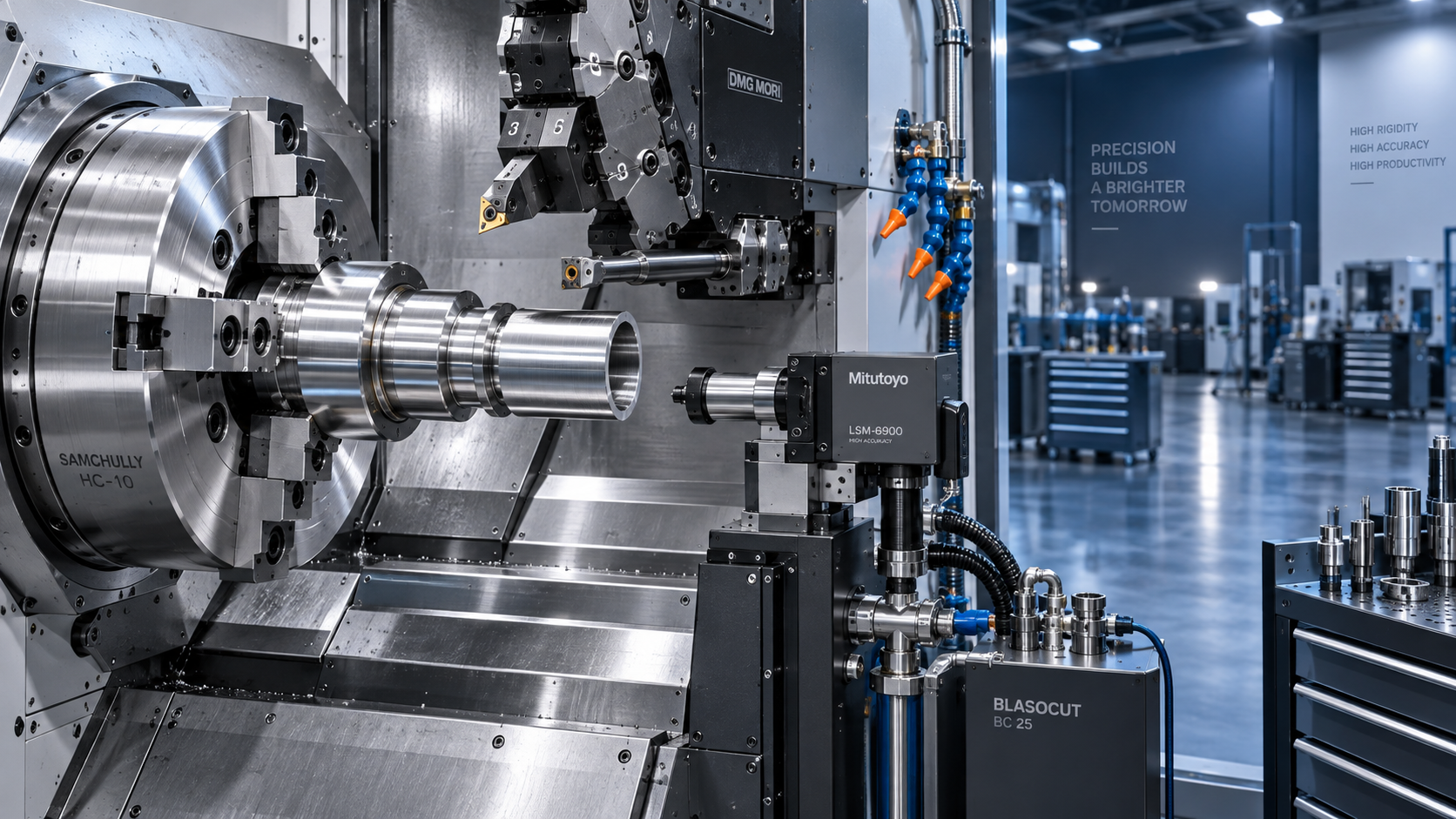
 How to Select a CNC Metal Lathe for Tight-Tolerance Shaft and Sleeve PartsCNC Machining Technology Center
 How to Select an Industrial Lathe for High-Volume Shaft ProductionMachine Tool Industry Editorial Team
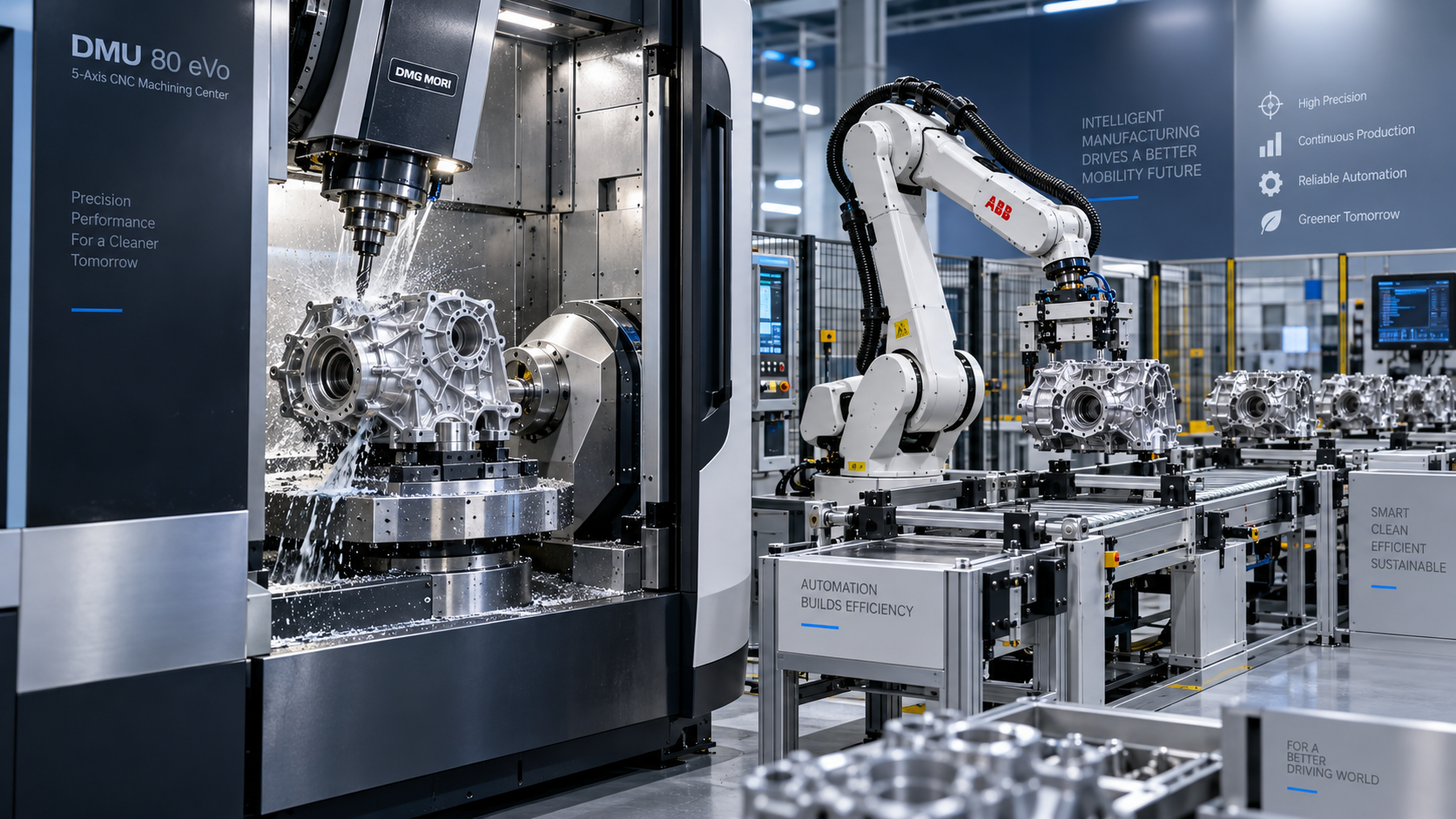
 Selecting Machine Tools for Automotive Parts: Accuracy, Throughput, and AutomationMachine Tool Industry Editorial Team
 Industrial Machining: Selecting Processes for Tight-Tolerance Metal PartsCNC Machining Technology Center
 Manufacturing Technology Trends That Improve Throughput and Quality ControlManufacturing Market Research Center
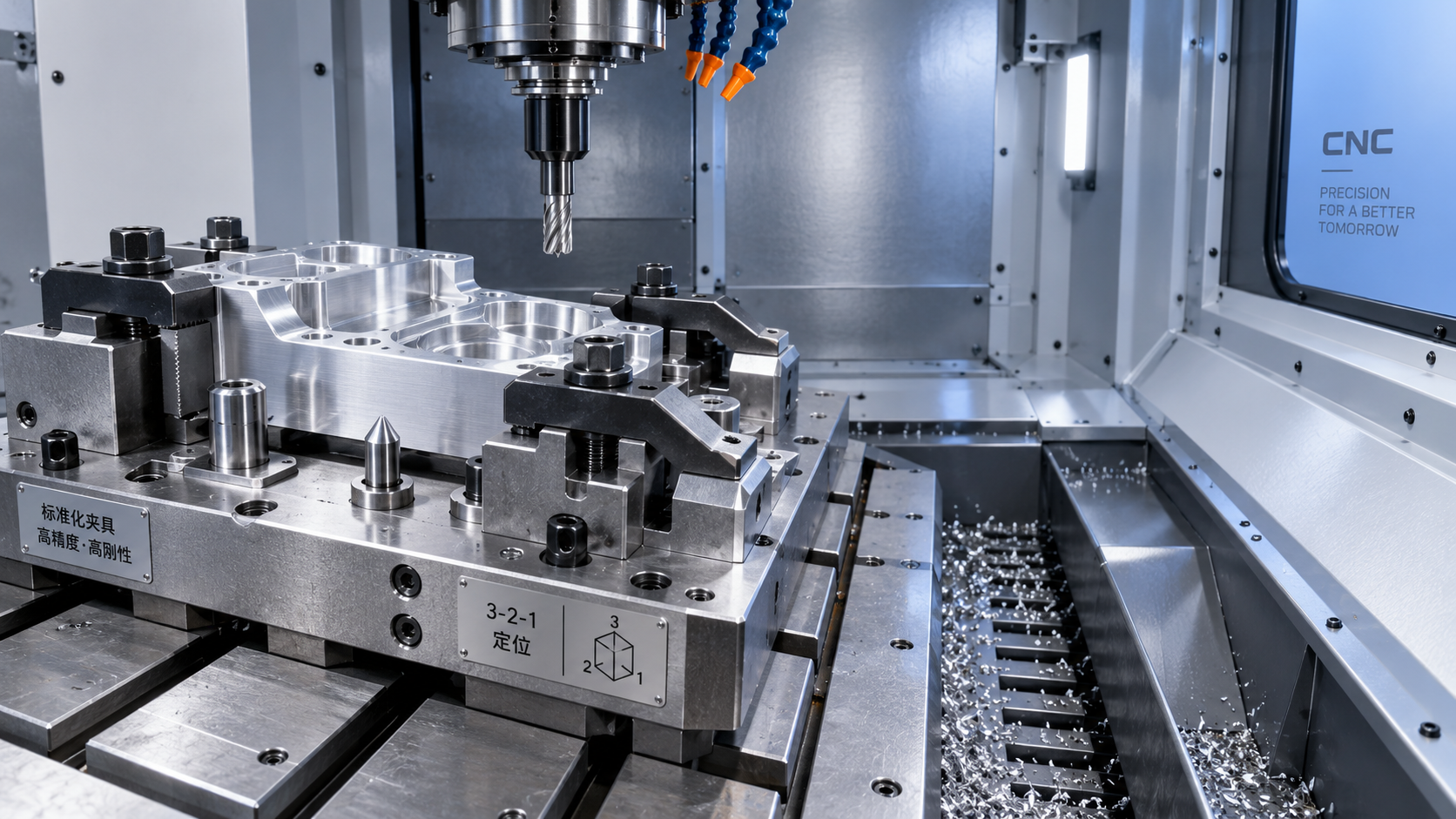
 How to Design Cost-Effective Fixtures That Maintain Cycle Time in Mass ProductionCNC Machining Technology Center




Aris Katos
Future of Carbide Coatings
15+ years in precision manufacturing systems. Specialized in high-speed milling and aerospace grade alloy processing.
▶
How to Select a CNC Metal Lathe for Tight-Tolerance Shaft and Sleeve PartsCNC Machining Technology Center▶
How to Select an Industrial Lathe for High-Volume Shaft ProductionMachine Tool Industry Editorial Team▶
Selecting Machine Tools for Automotive Parts: Accuracy, Throughput, and AutomationMachine Tool Industry Editorial Team▶
Industrial Machining: Selecting Processes for Tight-Tolerance Metal PartsCNC Machining Technology Center▶
Manufacturing Technology Trends That Improve Throughput and Quality ControlManufacturing Market Research Center
Mastering 5-Axis Workholding Strategies
Join our technical panel on Nov 15th to learn about reducing vibrations in thin-wall components.

Providing you with integrated sanding solutions
Before-sales and after-sales services
Comprehensive technical support