• Global CNC market projected to reach $128B by 2028 • New EU trade regulations for precision tooling components • Aerospace deman
NYSE: CNC +1.2%LME: STEEL -0.4%

VDW Data Shows Higher ASEAN CNC Import Demand

The timing of the underlying market shift was not explicitly stated in the source material, but preliminary trade data released by Germany’s VDW on July 7 indicates that ASEAN demand for imported CNC lathes and machining centers strengthened in Q2 2026. For machine tool suppliers, component manufacturers, procurement teams, and industrial service providers, this matters because the increase appears tied to investment in EV component production and semiconductor packaging, two areas that typically require stable access to high-precision turning and milling capacity.
What the VDW data confirms
According to the information provided, Germany’s Association of German Machine Tool Manufacturers (VDW) released preliminary trade data showing that CNC lathe and machining center imports from ASEAN rose 12.3% year on year in Q2 2026.
The strongest growth within the cited ASEAN markets came from Vietnam, up 28%, followed by Thailand at 19% and Indonesia at 15%.
The stated demand drivers were new EV component factories and semiconductor packaging plants, both of which require high-precision machining capability. The information also points to growing opportunity for global suppliers seeking to serve ASEAN’s industrial upgrade.
Why this matters across the supply chain
Machine tool suppliers are seeing a clearer demand signal
From an industry perspective, suppliers of CNC lathes and machining centers may read this development as a more concrete demand signal from production-oriented buyers in Southeast Asia. The immediate impact is likely to be felt in quotation activity, product matching, and lead-time planning for precision turning and milling equipment.
What deserves closer attention is whether demand remains concentrated in applications linked to EV components and semiconductor packaging, because that would shape which machine configurations and technical specifications matter most in near-term sales discussions.
Manufacturers adding capacity may face tighter equipment planning requirements
For processing and manufacturing companies expanding capacity, the reported increase suggests that access to precision machine tools may become a more active planning issue. The business impact is not only about equipment purchase decisions, but also about installation sequencing, production ramp-up timing, and the coordination of machining capacity with new factory schedules.
Observably, firms tied to EV and semiconductor-related production should watch whether machine demand continues to rise in the same product categories, as that could affect procurement timing and delivery expectations.
Service and channel partners may need to track demand quality, not just volume
Distributors, integrators, and industrial service providers could also be affected if increased imports translate into more activity around technical support, commissioning, after-sales response, and customer communication. In this context, the main issue is not simply higher volume, but whether buyers are seeking more advanced precision and application-specific support.
For supply chain service providers, changes may show up in delivery coordination, documentation handling, and customer scheduling, especially if equipment orders are linked to time-sensitive factory launch plans.
Operational issues companies should watch now
Track whether demand remains concentrated in a few end-use sectors
Analysis shows that the reported growth is currently associated with EV component factories and semiconductor packaging plants. Companies should therefore focus on whether subsequent market signals continue to come from these same end-use areas, rather than assuming broad-based demand across all manufacturing segments.
Pay attention to country-level differences inside ASEAN
The reported growth rates differ across Vietnam, Thailand, and Indonesia. That means suppliers and business development teams should avoid treating ASEAN as a single uniform market. Market prioritization, account targeting, and delivery preparation may need to reflect where import momentum is currently strongest.
Separate preliminary trade data from confirmed long-term demand
What deserves closer attention is that the VDW figures were described as preliminary trade data. In practical terms, companies should treat the numbers as an important market indicator, while still verifying whether customer projects, order timing, and capacity additions translate into sustained equipment demand.
Prepare for execution details around delivery and qualification
Where business discussions are already active, relevant teams may need to review supplier qualification materials, technical documentation, fulfillment timing, and customer communication plans. For high-precision applications, execution details often matter as much as pricing, especially when equipment is being aligned with new production facilities.
How this signal should be interpreted
Analysis shows that this update is more meaningful as an industrial demand signal than as a standalone trade statistic. It suggests that parts of Southeast Asia are continuing to invest in manufacturing capacity that requires precision machining equipment, particularly where EV and semiconductor-related production is involved.
At the same time, it is more appropriate to understand this as an indicator that warrants continued observation rather than as proof of a fully established long-term trend. The data points to direction, but the durability of that direction still depends on whether project activity, equipment orders, and downstream factory utilization remain consistent.
A measured takeaway for the market
The reported 12.3% year-on-year rise in ASEAN imports of CNC lathes and machining centers is notable because it links machine tool demand to concrete industrial uses requiring precision capacity. For suppliers, manufacturers, and service partners, the update is less about headline growth alone and more about where that demand is emerging and how concentrated it may be.
At this stage, the development is best understood as a credible and relevant market signal tied to ASEAN’s industrial upgrade, especially in EV components and semiconductor packaging, while still requiring follow-up observation before being treated as a settled long-term demand pattern.
Basis of this article and what still needs verification
This article is based on the user-provided news title, the note that the event timing was not explicitly stated, and the supplied event summary regarding VDW’s preliminary trade data released on July 7.
For reporting of this kind, source categories typically relevant to verification include industry association releases, official announcements, company disclosures, authoritative trade media coverage, and other formal sector information. A specific official source link was not provided in the input, so the underlying release and any subsequent updates still need continued verification.
Areas worth monitoring next include whether later official wording changes, whether country-level demand remains strongest in Vietnam, Thailand, and Indonesia, and whether EV component and semiconductor packaging investment continues to be the main driver behind CNC import demand.
Recommended for You
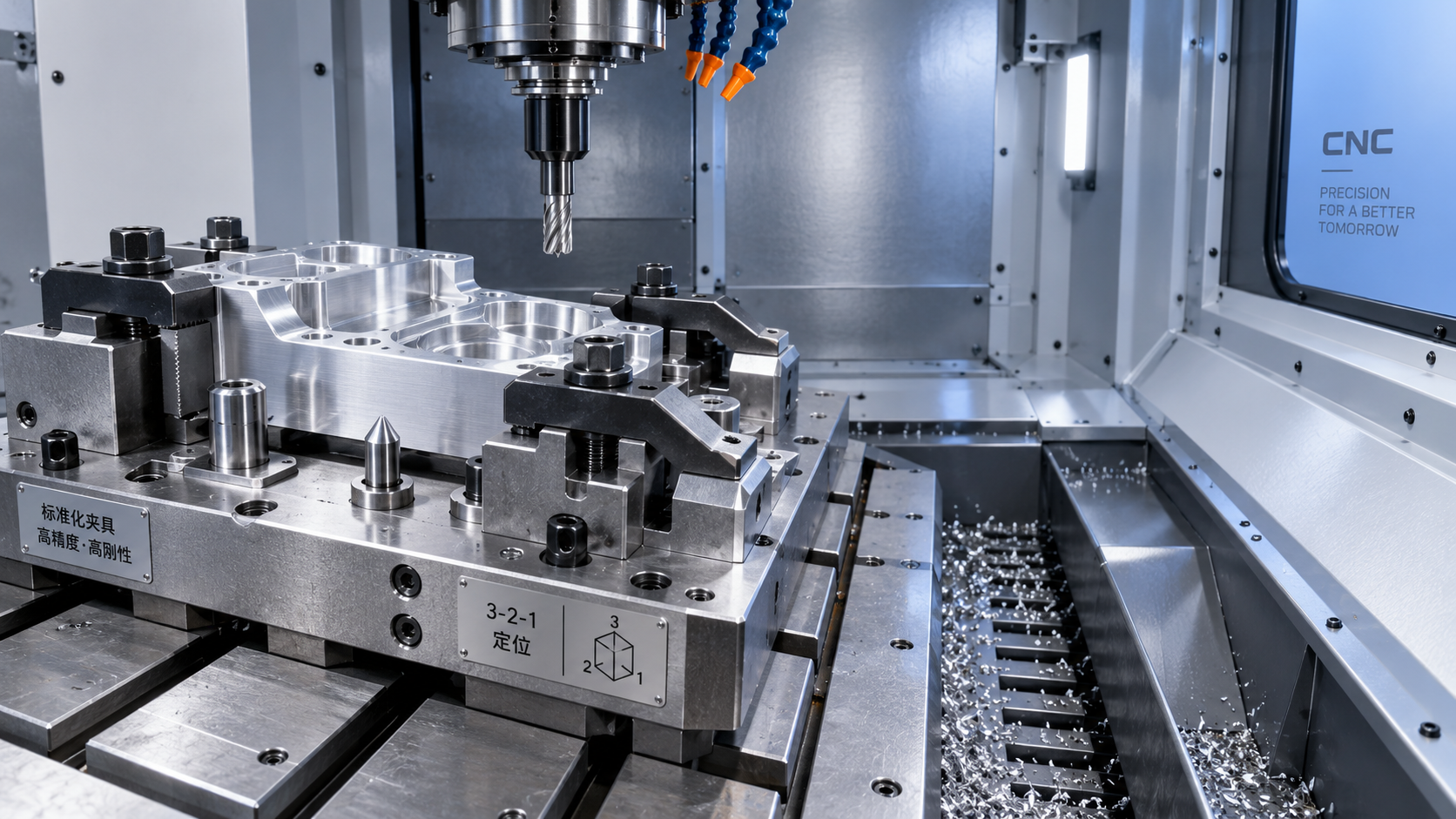
 How to Design Cost-Effective Fixtures That Maintain Cycle Time in Mass ProductionCNC Machining Technology Center
 Is Learning CNC Programming Worth It for Shop Owners Seeking Higher Margins?CNC Machining Technology Center
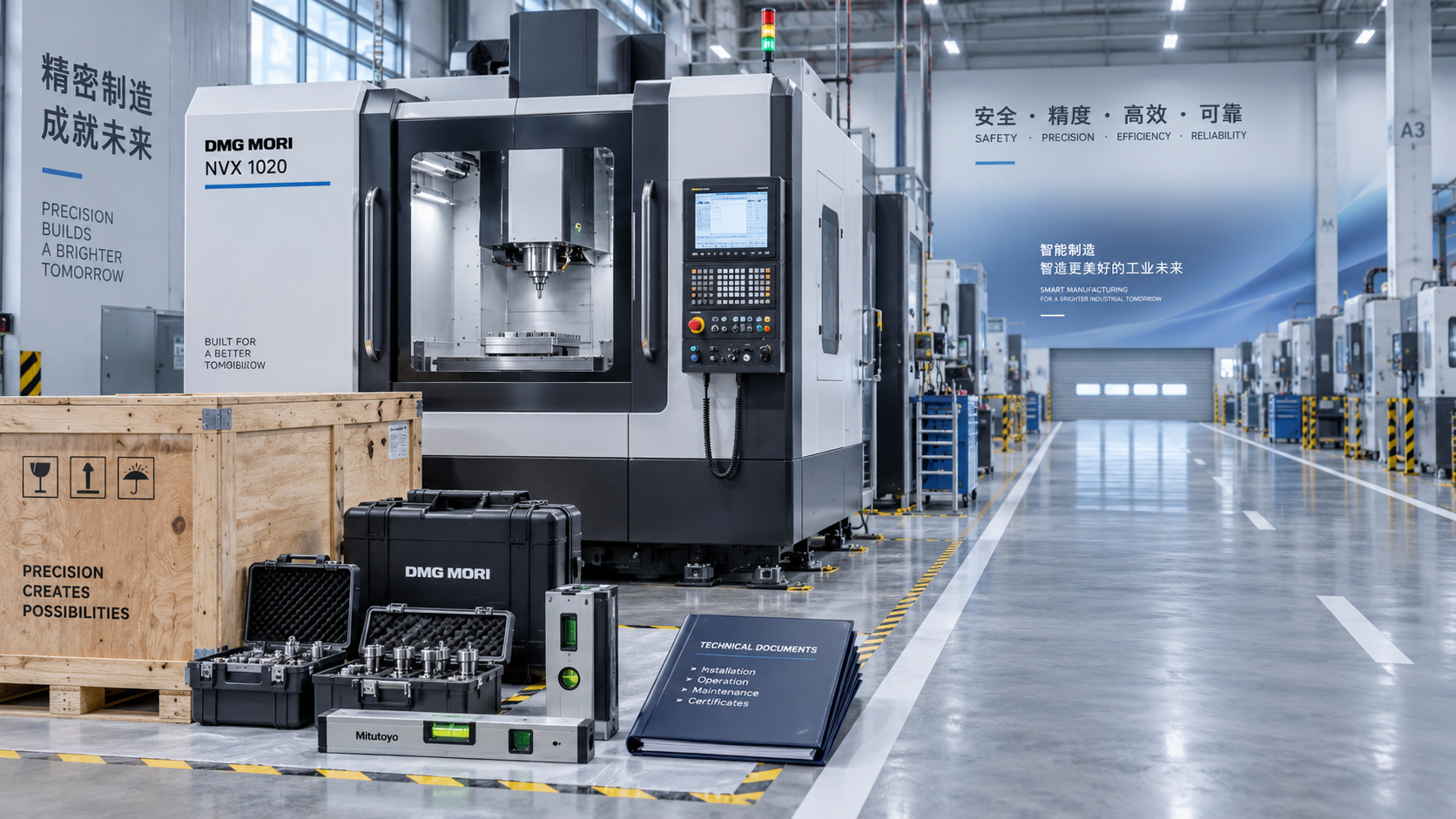
 CNC Machine Arrival Inspection: Check Shipping Damage, Accuracy, Safety, and DocumentsCNC Machining Technology Center
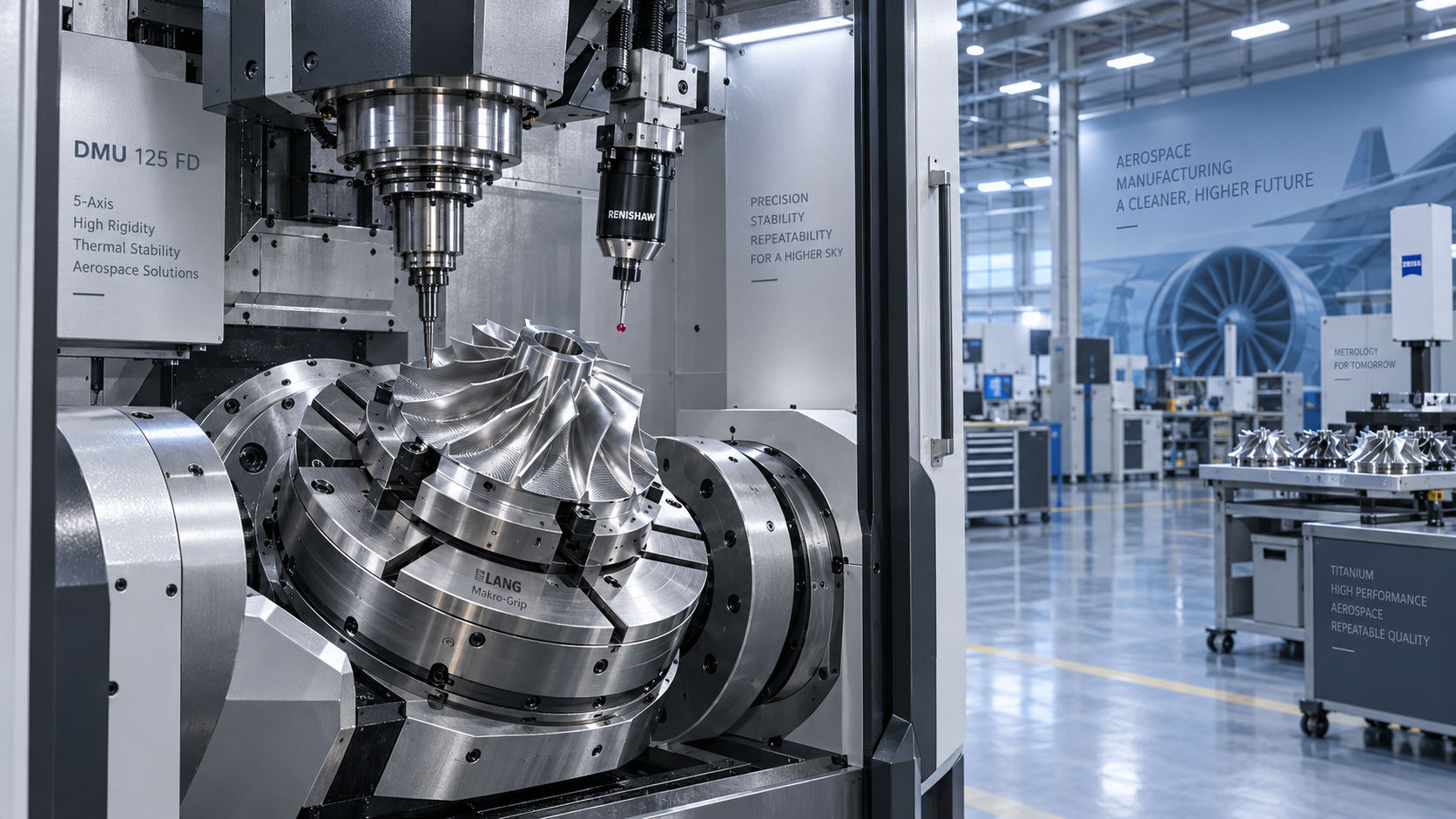
 How to Select a Machine Tool for Aerospace Parts with Tight Tolerances?Machine Tool Industry Editorial Team
 How to Select CNC Equipment for High-Mix, Low-Volume ProductionCNC Machining Technology Center
 Can CNC Machining Inconel Control Tool Wear in High-Temperature Aerospace Parts?CNC Machining Technology Center

Aris Katos
Future of Carbide Coatings
15+ years in precision manufacturing systems. Specialized in high-speed milling and aerospace grade alloy processing.
▶
日本高端机床出口管制生效,五轴CNC审批趋严Global Machine Tool Trade Research Center▶
Japan Tightens Controls on High-End Machine Tool ExportsGlobal Machine Tool Trade Research Center▶
US Proposes 25% Tariff on China CNC Servo DrivesGlobal Machine Tool Trade Research Center▶
US Adds 37 Chinese Machine Tool Firms to Export ListGlobal Machine Tool Trade Research Center▶
US Tightens CNC Export Curbs, Adds 52 China EntitiesGlobal Machine Tool Trade Research Center
Mastering 5-Axis Workholding Strategies
Join our technical panel on Nov 15th to learn about reducing vibrations in thin-wall components.

Providing you with integrated sanding solutions
Before-sales and after-sales services
Comprehensive technical support