• Global CNC market projected to reach $128B by 2028 • New EU trade regulations for precision tooling components • Aerospace deman
NYSE: CNC +1.2%LME: STEEL -0.4%

Mexico to Rebate 15% IVA on Localized CNC Purchases

Mexico’s new Advanced Manufacturing Localization Incentive Program (LIMPMA) is set to take effect on July 1, 2026, introducing an immediate 15% IVA rebate for companies investing in factories in Mexico and purchasing CNC machine tools or automated assembly line equipment that include domestically localized numerical control systems. For equipment buyers, manufacturing investors, machine suppliers, and local integration service providers, the development is worth close attention because it links tax relief directly to both equipment configuration and documentation requirements.
What the program formally provides
According to the information provided, Mexico’s Ministry of Economy and Ministry of Finance jointly announced that LIMPMA will be implemented from July 1, 2026.
The program applies to companies that invest in plant construction in Mexico and purchase CNC machine tools or automated assembly line equipment containing domestically localized CNC systems.
Eligible applicants may receive an immediate 15% rebate of value-added tax (IVA) on those purchases.
To apply, companies must provide proof of equipment origin and a local integration service contract.
Where the practical effects may appear first
Factory investors will likely reassess equipment selection
From an industry perspective, manufacturers planning new facilities or production expansion in Mexico may be affected first because the incentive is tied directly to capital equipment procurement. The impact is likely to be most visible in vendor comparison, technical specification review, and project budgeting. What deserves closer attention is whether a planned equipment package includes the required localized CNC content and whether the supporting paperwork can be assembled without delaying project timelines.
Machine tool and automation suppliers may face new qualification pressure
Analysis shows that suppliers of CNC equipment and automated assembly lines may need to respond not only on price and delivery, but also on how clearly they can demonstrate origin and local system integration. The business effect may show up in quotation design, contract structure, and pre-sales communication, especially where buyers need confirmation that a purchase can support a rebate application.
Local integration service providers may become more central in delivery
Observably, the requirement for a local integration service contract means integration partners are not a peripheral detail in this policy structure. Their role may become more important in project execution, documentation readiness, and customer compliance support. Companies involved in commissioning, systems integration, or localized technical adaptation should pay attention to how their contracts and service scope are described.
Procurement and compliance teams will need closer coordination
For procurement teams, finance functions, and compliance staff, the immediate issue is not only whether an incentive exists, but whether the purchase file can satisfy the stated application conditions. The likely impact falls on document preparation, supplier communication, and internal approval sequencing, since tax treatment here depends on evidence rather than on equipment category alone.
What companies should watch before acting
Separate policy headline from execution details
Analysis shows that the announced 15% IVA rebate is commercially meaningful only when a purchase can actually meet the stated filing conditions. Companies should therefore distinguish between the policy signal and the practical standard for claiming the benefit, especially around proof of origin and the local integration service requirement.
Review equipment scope early in the procurement cycle
What deserves closer attention is whether targeted CNC machine tools and automated assembly equipment are being specified in a way that aligns with the program language. Buyers that wait until contract signing to verify technical and origin-related details may face unnecessary renegotiation or documentation gaps.
Check supplier documentation readiness
For equipment vendors and buyers alike, the immediate operational question is whether origin certificates and related transaction records can be provided in a form that supports the application. This is likely to affect supplier screening, contract clauses, and the timing of invoicing and acceptance procedures.
Watch for further official clarification
Observably, the current information establishes the basic incentive structure and key filing requirements, but companies should continue monitoring whether additional official wording, application rules, or interpretive guidance emerges. That distinction matters because policy intent and day-to-day administration are not always identical in execution.
Why this reads as more than a one-off tax notice
Analysis shows that this development is not just about a rebate percentage. It signals that equipment incentives are being connected to localized system content and local service participation. It is more appropriate to understand this as an industrial policy signal with immediate procurement implications, rather than as a broad-based manufacturing cost reduction affecting all equipment purchases equally.
At the same time, it would be premature to treat the measure as a fully settled market outcome. Observably, the practical effect will depend on how companies interpret eligibility, how suppliers position compliant equipment packages, and how application materials are reviewed in practice.
How the market should read the July 1 start date
The July 1, 2026 implementation date gives the industry a clear timing marker, but the most rational reading at this stage is that the policy creates a targeted operating signal for investment and procurement planning, not an automatic benefit across all manufacturing equipment decisions. For companies active in Mexico-related manufacturing projects, the near-term significance lies in purchase design, supplier coordination, and documentation control.
It is more appropriate to understand this news as a targeted and actionable policy change with broader strategic implications still subject to observation.
Basis of this article and what still needs verification
This article is based on the user-provided news title, event date, and event summary concerning Mexico’s LIMPMA program, its July 1, 2026 start date, the 15% IVA immediate rebate for eligible CNC machine tools and automated assembly line equipment, and the stated application requirements.
For this type of industry update, source categories typically relevant for verification include official government announcements, corporate disclosures, industry association updates, authoritative media reporting, and formal policy or standards documents. A specific official source link was not provided in the input, so the exact original publication and any subsequent interpretive materials still require ongoing verification.
Further monitoring should focus on whether additional official clarification appears on eligibility wording, documentation standards, and practical application procedures.
PREVIOUS ARTICLE
Recommended for You
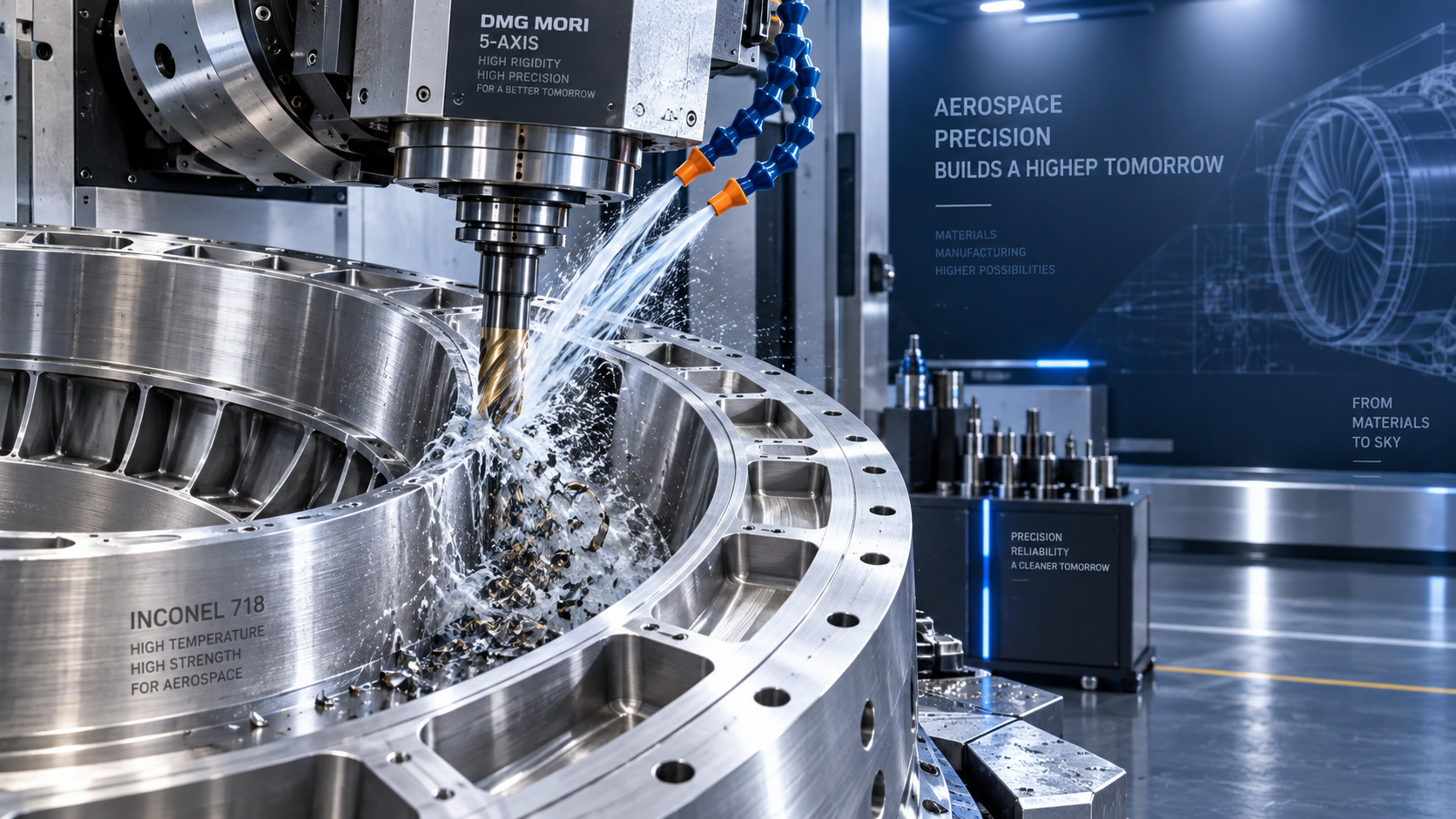
 Can CNC Machining Inconel Control Tool Wear in High-Temperature Aerospace Parts?CNC Machining Technology Center
 Machine Tool Market Outlook: Demand Drivers, Capacity Shifts, and Investment RisksManufacturing Market Research Center
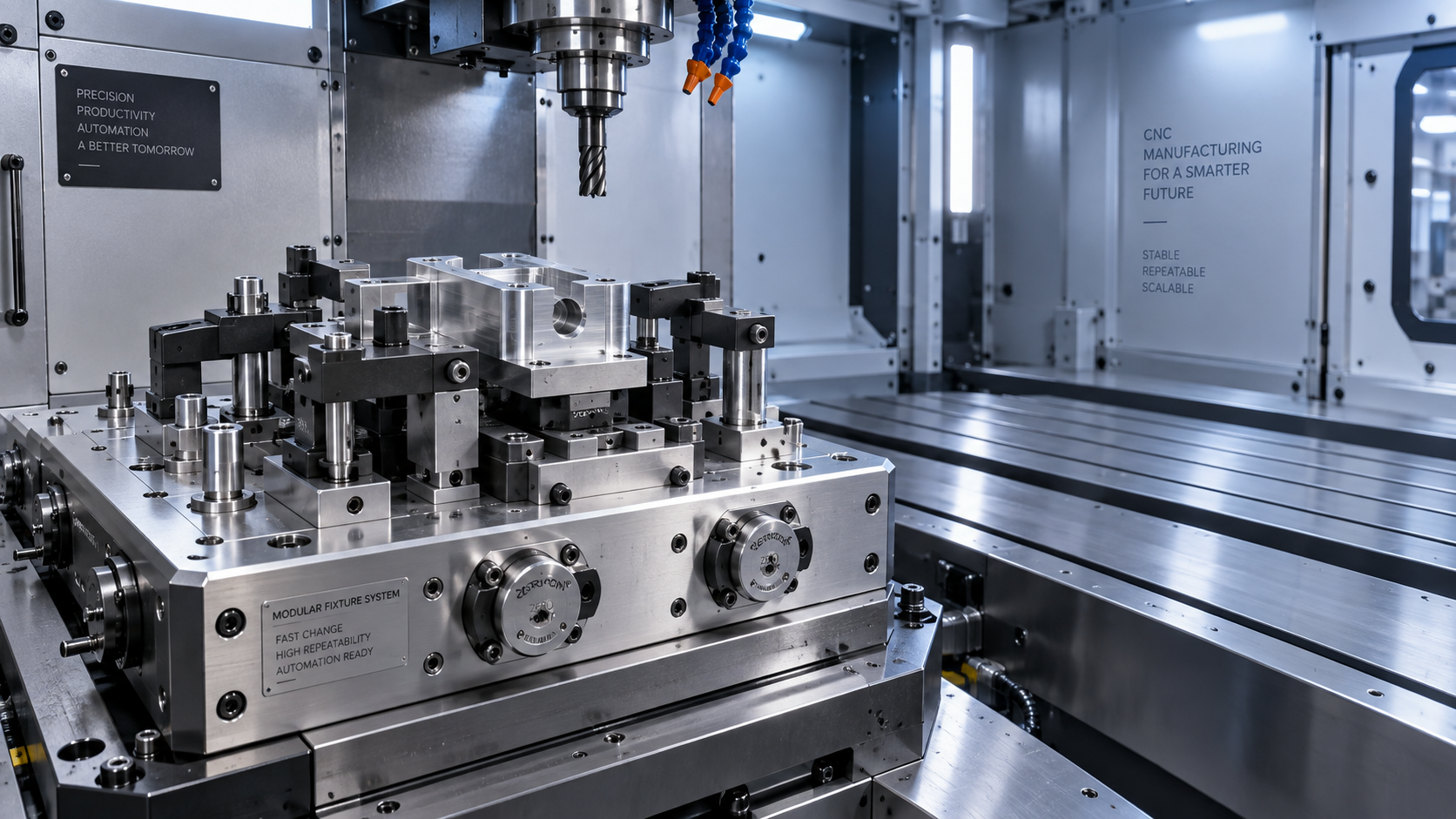
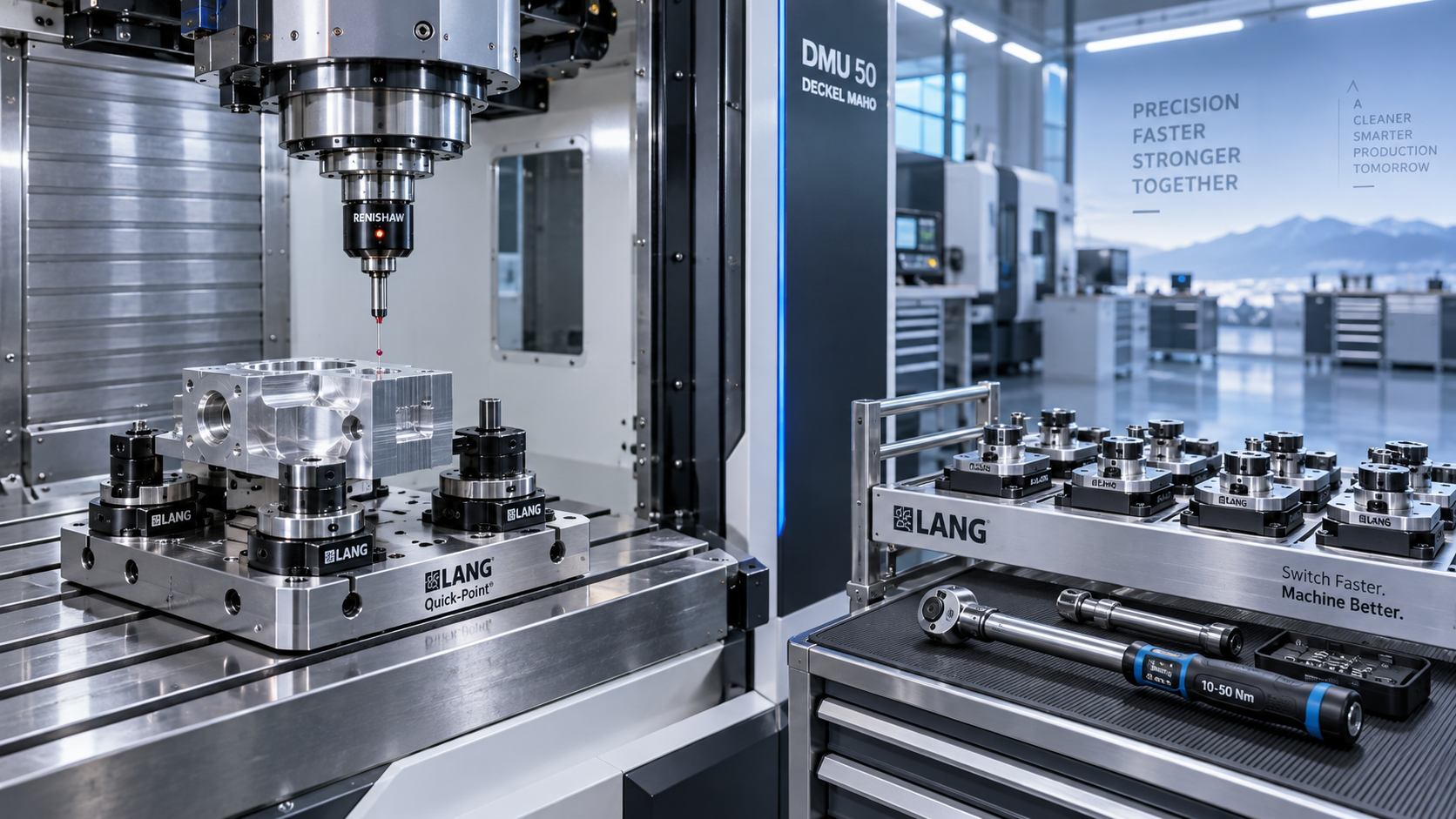
 Zero-Point Clamping or Modular Fixtures? Choosing a Faster CNC Changeover SystemCNC Machining Technology Center
 How to Cut CNC Fixture Changeover Time Without Sacrificing Part AccuracyCNC Machining Technology Center
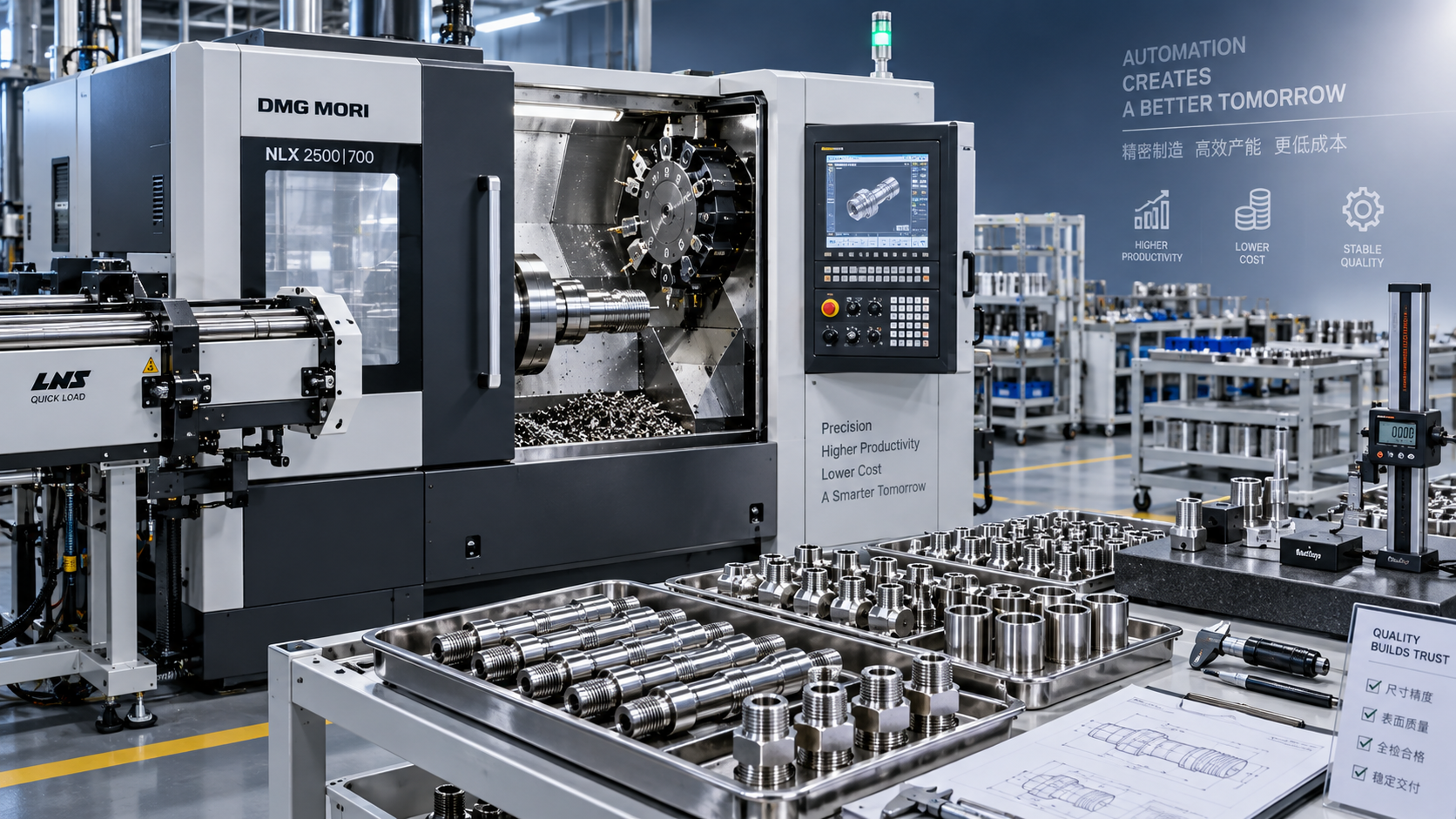
 When Does CNC Turning Pay Off? A Break-Even Guide by Annual Part VolumeMachine Tool Industry Editorial Team
 Machine Tool Standards by Country: What Importers Must Verify Before PurchaseManufacturing Policy Research Center



Aris Katos
Future of Carbide Coatings
15+ years in precision manufacturing systems. Specialized in high-speed milling and aerospace grade alloy processing.
▶
日本高端机床出口管制生效,五轴CNC审批趋严Global Machine Tool Trade Research Center▶
Japan Tightens Controls on High-End Machine Tool ExportsGlobal Machine Tool Trade Research Center▶
US Proposes 25% Tariff on China CNC Servo DrivesGlobal Machine Tool Trade Research Center▶
US Adds 37 Chinese Machine Tool Firms to Export ListGlobal Machine Tool Trade Research Center▶
US Tightens CNC Export Curbs, Adds 52 China EntitiesGlobal Machine Tool Trade Research Center
Mastering 5-Axis Workholding Strategies
Join our technical panel on Nov 15th to learn about reducing vibrations in thin-wall components.

Providing you with integrated sanding solutions
Before-sales and after-sales services
Comprehensive technical support