• Global CNC market projected to reach $128B by 2028 • New EU trade regulations for precision tooling components • Aerospace deman
NYSE: CNC +1.2%LME: STEEL -0.4%

China's CNC Machining Centers Export to Germany Up 19.3% in Q1 2026

BERLIN, May 11, 2026 — The German Engineering Federation (VDMA) released its Q1 2026 machine tool import statistics on May 11, revealing a notable shift in sourcing patterns for CNC machining centers in the German market. The data highlights both volume growth and pricing dynamics in imports from China — developments with tangible implications for European machinery distribution, manufacturing integration, and supply chain strategy.
Event Overview
According to VDMA’s official quarterly report published on May 11, 2026, Germany imported 2,147 CNC machining centers from China in Q1 2026 — a 19.3% year-on-year increase. The average unit price declined by 5.2% compared to Q1 2025, attributed primarily to a higher share of mid-tier three-axis models in the export mix.
Industries Affected
Direct Trading Enterprises
Importers and distributors specializing in machine tools face recalibration of their product portfolios and margin structures. With Chinese CNC machining centers gaining traction among German SMEs due to improved cost-performance ratios, traditional European resellers must reassess pricing tiers, after-sales service commitments, and brand positioning — especially where entry-level automation is prioritized over high-precision customization.
Raw Material Procurement Enterprises
Firms supplying castings, linear guides, ball screws, or spindle components to German OEMs may see shifting demand signals. As more mid-range machines enter local workshops, procurement volumes for standard-grade mechanical components could rise, while orders for ultra-high-tolerance or bespoke parts may plateau unless aligned with upgraded retrofit or upgrade cycles.
Contract Manufacturing & Job Shop Operators
German job shops and contract manufacturers are increasingly evaluating Chinese CNC platforms not only as replacements for aging equipment but also as capacity-addition tools for less complex, high-volume workpieces. This trend pressures internal ROI calculations, maintenance training protocols, and CAM software compatibility planning — particularly where legacy control ecosystems (e.g., Siemens Sinumerik or Heidenhain) dominate shop-floor infrastructure.
Supply Chain Service Providers
Logistics firms offering customs clearance, technical commissioning support, and localized warranty coordination face evolving service expectations. A growing share of lower-unit-price, higher-volume shipments increases operational complexity per container — including documentation granularity, pre-installation verification checks, and multilingual technical handover requirements — without proportional revenue uplift per unit.
Key Considerations and Recommended Actions
Review Channel-Specific Value Propositions
Resellers should audit their current customer segmentation: if >35% of new installations target SMEs with annual revenues under €25M, reassess whether bundled financing, modular service packages, or hybrid (local + remote) commissioning models better align with buyer expectations shaped by Chinese offerings.
Reassess Component Sourcing Priorities
Suppliers of motion control subsystems should analyze VDMA’s model-level import breakdown (when available) to identify which axis configurations and control architectures correlate with rising volumes — enabling proactive alignment with tier-2 integrators rather than waiting for OEM tender cycles.
Evaluate Retrofit and Interoperability Roadmaps
Manufacturers operating legacy machine fleets should treat this trend as a catalyst — not a threat. Prioritize feasibility studies on integrating newer Chinese platforms into existing MES/SCADA environments, focusing on OPC UA compatibility and standardized I/O mapping, rather than full-system replacement.
Editorial Perspective / Industry Observation
Observably, the 19.3% volume gain reflects more than competitive pricing — it signals maturing localization efforts by Chinese exporters, including enhanced CE compliance rigor, German-language technical documentation, and regional spare-parts stocking. However, the 5.2% price decline does not yet indicate broad commoditization; rather, it suggests strategic portfolio weighting toward standardized configurations. Analysis shows that German SME adoption remains concentrated in non-critical, high-repetition applications — implying limited near-term displacement in aerospace, medical device, or high-precision mold-making segments. From an industry perspective, this development is better understood as a widening of the accessible automation spectrum, not a collapse of value hierarchy.
Conclusion
This data point underscores a structural evolution in how mid-market manufacturing capacity is sourced across Europe: one defined less by origin and more by verifiable performance-to-cost transparency. For stakeholders, the key implication is not urgency to react, but necessity to reframe assumptions about what constitutes ‘fit-for-purpose’ automation in diverse operational contexts.
Source Attribution
Source: German Engineering Federation (VDMA), Quarterly Import Statistics – Machine Tools Sector, Q1 2026, published May 11, 2026. Data subject to revision upon release of VDMA’s full methodology annex (expected June 2026). Ongoing monitoring recommended for Q2 2026 shipment composition and regional distribution trends within Germany.
PREVIOUS ARTICLE
NEXT ARTICLE
Recommended for You
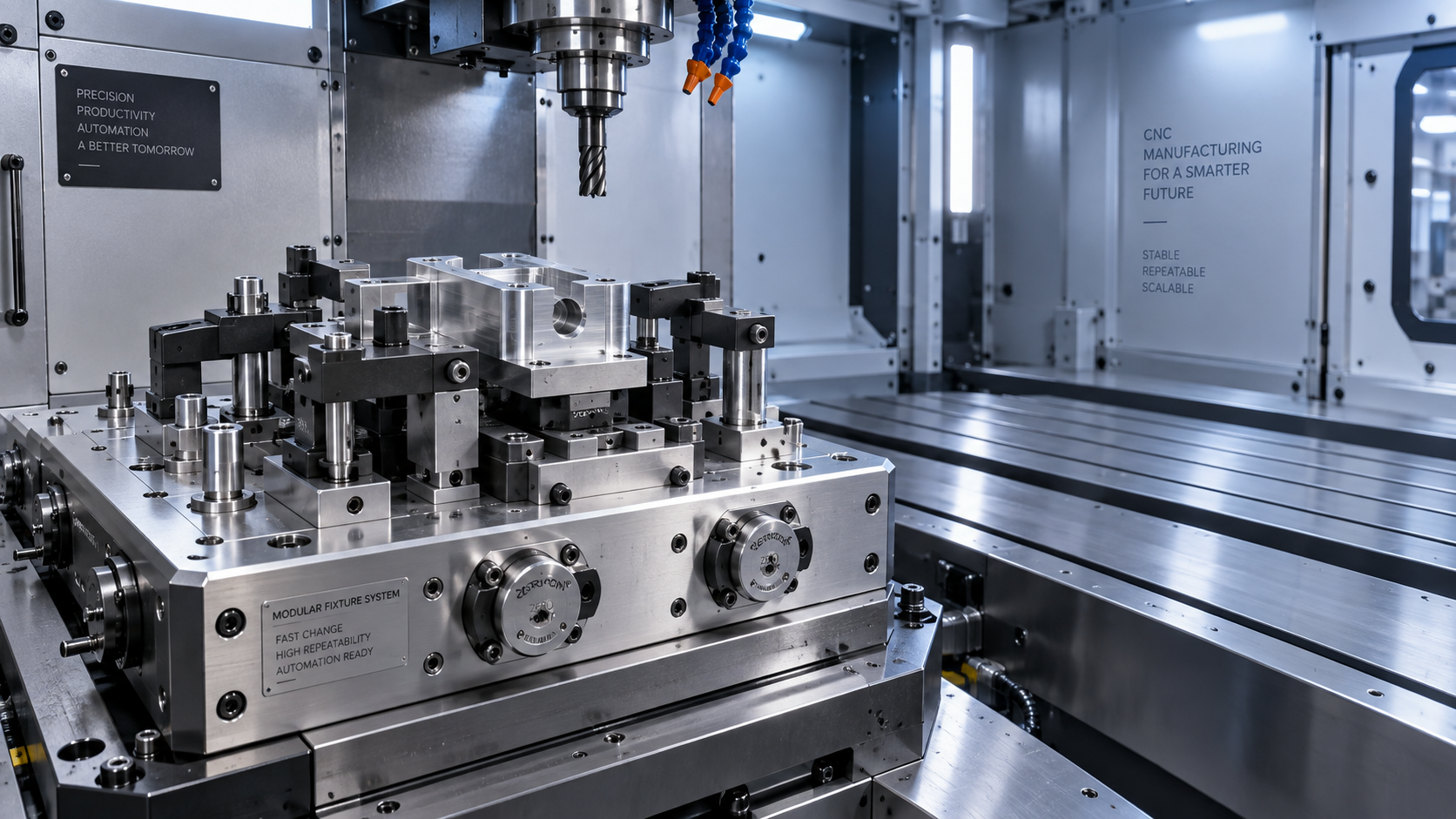
 Zero-Point Clamping or Modular Fixtures? Choosing a Faster CNC Changeover SystemCNC Machining Technology Center
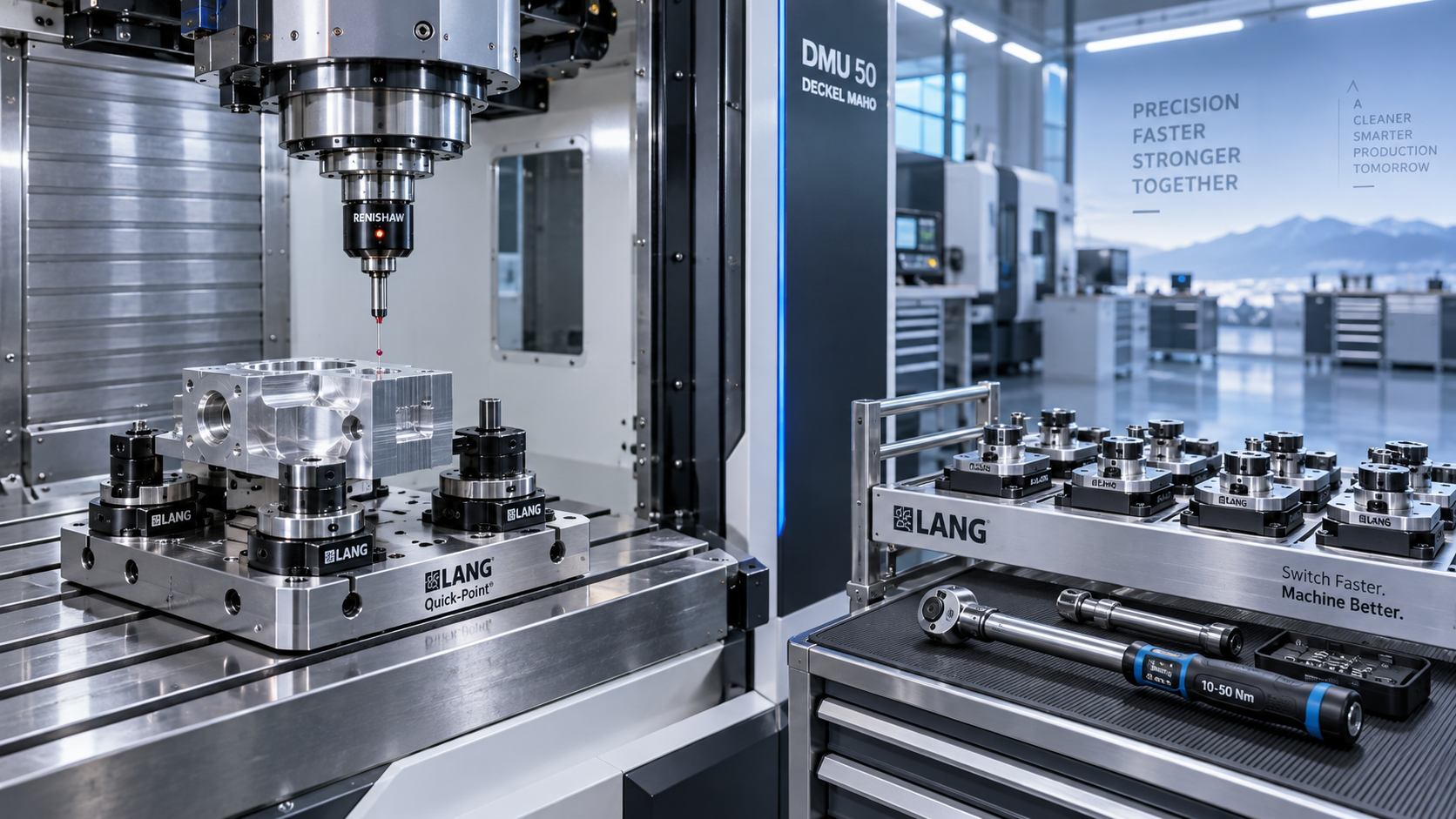
 How to Cut CNC Fixture Changeover Time Without Sacrificing Part AccuracyCNC Machining Technology Center
 When Does CNC Turning Pay Off? A Break-Even Guide by Annual Part VolumeMachine Tool Industry Editorial Team
 Machine Tool Standards by Country: What Importers Must Verify Before PurchaseManufacturing Policy Research Center
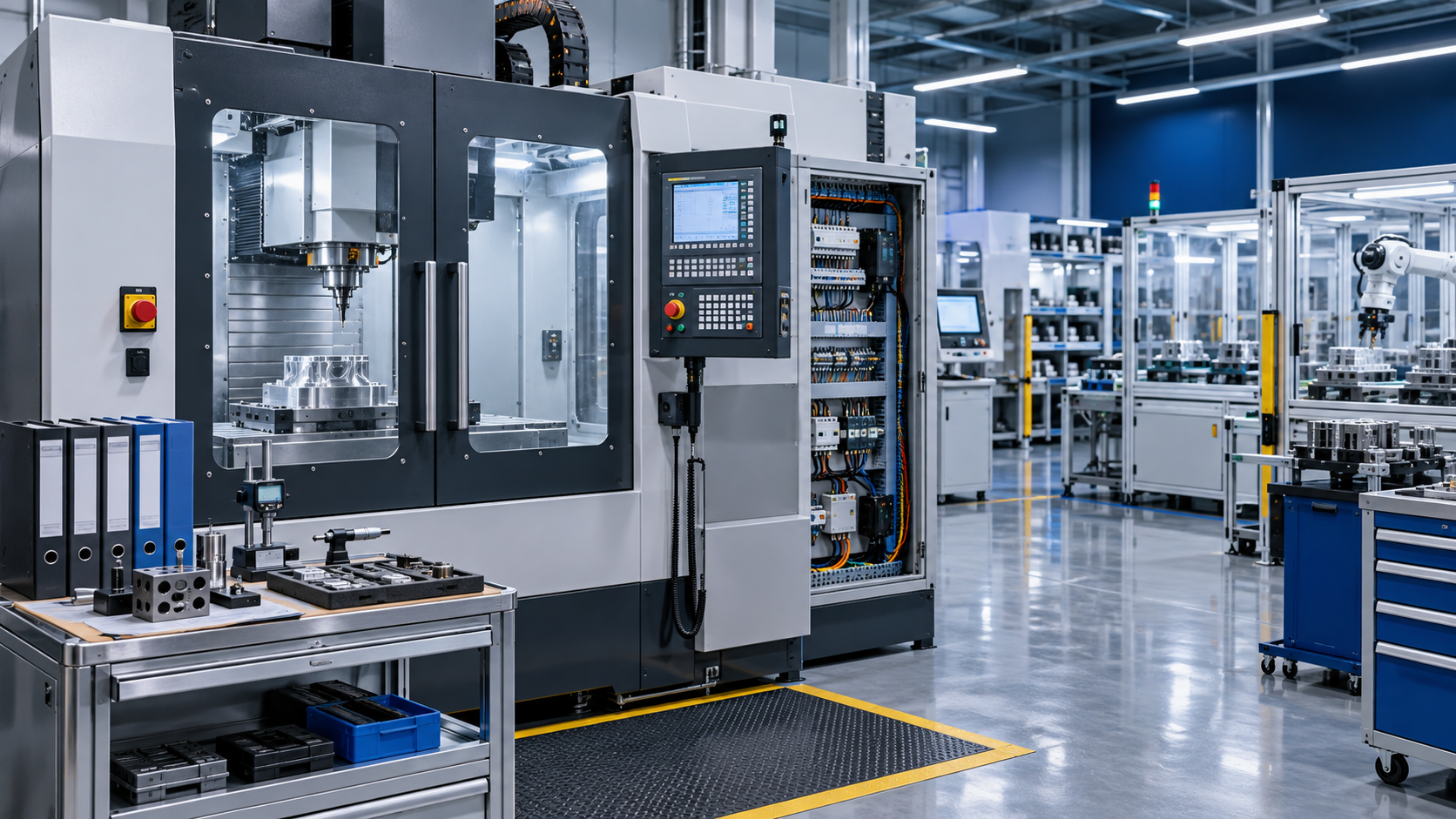
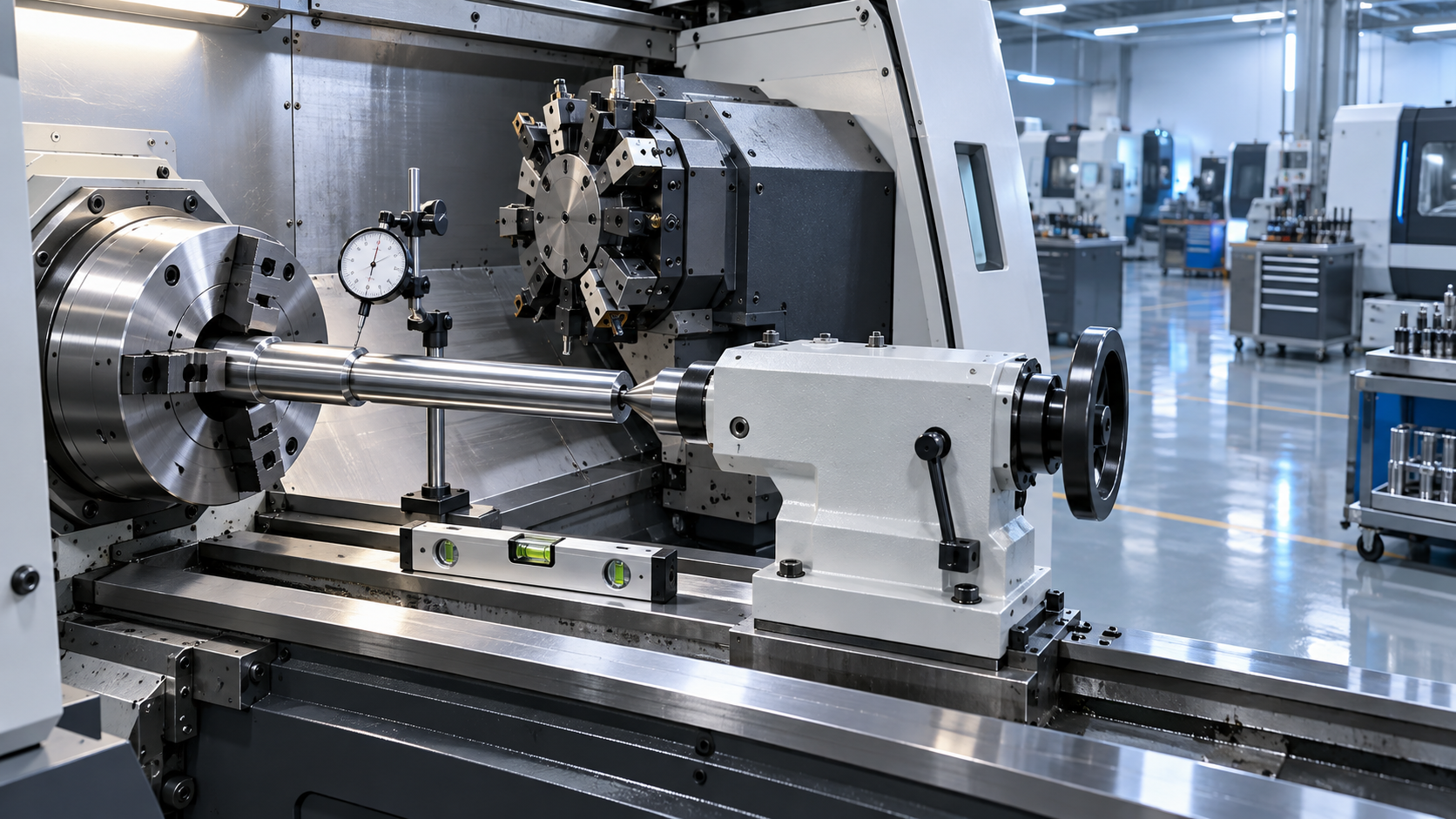
 CNC Lathe Quick Installation Guide: Alignment Checks Before First Production RunCNC Machining Technology Center
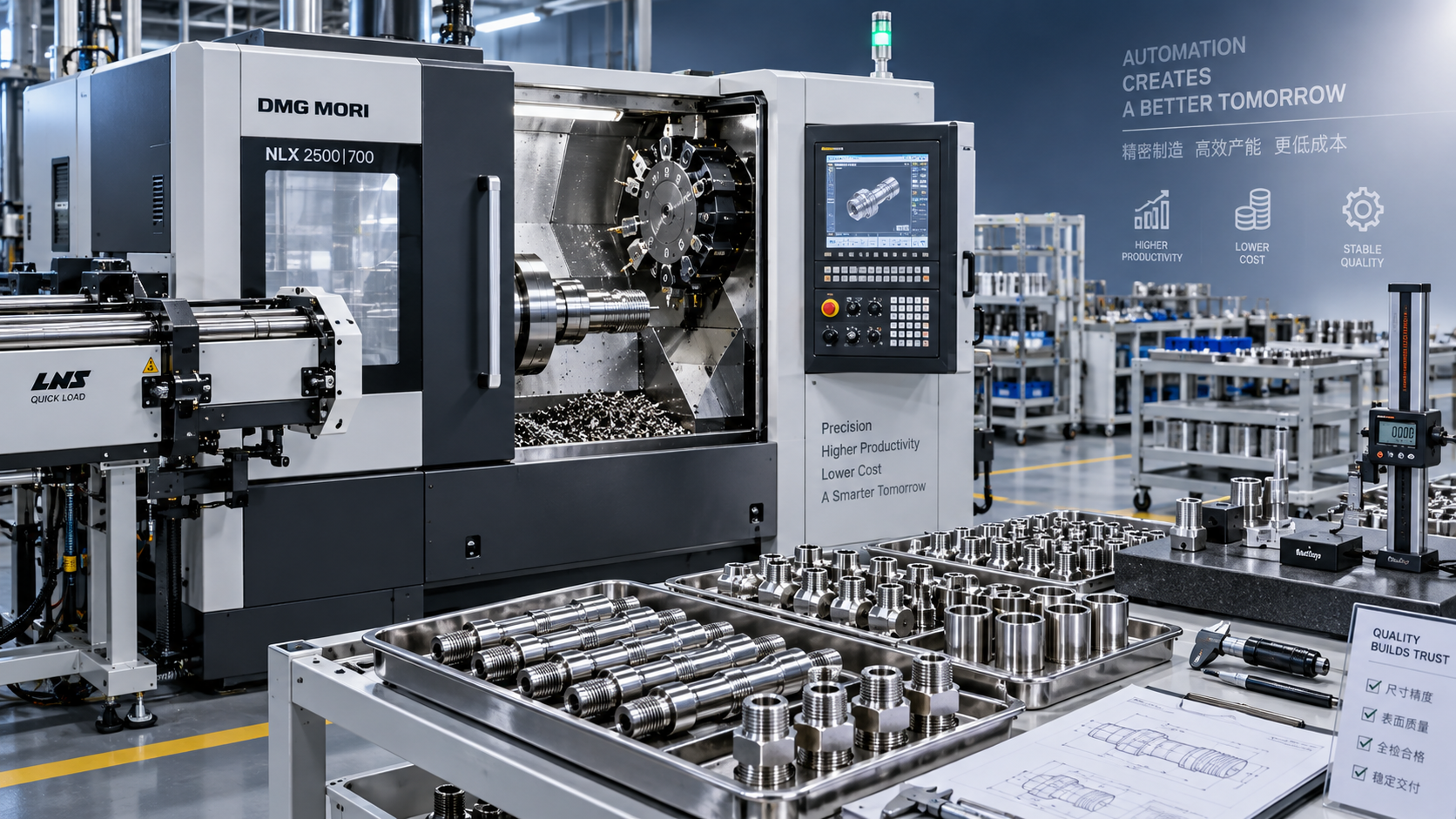
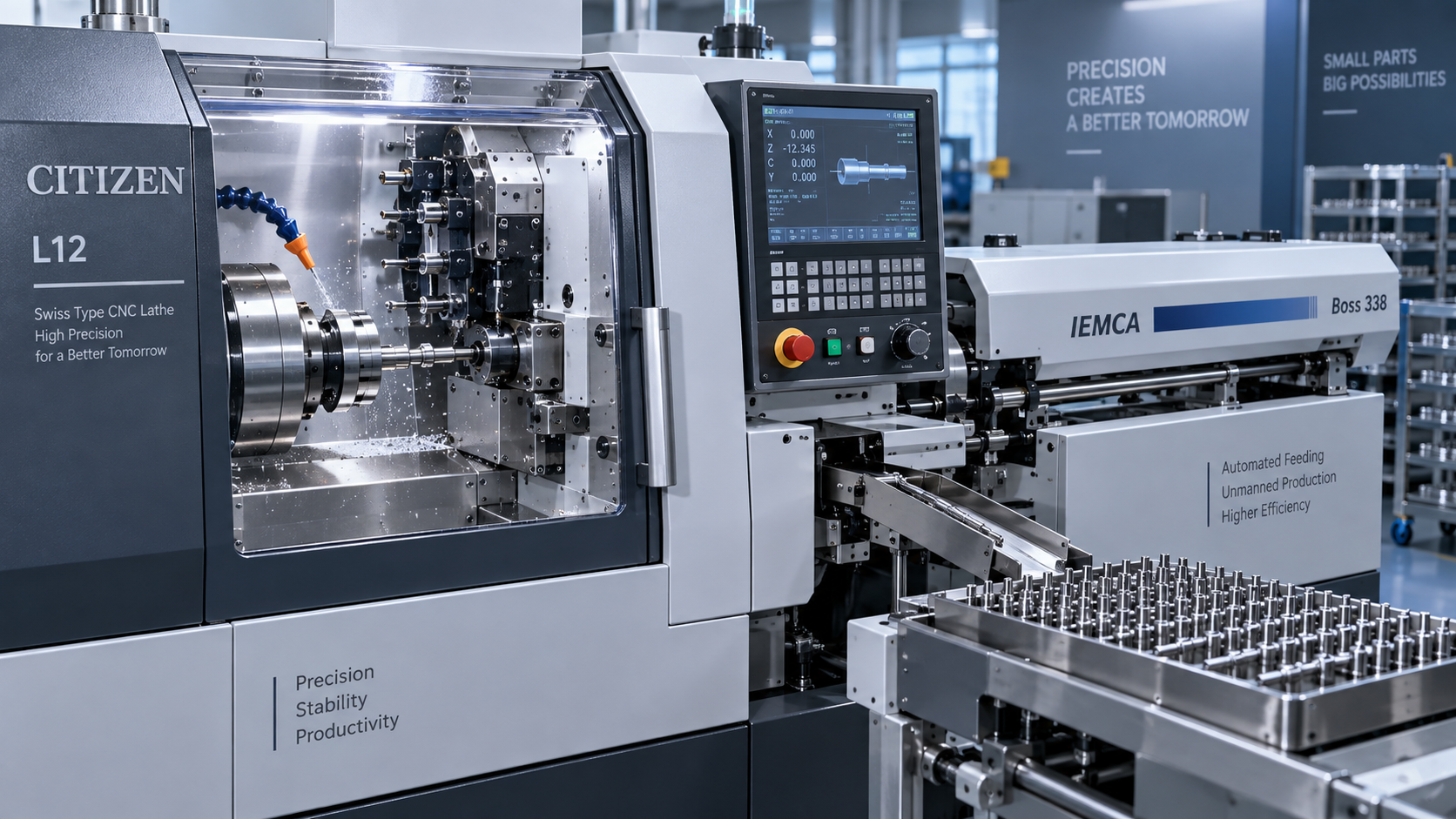
 How to Select a CNC Lathe for Small Parts Without Sacrificing Accuracy or Cycle TimeCNC Machining Technology Center

Aris Katos
Future of Carbide Coatings
15+ years in precision manufacturing systems. Specialized in high-speed milling and aerospace grade alloy processing.
▶
RCEP Upgrade Cuts CNC Servo Motor Tariffs by 3.2%Global Machine Tool Trade Research Center▶
China's CNC Machining Centers Export to Germany Up 19.3% in Q1 2026Global Machine Tool Trade Research Center▶
What Trade Statistics Say About Machine Tool DemandGlobal Machine Tool Trade Research Center▶
China’s CNC Machine Tool Export Prices Up 11.3% in Q1 2026Global Machine Tool Trade Research Center▶
Machine Tool Market Inventory Pressure Is Building AgainGlobal Machine Tool Trade Research Center
Mastering 5-Axis Workholding Strategies
Join our technical panel on Nov 15th to learn about reducing vibrations in thin-wall components.

Providing you with integrated sanding solutions
Before-sales and after-sales services
Comprehensive technical support