• Global CNC market projected to reach $128B by 2028 • New EU trade regulations for precision tooling components • Aerospace deman
NYSE: CNC +1.2%LME: STEEL -0.4%

Automated machine tools for disc parts—why cycle time gains often hide fixture redesign costs
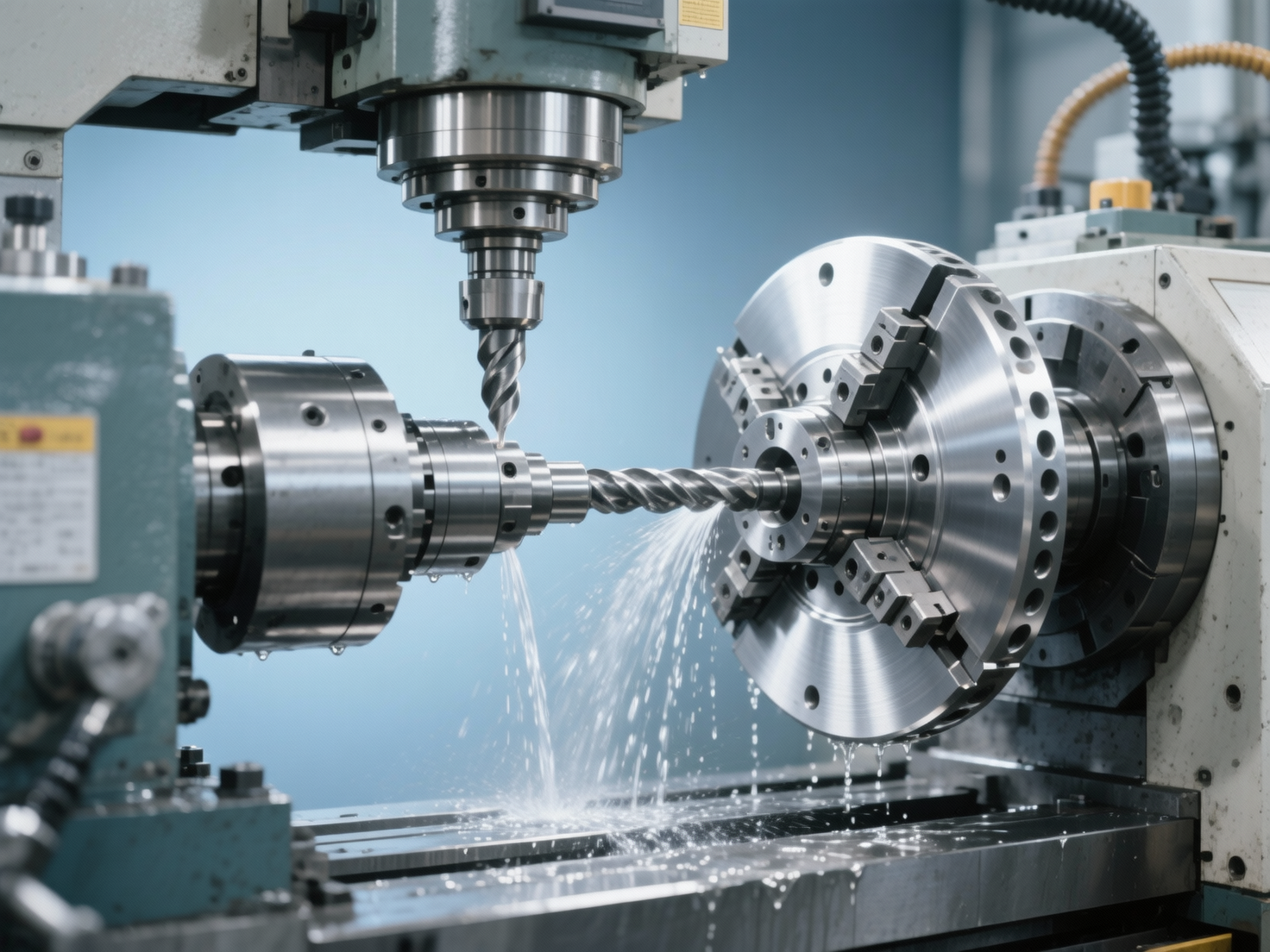
In the precision lathe and automated machine tools landscape, optimizing cycle time for Disc Parts seems like an obvious win—until hidden fixture redesign costs surface. As manufacturers adopt high precision machining, Multi-axis Machining, and Automation Line integration, many overlook how legacy Tooling System constraints undermine ROI. Whether using a slant bed lathe or advanced precision turning setups, industrial cutting efficiency hinges not just on speed—but on holistic process design. For users, procurement teams, and decision-makers alike, this article unpacks the true cost of automation: why fixture re-engineering often offsets cycle time gains in disc part production.
Why Fixture Redesign Costs Are Often Overlooked in Disc Part Automation
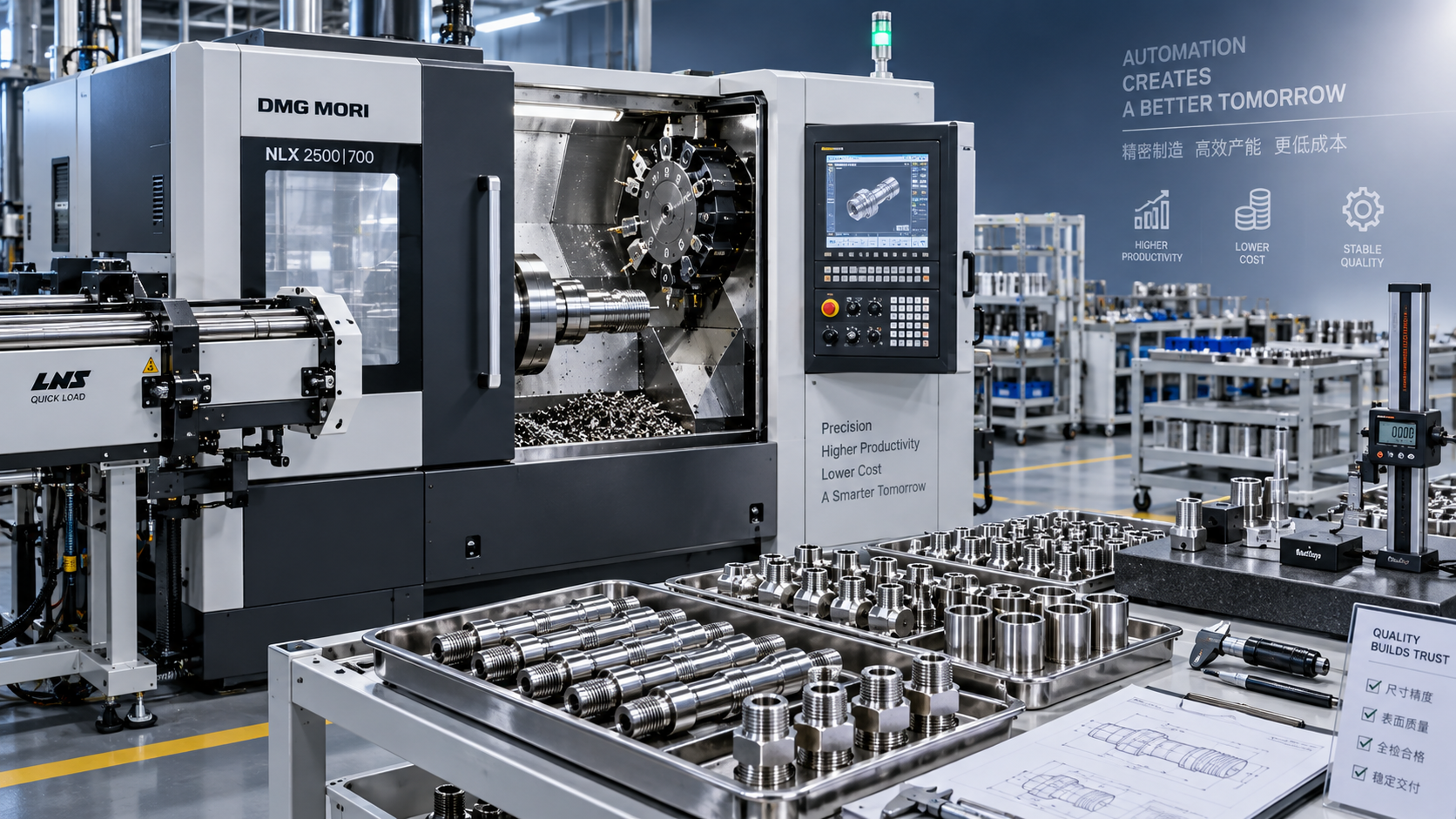
Disc parts—such as brake rotors, flanges, bearing housings, and turbine spacers—demand tight concentricity (±0.015 mm), flatness (≤0.02 mm), and surface integrity. Automated CNC lathes and multi-axis machining centers can reduce nominal cycle time by 25–40% versus manual setups. But that gain assumes identical fixturing capability across generations—a dangerous assumption.
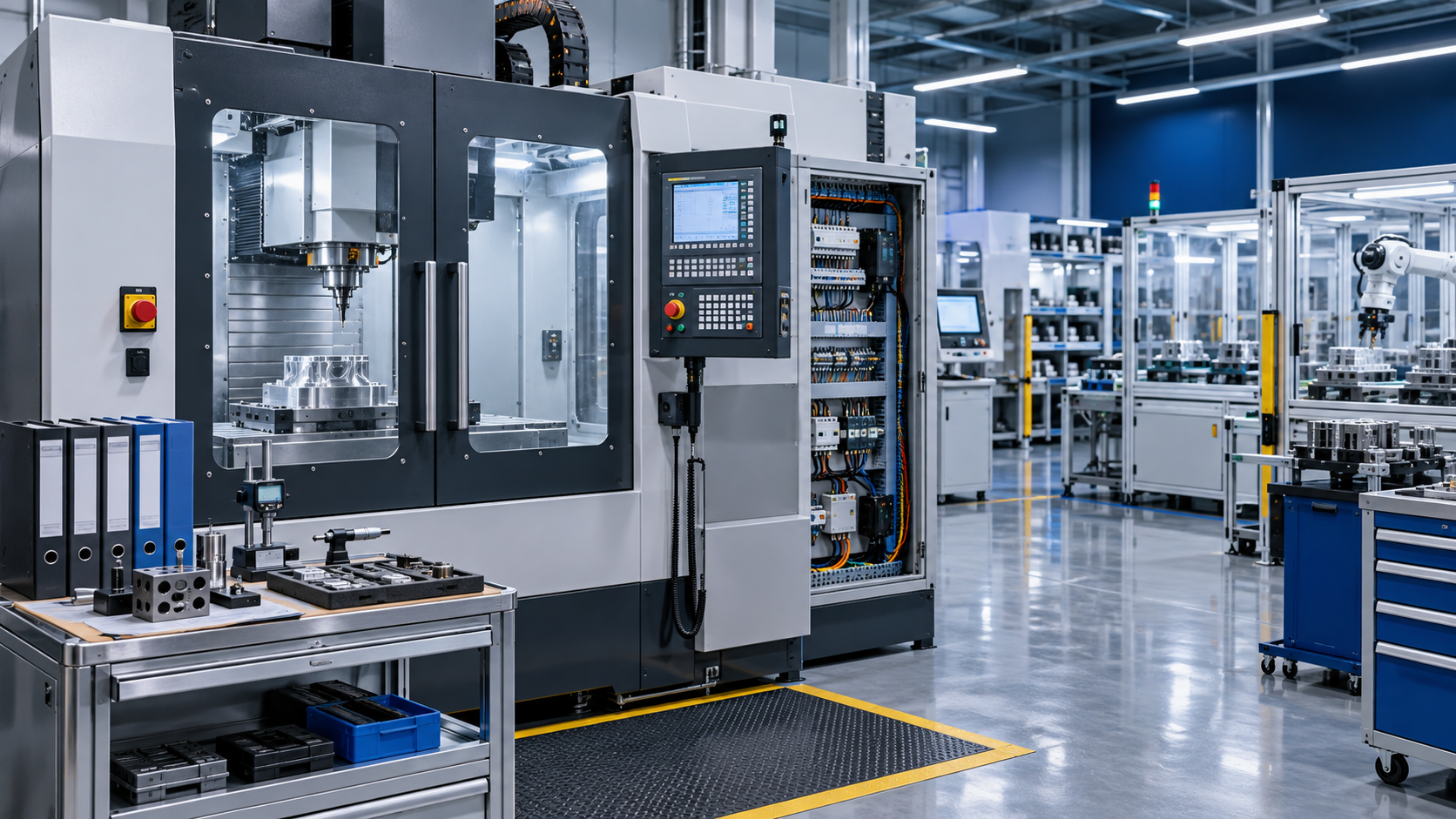
Legacy fixtures designed for single-operation, low-volume turning rarely support robotic loading, palletized part transfer, or simultaneous multi-face machining. Retrofitting them into automated lines triggers cascading engineering efforts: new clamping force calculations, revised coolant channel routing, dynamic balance validation, and GD&T alignment verification—all requiring 3–6 weeks of dedicated design, prototyping, and validation time.
A 2023 benchmark study across 17 Tier-1 automotive suppliers found that 68% of disc-part automation projects experienced ≥12% budget overrun—primarily attributable to late-stage fixture redesign. The average redesign cost ranged from $18,500 to $42,000 per fixture family, eroding 30–55% of projected annual labor savings.
How Disc Geometry Drives Fixture Complexity—and Cost
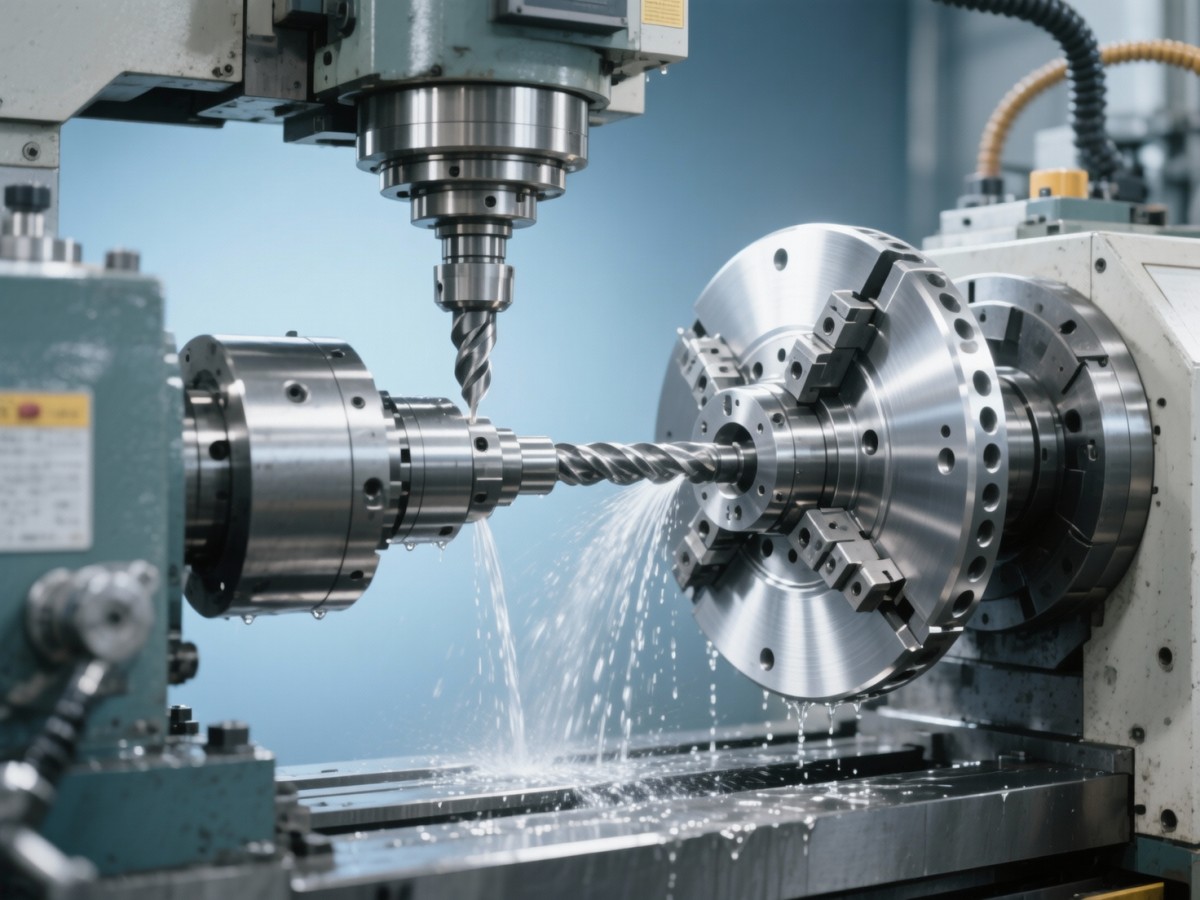
Unlike shaft components, disc parts present unique constraints: large diameter-to-thickness ratios (often >10:1), minimal radial stock for chuck gripping, and critical face-to-bore perpendicularity requirements (≤0.01 mm). These features demand specialized fixture strategies—not just upgraded chucks.
Three common disc configurations and their fixture implications:
- Thin-walled annular discs: Require vacuum or membrane clamping to prevent distortion; standard mechanical chucks induce >0.03 mm deflection under 8 kN clamping force.
- Asymmetric hub-and-flange discs: Need custom locating pins and counterbalance weights to maintain ≤0.5 g·cm imbalance at 3,000 rpm spindle speeds.
- Multi-bore precision discs: Demand kinematic mounting with three-point contact to avoid over-constraint and thermal drift during 4–6 hour continuous cycles.
Each configuration increases fixture validation time by 1.5–2.5× compared to standard cylindrical workholding—and pushes qualification lead times from 2 weeks to 5–8 weeks.
Fixture Redesign vs. Cycle Time Gain: A Realistic ROI Breakdown
The following table compares two common automation upgrade paths for disc-part machining—highlighting where fixture investment impacts net productivity improvement.
Note: The modular system delivers faster ROI despite higher upfront cost—because it supports future part families (e.g., 120–280 mm OD discs) without full redesign. Retrofit solutions typically lock users into one part variant for 18–24 months before obsolescence risk rises.
Procurement Checklist: 5 Critical Fixture Evaluation Criteria
For procurement teams and plant engineers evaluating automated disc-part tooling, prioritize these five non-negotiable criteria—each tied directly to measurable throughput stability and TCO control:
- Clamp repeatability tolerance: Must guarantee ≤±0.005 mm positional variance across 500+ load/unload cycles (per ISO 230-2 Annex B).
- Coolant delivery integration: Fixture must route minimum 25 L/min coolant flow to both front and back faces without impeding robot arm path or causing hydraulic shock.
- Thermal mass compatibility: Fixture base material (e.g., cast iron EN-GJL-250 or aluminum A380) must match machine bed CTE within ±3 ppm/°C to limit thermal drift during 8-hour shifts.
- Robot interface standardization: Must comply with VDI/VDE 2622 or ISO/TS 15066 for collaborative robot safety zones and torque feedback thresholds.
- GD&T traceability documentation: Supplier must provide full inspection reports—including CMM scans of all datum surfaces—with each shipment.
Skipping any one criterion risks unplanned downtime averaging 4.2 hours per incident—according to data from 2022–2023 maintenance logs across 11 European aerospace machining cells.
Why Choose Our Precision Fixture Engineering Support?
We specialize in CNC machine tool integration for disc-part production—working directly with OEMs, Tier-1 suppliers, and contract manufacturers across Germany, Japan, South Korea, and China. Unlike general-purpose tooling vendors, our team includes certified fixture designers with hands-on experience on Mazak Integrex, DMG MORI NTX, and Haas ST-30Y platforms.
When you contact us, you’ll receive:
- A free fixture feasibility assessment based on your CAD model, GD&T spec, and target cycle time—delivered in ≤3 business days.
- Pre-validated modular fixture kits covering 85% of common disc geometries (OD 80–420 mm, thickness 12–65 mm), reducing lead time to 14–21 days.
- On-site robot-cell integration support, including FANUC/ABB/KUKA program validation and dynamic balancing certification.
Let us help you convert cycle time targets into real-world productivity—without hidden redesign surprises. Contact our technical sales team today for a no-obligation fixture audit and tailored automation roadmap.
- CNC Machine
- CNC Lathe
- Precision Machining
- Machine Tool
- Fixtures
- Multi-axis Machining
- Automation Line
- Disc Parts
- Machining Center
- Tooling System
- Fixture Design
- precision lathe
- slant bed lathe
- high precision machining
- precision turning
- machine tools
- automated machine tools
- automated CNC
- industrial cutting
Recommended for You
 Zero-Point Clamping or Modular Fixtures? Choosing a Faster CNC Changeover SystemCNC Machining Technology Center
 How to Cut CNC Fixture Changeover Time Without Sacrificing Part AccuracyCNC Machining Technology Center
 When Does CNC Turning Pay Off? A Break-Even Guide by Annual Part VolumeMachine Tool Industry Editorial Team
 Machine Tool Standards by Country: What Importers Must Verify Before PurchaseManufacturing Policy Research Center
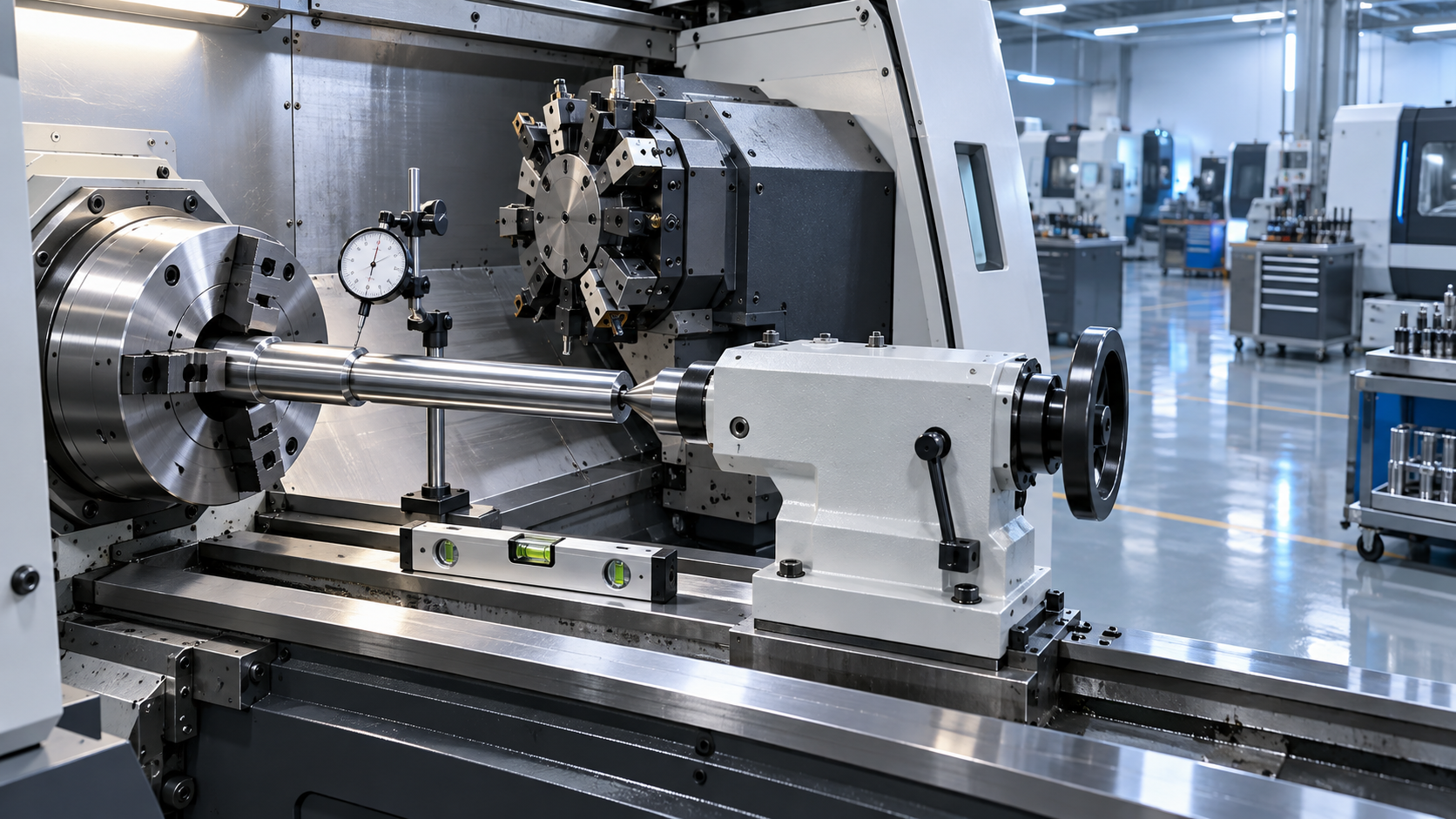
 CNC Lathe Quick Installation Guide: Alignment Checks Before First Production RunCNC Machining Technology Center
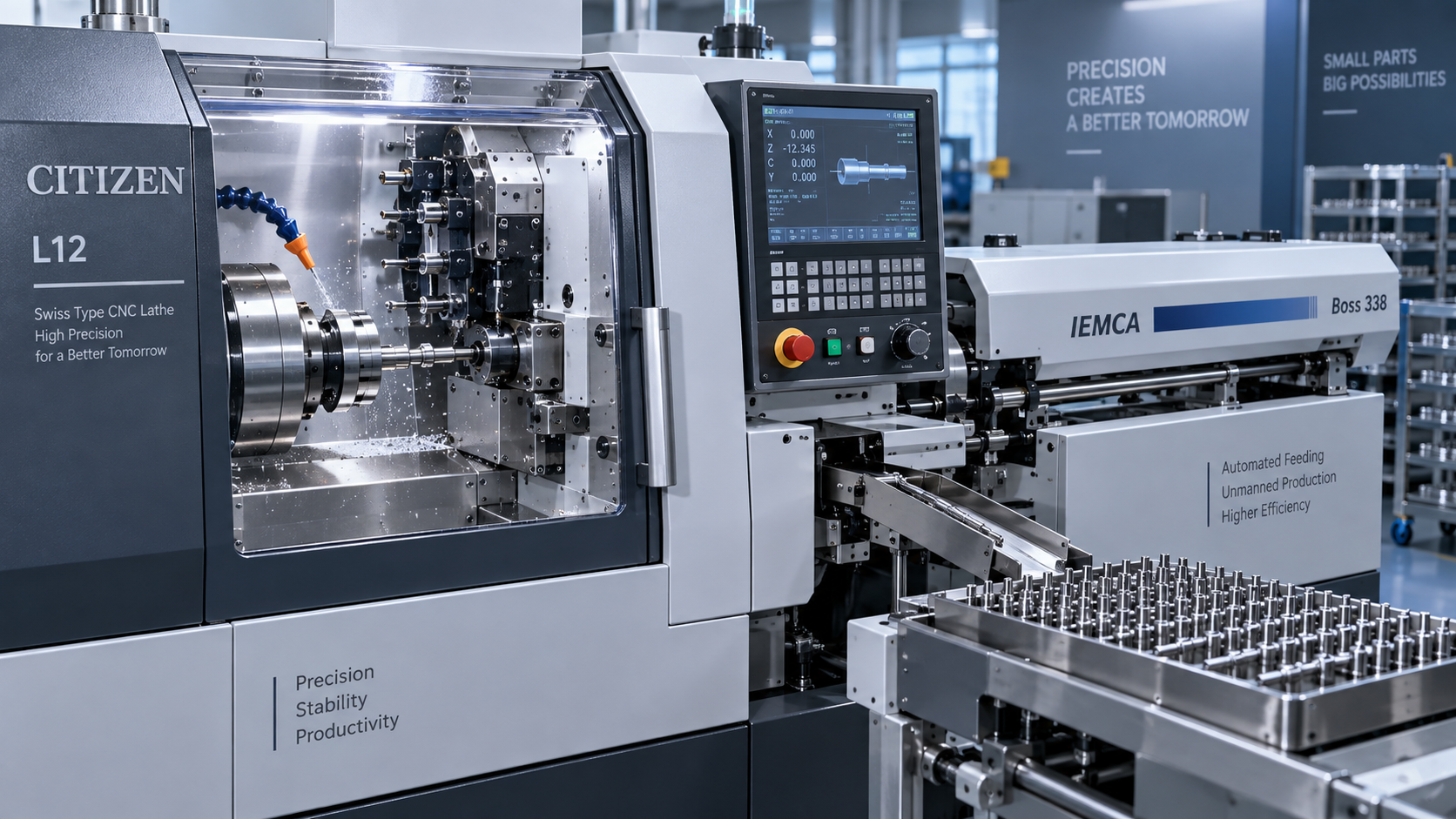
 How to Select a CNC Lathe for Small Parts Without Sacrificing Accuracy or Cycle TimeCNC Machining Technology Center

Aris Katos
Future of Carbide Coatings
15+ years in precision manufacturing systems. Specialized in high-speed milling and aerospace grade alloy processing.
▶
Smart Manufacturing for Small Businesses: Where Automation Delivers the Fastest ROIMachine Tool Industry Editorial Team▶
How Smart Manufacturing Technology Improves OEE Across Industry 4.0 Production LinesMachine Tool Industry Editorial Team▶
How to Evaluate an Automation Line for Electronics Production Before InvestmentMachine Tool Industry Editorial Team▶
How to Evaluate an Automated Production Line for Output, Flexibility, and ROIMachine Tool Industry Editorial Team▶
How Smart Manufacturing Improves Traceability and Quality Control in Aerospace?Machine Tool Industry Editorial Team
Mastering 5-Axis Workholding Strategies
Join our technical panel on Nov 15th to learn about reducing vibrations in thin-wall components.

Providing you with integrated sanding solutions
Before-sales and after-sales services
Comprehensive technical support