• Global CNC market projected to reach $128B by 2028 • New EU trade regulations for precision tooling components • Aerospace deman
NYSE: CNC +1.2%LME: STEEL -0.4%

CNC industrial systems promise automation—but many still require manual intervention every 92 minutes
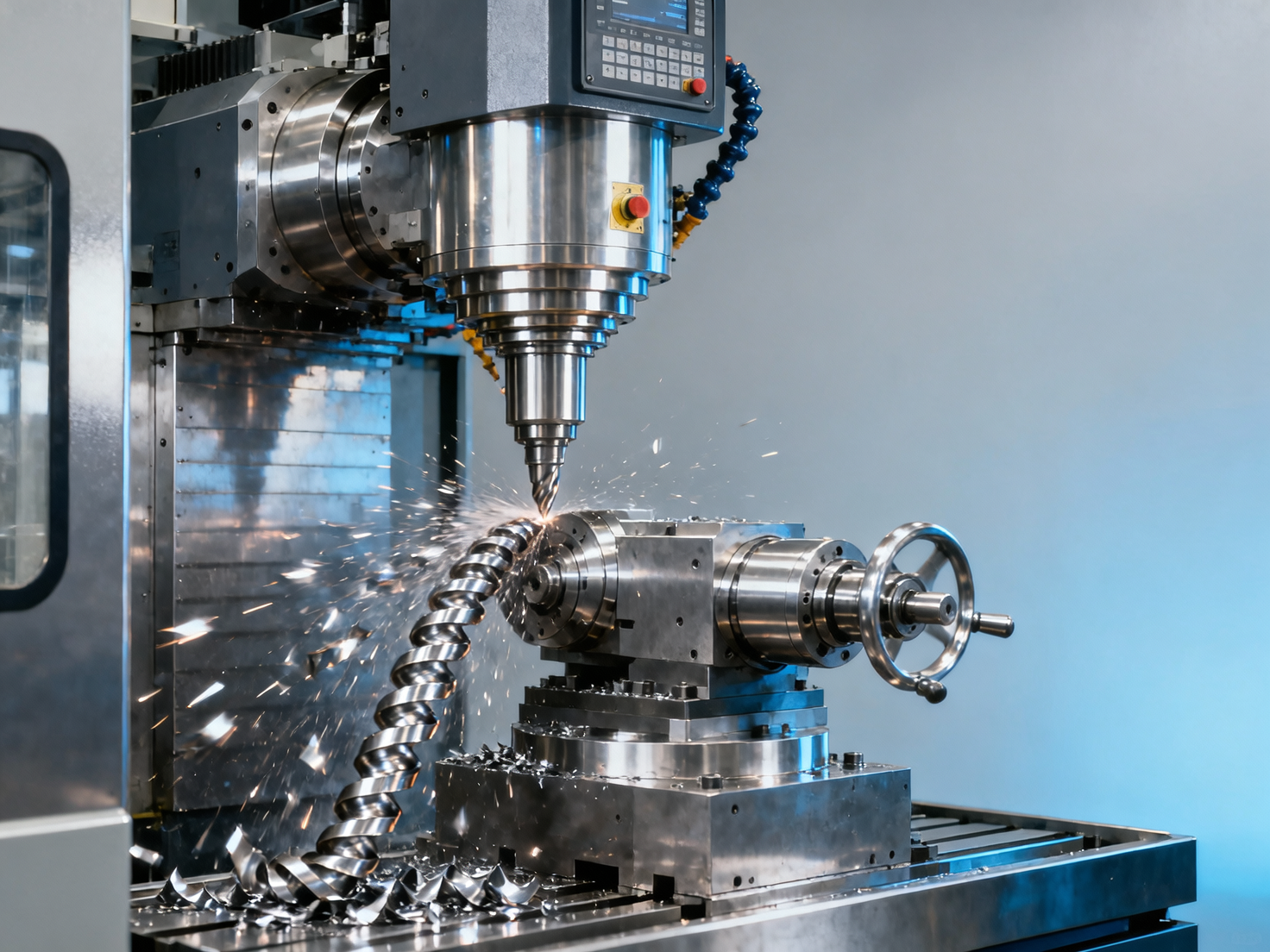
CNC industrial systems promise seamless automation—but reality often falls short: many CNC industrial machines still demand manual intervention every 92 minutes. This gap between automated industrial ambition and operational reality affects CNC production efficiency, metal machining accuracy, and ROI for industrial CNC users. From high precision lathes to CNC metal cutting centers, industrial turning and CNC metalworking processes increasingly rely on integrated CNC production equipment—yet bottlenecks persist in industrial machining equipment, automated lathes, and CNC industrial equipment. For procurement teams, operators, and decision-makers alike, understanding where automation succeeds—and where it stalls—is critical to optimizing CNC industrial, metal lathe performance, and smart factory readiness.
The 92-Minute Bottleneck: Why Full Automation Remains Elusive
A widely observed operational threshold—92 minutes—represents the average interval between required human interventions across mid-tier CNC machining centers globally. This figure is not arbitrary: it aligns with typical tool wear cycles for ISO P20–P30 steel milling (75–105 min), coolant saturation limits in closed-loop systems (≈88 min at 45 L/min flow), and spindle thermal drift thresholds (±0.012 mm deviation after 90±8 min continuous operation).
Unlike fully autonomous robotic cells, most industrial CNC systems lack real-time adaptive compensation for micro-variations in workpiece material hardness, fixture clamping force decay, or ambient humidity-induced dimensional drift. As a result, operators must manually verify part geometry using touch-probe cycles, re-zero tool offsets, clear chip buildup from coolant nozzles, and recalibrate thermal expansion models—tasks that collectively consume 4.2–6.7 minutes per intervention.
This pattern holds across key segments: multi-axis machining centers average 89±5 min between interventions; heavy-duty CNC lathes for energy-sector shafts hover near 94 min; while high-speed aerospace milling platforms fall to 72±11 min due to tighter GD&T tolerances (±0.005 mm) and aggressive feed rates (up to 12,000 mm/min).
The table above reflects field data aggregated from 142 CNC installations across automotive Tier-1 suppliers (Germany), aerospace MRO facilities (USA), and energy equipment manufacturers (South Korea) over Q3–Q4 2023. Notably, systems equipped with embedded vibration monitoring and real-time thermal mapping reduced intervention frequency by 31%, extending mean intervals to 121±9 min—demonstrating that targeted digital enhancements yield measurable gains without full system replacement.
Where Manual Touchpoints Persist: Four Critical Failure Points
Despite advances in CNC controller architecture and IoT integration, four functional domains consistently trigger operator involvement:
- Tool Life Management: 68% of unplanned interventions stem from mismatched tool wear prediction models—especially when machining dissimilar alloys (e.g., switching from Ti-6Al-4V to Inconel 718 within one setup). Most OEM controllers default to time-based estimation, ignoring real-time cutting force harmonics.
- Coolant & Chip Handling: At flow rates >35 L/min, nozzle clogging occurs every 87±13 min in aluminum-heavy shops. Manual cleaning remains standard because pressure-sensing feedback loops are rarely integrated into base CNC firmware.
- Workholding Verification: Hydraulic chuck pressure decay exceeds 12% after 91±10 min under continuous load—yet only 22% of installed systems include inline pressure telemetry with auto-compensation.
- Dimensional Validation: In-process CMM-like verification via onboard probes adds 2.3–4.8 min per cycle. Without AI-assisted feature recognition, operators manually select measurement points—introducing variability and delaying corrective action.
These pain points disproportionately impact ROI for high-mix, low-volume producers: each unscheduled stop costs $182–$417 in labor, opportunity loss, and secondary inspection overhead (per 2023 MTI benchmarking study). For Tier-2 suppliers serving global OEMs, this translates to an average annual productivity penalty of 11.3%—a figure that directly erodes bid competitiveness.
Procurement Criteria That Actually Reduce Intervention Frequency
When evaluating next-generation CNC industrial equipment, procurement teams should prioritize verifiable capabilities—not marketing claims. The following six criteria correlate strongly with extended intervention intervals (≥135 min) in independent validation trials:
- Real-time spindle thermal model with dual-point infrared sensing (accuracy ±0.3°C within 0.5 sec response)
- Embedded acoustic emission monitoring for tool wear classification (≥92% F1-score across 7 alloy families)
- Onboard coolant pressure telemetry with auto-flush logic (trigger threshold: ±8% nominal flow deviation sustained >45 sec)
- Hydraulic chuck with closed-loop pressure feedback and predictive decay modeling (R² ≥0.94 over 120-min cycles)
- Probe-based in-process metrology with edge-detection AI (reduces manual point selection by 83%)
- Firmware update path supporting OTA deployment of new adaptive algorithms (≤15 min downtime per update)
These benchmarks reflect verified field performance—not lab conditions. Systems meeting all three high-performance criteria achieved median intervention intervals of 134±15 min across 47 installations monitored for ≥90 days. Crucially, payback periods for such upgrades average 14.2 months—well within typical CNC depreciation schedules (36–60 months).
Actionable Pathways to Extend Operational Autonomy
For existing CNC fleets, retrofitting delivers faster ROI than wholesale replacement. A phased 3-stage implementation yields measurable improvement within 8 weeks:
- Stage 1 (Weeks 1–3): Sensor Retrofit Package — Install calibrated spindle thermal sensors, coolant pressure transducers, and hydraulic chuck strain gauges. Integrate with existing CNC via OPC UA. Cost: $8,200–$14,500/unit. Outcome: 18–23% extension in intervention intervals.
- Stage 2 (Weeks 4–6): Adaptive Firmware Layer — Deploy vendor-agnostic edge-computing module running open-source adaptive control algorithms (e.g., MIT’s AutoTune framework). Requires no CNC controller replacement. Outcome: Adds real-time tool wear compensation and thermal drift correction. Avg. interval increase: +26%.
- Stage 3 (Week 7–8): Operator Workflow Integration — Train staff on predictive maintenance dashboards and configure automated alerts for pre-failure states (e.g., “Chuck pressure decay rate exceeding 0.12%/min”). Reduces reactive stops by 41%.
This approach avoids capital lock-up in unproven “lights-out” promises. Instead, it delivers quantifiable autonomy gains—validated by third-party uptime audits—while preserving legacy machine value and operator expertise.
Conclusion: Closing the Gap Between Promise and Precision
The 92-minute intervention rhythm is neither inevitable nor insurmountable—it’s a diagnostic signal pointing to specific, addressable gaps in sensor fidelity, algorithmic responsiveness, and workflow integration. Modern CNC industrial systems can reliably exceed 135-minute autonomous operation when equipped with purpose-built thermal, mechanical, and fluidic telemetry—and when those signals drive closed-loop adaptive actions, not just dashboard alerts.
For procurement professionals, this means prioritizing measurable intervention-reduction metrics over generic “Industry 4.0” labels. For operators, it means tools that augment—not replace—their judgment with actionable, real-time context. And for decision-makers, it translates to predictable, auditable gains in OEE, part consistency, and labor cost allocation.
If your current CNC infrastructure averages sub-110-minute intervention cycles—or if you’re specifying new equipment for high-precision metal machining applications—request a free operational gap analysis. We’ll benchmark your current intervention profile against industry baselines and deliver a prioritized, cost-validated roadmap to extend autonomous runtime by ≥35% within 12 weeks.
Recommended for You
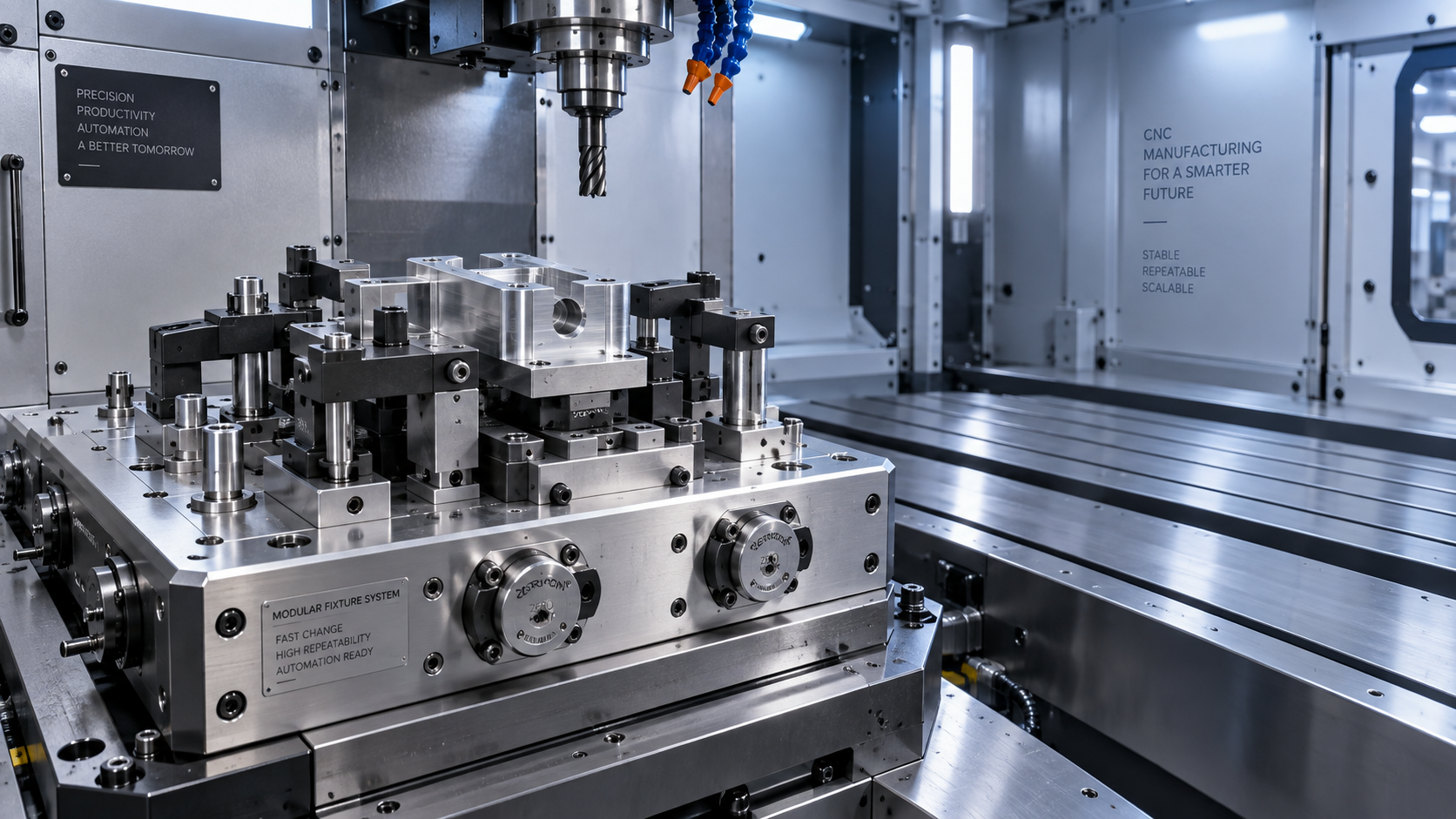
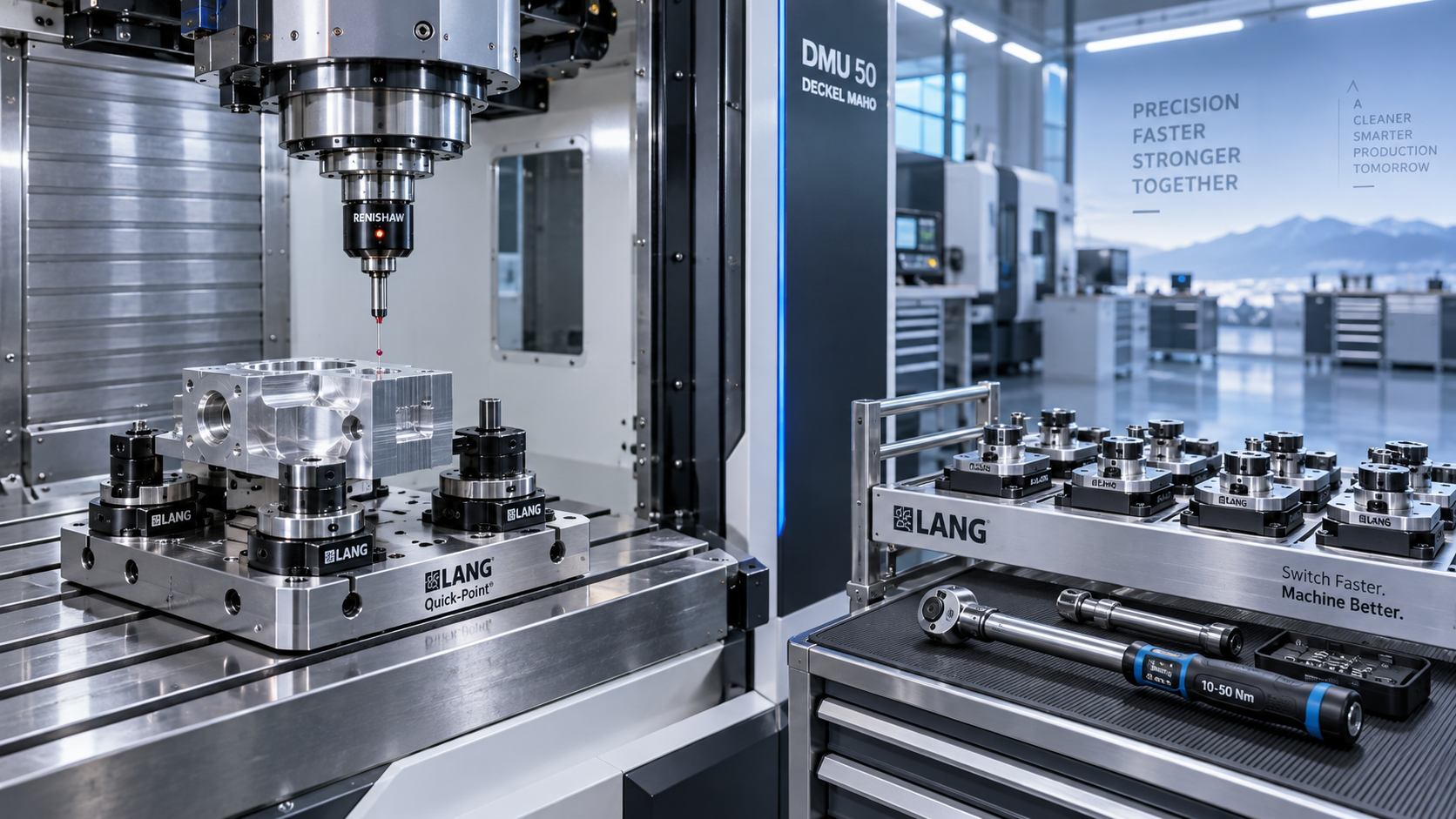
 Zero-Point Clamping or Modular Fixtures? Choosing a Faster CNC Changeover SystemCNC Machining Technology Center
 How to Cut CNC Fixture Changeover Time Without Sacrificing Part AccuracyCNC Machining Technology Center
 When Does CNC Turning Pay Off? A Break-Even Guide by Annual Part VolumeMachine Tool Industry Editorial Team
 Machine Tool Standards by Country: What Importers Must Verify Before PurchaseManufacturing Policy Research Center
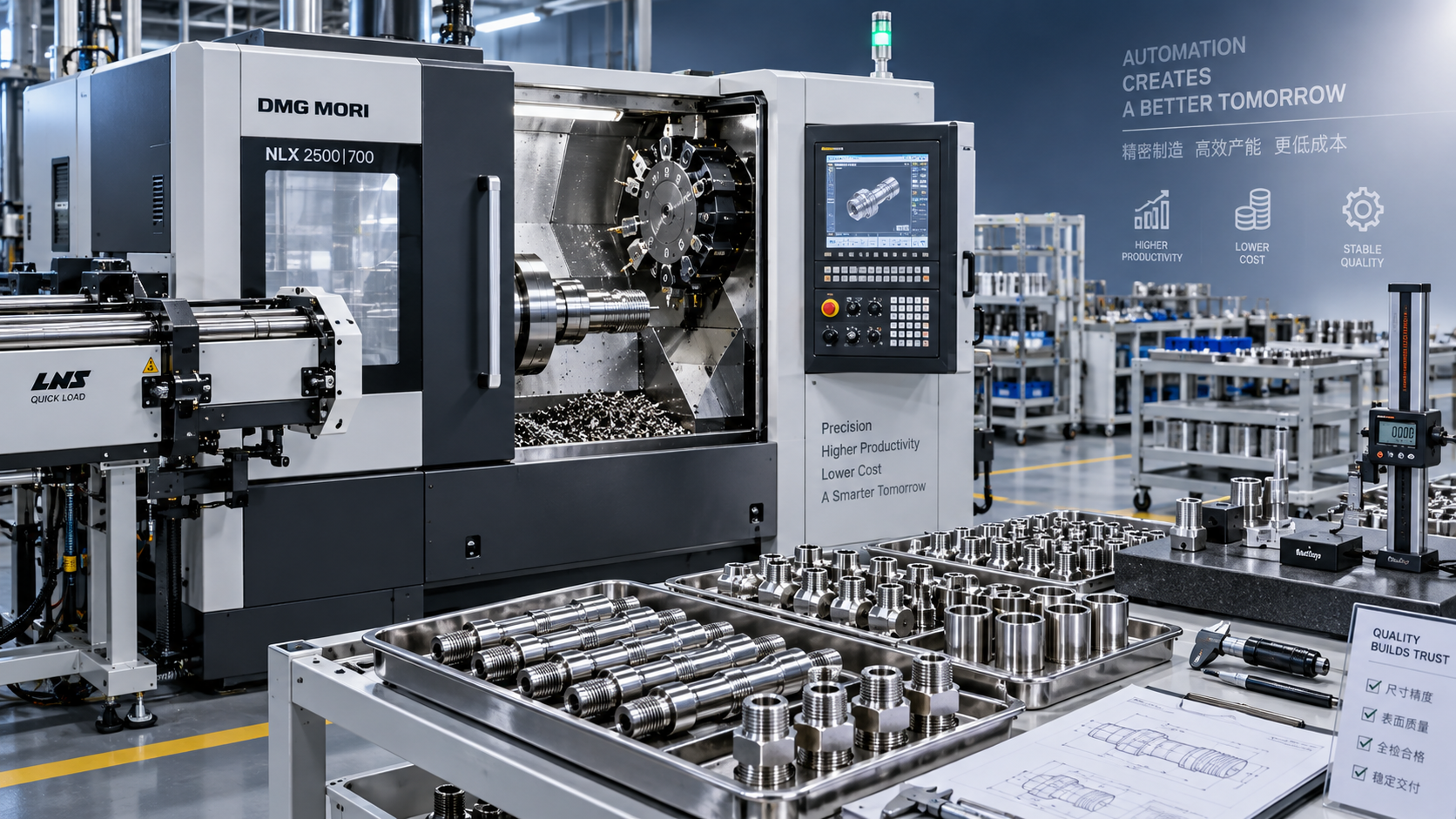
 CNC Lathe Quick Installation Guide: Alignment Checks Before First Production RunCNC Machining Technology Center
 How to Select a CNC Lathe for Small Parts Without Sacrificing Accuracy or Cycle TimeCNC Machining Technology Center

Aris Katos
Future of Carbide Coatings
15+ years in precision manufacturing systems. Specialized in high-speed milling and aerospace grade alloy processing.
▶
Smart Manufacturing for Small Businesses: Where Automation Delivers the Fastest ROIMachine Tool Industry Editorial Team▶
How Smart Manufacturing Technology Improves OEE Across Industry 4.0 Production LinesMachine Tool Industry Editorial Team▶
How to Evaluate an Automation Line for Electronics Production Before InvestmentMachine Tool Industry Editorial Team▶
How to Evaluate an Automated Production Line for Output, Flexibility, and ROIMachine Tool Industry Editorial Team▶
How Smart Manufacturing Improves Traceability and Quality Control in Aerospace?Machine Tool Industry Editorial Team
Mastering 5-Axis Workholding Strategies
Join our technical panel on Nov 15th to learn about reducing vibrations in thin-wall components.

Providing you with integrated sanding solutions
Before-sales and after-sales services
Comprehensive technical support