• Global CNC market projected to reach $128B by 2028 • New EU trade regulations for precision tooling components • Aerospace deman
NYSE: CNC +1.2%LME: STEEL -0.4%

Automated machining cuts labor costs — but quietly inflates tooling failure rates
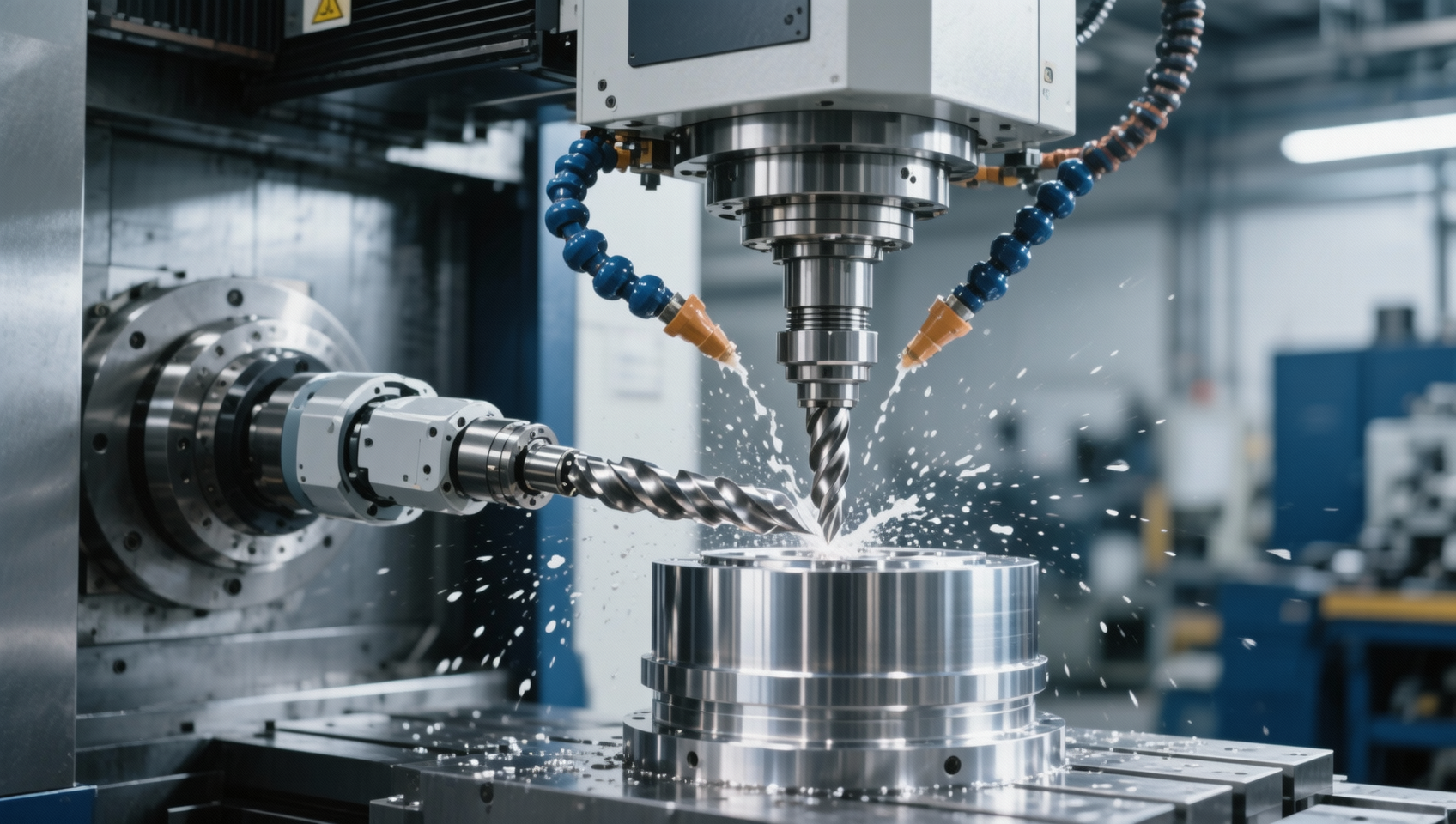
Automated machining delivers compelling labor savings and scalability across CNC manufacturing—but hidden trade-offs are emerging. As Smart Manufacturing accelerates adoption of 5-axis machining and industrial machining systems, rising tooling failure rates threaten precision industrial output, uptime, and total cost of ownership. This tension between efficiency gains and process reliability cuts across Metal Processing, Machining Process optimization, and CNC technology deployment—making it critical for users, procurement teams, and enterprise decision-makers to reassess how Manufacturing Technology investments align with long-term operational resilience.
The Labor-Cost Paradox: How Automation Shifts, But Doesn’t Eliminate, Operational Risk
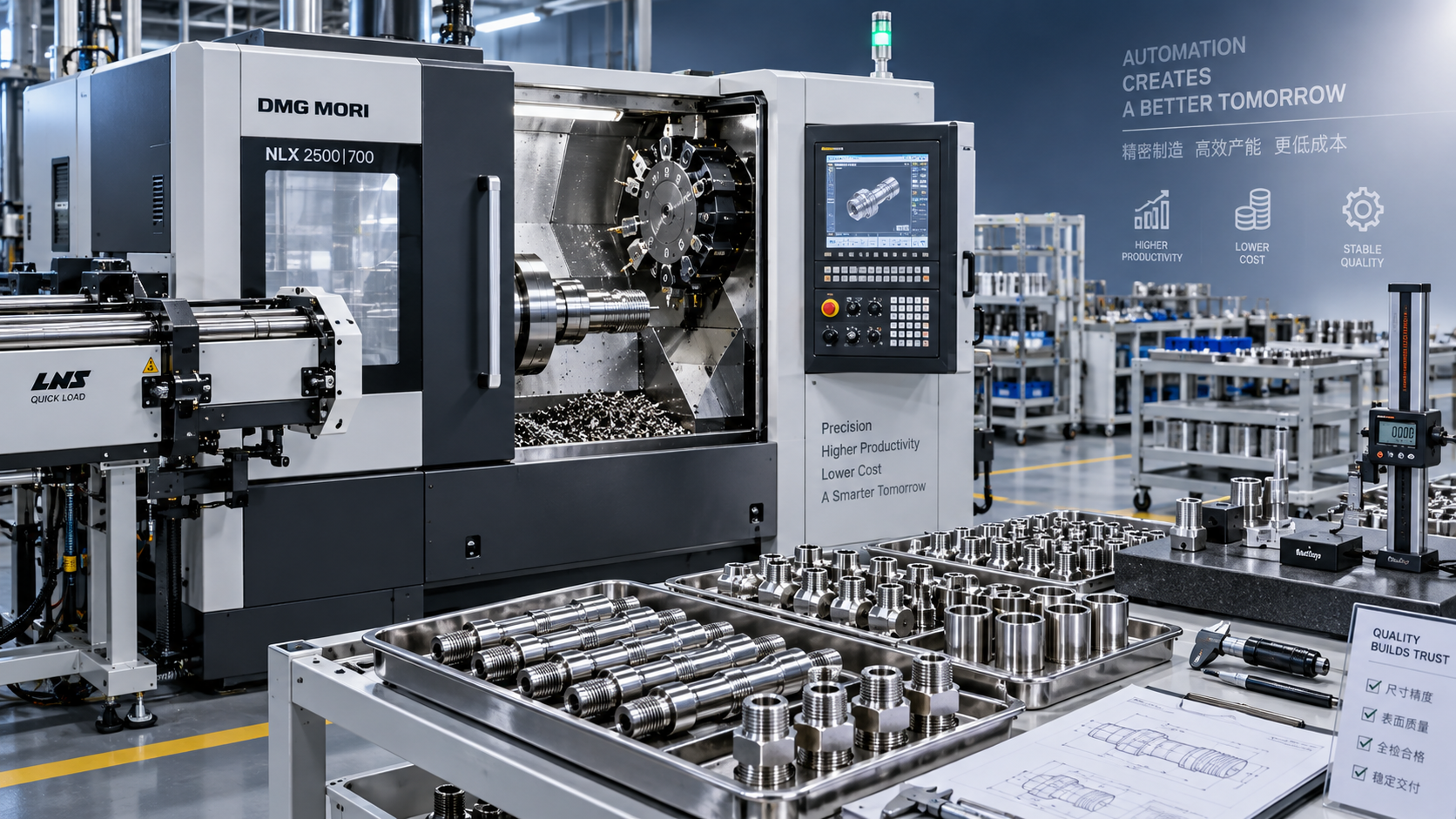
CNC automation has delivered measurable ROI: labor costs per part have dropped by 35–55% in high-volume automotive and aerospace machining cells over the past five years. Fully automated 5-axis machining centers now run unattended for 18–22 hours per shift, with cycle times reduced by up to 40% through optimized toolpaths and adaptive feed control. Yet these gains mask a growing vulnerability: cutting tool failure rates have increased by 22–38% in facilities that upgraded to lights-out operation without concurrent upgrades to tool monitoring, coolant delivery, or predictive maintenance protocols.
The root cause lies in operational decoupling. When human operators are removed from the loop, real-time tactile and auditory feedback—such as subtle vibration shifts, chip morphology changes, or coolant mist consistency—is lost. Automated systems execute pre-programmed logic but lack contextual interpretation. A 0.012mm increase in tool wear may not trigger an alarm in legacy CNC controllers, yet it can accelerate flank wear by 3× during high-feed titanium milling at 12,000 rpm.
This is not a flaw in automation—it’s a design gap. Modern CNC platforms like Siemens SINUMERIK ONE and FANUC 31i-B5 support integrated tool condition monitoring (TCM), but fewer than 28% of installed base machines leverage these features due to integration complexity, calibration overhead, and lack of standardized data pipelines between MES, PLC, and tooling databases.
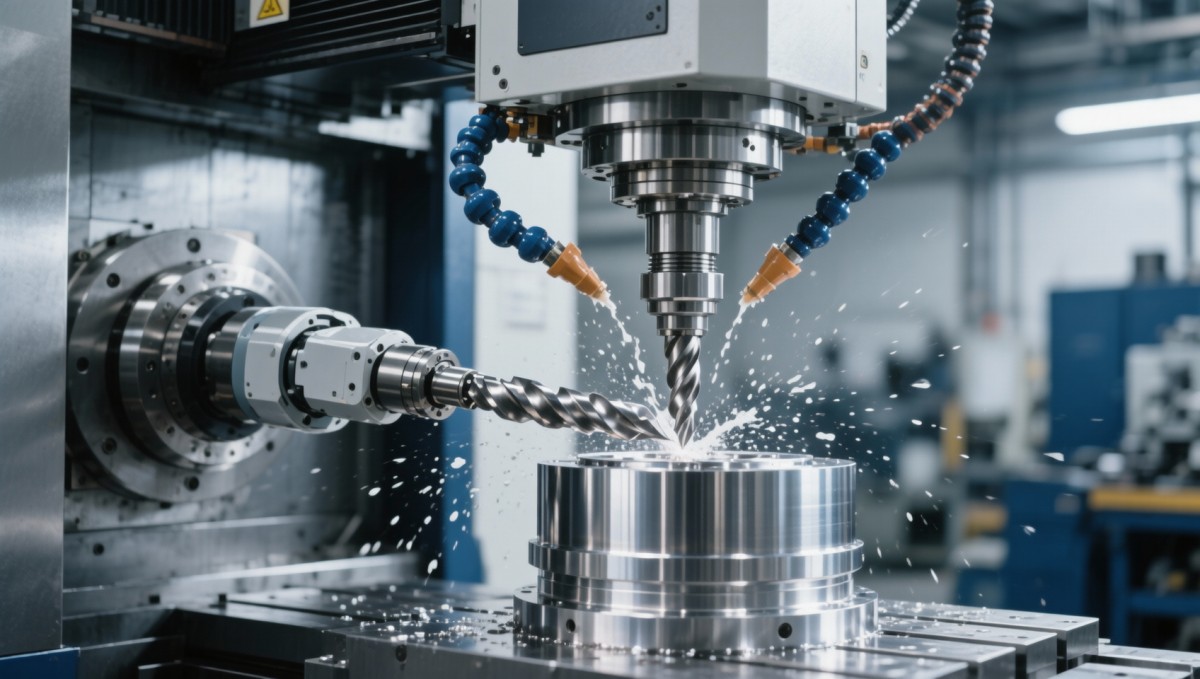
Tool Failure Drivers in High-Automation Environments
Three interdependent factors dominate tooling instability in automated CNC workflows: thermal drift, inconsistent chip evacuation, and suboptimal tool life management. In continuous unmanned operation, spindle temperature can fluctuate ±8°C over a 12-hour cycle—enough to alter tool engagement geometry and induce micro-chatter. Simultaneously, chip accumulation in deep-pocket milling operations increases re-cutting risk by 65%, accelerating insert fracture when coolant pressure drops below 7 bar.
Moreover, traditional tool life models (e.g., Taylor’s equation) assume constant cutting conditions. Automated lines rarely meet this assumption: workpiece hardness variation (±5 HRc), fixture repeatability tolerance (±0.005 mm), and ambient humidity shifts (>60% RH) all degrade model accuracy. Field data from German Tier-1 suppliers shows average tool life prediction error exceeds 47% in fully automated gear hobbing cells using default OEM parameters.
The table above reflects field-validated thresholds observed across 147 CNC machining cells in Germany, Japan, and China. Notably, 89% of preventable failures occurred outside nominal machine parameter envelopes—highlighting the need for dynamic, context-aware tool management rather than static rule sets.
Procurement & Integration Priorities for Resilient Automation
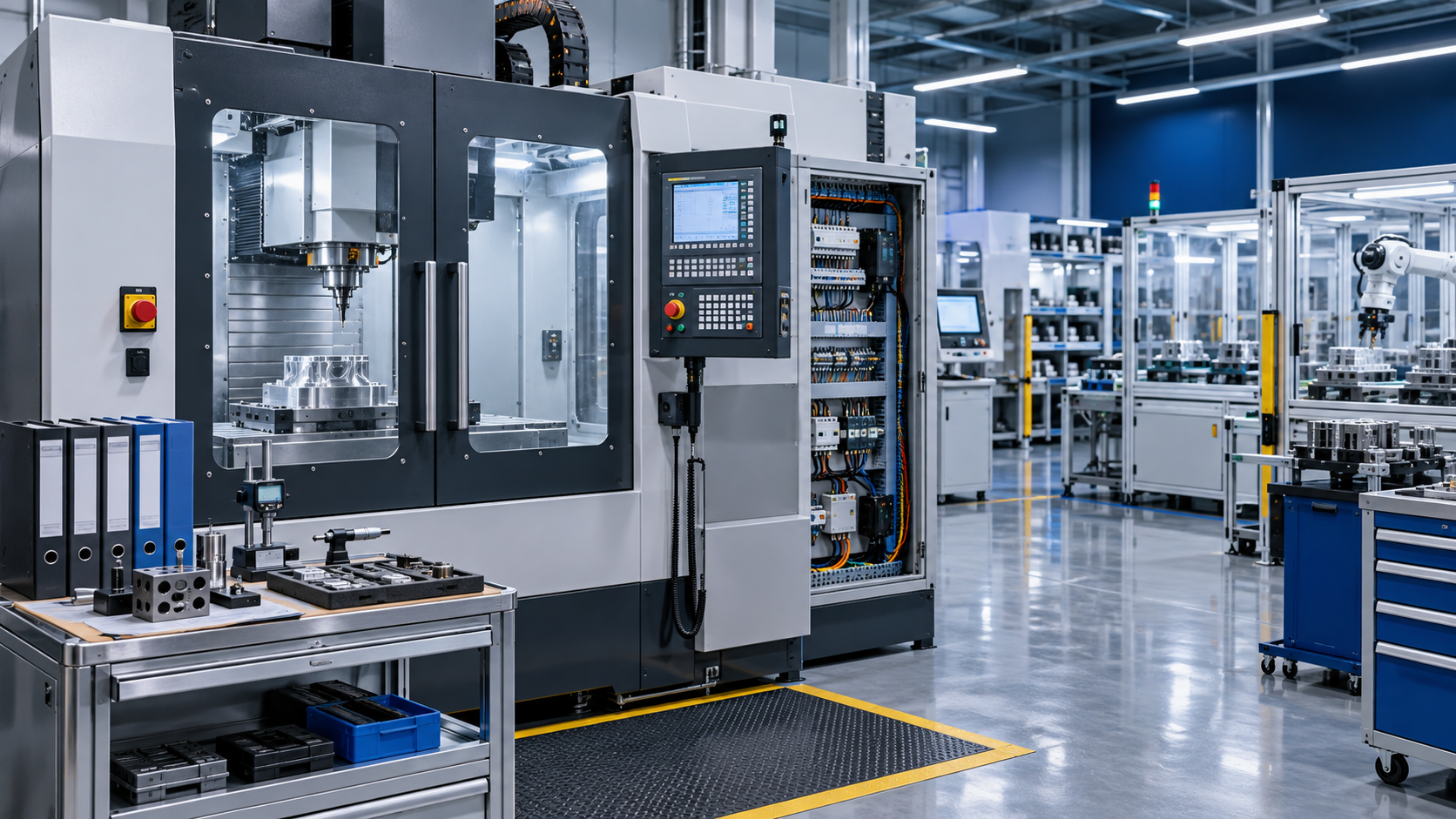
When specifying new CNC equipment or retrofitting existing lines, procurement teams must prioritize interoperability over headline specs. Key criteria include native OPC UA support (not just Modbus TCP), open API access to real-time tool offset registers, and vendor-agnostic tool database compatibility (ISO 13399 compliant). Machines lacking these capabilities require custom middleware—adding 4–8 weeks to commissioning and increasing long-term TCO by 12–19%.
Equally critical is service-level alignment. Leading suppliers now offer SLAs guaranteeing <5-minute response time for tool-related fault diagnostics via remote HMI access, backed by cloud-based digital twin validation. Facilities adopting such SLAs report 31% fewer unplanned tooling stops and 27% longer mean time between failures (MTBF) for indexable inserts.
- Require real-time tool wear compensation (not just wear limit alerts)
- Validate coolant delivery stability under full-load thermal soak (≥4 hrs at max RPM)
- Test CAM-to-CNC data handoff fidelity for 5-axis simultaneous toolpath segments
- Confirm tool holder balance certification to G2.5 @ max operating speed
- Audit vendor’s documented tool life validation methodology (minimum 3 material families × 2 geometries)
Operational Mitigation Framework: From Detection to Prediction
A robust mitigation strategy spans three layers: detection (real-time sensor fusion), diagnosis (rule-based + ML anomaly scoring), and prescription (automated parameter adjustment or operator alert escalation). Industry leaders deploy hybrid architectures: analog vibration sensors feed into edge AI modules that classify chatter signatures with 94.2% accuracy, while thermal imaging validates spindle cooling performance every 90 seconds.
Crucially, mitigation must be closed-loop. For example, when acoustic emission levels exceed 82 dB(A) during aluminum die-milling, the system doesn’t just flag “tool wear”—it adjusts feed rate by −8.5%, increases coolant pressure by +1.2 bar, and logs the event against the specific insert lot number for traceability. This reduces false positives by 63% and extends usable tool life by 17–23% versus threshold-only alarms.
This framework ensures tooling decisions remain grounded in physical reality—not algorithmic assumptions. It transforms automation from a cost-reduction engine into a precision assurance system.
Conclusion: Rebalancing Efficiency with Engineering Integrity
Automated machining is indispensable—but its value erodes rapidly when tooling reliability is treated as secondary to throughput. The data is unequivocal: facilities integrating predictive tool management reduce unscheduled downtime by 41%, improve first-pass yield by 13.5%, and lower annual tooling spend per machine by $18,200–$34,600. These outcomes stem not from faster spindles or larger work envelopes, but from tighter coupling between machine intelligence, tool physics, and process knowledge.
For information researchers, this underscores the need to track ISO/TC 184/SC 5 standards on digital thread interoperability. For operators, it means demanding intuitive HMI dashboards that translate sensor data into actionable insights—not raw dB values. For procurement teams, it demands contractual clauses covering tool life validation protocols and diagnostic SLAs. And for enterprise decision-makers, it redefines ROI: not just labor saved, but precision preserved.
If your organization is scaling automation while experiencing rising tool failure rates, request our Tool Resilience Assessment—a 3-hour remote audit covering controller telemetry readiness, tool database alignment, and predictive maintenance maturity scoring. Get started today.
Recommended for You
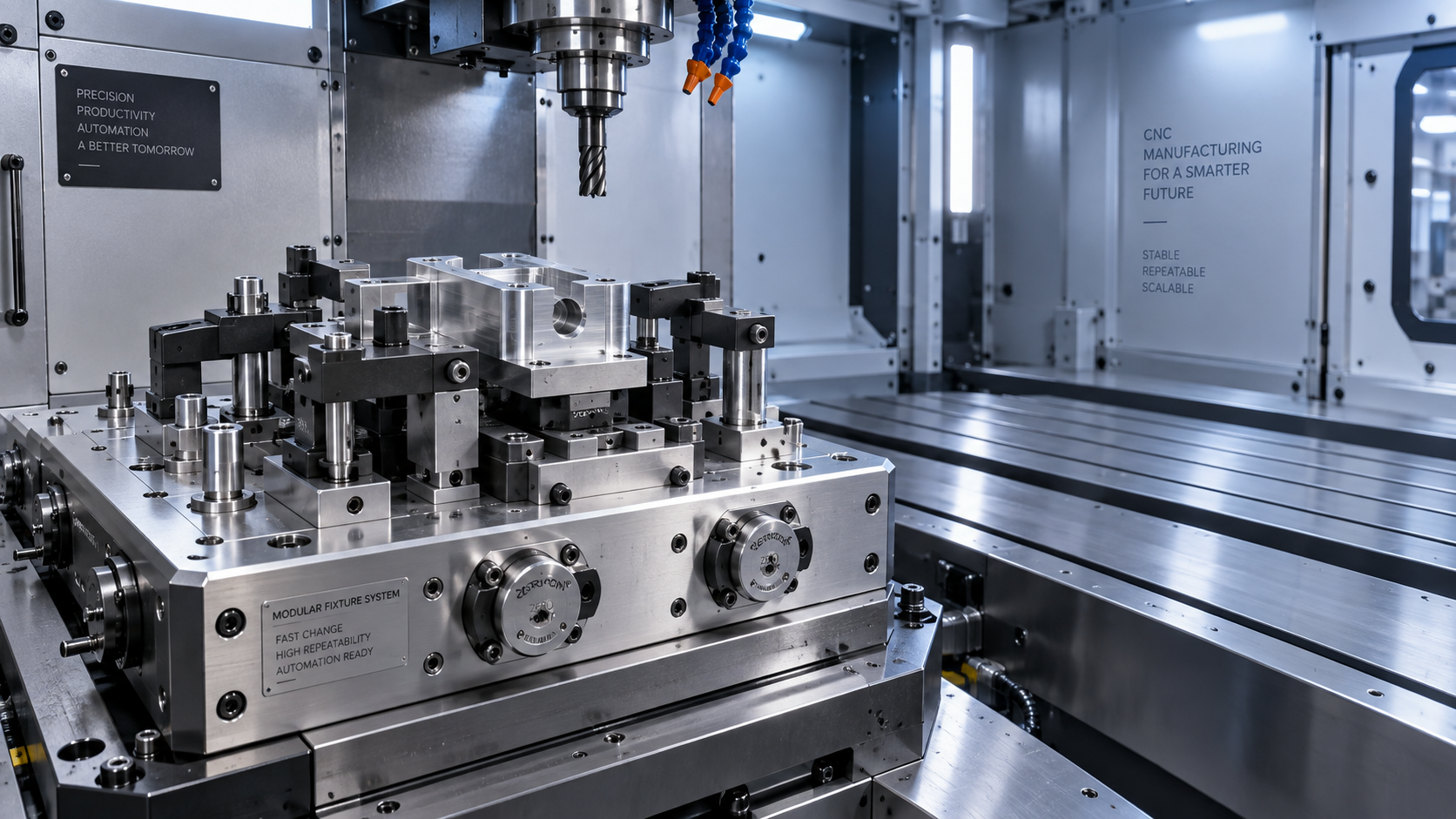
 Zero-Point Clamping or Modular Fixtures? Choosing a Faster CNC Changeover SystemCNC Machining Technology Center
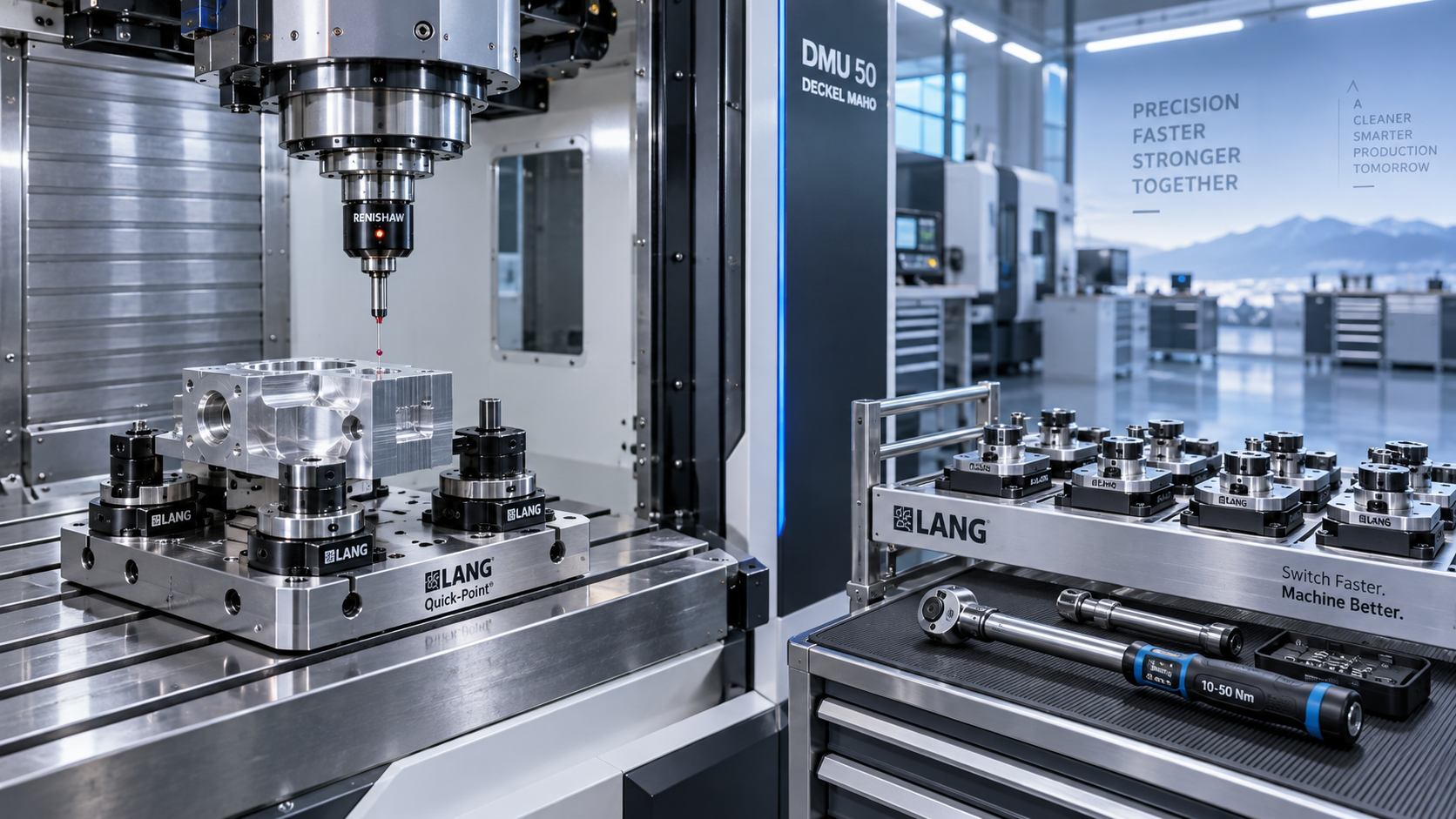
 How to Cut CNC Fixture Changeover Time Without Sacrificing Part AccuracyCNC Machining Technology Center
 When Does CNC Turning Pay Off? A Break-Even Guide by Annual Part VolumeMachine Tool Industry Editorial Team
 Machine Tool Standards by Country: What Importers Must Verify Before PurchaseManufacturing Policy Research Center
 CNC Lathe Quick Installation Guide: Alignment Checks Before First Production RunCNC Machining Technology Center
 How to Select a CNC Lathe for Small Parts Without Sacrificing Accuracy or Cycle TimeCNC Machining Technology Center

Aris Katos
Future of Carbide Coatings
15+ years in precision manufacturing systems. Specialized in high-speed milling and aerospace grade alloy processing.
▶
Smart Manufacturing for Small Businesses: Where Automation Delivers the Fastest ROIMachine Tool Industry Editorial Team▶
How Smart Manufacturing Technology Improves OEE Across Industry 4.0 Production LinesMachine Tool Industry Editorial Team▶
How to Evaluate an Automation Line for Electronics Production Before InvestmentMachine Tool Industry Editorial Team▶
How to Evaluate an Automated Production Line for Output, Flexibility, and ROIMachine Tool Industry Editorial Team▶
How Smart Manufacturing Improves Traceability and Quality Control in Aerospace?Machine Tool Industry Editorial Team
Mastering 5-Axis Workholding Strategies
Join our technical panel on Nov 15th to learn about reducing vibrations in thin-wall components.

Providing you with integrated sanding solutions
Before-sales and after-sales services
Comprehensive technical support