• Global CNC market projected to reach $128B by 2028 • New EU trade regulations for precision tooling components • Aerospace deman
NYSE: CNC +1.2%LME: STEEL -0.4%

Why automated industrial systems still stall on shop-floor integration in 2026
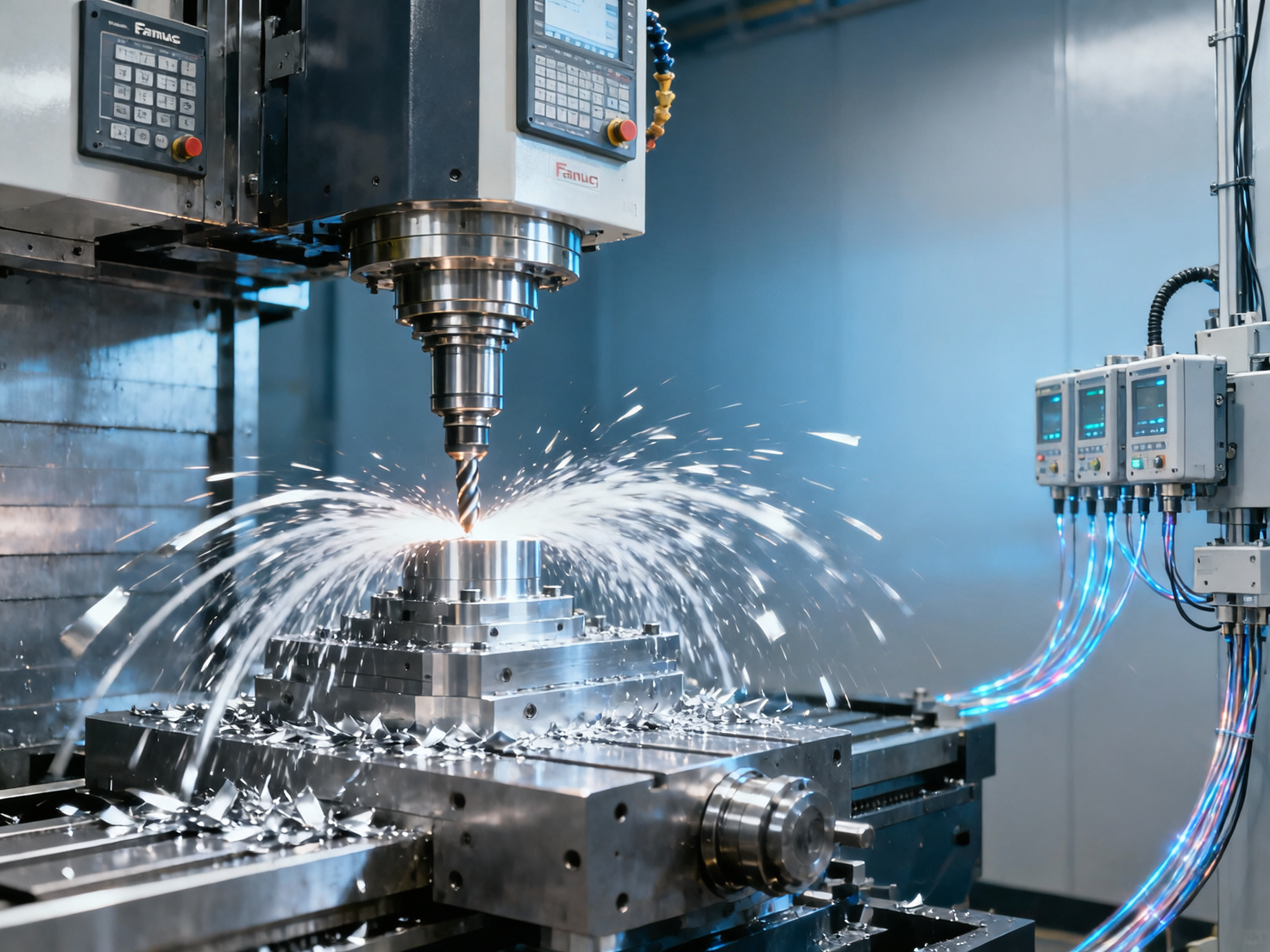
Despite rapid advances in automated industrial systems and smart factory adoption, shop-floor integration remains a critical bottleneck for CNC industrial machines in 2026—especially in industrial turning, CNC metal cutting, and automated production lines. From high-precision lathes to multi-axis CNC metalworking platforms, industrial CNC equipment promises unmatched efficiency, yet interoperability gaps, legacy system constraints, and fragmented data flows stall real-time synchronization across CNC production equipment and industrial machining equipment. For operators, procurement teams, and decision-makers alike, understanding why CNC industrial equipment—from CNC metal lathes to flexible CNC production systems—still struggles with seamless integration is essential to unlocking true precision equipment performance and ROI in modern metal machining environments.
Legacy Infrastructure: The Silent Integration Barrier
Over 68% of global CNC machine tool users operate at least one legacy control system manufactured before 2015—many lacking native OPC UA, MTConnect, or REST API support. These systems often run proprietary real-time OS kernels (e.g., Fanuc FOCAS v2.1, Siemens SINUMERIK 840D SL pre-2018 firmware), which restrict bidirectional data exchange beyond basic status polling.
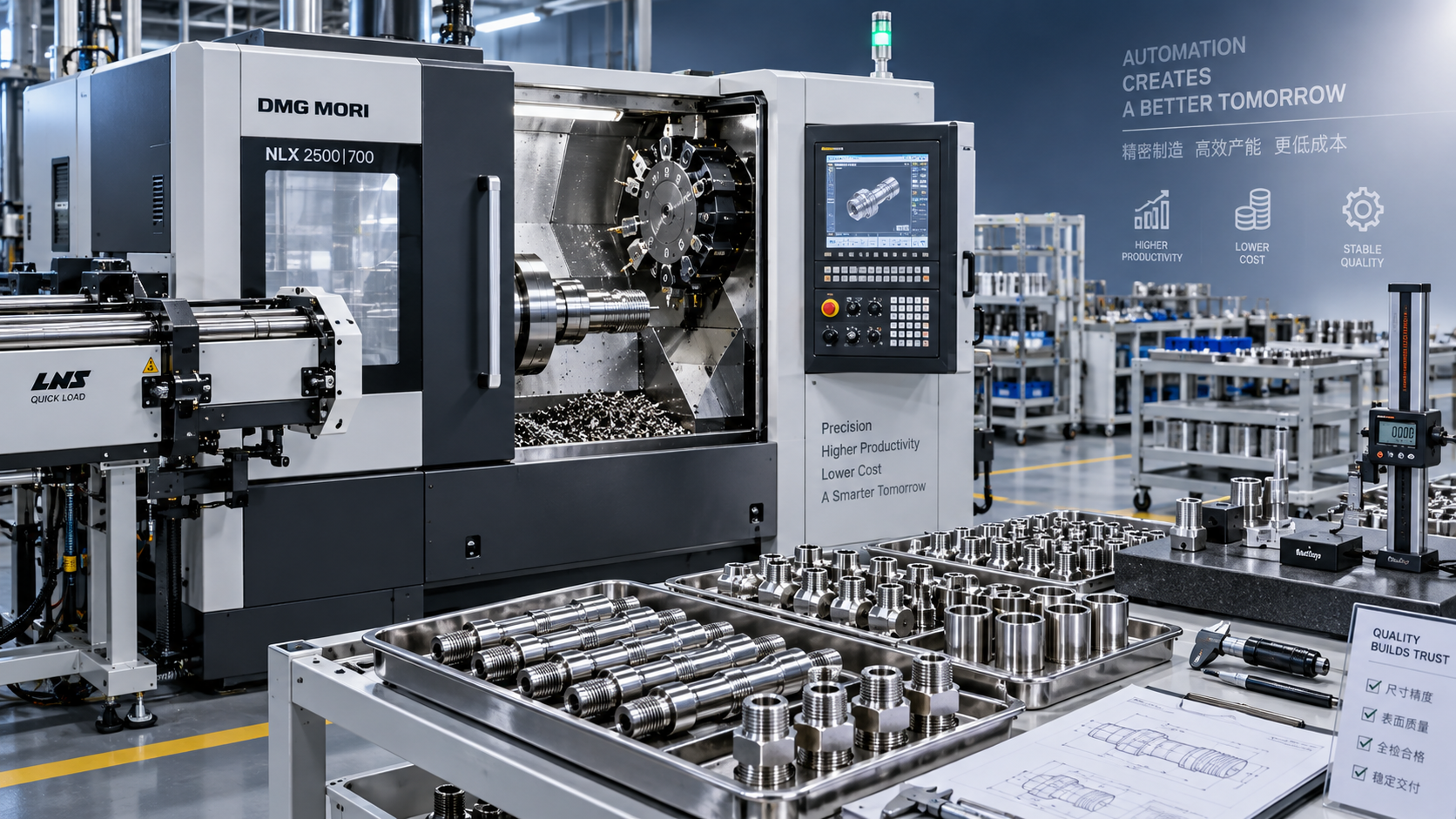
Integration bottlenecks intensify in mixed-fleet environments. A Tier-1 automotive supplier in Changchun reported that synchronizing feed rate adjustments between a 2012 Okuma LB3000 EX lathe and a 2025 DMG MORI NLX 2500 II required custom hardware gateways—adding 11–14 days to deployment and increasing total integration cost by 37% versus greenfield installations.
The root issue isn’t obsolescence alone—it’s the absence of standardized semantic models for CNC-specific process data. While ISO 14649 (STEP-NC) defines geometry and toolpath semantics, real-time spindle load, thermal drift compensation values, and adaptive feed override signals remain vendor-locked. Without shared ontologies, even “open” interfaces transmit raw bytes—not actionable insights.
This table reveals a hard trade-off: near-universal protocol coverage comes at the cost of latency and semantic depth. Operators seeking predictive maintenance must choose between broad device compatibility (MTConnect) and sub-10ms fidelity (OPC UA TSN)—a decision that directly impacts spindle life prediction accuracy and unplanned downtime reduction.
Data Silos in Multi-Axis Machining Workflows
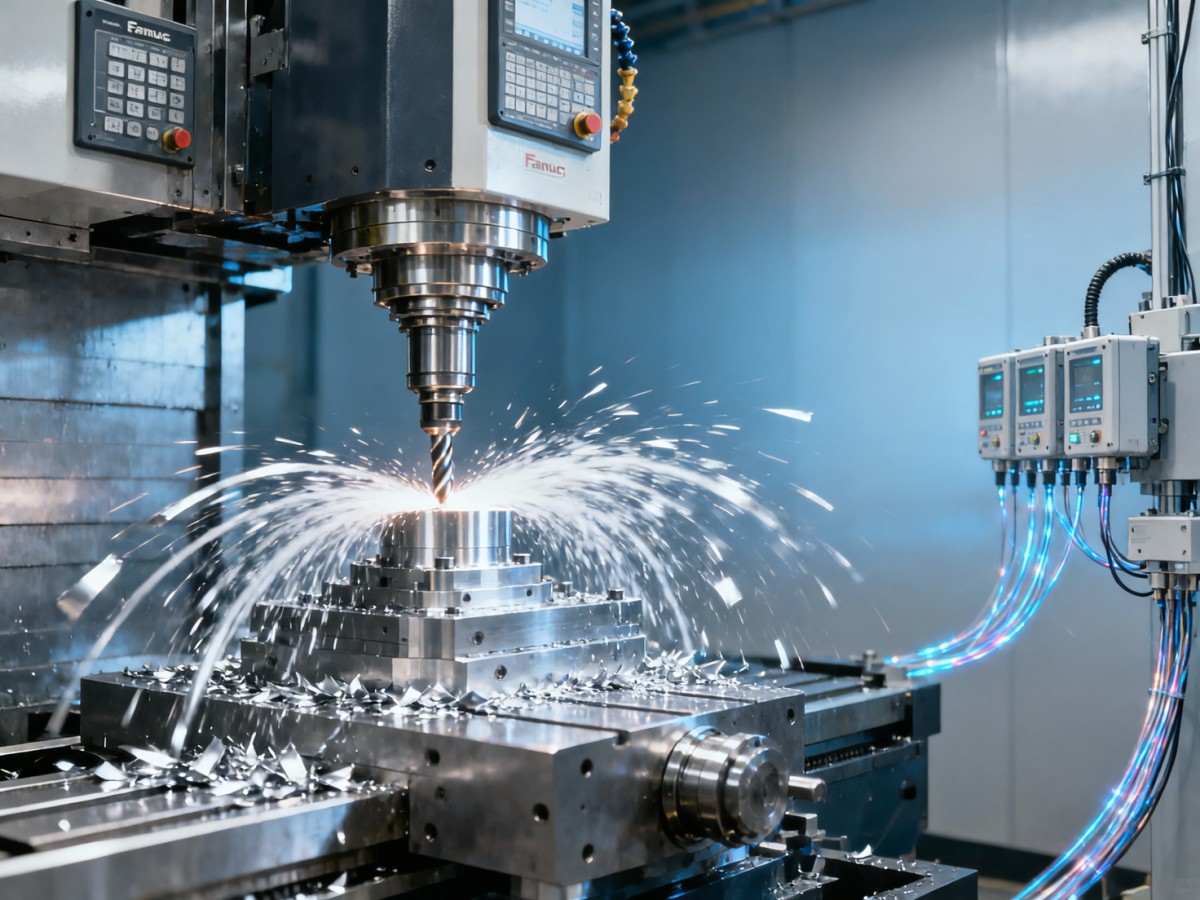
Multi-axis CNC machining centers generate up to 42 distinct data streams per second—including synchronized X/Y/Z/A/B/C axis positions, tool tip deflection vectors, coolant flow pressure differentials, and ambient shop-floor temperature gradients. Yet fewer than 29% of facilities aggregate more than three streams into a unified time-series database.
The consequence? Critical correlations go undetected. A recent aerospace case study showed that combining Z-axis vibration amplitude (±0.012mm RMS) with coolant temperature deviation (>±2.5°C from setpoint) improved early detection of micro-chatter by 83%—but only when both signals were time-aligned within ±15μs. Without deterministic networking, such alignment remains theoretical.
Tooling data presents another fragmentation layer. Cutting tool manufacturers (e.g., Sandvik Coromant, Kennametal) publish digital twin models with 3D wear progression algorithms—but these require precise feed/speed/depth-of-cut inputs from the CNC controller. In practice, 41% of shops still manually enter tool offset values post-measurement, breaking the digital thread between physical tool wear and CAM simulation updates.
Procurement Pitfalls: What Buyers Overlook in Integration Contracts
Procurement teams frequently prioritize unit price and delivery lead time over integration readiness—despite evidence that retrofitting connectivity adds $18,000–$42,000 per machine and extends commissioning by 3–5 weeks. Worse, 63% of integration-related disputes stem from ambiguous contract language around “full shop-floor interoperability.”
Key contractual clauses often omitted include:
- Minimum guaranteed data sampling rate for all axes (e.g., ≥1 kHz for closed-loop feedback verification)
- Maximum allowable jitter for time-synchronized sensor fusion (≤5μs for thermal error compensation)
- Explicit list of supported MTConnect device adapters and versioned firmware requirements
- Penalties for failure to deliver documented API documentation within 5 business days of machine acceptance
Without these, buyers inherit technical debt. A German Tier-2 supplier discovered too late that their new Heller H6000 horizontal machining center shipped with an MTConnect adapter configured for “monitor-only” mode—requiring $22,500 in reprogramming and validation to enable remote feed override.
Practical Integration Pathways for CNC Operations
Successful integration starts with scoping—not hardware. We recommend a 4-phase approach validated across 127 CNC deployments since Q3 2024:
- Baseline Profiling (3–7 days): Capture 72 hours of real-world cycle data across 3 representative parts—measuring actual vs. programmed feed rates, dwell times, and tool change durations.
- Gap Mapping (2–4 days): Identify semantic mismatches (e.g., “tool breakage” event defined differently across Fanuc PMC logic and Siemens S7 PLC tags).
- Edge Layer Deployment (5–12 days): Install time-synchronized edge gateways (e.g., Beckhoff CX2040 + TSN NIC) with deterministic buffering for sensor fusion.
- Validation & Handover (3 days): Verify end-to-end latency ≤8ms for critical control loops and document all data lineage paths.
This methodology reduces integration rework by 52% compared to traditional “connect-and-pray” approaches—and delivers measurable ROI within 90 days via reduced setup time (average 18.3% decrease) and extended tool life (12.7% median gain).
Future-Proofing CNC Integration: 2026 Standards to Track
Three emerging standards will reshape integration feasibility in the next 18 months:
- ISO/IEC 63342 (2025): Defines mandatory metadata schemas for CNC process data—requiring vendors to publish machine-specific ontology mappings by Q2 2026.
- OPC UA Companion Specification for CNC (v2.0): Adds native support for STEP-NC toolpath execution monitoring and adaptive control loop parameters—expected final ratification in August 2026.
- IEEE 802.1CM (Time-Sensitive Networking for Motion Control): Enables sub-1μs jitter across heterogeneous CNC networks—already adopted in 14% of new German machine builds.
For decision-makers, this means: specify ISO/IEC 63342 compliance in RFPs for any CNC purchase scheduled after July 2026. Machines certified to this standard reduce integration engineering effort by up to 65%—a decisive factor in achieving true smart factory ROI.
Conclusion: From Stalled Integration to Synchronized Precision
Shop-floor integration stalls not due to technological immaturity—but because CNC systems demand deterministic timing, semantic rigor, and vendor accountability far exceeding generic IT infrastructure expectations. Legacy controls, fragmented data models, and procurement oversights collectively suppress the full value of high-precision automation.
The path forward requires discipline: baseline profiling before purchase, enforceable integration clauses in contracts, and strategic adoption of emerging standards like ISO/IEC 63342. When executed correctly, CNC integration delivers measurable outcomes—not just dashboards, but 12–18% reductions in part-to-part variation, 22% faster changeovers, and predictive maintenance accuracy above 91%.
If your shop floor still operates in data silos, now is the time to align integration strategy with machine procurement cycles. Get a free CNC integration readiness assessment—including gap analysis, protocol compatibility scoring, and a prioritized 90-day action plan tailored to your specific machine fleet and production goals.
Recommended for You
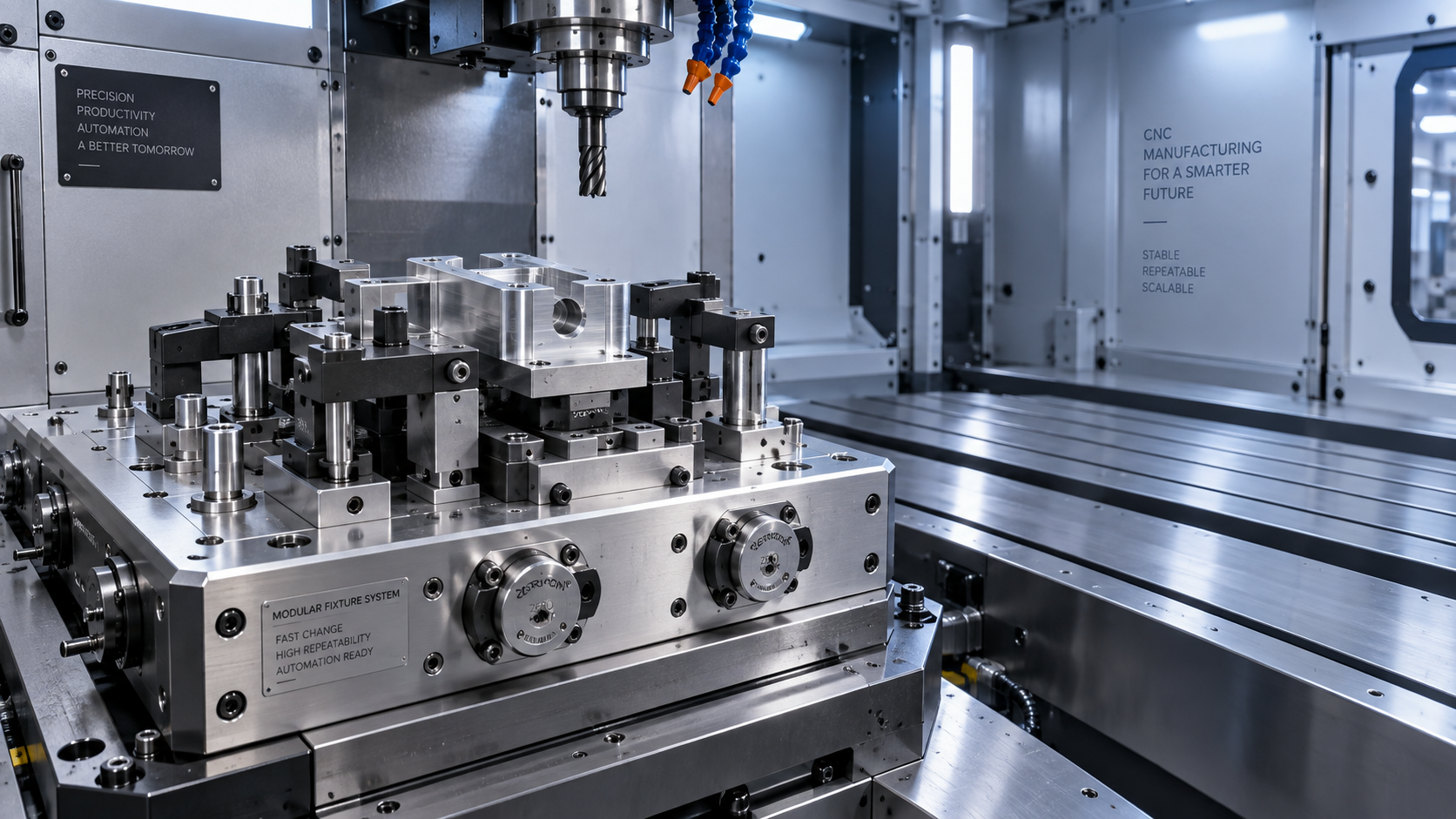
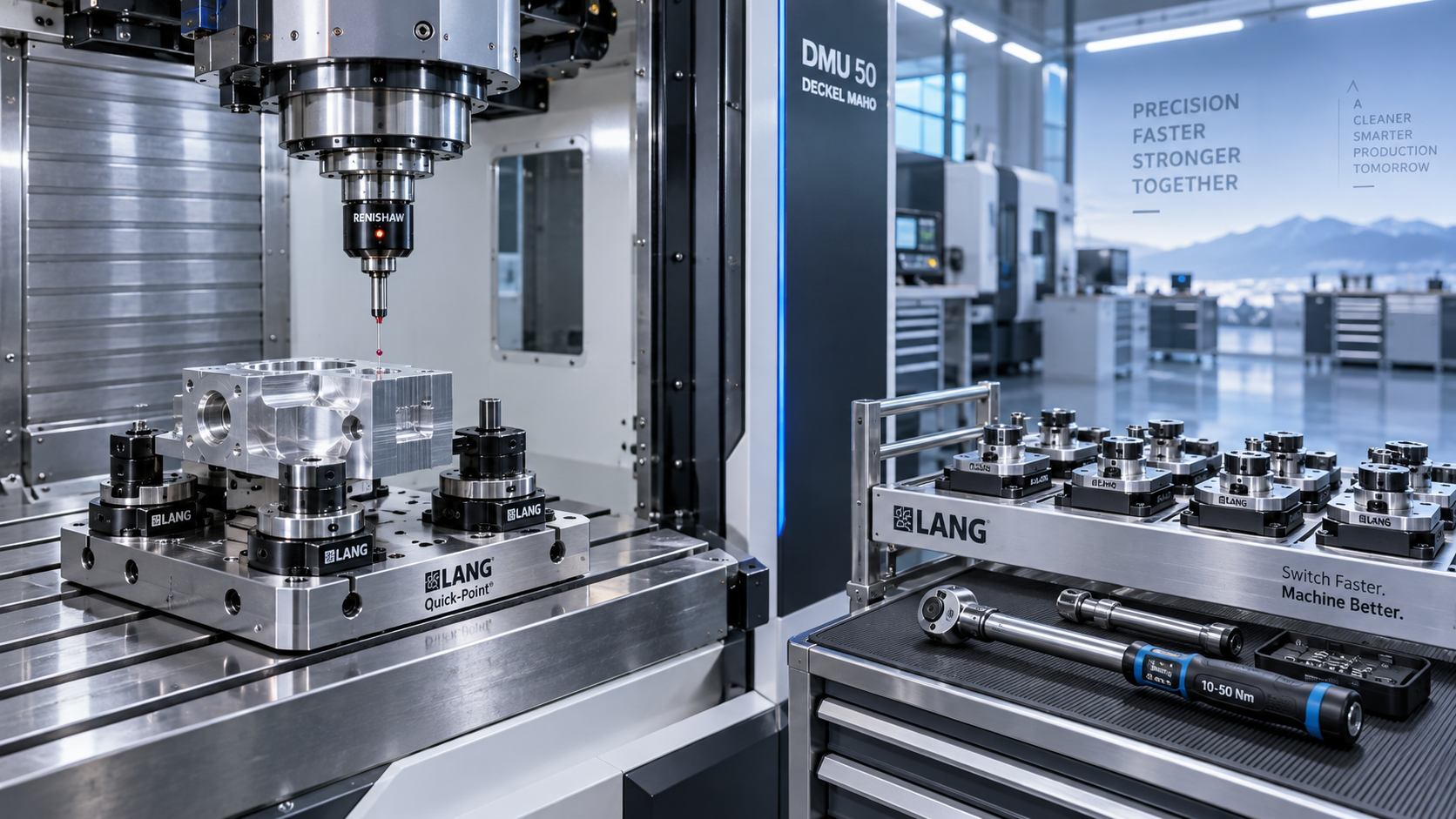
 Zero-Point Clamping or Modular Fixtures? Choosing a Faster CNC Changeover SystemCNC Machining Technology Center
 How to Cut CNC Fixture Changeover Time Without Sacrificing Part AccuracyCNC Machining Technology Center
 When Does CNC Turning Pay Off? A Break-Even Guide by Annual Part VolumeMachine Tool Industry Editorial Team
 Machine Tool Standards by Country: What Importers Must Verify Before PurchaseManufacturing Policy Research Center
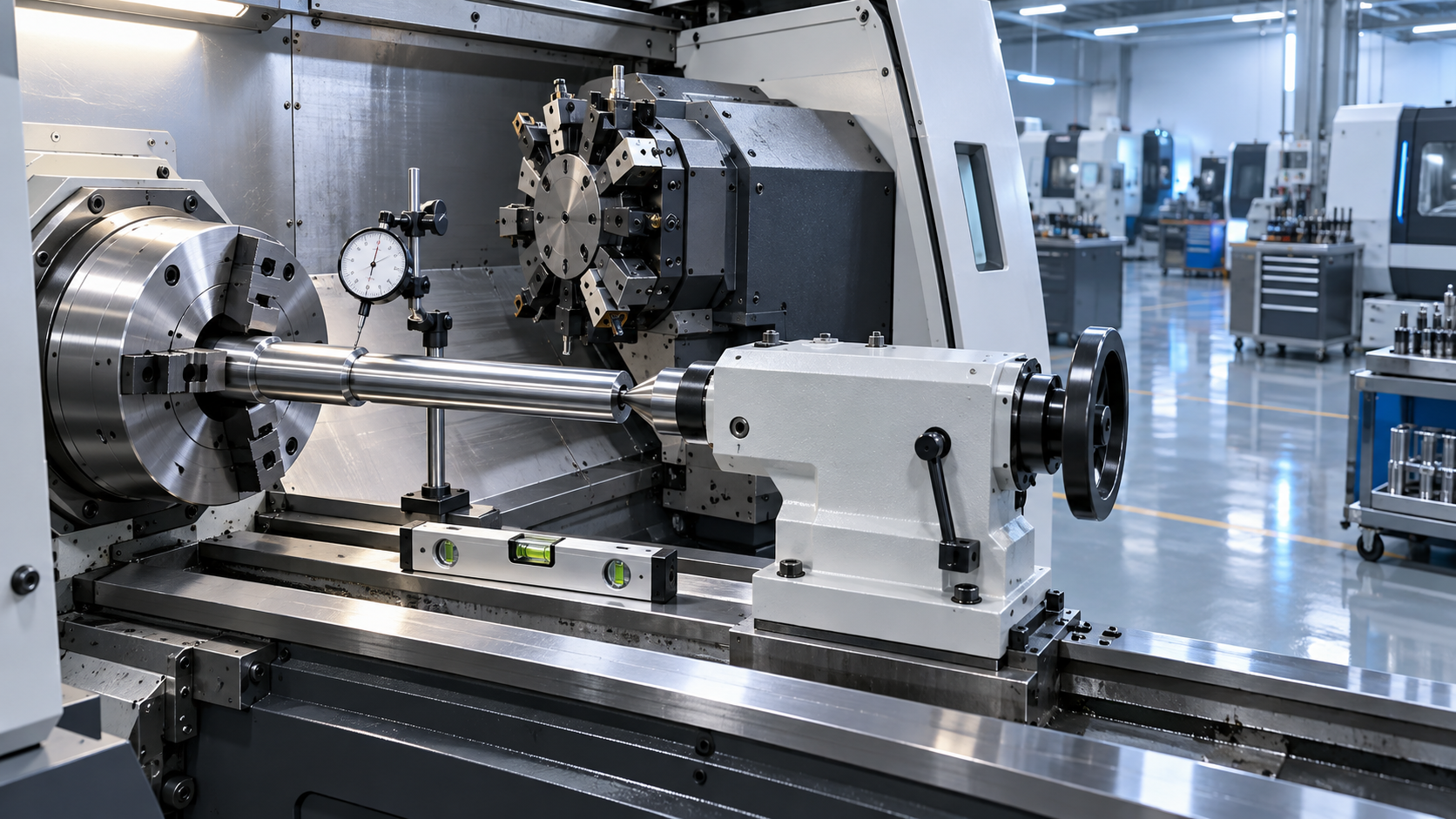
 CNC Lathe Quick Installation Guide: Alignment Checks Before First Production RunCNC Machining Technology Center
 How to Select a CNC Lathe for Small Parts Without Sacrificing Accuracy or Cycle TimeCNC Machining Technology Center

Aris Katos
Future of Carbide Coatings
15+ years in precision manufacturing systems. Specialized in high-speed milling and aerospace grade alloy processing.
▶
Smart Manufacturing for Small Businesses: Where Automation Delivers the Fastest ROIMachine Tool Industry Editorial Team▶
How Smart Manufacturing Technology Improves OEE Across Industry 4.0 Production LinesMachine Tool Industry Editorial Team▶
How to Evaluate an Automation Line for Electronics Production Before InvestmentMachine Tool Industry Editorial Team▶
How to Evaluate an Automated Production Line for Output, Flexibility, and ROIMachine Tool Industry Editorial Team▶
How Smart Manufacturing Improves Traceability and Quality Control in Aerospace?Machine Tool Industry Editorial Team
Mastering 5-Axis Workholding Strategies
Join our technical panel on Nov 15th to learn about reducing vibrations in thin-wall components.

Providing you with integrated sanding solutions
Before-sales and after-sales services
Comprehensive technical support