• Global CNC market projected to reach $128B by 2028 • New EU trade regulations for precision tooling components • Aerospace deman
NYSE: CNC +1.2%LME: STEEL -0.4%

Best Machine Tool for Electronics Manufacturing: Precision, Speed, and Cleanroom Factors

Choosing the best machine tool for electronics manufacturing means evaluating more than accuracy alone. Electronics production depends on micron-level control, rapid cycle times, stable automation, and contamination-safe operation.
A suitable machine platform can reduce scrap, protect fragile substrates, and support consistent throughput across changing product designs. It also helps align precision machining with smart factory and clean production goals.
What makes a machine tool for electronics manufacturing different from standard industrial equipment?
A machine tool for electronics manufacturing is designed for miniature parts, delicate materials, and strict repeatability. Standard heavy-duty machines often prioritize metal removal power over vibration control and environmental cleanliness.
Electronics components usually involve thin walls, small connectors, heat-sensitive housings, and precision cavities. These features demand smooth spindle behavior, precise thermal management, and stable axis positioning.
Many electronics applications also require compatibility with aluminum alloys, copper, engineering plastics, ceramics, graphite, and composite materials. The machine must switch between materials without compromising tolerance or surface integrity.
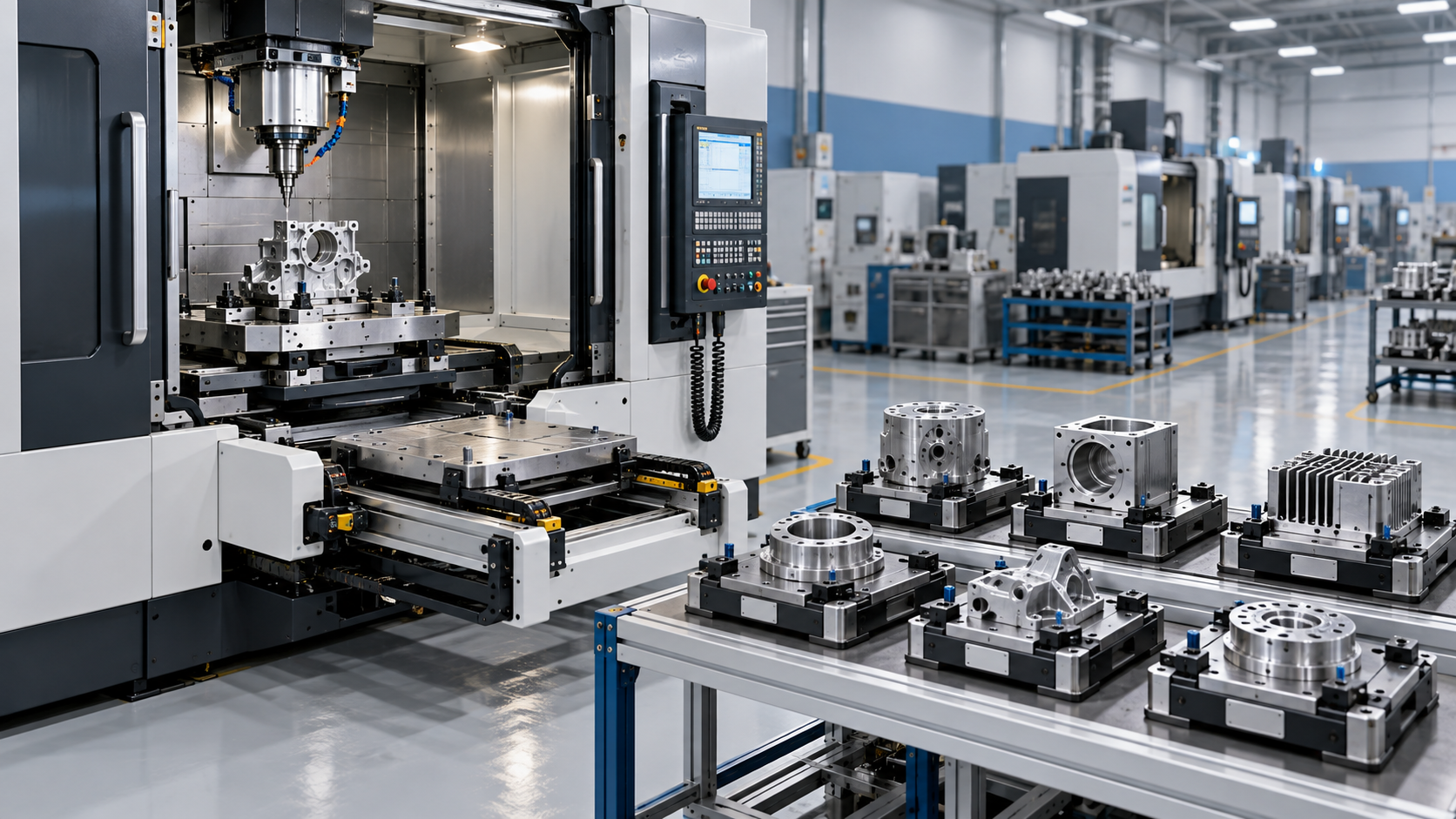
Another difference is process integration. A modern machine tool for electronics manufacturing often connects with robots, vision systems, MES software, in-line inspection, and palletized loading systems.
- Higher demand for micron-level repeatability
- Lower tolerance for dust, burrs, and oil mist
- Faster model changes and shorter production runs
- Greater need for automation and traceability
How important are precision and repeatability in electronics production?
Precision is central because many electronic products rely on compact assemblies. Small dimensional errors can affect connector fit, shielding performance, heat dissipation, or final product alignment.
Repeatability matters just as much as one-time accuracy. A machine tool for electronics manufacturing must hold stable results across long shifts, multiple batches, and changing ambient temperatures.
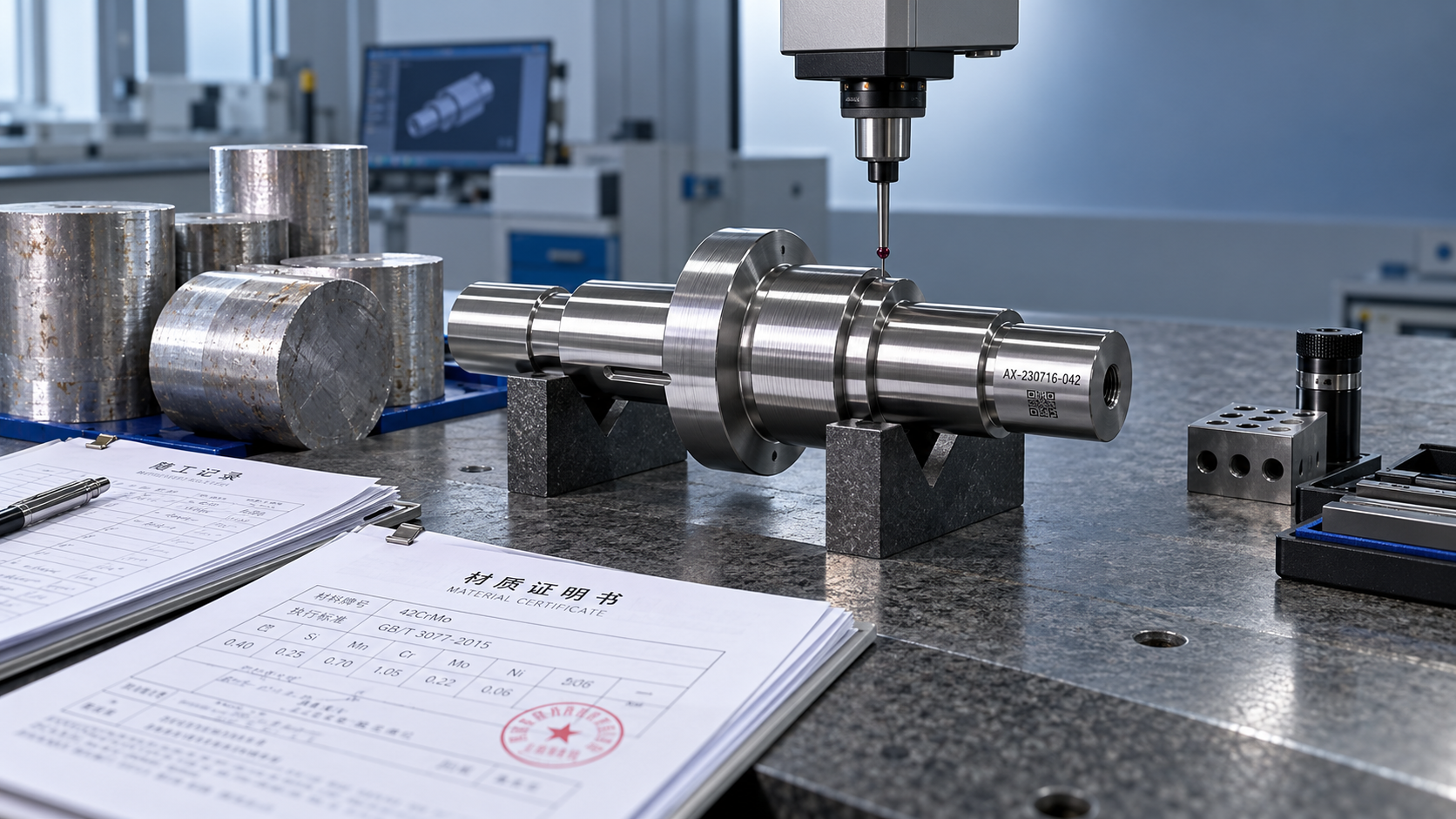
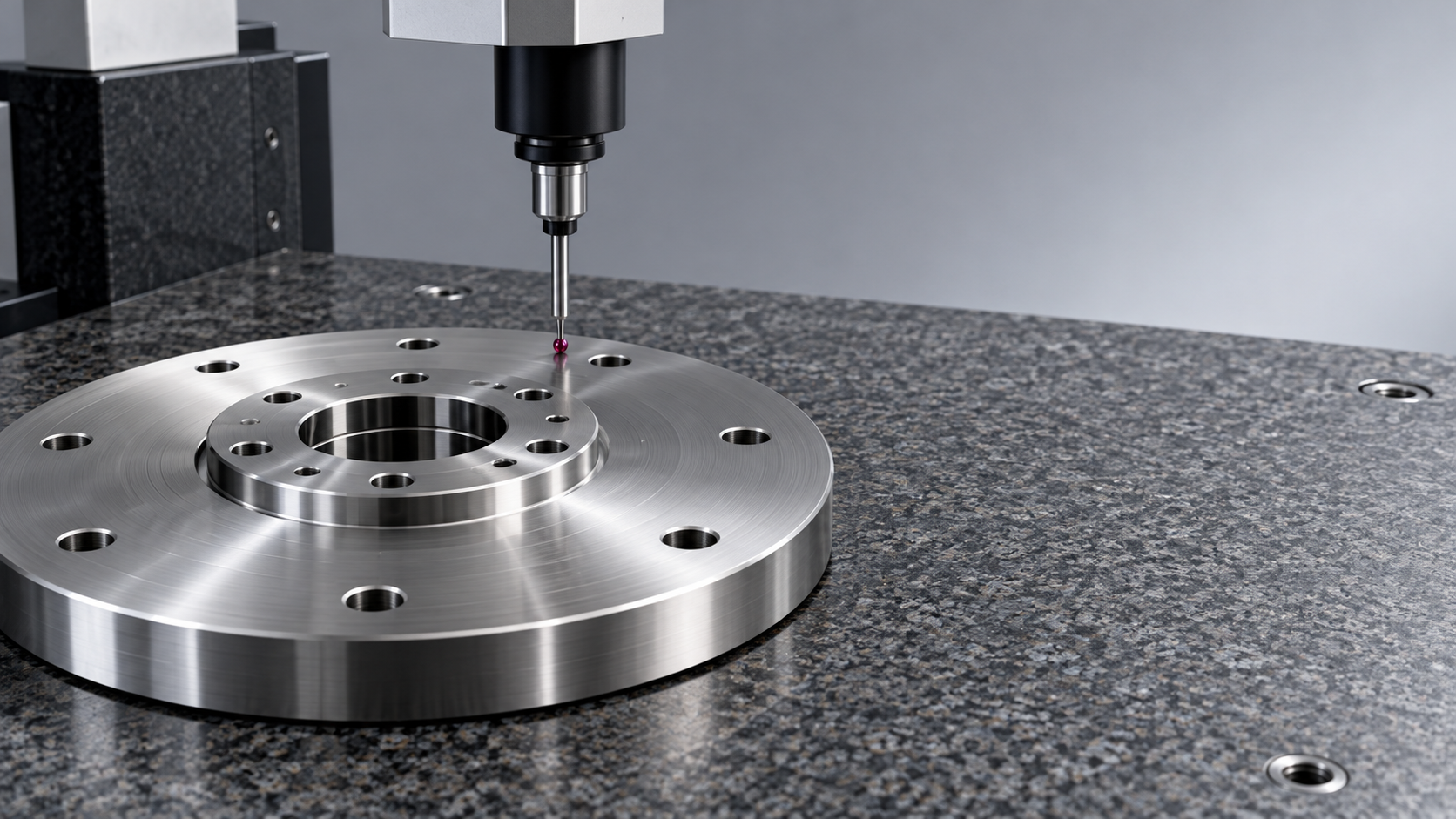
Critical indicators usually include positioning accuracy, repeatability, spindle runout, thermal drift, and machine vibration. Surface finish quality is equally important for parts used in sensors, enclosures, and precision interfaces.
For example, smartphone frames, battery tray parts, RF shielding elements, and semiconductor support fixtures all require different tolerance profiles. The wrong machine may meet dimensions initially but fail over production time.
Key precision checkpoints
- Thermal compensation during long operation
- Low-vibration spindle for micro features
- Rigid structure for thin-wall machining
- Tool path consistency in high-speed cycles
When comparing equipment, test sample data is more useful than nominal brochure numbers. Real-world capability should be verified on the target material, geometry, and batch size.
Which machine tool types are commonly used in electronics manufacturing?
The best machine tool for electronics manufacturing depends on the component type. No single machine covers every electronics production task efficiently.
CNC machining centers are widely used for housings, frames, brackets, and precision metal parts. High-speed vertical machining centers are common for aluminum and magnesium alloy structural components.
CNC lathes support small shafts, pins, threaded connectors, and rotational parts. Multi-axis systems are valuable when compact components need several surfaces finished in one setup.
Micro-machining equipment is often selected for miniature features, sensor parts, and precision tooling. For ceramic or brittle materials, specialized spindles and process controls become necessary.
Selection should match part complexity, material, tolerance, takt time, and future automation plans. Flexibility matters because electronics products change quickly.
Why do speed and throughput matter when choosing a machine tool for electronics manufacturing?
Electronics markets often face short product cycles and fast demand swings. A machine tool for electronics manufacturing must support rapid throughput without sacrificing dimensional consistency.
High spindle speed alone does not guarantee productivity. Tool change time, acceleration, workholding design, automation compatibility, and software optimization also shape actual output.
Machines that reduce setup changes can improve total equipment efficiency. Multi-face machining, pallet systems, and robotic part handling help maintain stable production under high-volume conditions.
Throughput also relates to tool life and maintenance intervals. Unplanned downtime can erase the value of fast cycle times, especially in synchronized production lines.
Useful speed evaluation questions
- Can the machine maintain accuracy at peak speed?
- Does it support automatic loading and unloading?
- How long are setup and fixture changes?
- What is the real uptime under production conditions?
How do cleanroom and contamination factors affect machine tool selection?
Cleanliness is a major decision point in electronics production. Dust, chips, oil mist, and coolant residue can damage sensitive assemblies or increase downstream cleaning requirements.
A cleanroom-friendly machine tool for electronics manufacturing should minimize airborne particles, fluid leaks, and difficult-to-clean surfaces. Enclosure sealing and chip evacuation design are especially important.
Some operations occur outside strict cleanrooms, while others are near contamination-controlled spaces. The closer the machine is to sensitive assembly, the more important emissions control becomes.
Lubrication systems, vacuum extraction, mist collectors, and dry machining capability can all affect cleanliness. Material type also changes risk, since graphite and brittle materials generate challenging debris.
- Check oil mist and particle containment performance
- Review enclosure access for fast sanitation
- Confirm coolant management and leakage control
- Evaluate compatibility with local clean production standards
Ignoring contamination control can create hidden costs. These include failed inspections, extra washing steps, product damage, and unstable yields in later assembly stages.
What common mistakes appear during evaluation and implementation?
A frequent mistake is buying based only on advertised precision. The best machine tool for electronics manufacturing must perform well across actual materials, operators, and production durations.
Another error is underestimating tooling, fixturing, and software integration. A high-grade machine cannot reach target output if clamping, programming, or tool monitoring is weak.
Some projects overlook maintenance access and spare parts support. In electronics manufacturing, delayed recovery from breakdowns can disrupt entire connected lines.
Energy use, compressed air demand, and floor environment should also be checked early. These factors influence total operating cost and installation readiness.
How should the final decision be made?
The right machine tool for electronics manufacturing should fit product geometry, tolerance targets, clean production requirements, and automation strategy at the same time.
Start with a clear process map. Define materials, annual volume, required surface quality, inspection standards, and contamination limits before comparing machine options.
Then validate with sample machining, cycle analysis, and maintenance review. Digital connectivity, service availability, and upgrade flexibility should be included in the final scoring model.
In modern industry, the best solution is rarely the cheapest unit price. It is the system that delivers stable yield, predictable uptime, and room for future product changes.
If a new project is under review, compare each machine tool for electronics manufacturing against precision stability, throughput, contamination control, and integration readiness. That approach supports a practical and durable investment decision.
Recommended for You
![]() Mitsubishi Electric Announces Physical AI System Linking Humanoid Robots and CNC MachinesMachine Tool Industry Editorial Team
Mitsubishi Electric Announces Physical AI System Linking Humanoid Robots and CNC MachinesMachine Tool Industry Editorial Team Precision Machining for Defense: Supplier Quality and Traceability ChecksManufacturing Market Research Center
![]() Nidec Machine Tool Launches MVR-5X Five-Axis Gantry MachineMachine Tool Industry Editorial Team
Nidec Machine Tool Launches MVR-5X Five-Axis Gantry MachineMachine Tool Industry Editorial Team Choosing a Precision Disc Parts Manufacturer in China: Tolerances and Quality ChecksManufacturing Market Research Center
![]() Siemens Executive Says AI Could Raise Factory Automation to 80%Manufacturing Market Research Center
Siemens Executive Says AI Could Raise Factory Automation to 80%Manufacturing Market Research Center Choosing Automated Machine Tools for High-Mix, Low-Volume ProductionMachine Tool Industry Editorial Team

Aris Katos
Future of Carbide Coatings
15+ years in precision manufacturing systems. Specialized in high-speed milling and aerospace grade alloy processing.
▶
Mitsubishi Electric Announces Physical AI System Linking Humanoid Robots and CNC MachinesMachine Tool Industry Editorial Team▶
Japan Adds 5-Axis CNC Gear Grinders to Export ControlsMachine Tool Industry Editorial Team▶
How to Choose CNC Industrial Machines for High-Mix Production LinesMachine Tool Industry Editorial Team▶
US Opens 337 Probe Into Chinese CNC CentersMachine Tool Industry Editorial Team▶
US Tightens Export Controls on CNC Motion ModulesMachine Tool Industry Editorial Team
▶
Mastering 5-Axis Workholding Strategies
Join our technical panel on Nov 15th to learn about reducing vibrations in thin-wall components.

Providing you with integrated sanding solutions
Before-sales and after-sales services
Comprehensive technical support