• Global CNC market projected to reach $128B by 2028 • New EU trade regulations for precision tooling components • Aerospace deman
NYSE: CNC +1.2%LME: STEEL -0.4%

US Tightens Export Controls on CNC Motion Modules

On July 1, 2026, a new U.S. export control requirement took effect for certain CNC machining center motion control modules used in high-end equipment. According to the event summary provided, the U.S. Department of Commerce’s Bureau of Industry and Security (BIS) added five categories of dedicated modules supporting at least 7-axis synchronous interpolation and positioning accuracy of 0.5 μm or better to the EAR control list under ECCN 2B001.b.2, making licenses required for exports to China. For machine tool exporters, overseas OEM projects, procurement teams, and compliance functions, this is worth close attention because the rule change reaches beyond a single component and may affect equipment configuration, delivery planning, and cross-border cooperation arrangements.
What the Federal Notice Changed
The confirmed facts are limited but clear. BIS issued a federal notice on June 30, 2026, identified as FR Doc 2026-14203. Based on the provided summary, the notice places five categories of CNC machining center dedicated motion control modules under EAR control classification ECCN 2B001.b.2. The covered modules are described as supporting 7-axis or greater synchronous interpolation and positioning accuracy of 0.5 μm or less. From July 1, 2026, exports of these items to China require a license. The same summary states that the adjustment directly affects exports of high-end domestically produced machining centers and overseas OEM cooperation.
Where the Pressure May Appear in the Business Chain
High-end machine tool export programs may face a new control checkpoint
For companies exporting CNC machining centers or integrating controlled modules into complete machines, the main issue is that a core control component is now subject to a licensing requirement for exports to China. Analysis shows that this may shift attention from the finished machine alone to the compliance status of embedded control architecture, technical specifications, and export documentation. What deserves closer attention is whether project teams, sales teams, and export compliance staff are aligned on the module classification and on the licensing implications for deliveries already in preparation.
Overseas OEM cooperation may need specification and supply-chain review
For businesses involved in overseas OEM cooperation, the rule change matters because motion control modules are not peripheral parts; they are tied to machine capability, axis coordination, and positioning performance. From an industry perspective, OEM arrangements may need a closer review of parts lists, sourcing structure, technical responsibility boundaries, and delivery commitments where the covered module types are involved. The practical concern is less about broad market commentary and more about whether cooperation models rely on components now subject to licensing for exports to China.
Procurement and delivery teams may need tighter document matching
Procurement functions, supply-chain coordinators, and delivery managers may also be affected where purchase plans or cross-border shipments involve the listed module categories. Observably, the change raises the importance of matching technical parameters, product descriptions, and shipment documents with the control scope described in the event summary. In operational terms, companies may need to pay closer attention to specification sheets, configuration records, and contract documentation that identify whether a covered control module is part of the order or the machine build.
What Companies Should Watch Now
Check whether controlled parameters appear in product and bid files
Analysis shows that one immediate task is to review technical files for references to at least 7-axis synchronous interpolation and positioning accuracy of 0.5 μm or less. If those parameters are part of product descriptions, tender materials, or configuration schedules for CNC machining centers, they may become central to internal compliance review. This is not yet proof of a final business outcome, but it is a practical screening point based on the provided rule summary.
Track licensing implications in active export and OEM workflows
What deserves closer attention is the timing: the licensing requirement applies from July 1, 2026. For companies with ongoing export transactions or OEM cooperation involving China, the relevant question is whether current workflows already include the covered modules and whether shipment, acceptance, or handover plans depend on them. Because the provided information does not include detailed implementation guidance, companies should treat this as a compliance review trigger rather than assume a uniform enforcement result across all transactions.
Prepare for closer review of technical and trade documentation
From an industry perspective, teams handling trade execution should be prepared for closer scrutiny of technical descriptions, module identification, and related commercial documents. This may include internal checks on configuration records, purchase documents, and export paperwork. The point is not that every project will immediately face the same obstacle, but that the control status of the relevant module category now carries direct compliance weight for exports to China.
Continue monitoring official wording and execution practice
Observably, the current summary confirms the rule change and its effective date, but it does not provide full detail on implementation practice, review standards, or how market participants may adjust contracts and technical packages. For that reason, companies should continue monitoring official wording, subsequent compliance interpretations, and any changes in how specifications are referenced in tender or procurement documents tied to high-end machining centers.
How This Change Is Best Understood at This Stage
Analysis shows that this development is better understood as an already effective rule change with immediate compliance significance, rather than as a policy discussion still waiting for formal landing. At the same time, it is also a signal that the practical market impact will depend on how licensing, product classification, technical documentation, and OEM execution are handled in real transactions. From an industry perspective, the most important point is not to overstate outcomes, but to recognize that the control boundary has moved closer to core motion control capability in advanced CNC equipment.
A Measured Reading for the Market
This event points to a concrete tightening in export control treatment for specific CNC machining center control modules and deserves attention from exporters, procurement teams, and companies involved in overseas OEM cooperation. It is more appropriate to understand this as a rule change that has already taken effect, while many of its business consequences still need to be observed through licensing practice, contract execution, documentation review, and industry feedback. A cautious reading is warranted: the change is real, but the full operational impact will become clearer only as companies work through compliance and delivery decisions.
Basis of This Article
This article is generated from the user-provided news title, event date, and event summary. The summary states that BIS issued a federal notice on June 30, 2026, under FR Doc 2026-14203, added five categories of dedicated motion control modules for CNC machining centers to ECCN 2B001.b.2, and required licenses for exports to China from July 1, 2026. For this type of event, relevant source categories usually include official notices, releases from regulatory authorities, trade administration information, industry association updates, standards-related materials, and reporting by authoritative media. A specific official source link was not provided in the input, so continued verification is still necessary. What remains to be monitored includes detailed implementation language, compliance interpretation, tender document changes, market feedback, and how affected companies handle execution in practice.
PREVIOUS ARTICLE
NEXT ARTICLE
Recommended for You
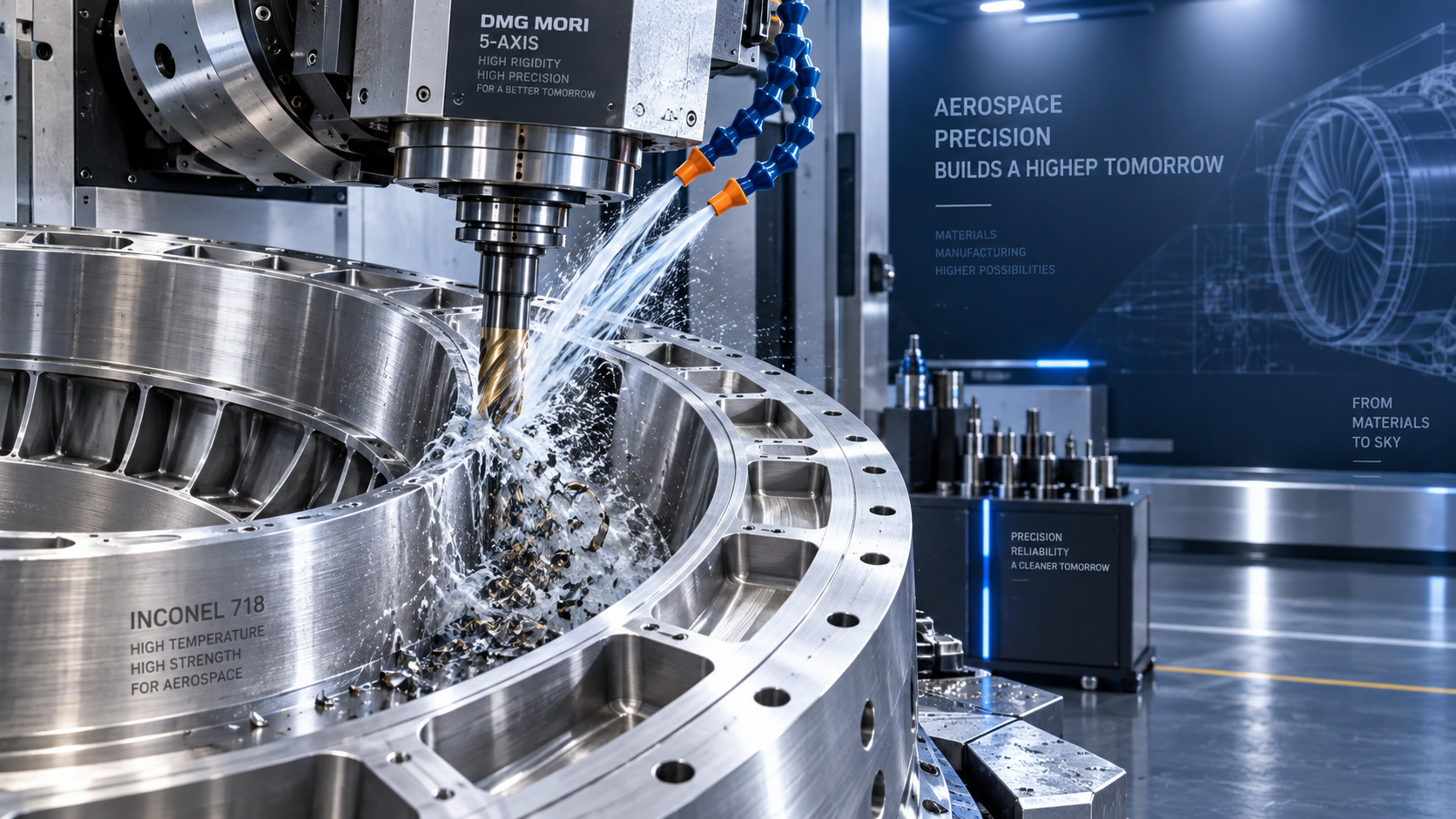
 Can CNC Machining Inconel Control Tool Wear in High-Temperature Aerospace Parts?CNC Machining Technology Center
 Machine Tool Market Outlook: Demand Drivers, Capacity Shifts, and Investment RisksManufacturing Market Research Center
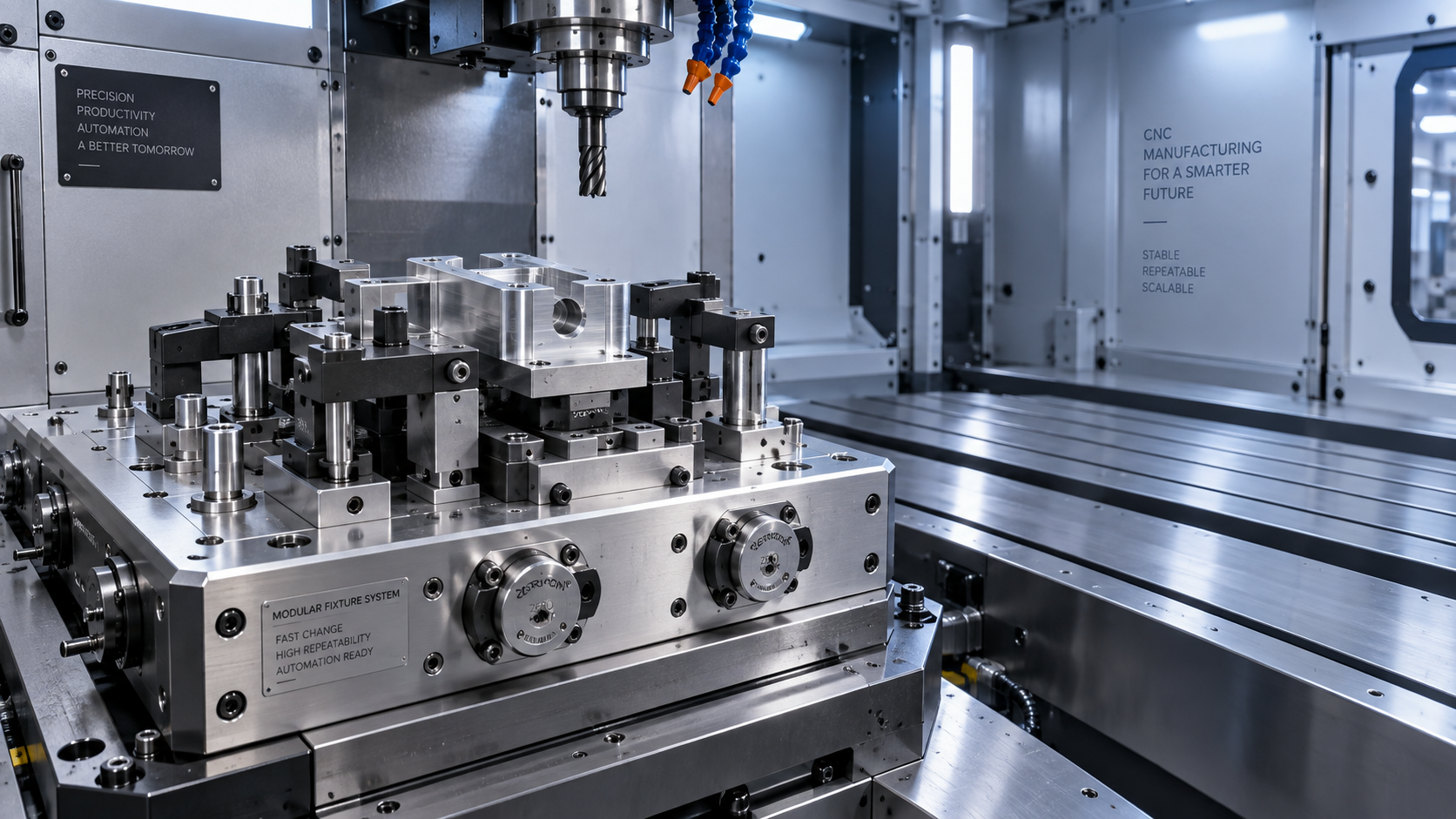
 Zero-Point Clamping or Modular Fixtures? Choosing a Faster CNC Changeover SystemCNC Machining Technology Center
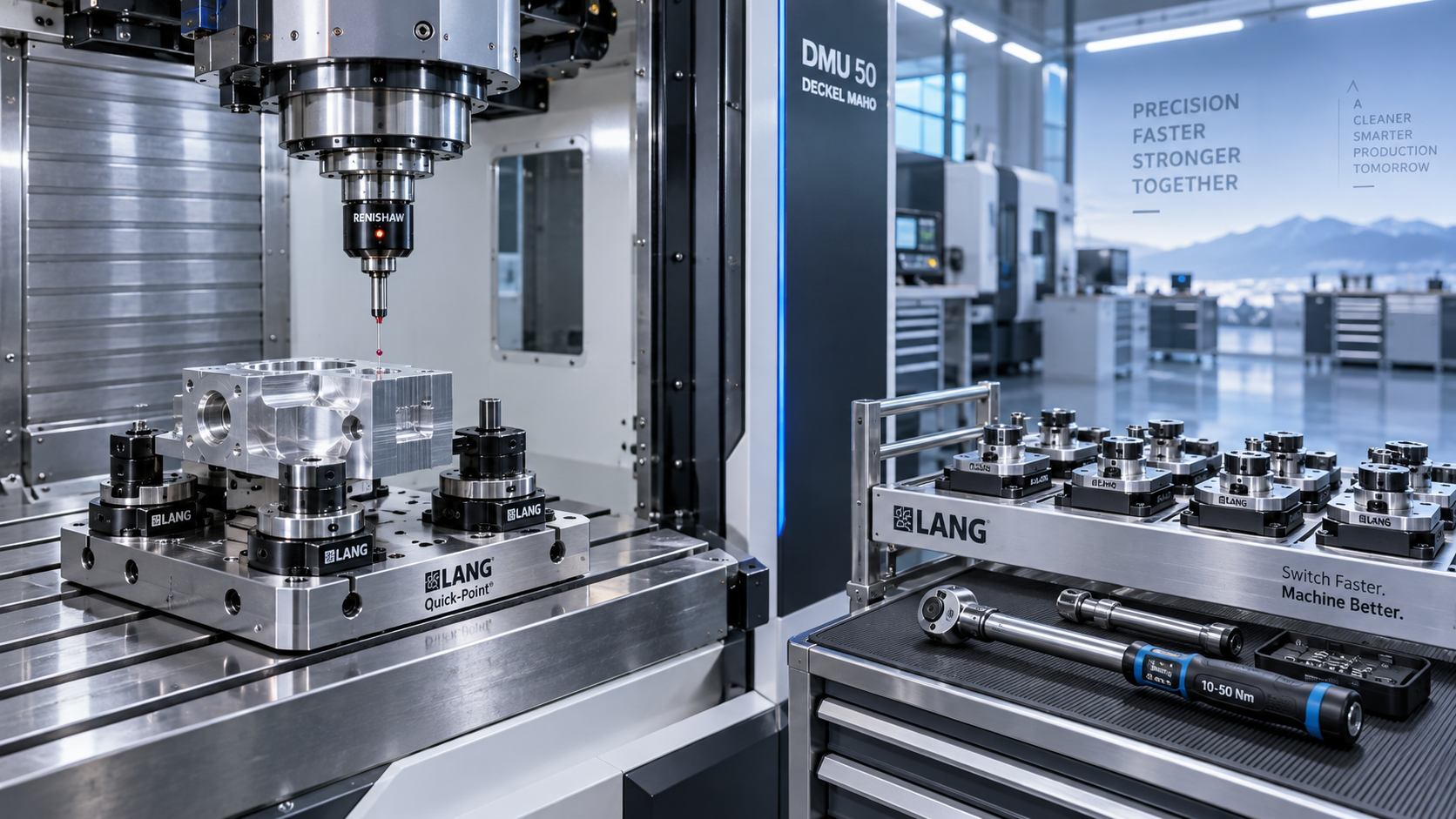
 How to Cut CNC Fixture Changeover Time Without Sacrificing Part AccuracyCNC Machining Technology Center
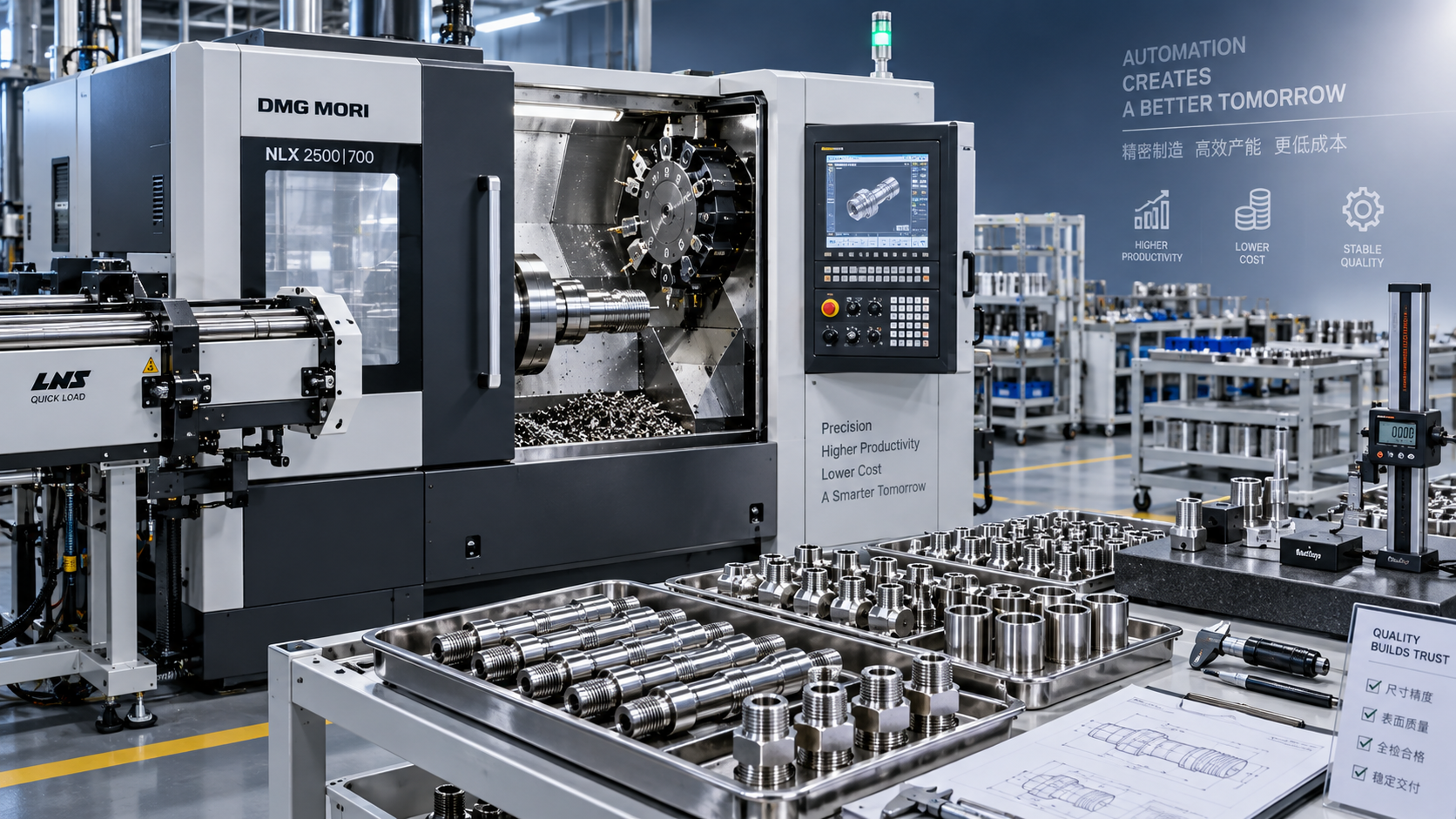
 When Does CNC Turning Pay Off? A Break-Even Guide by Annual Part VolumeMachine Tool Industry Editorial Team
 Machine Tool Standards by Country: What Importers Must Verify Before PurchaseManufacturing Policy Research Center


Aris Katos
Future of Carbide Coatings
15+ years in precision manufacturing systems. Specialized in high-speed milling and aerospace grade alloy processing.
▶
Japan Adds 5-Axis CNC Gear Grinders to Export ControlsMachine Tool Industry Editorial Team▶
How to Choose CNC Industrial Machines for High-Mix Production LinesMachine Tool Industry Editorial Team▶
US Opens 337 Probe Into Chinese CNC CentersMachine Tool Industry Editorial Team▶
US Tightens Export Controls on CNC Motion ModulesMachine Tool Industry Editorial Team▶
US Tightens CNC Export Controls on China SupplyMachine Tool Industry Editorial Team
Mastering 5-Axis Workholding Strategies
Join our technical panel on Nov 15th to learn about reducing vibrations in thin-wall components.

Providing you with integrated sanding solutions
Before-sales and after-sales services
Comprehensive technical support