• Global CNC market projected to reach $128B by 2028 • New EU trade regulations for precision tooling components • Aerospace deman
NYSE: CNC +1.2%LME: STEEL -0.4%

How to Choose CNC Industrial Machines for High-Mix Production Lines
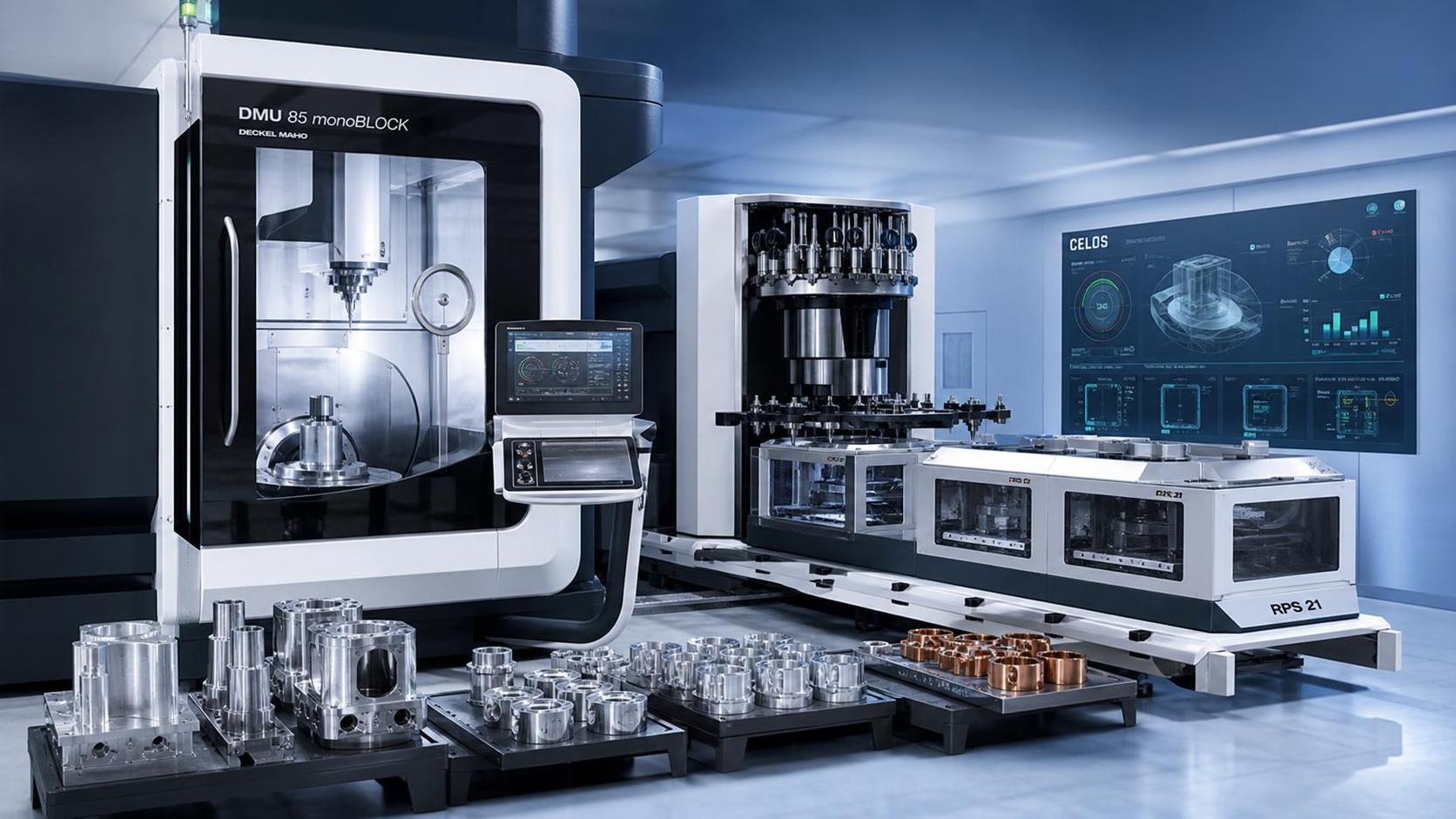
Choosing CNC industrial machines for high-mix production lines is no longer a narrow equipment decision. It shapes lead times, part quality, scheduling flexibility, and the ability to absorb changing demand without constant process disruption.
In sectors ranging from automotive and aerospace to energy equipment and electronics, product variation is rising faster than batch stability. That shift puts more pressure on machine selection than on simple nameplate capacity.
The most effective buying decisions usually come from matching machine capability to part families, setup frequency, automation plans, and digital integration requirements. Price matters, but poor fit often costs more than a higher initial investment.
Why high-mix production changes the buying logic
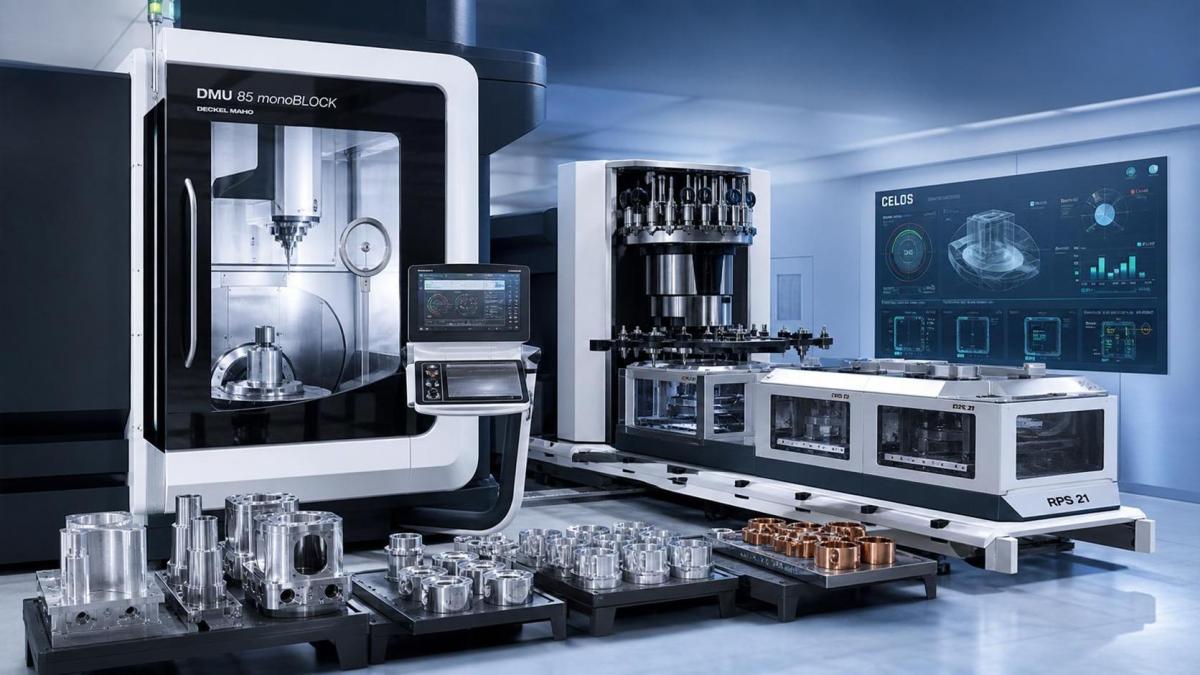
A high-mix line produces many part types with shorter runs. The challenge is not only machining accuracy. It is the speed of switching between jobs while keeping output predictable.
Traditional selection often favors maximum throughput on a limited part range. That works in stable mass production. It becomes less useful when the line must handle varied geometries, materials, and tolerance requirements.
For that reason, CNC industrial machines in flexible environments must be judged by changeover efficiency, programming adaptability, tooling strategy, and compatibility with upstream and downstream automation.
This is also why global machine tool development is moving toward precision, automation, and digital integration. Flexible production lines now depend on machines that can operate as connected assets, not isolated equipment.
What matters more than machine type alone
Buyers often start with categories such as CNC lathes, vertical machining centers, horizontal machining centers, or multi-axis systems. That is useful, but it is only the beginning.
The better question is how each option handles the real mix of parts. A machine that looks oversized on paper may be the right choice if it eliminates multiple secondary operations.
Likewise, a lower-cost machine may create hidden losses if it requires repeated manual intervention, longer setup, or frequent fixture changes for similar parts.
Core decision factors
Matching CNC industrial machines to part families
The strongest selections usually come from grouping production by part family instead of by department tradition. Shaft parts, disc components, housings, and structural parts rarely create the same equipment demands.
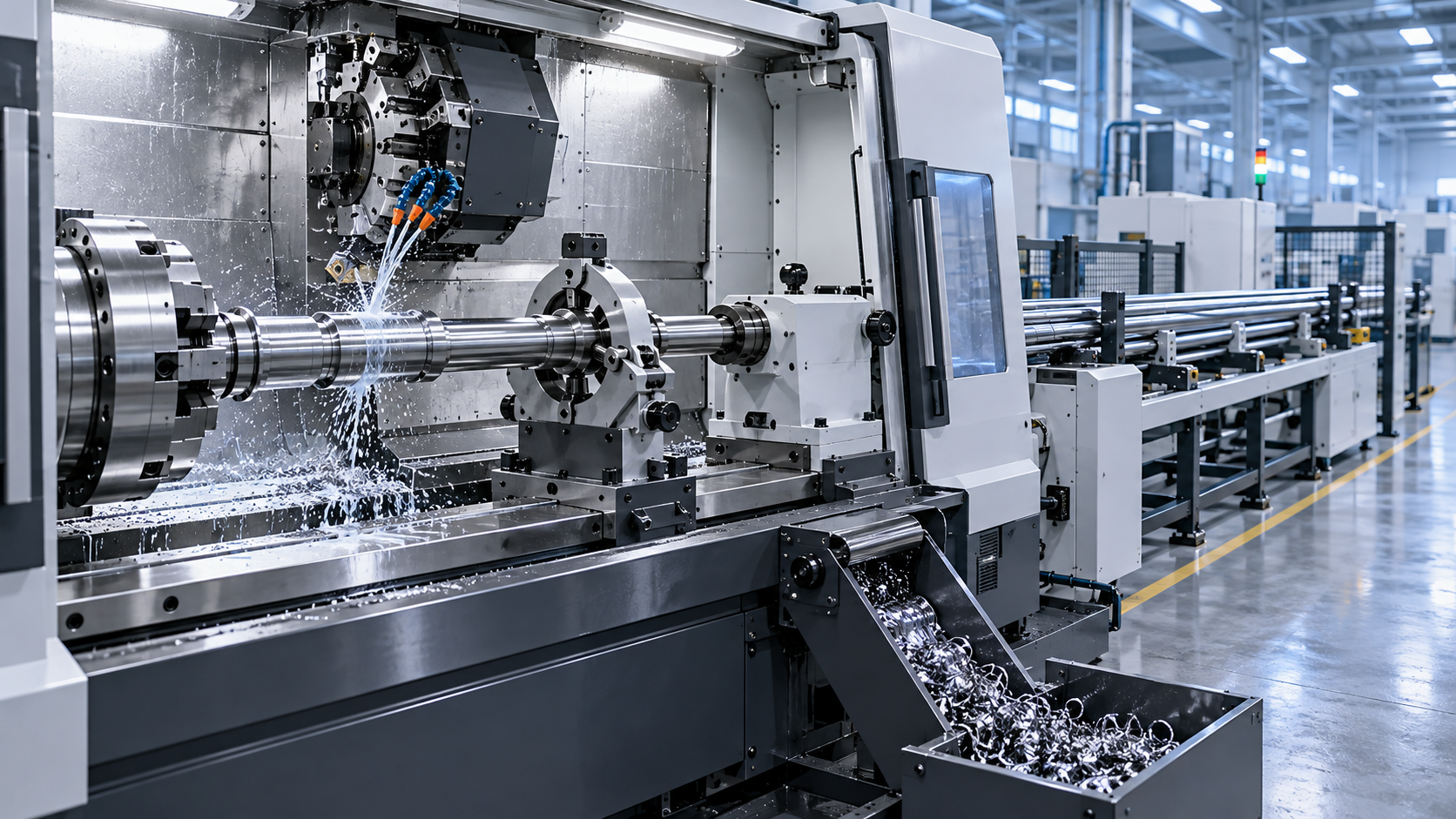
For rotational parts with recurring dimensional variation, CNC lathes with live tooling may reduce handling and simplify process flow. For prismatic parts, machining centers often offer better flexibility across multiple jobs.
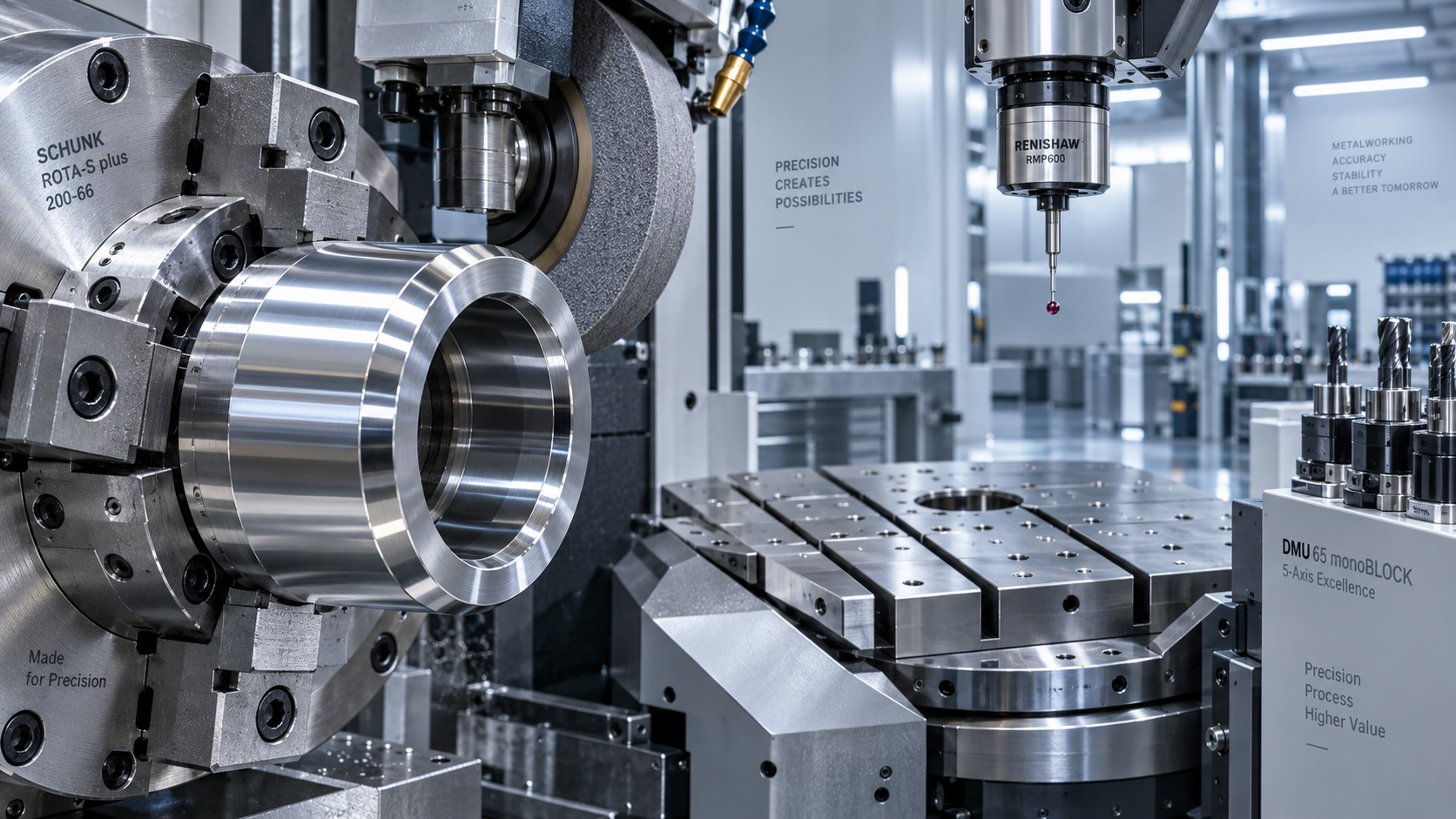
When part geometry is complex and tolerances are tight, multi-axis CNC industrial machines can shorten process chains. The key benefit is often fewer repositioning errors rather than faster cutting alone.
Fixture strategy should be reviewed at the same time. A machine is only as flexible as the workholding system that supports it during repeated product changeovers.
Useful part-family questions
- How many setups are required per part today?
- Which dimensions drive scrap risk after changeovers?
- Can one platform cover several similar parts with shared tooling?
- Where do fixture swaps create delays or quality drift?
- Which parts are likely to expand in future demand?
Automation and software are now part of the machine decision
In high-mix environments, machine performance cannot be separated from automation and software. A fast spindle has limited value if programs, offsets, and tool data are difficult to manage across frequent changeovers.
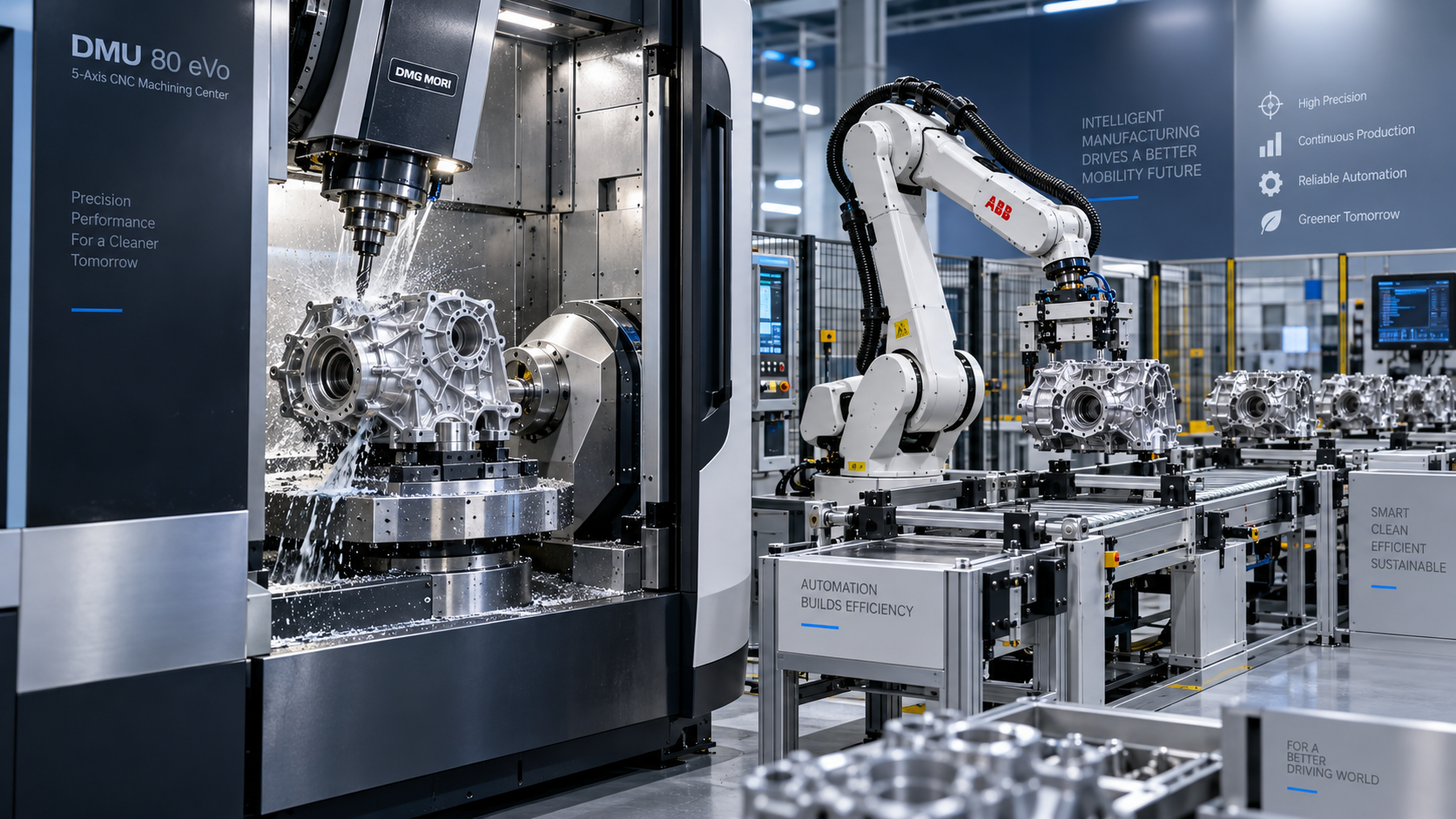
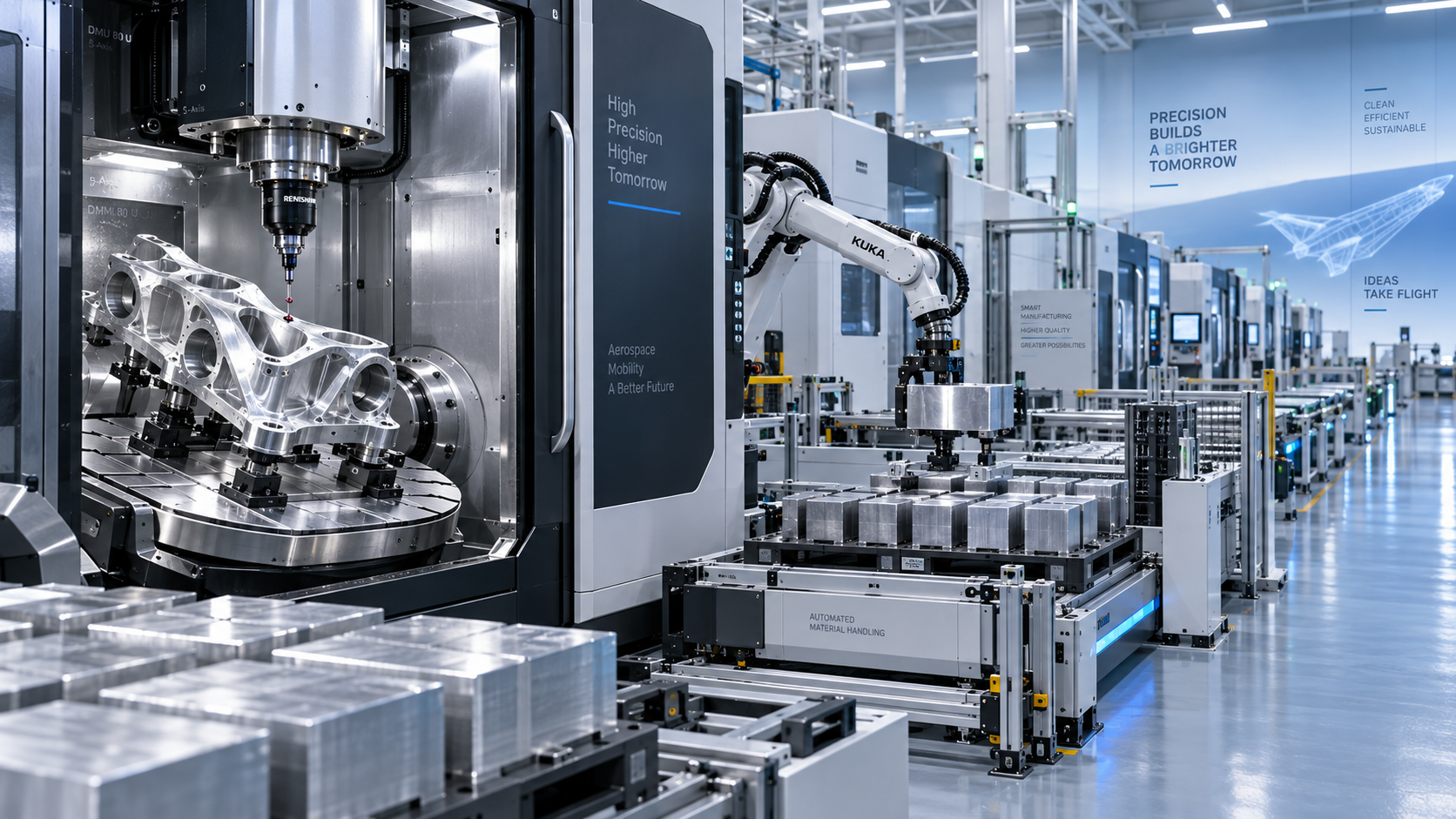
That is why many buyers now evaluate CNC industrial machines together with pallet changers, robotic loading, in-process probing, tool life monitoring, and centralized program control.
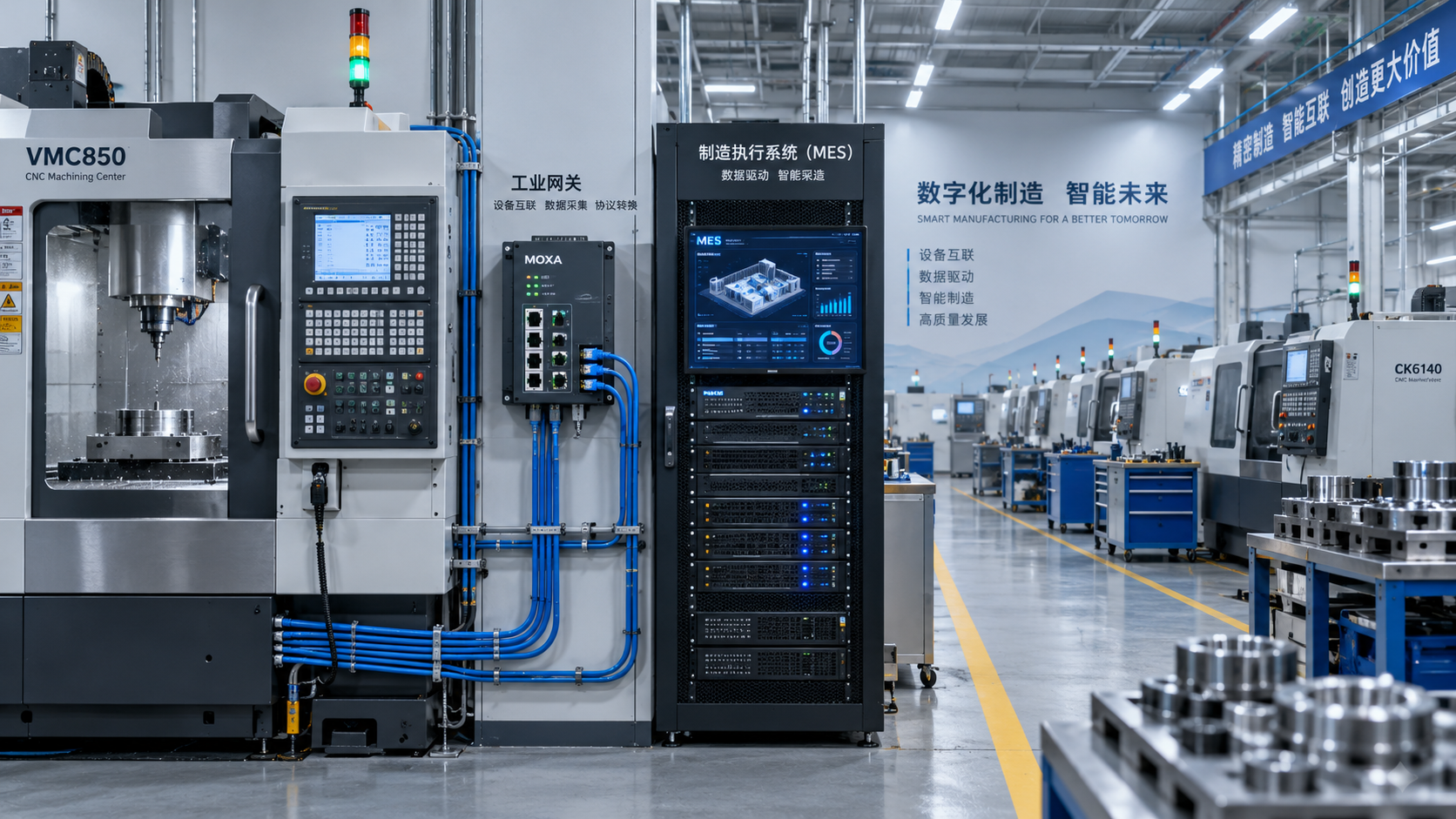
This matters even more in smart factory projects. Equipment that connects cleanly with MES, ERP, or quality systems is easier to schedule, trace, and maintain across diverse production orders.
Countries with strong machine tool clusters, including China, Germany, Japan, and South Korea, continue to compete heavily in this area. The real comparison is no longer hardware alone.
Signals of practical automation readiness
- Standard interfaces for robots, pallets, and data exchange
- Stable repeatability after unattended restart
- Clear alarm history and remote diagnostic tools
- Tool management features that support mixed jobs
- Operator workflow designed for short setup windows
Cost control should focus on the full operating picture
Initial machine price is visible. The larger costs often appear later through lost capacity, unstable quality, tooling waste, and delays caused by complex setup sequences.
For CNC industrial machines used in high-mix lines, total cost should include programming time, training demand, fixture investment, spare parts exposure, and service response reliability.
A machine with stronger software support and better probing can lower non-cutting time enough to outweigh a higher capital cost. That is especially true where product variation is constant.
It also helps to compare the cost of process fragmentation. If one machine platform reduces transfers between stations, the savings may show up in labor, inspection, and scheduling stability.
A practical evaluation path before committing
Shortlists become more reliable when built around actual production data. Historical drawings, setup records, scrap trends, and tooling changes often reveal more than vendor brochures.
A structured review can keep the decision grounded:
- Map current and expected part families over the next three to five years.
- Rank jobs by complexity, setup burden, and margin sensitivity.
- Test whether candidate CNC industrial machines can consolidate operations.
- Review automation interfaces and data connectivity before price negotiation.
- Check local service depth, not only global brand reputation.
- Run total cost comparisons using realistic utilization assumptions.
Where possible, sample parts or process simulations should be reviewed with both production and quality criteria in mind. Cycle time alone is too narrow for a mixed-product environment.
What a sound next step looks like
The best choice in CNC industrial machines usually comes from a clear internal benchmark: part mix, changeover target, automation roadmap, and expected digital integration level.
Once those conditions are defined, equipment comparisons become sharper and less vulnerable to surface-level claims. That is when machine specifications start to translate into business value.
In practice, the next move is to build an evaluation matrix around actual parts, not generic capacity numbers. That approach makes it easier to compare suppliers, identify risk, and justify the investment with confidence.
PREVIOUS ARTICLE
Recommended for You
 Digital Manufacturing for Smart Factories: Connecting Legacy Machines to MESMachine Tool Industry Editorial Team
 How to Select a CNC Metal Lathe for Tight-Tolerance Shaft and Sleeve PartsCNC Machining Technology Center
 How to Select an Industrial Lathe for High-Volume Shaft ProductionMachine Tool Industry Editorial Team
 Selecting Machine Tools for Automotive Parts: Accuracy, Throughput, and AutomationMachine Tool Industry Editorial Team
 Industrial Machining: Selecting Processes for Tight-Tolerance Metal PartsCNC Machining Technology Center
 Manufacturing Technology Trends That Improve Throughput and Quality ControlManufacturing Market Research Center

Aris Katos
Future of Carbide Coatings
15+ years in precision manufacturing systems. Specialized in high-speed milling and aerospace grade alloy processing.
▶
Japan Adds 5-Axis CNC Gear Grinders to Export ControlsMachine Tool Industry Editorial Team▶
How to Choose CNC Industrial Machines for High-Mix Production LinesMachine Tool Industry Editorial Team▶
US Opens 337 Probe Into Chinese CNC CentersMachine Tool Industry Editorial Team▶
US Tightens Export Controls on CNC Motion ModulesMachine Tool Industry Editorial Team▶
US Tightens CNC Export Controls on China SupplyMachine Tool Industry Editorial Team
Mastering 5-Axis Workholding Strategies
Join our technical panel on Nov 15th to learn about reducing vibrations in thin-wall components.

Providing you with integrated sanding solutions
Before-sales and after-sales services
Comprehensive technical support