• Global CNC market projected to reach $128B by 2028 • New EU trade regulations for precision tooling components • Aerospace deman
NYSE: CNC +1.2%LME: STEEL -0.4%

What Does Precision CNC Mean for High-Tolerance Parts?
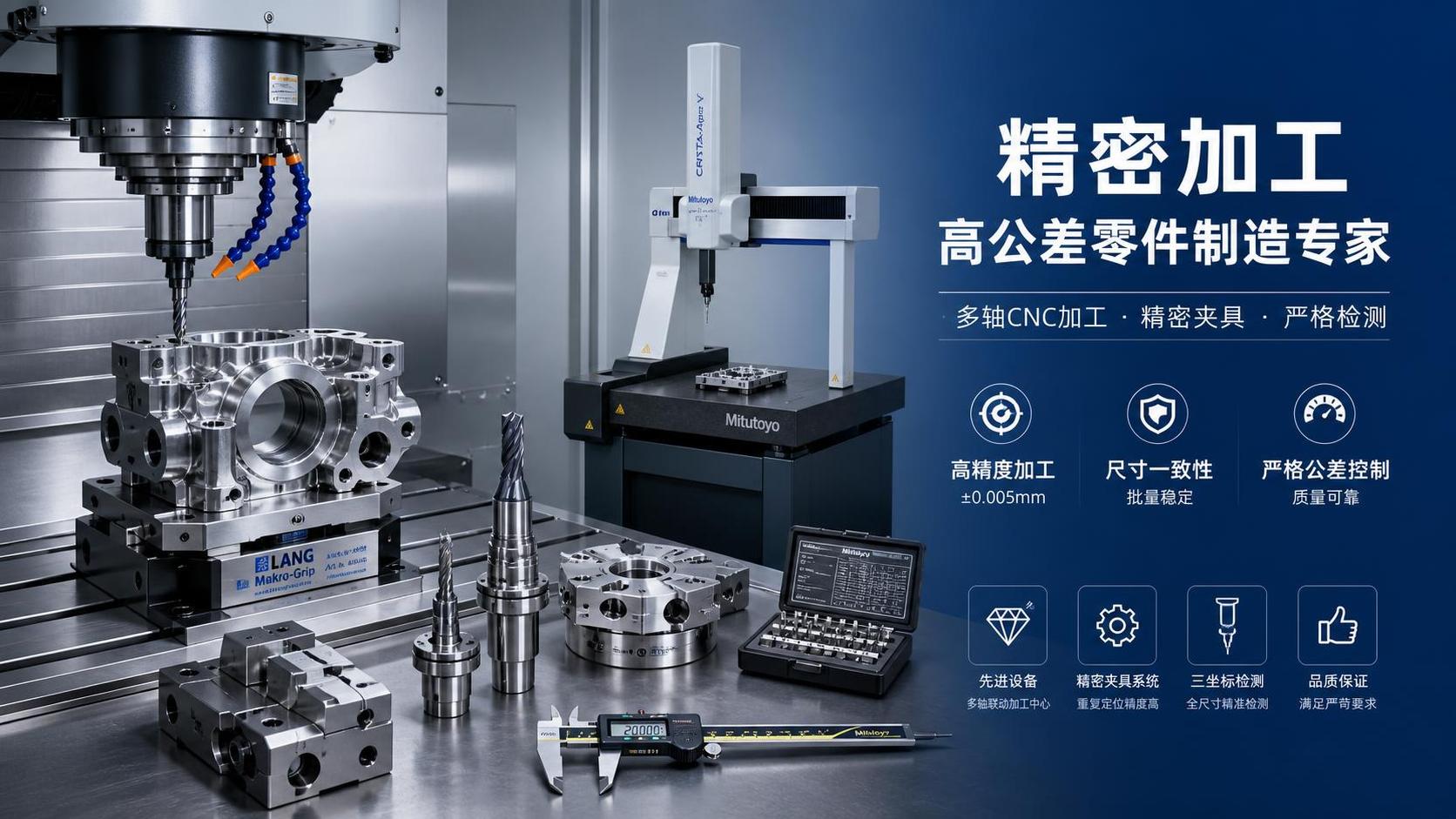
What Precision CNC Really Means When Tolerance Is Tight
Precision CNC plays a critical role in producing high-tolerance parts that demand consistency, accuracy, and repeatability across modern manufacturing applications. From aerospace and automotive components to electronics and energy equipment, precision CNC machining helps manufacturers achieve tighter dimensional control and more complex designs with greater efficiency. For readers researching advanced machining solutions, understanding what precision CNC means is the first step toward evaluating quality, capability, and production value.
In practice, “precision CNC” is not just a label for better machines. It usually points to a full manufacturing approach: stable equipment, controlled tooling, reliable fixturing, disciplined process planning, and inspection that can catch variation before it becomes scrap. High-tolerance parts are not made accurate by one feature alone. They are the result of several decisions working together, often across machining, setup, measurement, and post-processing.
Why high-tolerance parts are harder than they look
A part can look simple on a drawing and still be difficult to machine. Tight tolerance does not only mean a smaller number on the print. It means the manufacturer has less room for tool wear, thermal growth, vibration, clamping error, and inspection drift. A shaft, disc, or structural block may need to hold size, roundness, concentricity, flatness, and surface finish at the same time. Once one requirement changes, the rest can move with it.
That is why precision CNC matters most when the part function depends on fit and repeatability. In automotive assemblies, a small deviation may affect bearing preload or sealing. In aerospace, the issue may be alignment, weight control, or long-term reliability under stress. In electronics, the challenge can be even more unforgiving because compact parts often leave little room for error during assembly.
The real question is not “Can a machine cut metal?” but “Can the whole process hold tolerance over the full order, not just on the first piece?” That distinction is where many sourcing decisions succeed or fail.
What precision CNC usually includes
The CNC machine tool industry is a fundamental pillar of modern manufacturing because it supports high-precision and high-efficiency automated production. As industrial automation and smart manufacturing continue to develop, CNC machines, precision machine tools, and automated production lines have become standard equipment in many sectors. This is especially true in automotive manufacturing, aerospace, energy equipment, and electronics production, where consistent output matters as much as cutting speed.
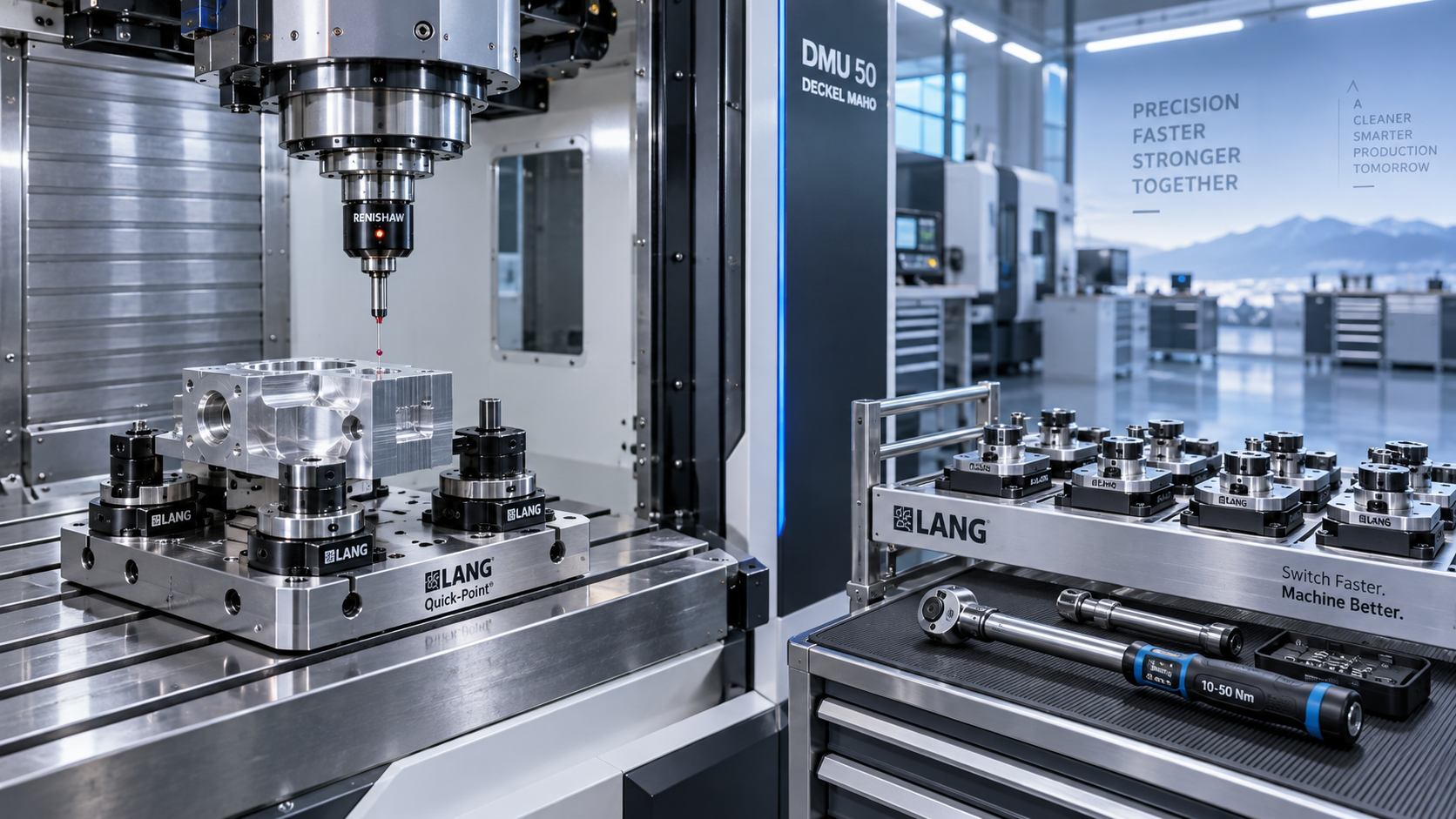
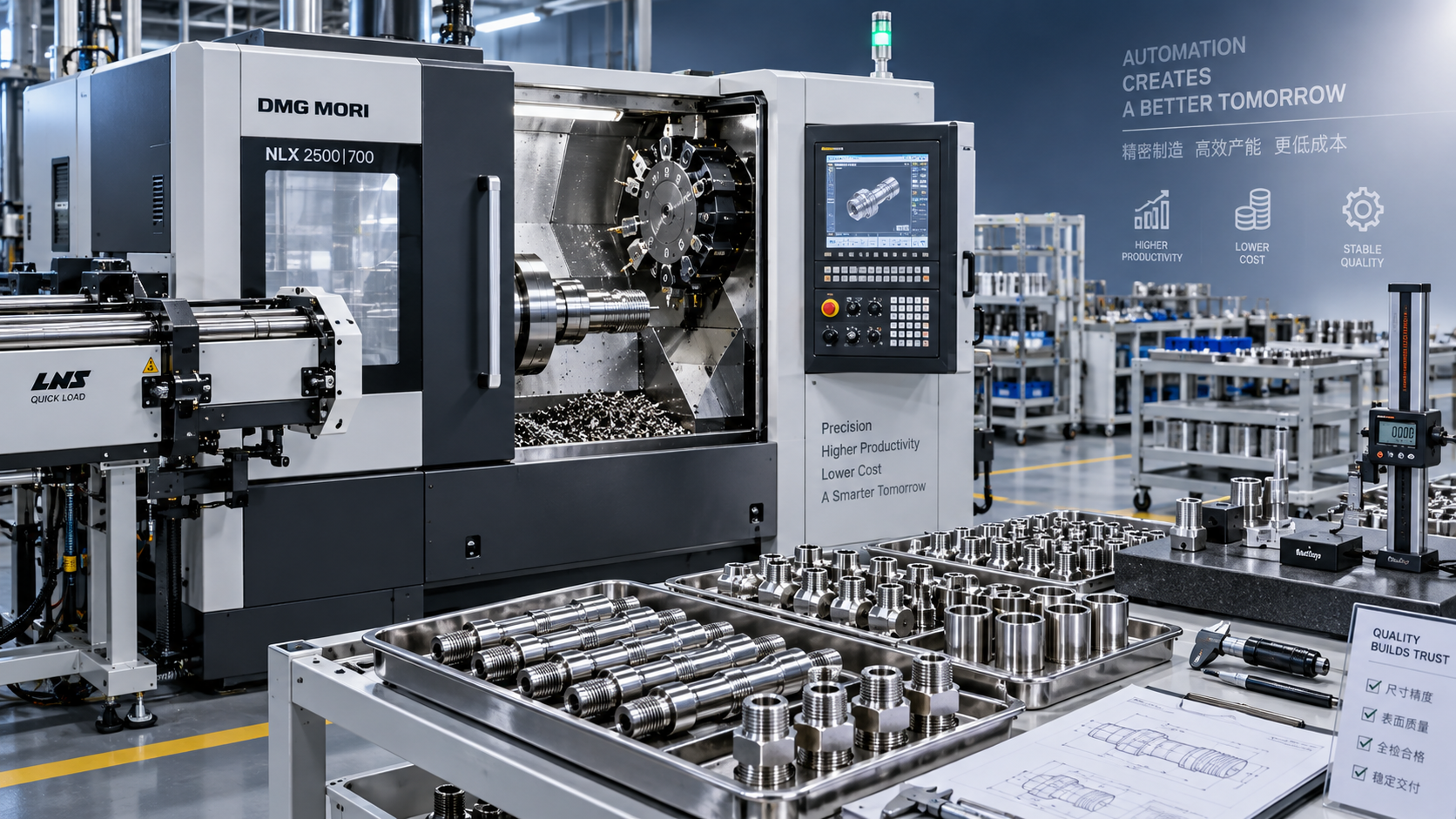
In a technical sense, precision CNC may involve CNC lathes, machining centers, or multi-axis machining systems. These platforms are used to produce complex shaft components, precision discs, and high-accuracy structural parts. But the machine itself is only part of the story. Cutting tools, fixtures, probing systems, coolant control, and even part loading methods all affect whether the final part stays within tolerance.
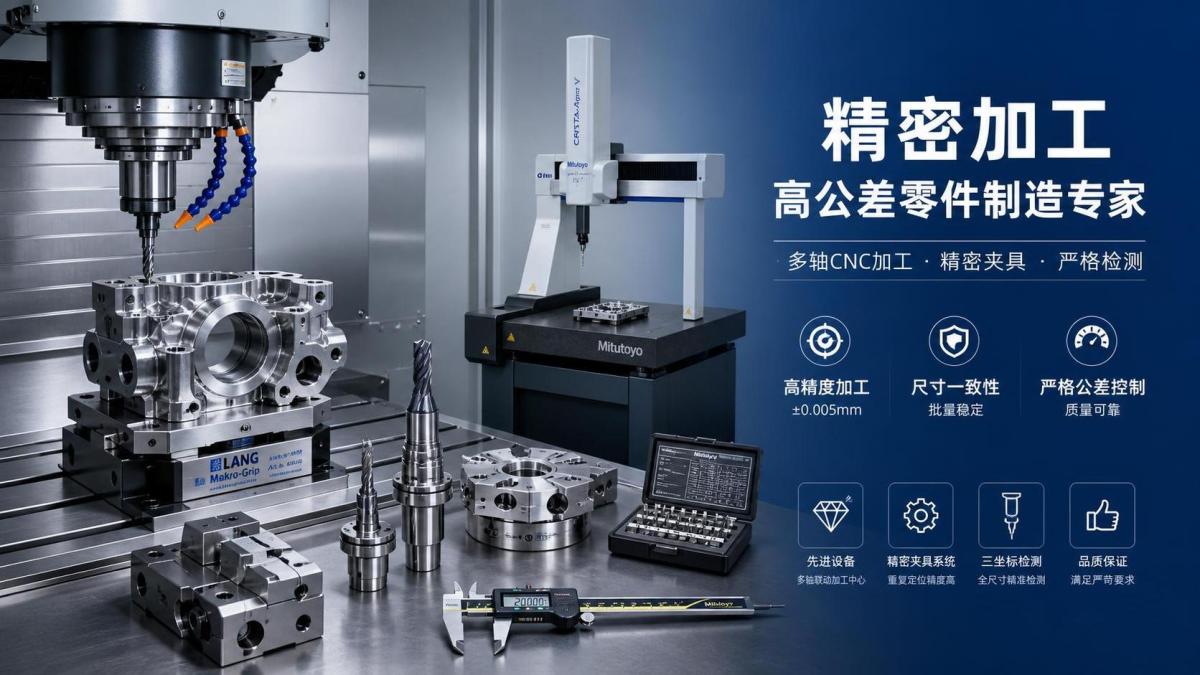
For high-tolerance work, the setup often matters more than the headline machine specification. A capable five-axis machine can still miss the target if the fixture introduces distortion or the tool path creates heat in the wrong area. On the other hand, a well-controlled three-axis process can sometimes outperform a more advanced machine on a specific part family because the workflow is more stable.
The hidden variables that affect tolerance
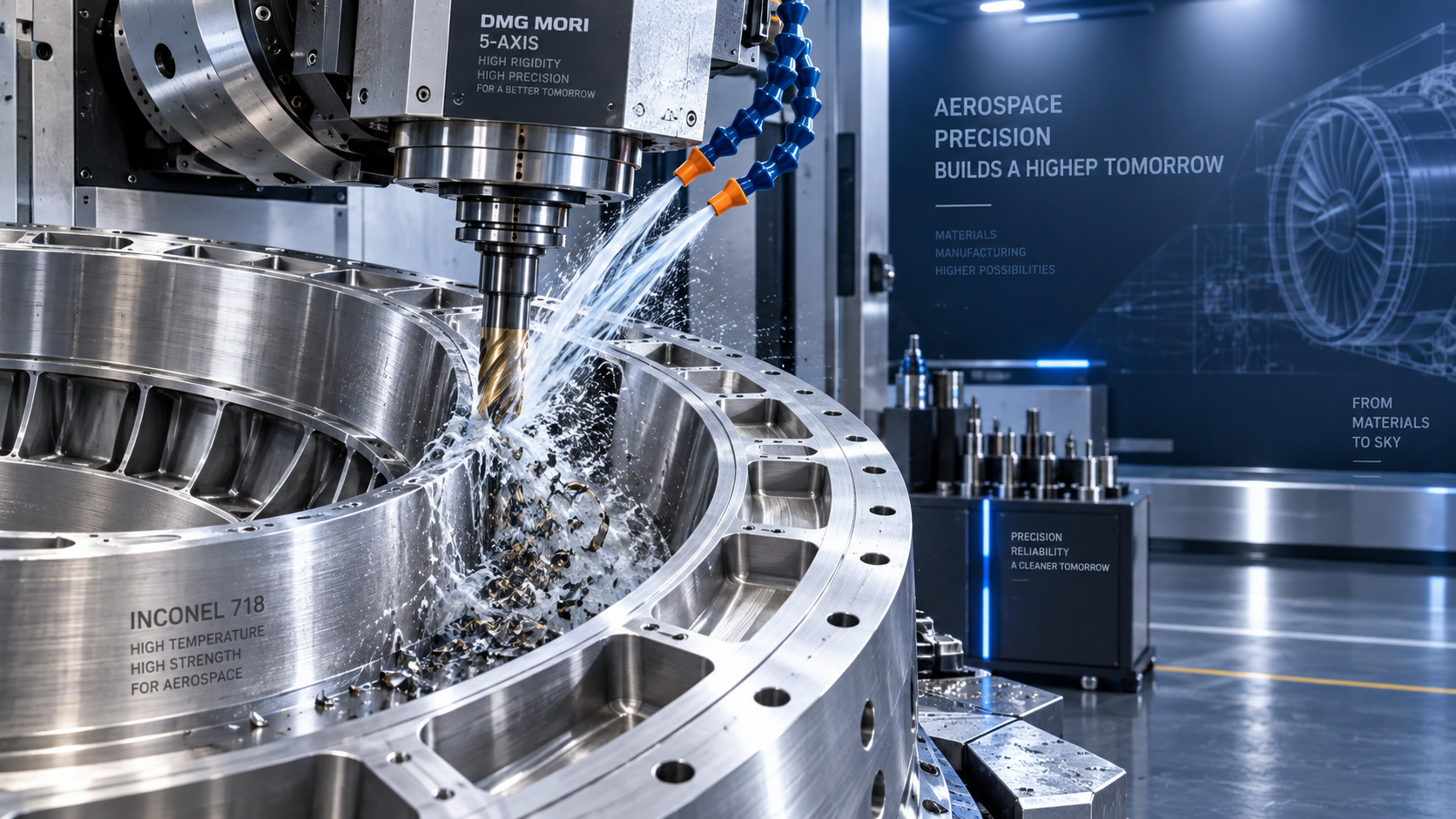
Many buyers focus on positional accuracy, spindle speed, or axis count, but tolerance performance depends on less visible factors too. Tool deflection is one. When a cutter is too long or the material is difficult to machine, the tool can bend slightly under load, and that small movement may be enough to push the part out of spec.
Thermal stability is another. As machines run, temperature changes can affect both the machine structure and the workpiece. In long production runs, this is often where the first drift appears. Shops that machine tight-tolerance parts usually pay close attention to warm-up routines, shop temperature, spindle load, and whether the material needs time to stabilize before final finishing.
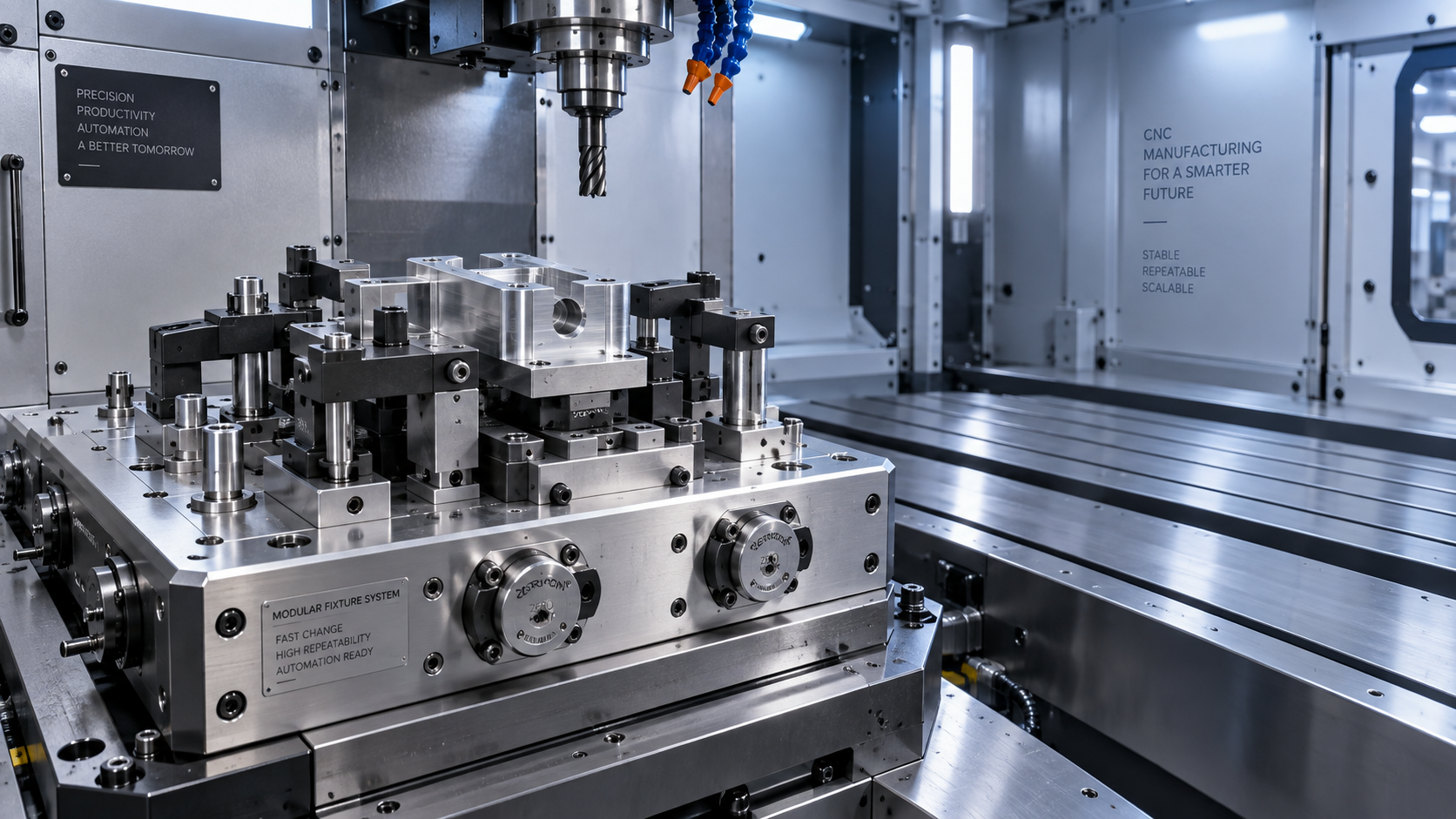
Fixture design also deserves more attention than it gets. A part can be held securely and still be distorted by clamping pressure. That is especially common with thin walls, aluminum housings, and ring-shaped parts. In those cases, a fixture that is “stronger” is not necessarily better. The better fixture is the one that holds the part without changing the geometry the customer actually cares about.
Inspection is the last piece, but not the least important one. If the measurement method is not matched to the tolerance requirement, the shop may think it has control when it does not. For some parts, a simple caliper reading is enough. For others, CMM inspection, gauge R&R thinking, or in-process probing becomes necessary. This is not overengineering; it is how manufacturers avoid shipping parts that “look fine” but fail in assembly.
Where precision CNC adds the most value
Precision CNC is most useful when design complexity and repeatability collide. Multi-axis systems can reduce re-clamping, which lowers cumulative error. That matters for parts with multiple faces, off-center features, or compound angles. It also helps when the design calls for tighter alignment between several machined surfaces.
For production teams, the real benefit is often not just tighter tolerance but better process consistency. Once a stable CNC program, fixture, and inspection method are in place, repeat orders become easier to manage. That is one reason precision CNC is widely used in global manufacturing clusters, where suppliers are expected to deliver both quality and continuity across batches.
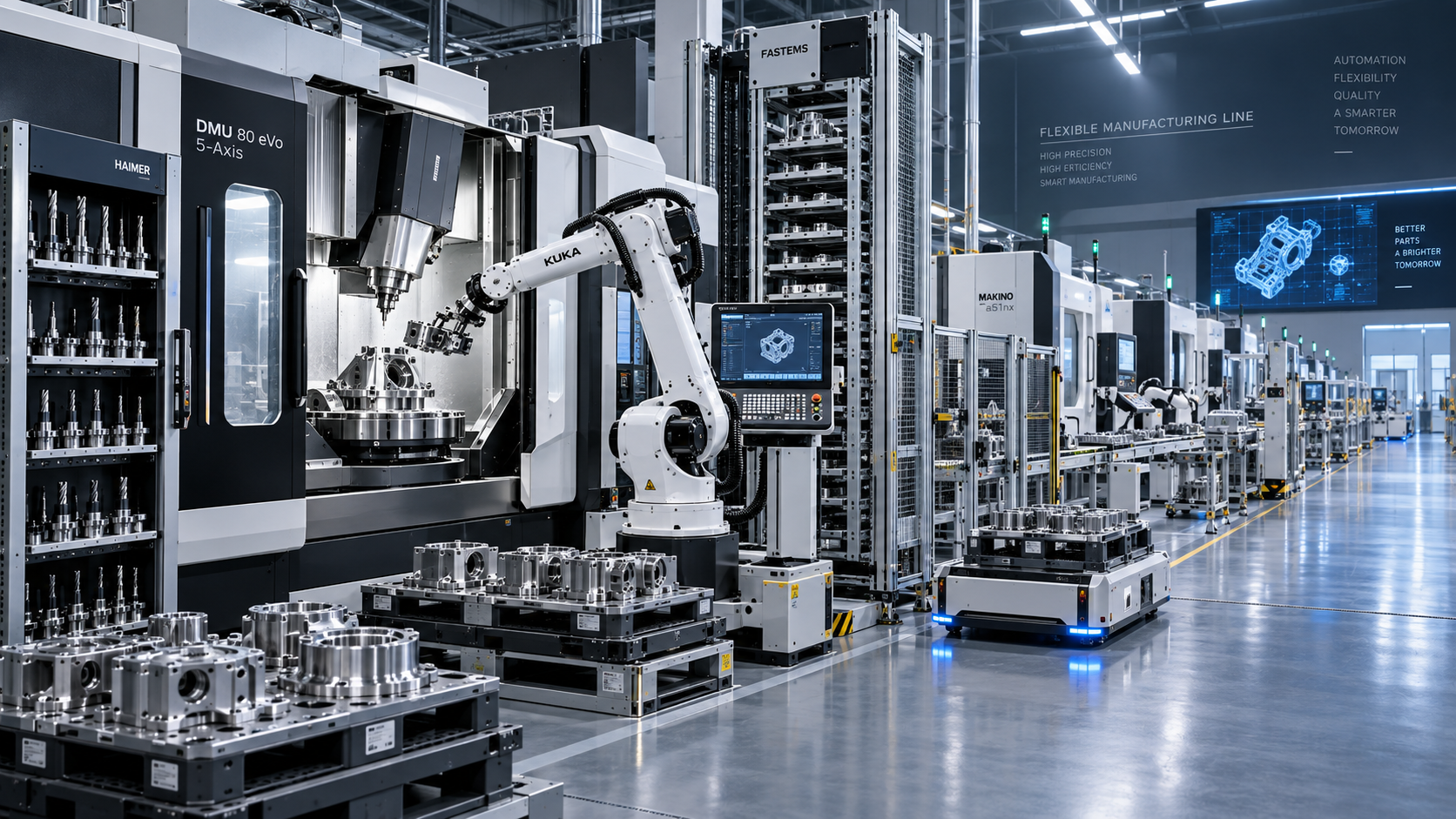
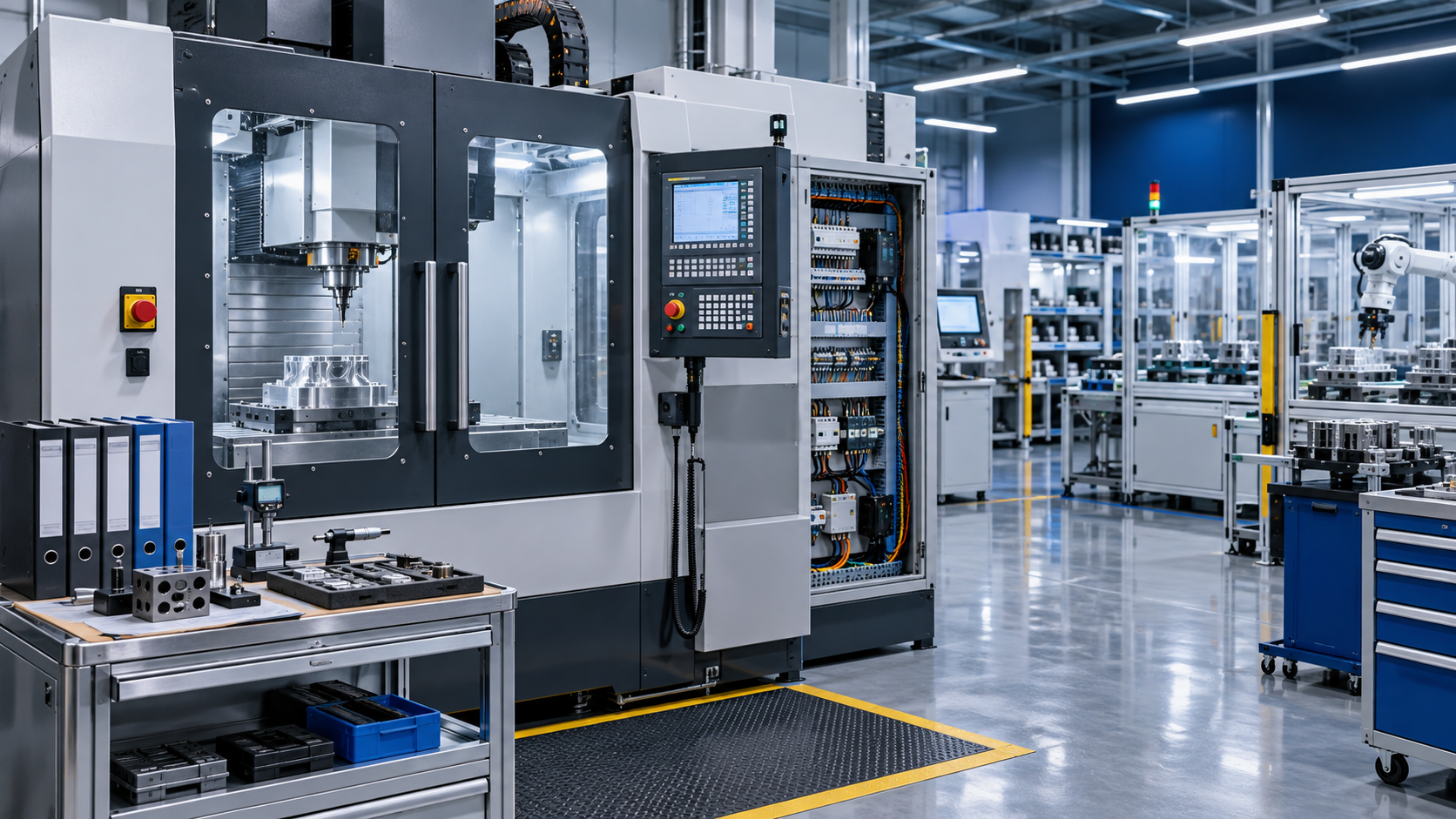
Recent years have also pushed the industry toward higher automation and digital integration. Industrial robots, flexible production lines, and smart factory systems are changing how parts move through the shop. In many operations, the goal is no longer simply to machine a part accurately once, but to keep the process readable, traceable, and stable enough for scaled output. That shift is affecting suppliers in China, Germany, Japan, and South Korea, as well as international component makers that serve global OEMs.
How to judge whether a precision CNC process is actually suitable
For information-seeking buyers, the key is to look beyond general claims. A shop may say it can handle tight tolerance, but the more useful question is: under what conditions?
- What tolerance band is being held, and on which dimensions?
- Is the tolerance required on the first article only, or across the full batch?
- Does the part need machining in one setup or several?
- Are there thin walls, deep pockets, or heat-sensitive materials involved?
- What inspection method is used to confirm the result?
- Is there a plan for tool wear, rework, and process drift during longer runs?
These questions matter because tolerance capability is never universal. A shop that performs well on rigid steel blocks may struggle with complex aluminum housings or small parts that require delicate fixturing. Likewise, a process optimized for prototyping may not be ready for repeat production if tool life, cycle time, or inspection capacity has not been built in.
Common misunderstanding: precision is not the same as perfection
One frequent mistake is assuming that precision CNC means every part will be identical in every respect. In real production, there is always variation; the question is whether it stays inside the agreed limit and whether the process remains predictable. The difference between a capable supplier and an unreliable one is often how quickly that variation is detected and managed.
Another misunderstanding is treating machine capability as the whole answer. Even a top-tier machine can be undermined by poor programming, inconsistent tooling, or rushed setup changes. The smartest manufacturers treat precision as a system property. They watch the drawing, the material, the tool path, the clamping force, the inspection point, and the production rhythm together.
That is also why communication between engineering and production matters. A tolerance that looks reasonable on paper may become costly if it conflicts with the part’s geometry or the intended manufacturing route. Early clarification can prevent unnecessary tightening, unnecessary machining steps, and unnecessary scrap.
A practical way to think about the next step
If you are evaluating precision CNC for a high-tolerance part, start with the drawing and the function, not the machine brochure. Identify which dimensions truly control fit, safety, or performance. Then ask whether the part can be held in one setup, how it will be inspected, and where variation is most likely to appear. That approach usually gives a clearer answer than comparing spindle ratings or axis counts alone.
For many projects, the best next move is to confirm parameters before production begins: material behavior, tolerance stack-up, surface finish, batch size, delivery timing, and any export or local compliance requirements. Those details determine whether a precision CNC process is merely possible or actually practical at scale. In global manufacturing, that distinction is where good planning saves time long before the first chip is cut.
Recommended for You
 Can CNC Machining Inconel Control Tool Wear in High-Temperature Aerospace Parts?CNC Machining Technology Center
 Machine Tool Market Outlook: Demand Drivers, Capacity Shifts, and Investment RisksManufacturing Market Research Center
 Zero-Point Clamping or Modular Fixtures? Choosing a Faster CNC Changeover SystemCNC Machining Technology Center
 How to Cut CNC Fixture Changeover Time Without Sacrificing Part AccuracyCNC Machining Technology Center
 When Does CNC Turning Pay Off? A Break-Even Guide by Annual Part VolumeMachine Tool Industry Editorial Team
 Machine Tool Standards by Country: What Importers Must Verify Before PurchaseManufacturing Policy Research Center

Aris Katos
Future of Carbide Coatings
15+ years in precision manufacturing systems. Specialized in high-speed milling and aerospace grade alloy processing.
▶
How Does Precision Machining Differ From Standard Machining?CNC Machining Technology Center▶
CNC Precision: Which Tolerances, Materials, and Processes Fit Your Part?CNC Machining Technology Center▶
How to Choose Metal Machining Processes for Tight Tolerances and Production VolumeCNC Machining Technology Center▶
Production Process Explained: Key Stages, Controls, and Quality CheckpointsCNC Machining Technology Center▶
How to Select a Machine Tool for Electronics Manufacturing with Tight Tolerance NeedsCNC Machining Technology Center
Mastering 5-Axis Workholding Strategies
Join our technical panel on Nov 15th to learn about reducing vibrations in thin-wall components.

Providing you with integrated sanding solutions
Before-sales and after-sales services
Comprehensive technical support