• Global CNC market projected to reach $128B by 2028 • New EU trade regulations for precision tooling components • Aerospace deman
NYSE: CNC +1.2%LME: STEEL -0.4%

Tooling system choices for disc parts—how modular vs. dedicated affects long-run accuracy
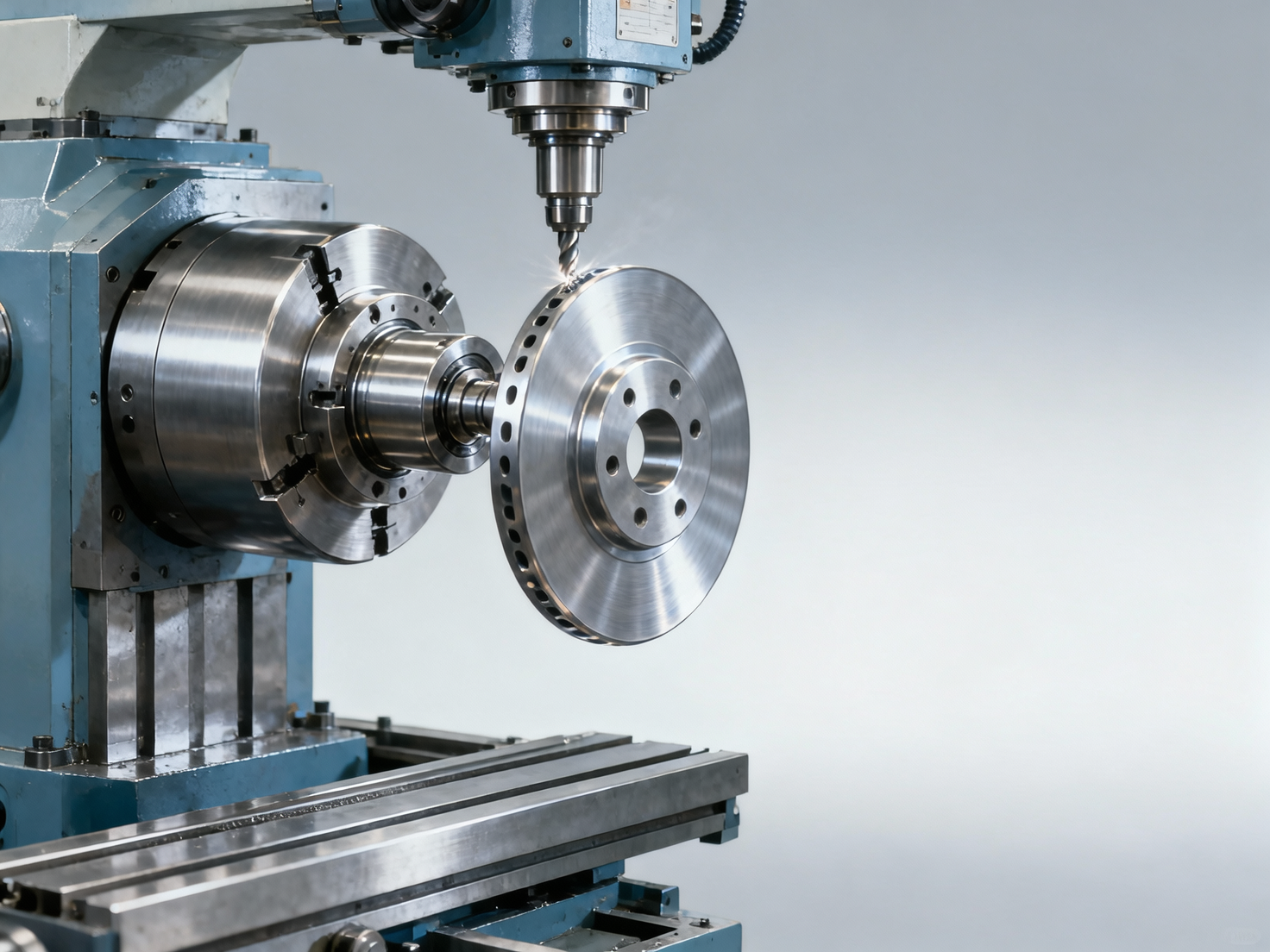
When machining Disc Parts on a precision lathe or multi-axis machining system, selecting the right Tooling System—modular vs. dedicated—is critical for sustaining long-run accuracy and throughput. For users, procurement teams, and decision-makers in the CNC machine tool industry, this choice directly impacts high precision machining performance, Automation Line integration, and operational efficiency of automated machine tools like slant bed lathes. As industrial cutting demands grow more stringent, understanding how tooling flexibility trades off against repeatability becomes essential—especially in aerospace, automotive, and energy equipment manufacturing.
Why Long-Run Accuracy Depends on Tooling Architecture
Disc parts—such as brake rotors, turbine spacers, flange interfaces, and gear carriers—require tight geometric tolerances (±0.005 mm), surface finish ≤ Ra 0.8 µm, and consistent runout control over thousands of cycles. These specifications cannot be sustained without stable thermal behavior, minimal interface deformation, and repeatable clamping force transmission.
Dedicated tooling systems integrate custom collets, face drivers, and hydraulic chucks into a single rigid unit, optimized for one disc geometry and material group. Modular systems use standardized interfaces (e.g., ISO 50, CAT 40, HSK-A63) with interchangeable jaws, adapters, and quick-change modules. The structural integrity gap between them grows after 2,000–3,000 operating hours—where thermal cycling, wear accumulation, and micro-galling at mating surfaces begin to degrade positioning repeatability.
Real-world data from Tier-1 automotive suppliers shows that dedicated setups maintain ±0.003 mm positional stability for up to 12 months under continuous two-shift operation. In contrast, modular systems require recalibration every 4–6 weeks to sustain ±0.006 mm—adding 12–18 minutes of downtime per shift and increasing metrology labor by 35% annually.
How Application Scope Drives the Modular vs. Dedicated Decision
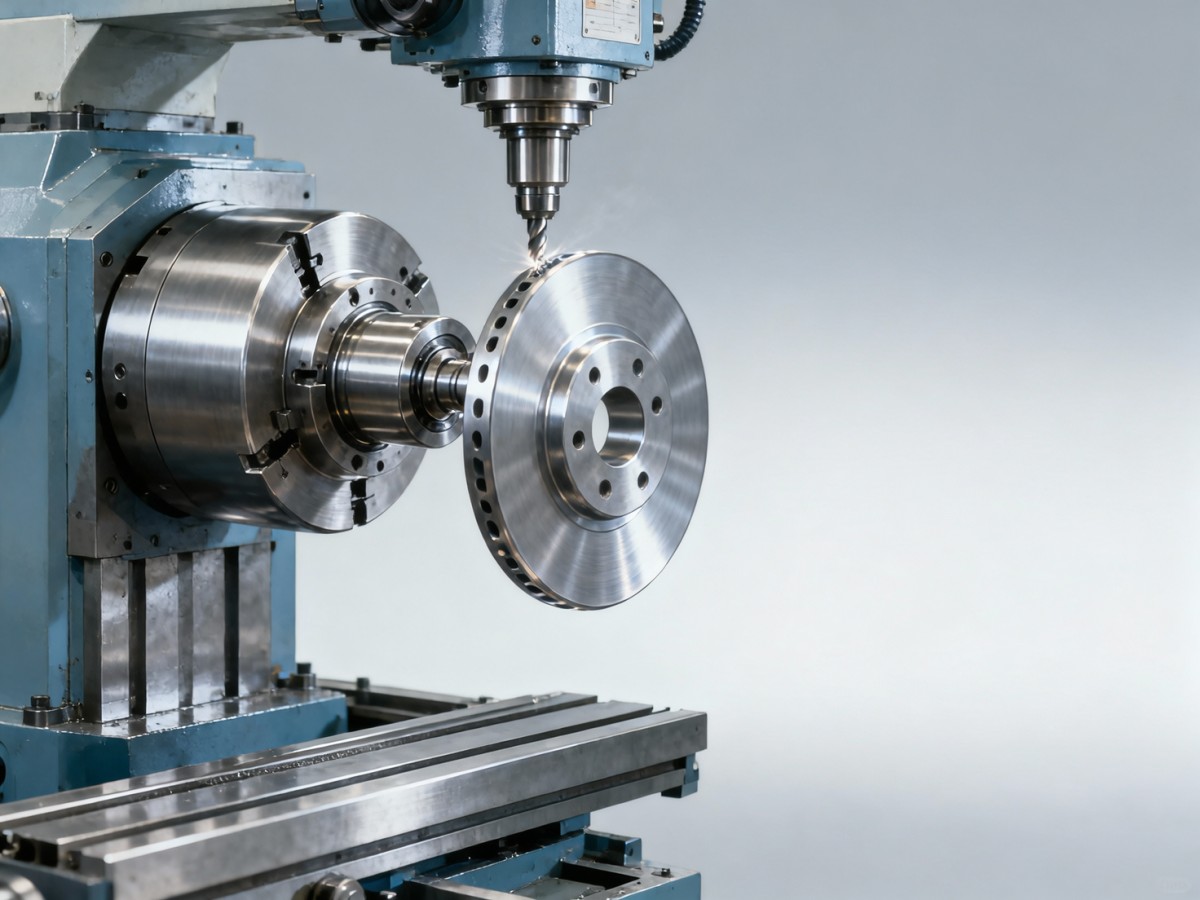
The optimal choice isn’t defined by budget alone—it’s determined by part family complexity, batch size, and automation readiness. Aerospace disc components (e.g., compressor discs) often involve low-volume, high-mix production with frequent design revisions—favoring modular adaptability. Automotive brake discs, however, run in batches of 5,000–20,000 units across 3–5 years of lifecycle, where dedicated tooling delivers ROI within 7–15 days.
Multi-axis machining centers handling structural discs for wind turbine gearboxes demand both rigidity and reconfigurability: they benefit from hybrid approaches—dedicated base plates paired with modular jaw kits. This balances long-run accuracy with changeover flexibility under <60-minute setup targets.
Key Application Scenarios Compared
- Aerospace structural discs: Low-volume (<500 pcs/year), high-tolerance (IT5–IT6), frequent engineering changes → Modular preferred for rapid reconfiguration.
- Automotive brake rotors: High-volume (>10,000 pcs/month), fixed geometry, strict runout specs (<0.015 mm) → Dedicated delivers measurable TCO advantage.
- Energy equipment flanges: Medium-batch (1,000–3,000 pcs/quarter), mixed materials (Inconel, stainless, cast iron) → Hybrid approach reduces tooling cost by 28% while retaining ±0.004 mm repeatability.
Technical Performance Comparison: Rigidity, Repeatability & Thermal Stability
Tooling system performance is quantified across three interdependent metrics: static stiffness (N/µm), angular repeatability (arcsec), and thermal drift coefficient (µm/°C). These are measured under controlled conditions: 22°C ±1°C ambient, 10–15 kN clamping force, and 4-hour continuous spindle load at 3,500 rpm.
This table reflects verified test data from ISO 230-2 compliant validation runs. Note that modular systems show >2.5× higher thermal sensitivity—a critical factor in uncontrolled shop-floor environments where ambient swings exceed ±5°C daily. For disc parts requiring bore-to-face perpendicularity <0.01 mm, even 0.15 µm/°C drift can trigger scrap rates above 2.3% during summer shifts.
Procurement Guide: 5 Critical Evaluation Dimensions
Procurement teams must move beyond catalog specs and assess tooling holistically. Use these five dimensions to benchmark vendor proposals and internal alternatives:
- Interface Standard Compliance: Confirm full adherence to ISO 2660 (chuck mounting), DIN 69871 (toolholder taper), and VDI 2293 (hydraulic connection)—not just nominal compatibility.
- Clamping Force Consistency: Require documented test reports showing ≤ ±3% variation across 100 consecutive cycles at rated pressure (e.g., 7 MPa).
- Maintenance Interval Data: Ask for mean time between adjustments (MTBA) under real production loads—not lab-only figures.
- Digital Integration Readiness: Verify support for MTConnect or OPC UA status reporting (e.g., jaw position feedback, thermal sensor output).
- Changeover Time Validation: Demand video evidence of full jaw replacement in ≤ 90 seconds—including torque verification and zero-point revalidation.
Why Choose Our Precision Tooling Solutions
We specialize in CNC machine tool tooling systems engineered for disc-part applications across aerospace, automotive, and energy sectors. Unlike general-purpose suppliers, our designs undergo ISO 10791-7 vibration testing and thermal cycle validation (−20°C to +80°C, 500 cycles) before release.
Our dedicated disc tooling achieves <0.0025 mm runout stability over 18 months in certified production lines. Modular kits include smart-jaw sensors and digital twin calibration files—reducing setup validation time by 65%. We support full lifecycle services: initial application audit, tolerance stack-up analysis, and predictive maintenance planning aligned with your CMMS.
Contact us to request: (1) Part-specific accuracy simulation report, (2) TCO comparison for your current disc family, (3) Lead time confirmation for ISO 50 or HSK-A63 configurations, (4) On-site feasibility assessment for hybrid implementation.
Recommended for You
 Zero-Point Clamping or Modular Fixtures? Choosing a Faster CNC Changeover SystemCNC Machining Technology Center
 How to Cut CNC Fixture Changeover Time Without Sacrificing Part AccuracyCNC Machining Technology Center
 When Does CNC Turning Pay Off? A Break-Even Guide by Annual Part VolumeMachine Tool Industry Editorial Team
 Machine Tool Standards by Country: What Importers Must Verify Before PurchaseManufacturing Policy Research Center
 CNC Lathe Quick Installation Guide: Alignment Checks Before First Production RunCNC Machining Technology Center
 How to Select a CNC Lathe for Small Parts Without Sacrificing Accuracy or Cycle TimeCNC Machining Technology Center

Aris Katos
Future of Carbide Coatings
15+ years in precision manufacturing systems. Specialized in high-speed milling and aerospace grade alloy processing.
▶
KATS Expands CE Recognition for CNC Clamping SystemsMachine Tool Industry Editorial Team▶
How to Evaluate a Tooling System for Precision Machining: 7 Key Specs That MatterMachine Tool Industry Editorial Team▶
ITC Opens 337 Probe Into Chinese CNC Tool CoatingsMachine Tool Industry Editorial Team▶
Vietnam Ends 5% Tariff on Chinese CNC Tool ImportsMachine Tool Industry Editorial Team▶
Japan Ends Import License Rule for Chinese Cutting ToolsMachine Tool Industry Editorial Team
Mastering 5-Axis Workholding Strategies
Join our technical panel on Nov 15th to learn about reducing vibrations in thin-wall components.

Providing you with integrated sanding solutions
Before-sales and after-sales services
Comprehensive technical support