• Global CNC market projected to reach $128B by 2028 • New EU trade regulations for precision tooling components • Aerospace deman
NYSE: CNC +1.2%LME: STEEL -0.4%

China CNC Rate to Hit 75% by 2027

The exact event date was not specified. According to a report released on April 9, 2026 by a research institute, China is advancing toward machine-tool numerical control targets of 64% in 2025 and 75% in 2027, while a mandatory equipment renewal program is forcing the retirement of machine tools that have been in service for more than ten years. This policy-driven replacement cycle is affecting equipment procurement, spare parts trade, refurbishment services, and cross-border distribution channels across the machine-tool industry.
Image placement plan: No image placeholders are required for this article.
Confirmed Developments in the Market
Confirmed information shows that China’s machine-tool numerical control rate is moving in line with targets of 64% in 2025 and 75% in 2027. The equipment renewal implementation plan of the industry regulator has mandated the phase-out of machine tools with service lives exceeding ten years.
The same report states that this replacement process is expected to generate more than RMB 50 billion in additional equipment procurement during 2026 and 2027. At the same time, it is creating significant demand for overseas spare parts and for the refurbishment of used machine tools.
It is also confirmed that traditional exporters of high-end spare parts from Germany, Japan, and Italy are accelerating the establishment of refurbishment service centers in China. In parallel, distributors in Europe and the United States have started to include refurbished five-axis machine tools from China in their channel catalogs for Latin America and the Middle East.
How the Rule Change Affects Different Business Roles
Trading companies selling equipment and components
These businesses are directly affected because mandatory retirement rules change the timing and structure of demand. The impact appears in equipment sales, spare parts sourcing, channel planning, and after-sales commitments. Companies in this role need to pay close attention to whether customers are purchasing complete replacements, refurbishment solutions, or mixed packages that combine new machines with imported parts support.
Procurement teams for materials and parts
Procurement-oriented companies are affected because the renewal cycle can alter order volumes, technical specifications, and supplier selection standards. The impact is likely to appear in parts qualification, inventory preparation, lead-time control, and supplier comparison. What deserves closer attention is whether replacement projects require tighter documentation for part compatibility, life-cycle performance, and service history.
Processing and manufacturing enterprises
Manufacturers are affected because rising numerical control penetration and mandatory retirement of older assets can reshape production planning and equipment investment decisions. The impact may be seen in factory upgrade schedules, machine selection, maintenance strategies, and refurbishment assessments. These companies should focus on whether their existing production lines can meet newer equipment requirements and whether older assets still have economic value through refurbishment channels.
Supply chain service providers
Logistics firms, service networks, and technical support providers are affected because the market is no longer centered only on new equipment delivery. The impact extends to cross-border spare parts movement, refurbishment turnaround, traceability support, and regional after-sales coverage. These businesses should monitor changes in documentation needs, service response expectations, and the growing importance of linking overseas parts supply with local refurbishment capability.
Key Business Priorities and Practical Responses
Strengthen compliance and technical documentation review
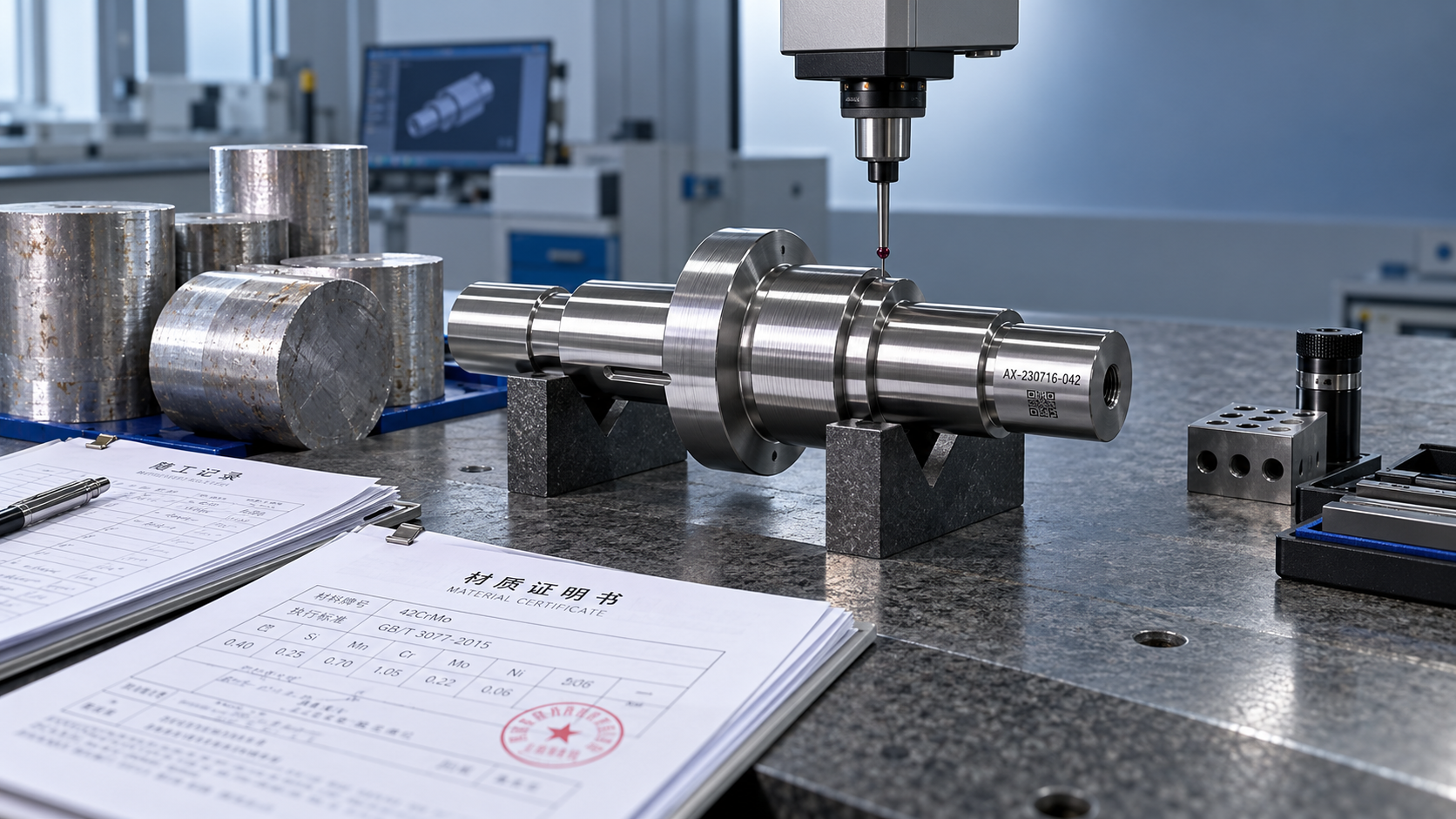
Companies involved in replacement projects should prepare for closer review of equipment age, service records, parts matching, and refurbishment scope. Where used or refurbished machine tools are involved, technical files, inspection records, and service documentation may become more important in procurement review and customer acceptance.
Align spare parts and refurbishment capacity with replacement demand
The expected wave of procurement in 2026 and 2027 means businesses should reassess how they allocate stock, repair resources, and supplier capacity. Enterprises handling imported high-end parts or refurbishment services should watch for shifts in demand from one-time sales toward bundled support covering parts, overhaul, and recommissioning.
Review tender specifications and channel requirements
As distributors begin listing refurbished five-axis machine tools from China in overseas channel catalogs, specification alignment will become more important. Companies should examine technical descriptions, testing evidence, quality language, and after-sales terms to reduce mismatches between domestic refurbishment output and export market requirements.
Rebuild supplier qualification and traceability systems
Because the market now involves both new equipment replacement and second-hand refurbishment flows, supplier management cannot rely only on price and delivery. Firms should pay closer attention to qualification review, component origin records, maintenance traceability, and accountability in after-sales service, especially where cross-border distribution is involved.
Industry Observation: A Policy Shift Reshaping Market Structure
From an industry perspective, this development is more than a simple equipment upgrade cycle. It is more appropriate to understand it as a rule-driven restructuring of demand across new machinery, imported spare parts, refurbishment services, and export channels.
Analysis shows that mandatory retirement of older machine tools can compress customer decision timelines and shorten the window for legacy-equipment support. This may raise the importance of refurbishment centers, technical validation capability, and service documentation in commercial competition.
Observably, the inclusion of refurbished Chinese five-axis machines in overseas distributor catalogs suggests that refurbishment is gaining recognition as a tradable industrial offering rather than only a domestic cost-control option. That said, this should be treated as an industry signal rather than as proof of a fully established global market pattern.
What deserves closer attention is whether future implementation details, buyer specifications, and service expectations will raise the threshold for parts traceability, performance verification, and long-term maintenance support. If that happens, competitive advantage may depend not only on manufacturing strength but also on documentation quality and service integration.
What This Means for the Sector
This development highlights how mandatory equipment renewal can influence not only capital expenditure on new machines but also the broader ecosystem of spare parts, refurbishment, technical services, and export distribution. The confirmed facts point to a market transition with direct implications for procurement planning and supply-chain organization.
A rational conclusion is that companies should treat the change as both a compliance matter and a commercial adjustment. The eventual scale of impact will still depend on implementation details, purchasing behavior, and how quickly market participants adapt their service and documentation capabilities.
Source Note and Follow-up Items
This article was generated based on the user-provided news title, event time, and event summary. It may also be useful to monitor the types of official or authoritative sources commonly associated with such developments, including industry regulators, policy implementation notices, procurement documents, technical standard updates, and market research releases.
Specific official source links were not provided in the input and should be verified continuously.
Items that still require continued observation include detailed implementation rules, certification and compliance interpretation, changes in tender documentation, refurbishment acceptance standards, overseas channel requirements, and feedback from industry participants.
PREVIOUS ARTICLE
NEXT ARTICLE
Recommended for You
![]() Mitsubishi Electric Announces Physical AI System Linking Humanoid Robots and CNC MachinesMachine Tool Industry Editorial Team
Mitsubishi Electric Announces Physical AI System Linking Humanoid Robots and CNC MachinesMachine Tool Industry Editorial Team Precision Machining for Defense: Supplier Quality and Traceability ChecksManufacturing Market Research Center
![]() Nidec Machine Tool Launches MVR-5X Five-Axis Gantry MachineMachine Tool Industry Editorial Team
Nidec Machine Tool Launches MVR-5X Five-Axis Gantry MachineMachine Tool Industry Editorial Team Choosing a Precision Disc Parts Manufacturer in China: Tolerances and Quality ChecksManufacturing Market Research Center
![]() Siemens Executive Says AI Could Raise Factory Automation to 80%Manufacturing Market Research Center
Siemens Executive Says AI Could Raise Factory Automation to 80%Manufacturing Market Research Center Choosing Automated Machine Tools for High-Mix, Low-Volume ProductionMachine Tool Industry Editorial Team


Aris Katos
Future of Carbide Coatings
15+ years in precision manufacturing systems. Specialized in high-speed milling and aerospace grade alloy processing.
▶
Japan Subsidy Plan Narrows CNC Export OpeningsManufacturing Market Research Center▶
Industrial Robotics ROI: Cost Drivers, Integration Risks, and Payback Benchmarks for BuyersManufacturing Market Research Center▶
India’s 20% Rice Export Tax Lifts Demand for Processing EquipmentManufacturing Market Research Center▶
Anhui Growth Lifts Demand for High-End Machine ToolsManufacturing Market Research Center▶
China CNC Rate to Hit 75% by 2027Manufacturing Market Research Center
▶
Mastering 5-Axis Workholding Strategies
Join our technical panel on Nov 15th to learn about reducing vibrations in thin-wall components.

Providing you with integrated sanding solutions
Before-sales and after-sales services
Comprehensive technical support