• Global CNC market projected to reach $128B by 2028 • New EU trade regulations for precision tooling components • Aerospace deman
NYSE: CNC +1.2%LME: STEEL -0.4%

India’s 20% Rice Export Tax Lifts Demand for Processing Equipment

The timing of the event is not fully specified in the source input, but the disclosed update shows that India moved in June 2026 to impose a 20% export tax on parboiled rice, adding to earlier restrictions on broken rice and existing 20% duties on white and brown rice. For food processors, packaging operators, warehouse automation suppliers, equipment importers, and procurement teams, the development is worth close attention because it links agricultural trade controls with a visible rise in investment interest across processing and logistics production lines.
What Has Been Confirmed So Far
According to the provided information, the Indian government urgently imposed a 20% export tax on parboiled rice in June 2026. This measure came on top of a prior ban on broken rice exports and existing 20% export duties on white rice and brown rice.
The same input states that domestic rice prices in India have continued to rise under this policy backdrop. It also confirms that pressure to secure food supply is accelerating investment in food processing, packaging, and warehousing automation lines in India.
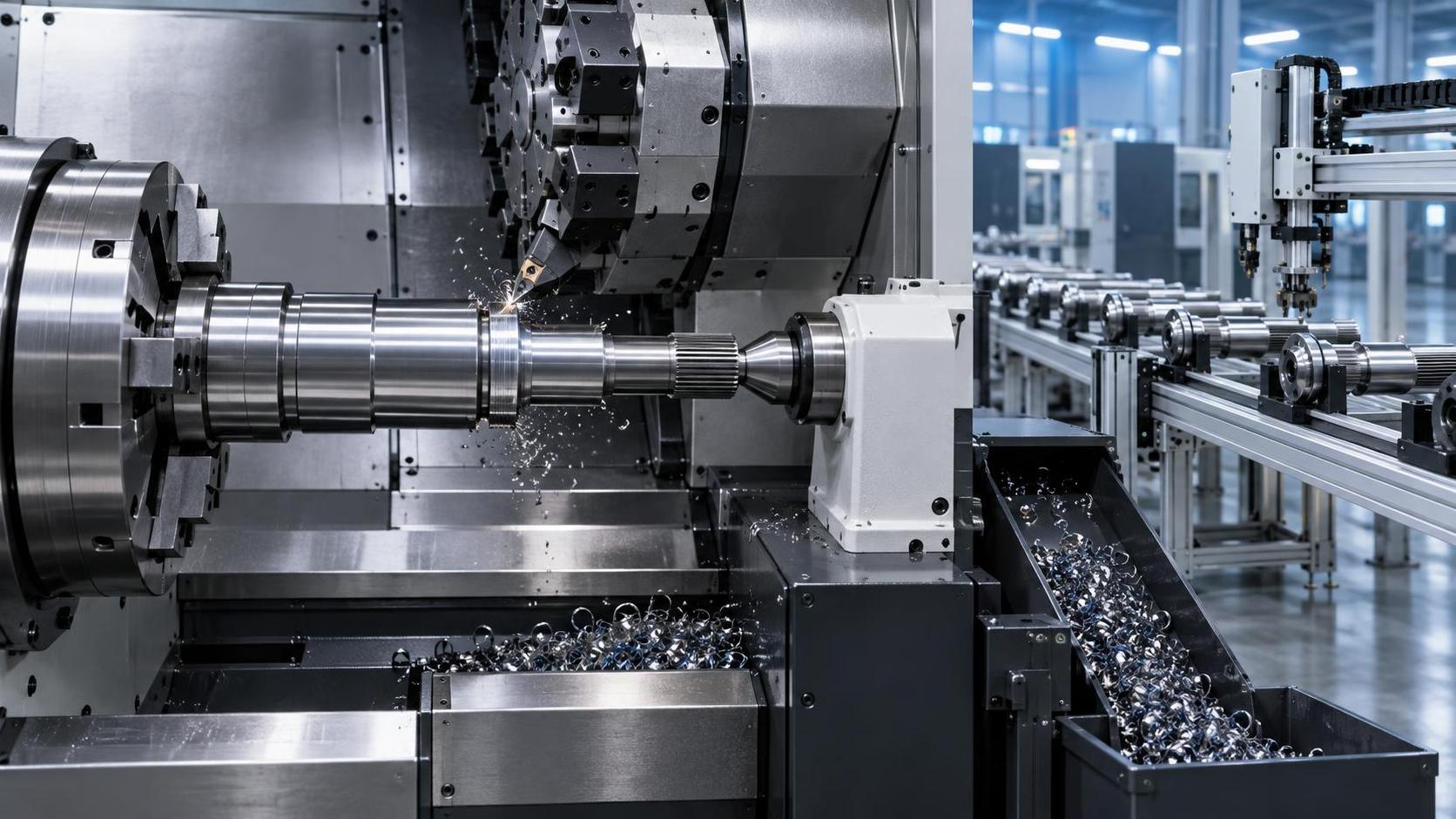
In direct connection with that shift, import inquiries for domestically produced multifunction CNC lathes, specialized cutting equipment, and modular conveyor systems rose 37% week on week.
Where the Pressure Appears Across the Chain
Trade-facing rice businesses are dealing with a tighter operating environment
From an industry perspective, exporters and trading companies are likely to feel the impact first because tariff changes and prior restrictions directly affect shipment economics and product planning. The main business pressure is likely to show up in contract execution, price communication, and product mix decisions, especially where parboiled, white, brown, or broken rice categories are involved. What deserves closer attention is whether buyers begin to adjust order structure in response to the changing cost base.
Processors and packers may face stronger pressure to improve throughput
Analysis shows that rising domestic rice prices and food security pressure can shift attention toward local processing efficiency rather than export volume alone. For processing and packaging operators, the key issue is not only raw material cost pressure but also whether equipment upgrades can help stabilize output, reduce handling friction, and improve line coordination. The reported increase in equipment inquiries suggests that this part of the chain is already reacting.
Warehouse and automation suppliers are pulled closer into food security decisions
Observably, the development is not limited to primary food trade. Investment in warehousing automation and modular conveying points to greater interest in storage, movement, and line integration capacity. For suppliers and service providers in these segments, the relevant changes may appear in project timelines, specification requests, and buyer preference for equipment that can be integrated quickly into existing facilities.
Equipment importers and manufacturing suppliers may see demand shift faster than orders close
The 37% week-on-week rise in import inquiries is a notable signal, but it is still an inquiry-level indicator rather than confirmed installed capacity. For machinery suppliers, procurement intermediaries, and component partners, the practical impact may emerge through faster quotation requests, more technical clarification rounds, and tighter delivery discussions. What deserves closer attention is the gap between inquiry momentum and actual purchasing decisions.
What Companies Should Watch Now
Track whether policy language changes further
Companies exposed to rice processing or related equipment demand should watch for any further official wording, scope clarification, or operational adjustment tied to export controls. Analysis shows that the commercial effect of a tariff often depends not only on the rate itself, but also on how categories and implementation are interpreted in practice.
Separate policy signal from confirmed equipment demand
The current information confirms a rise in import inquiries, not completed procurement or installation. For equipment suppliers and service teams, it is important to distinguish between early-stage market interest and finalized project demand when planning production, inventory, or sales follow-up.
Prepare for closer scrutiny on delivery and documentation
If inquiry volumes continue to rise, buyers may place more weight on supplier qualification, technical documents, delivery cycles, and line compatibility. For machinery exporters, integrators, and sourcing teams, these operational details may become more important than broad demand expectations.
Keep customer communication tied to use-case clarity
From an industry perspective, clients reacting to food supply pressure are likely to focus on practical line outcomes in processing, packaging, and warehouse handling. Suppliers should therefore pay close attention to how requests are framed around capacity matching, equipment specialization, and modular deployment rather than assuming all inquiry growth reflects the same purchasing logic.
Why This Matters Beyond the Rice Trade Itself
Analysis shows that this development is better understood as more than a commodity trade adjustment. It also acts as a signal that food security pressure can quickly influence downstream capital spending in processing and logistics infrastructure.
At the same time, it is more appropriate to understand this as an early operational signal rather than a fully settled market outcome. The confirmed facts show rising domestic rice prices, policy tightening, and stronger inquiry activity for selected equipment categories. They do not yet prove how long this demand response will last or how broadly it will translate into completed investment.
How to Read the Current Signal
The industry significance of this update lies in the connection between agricultural export controls and industrial equipment demand. It suggests that policy measures aimed at supply protection can rapidly affect procurement behavior in food processing, packaging, and warehouse automation.
For now, it is more appropriate to read the development as a short-term change with possible longer-term implications, while keeping it under continued observation. The inquiry increase is concrete, but the durability, scale, and conversion of that interest still require verification through subsequent market developments.
Basis and Verification Notes
This article is generated from the user-provided news title, event timing note, and event summary. The specific official source link was not provided in the input, so further verification is still needed.
For this type of development, source categories that are typically relevant include official government announcements, company disclosures, industry association updates, authoritative media reporting, and related trade or standards documentation. Continued monitoring should focus on any further official clarification, changes in implementation scope, and whether equipment inquiry growth develops into confirmed orders or project execution.
Recommended for You
 Machine Tool Standards by Country: What Importers Must Verify Before PurchaseManufacturing Policy Research Center
 CNC Lathe Quick Installation Guide: Alignment Checks Before First Production RunCNC Machining Technology Center
 How to Select a CNC Lathe for Small Parts Without Sacrificing Accuracy or Cycle TimeCNC Machining Technology Center
 How to Select a Slant Bed Lathe for High-Precision Shaft and Chuck WorkCNC Machining Technology Center
 Smart Manufacturing for Small Businesses: Where Automation Delivers the Fastest ROIMachine Tool Industry Editorial Team
 How to Specify a CNC Lathe for High-Volume Automotive Shaft ProductionCNC Machining Technology Center






Aris Katos
Future of Carbide Coatings
15+ years in precision manufacturing systems. Specialized in high-speed milling and aerospace grade alloy processing.
▶
Japan Subsidy Plan Narrows CNC Export OpeningsManufacturing Market Research Center▶
Industrial Robotics ROI: Cost Drivers, Integration Risks, and Payback Benchmarks for BuyersManufacturing Market Research Center▶
India’s 20% Rice Export Tax Lifts Demand for Processing EquipmentManufacturing Market Research Center▶
Anhui Growth Lifts Demand for High-End Machine ToolsManufacturing Market Research Center▶
China CNC Rate to Hit 75% by 2027Manufacturing Market Research Center
Mastering 5-Axis Workholding Strategies
Join our technical panel on Nov 15th to learn about reducing vibrations in thin-wall components.

Providing you with integrated sanding solutions
Before-sales and after-sales services
Comprehensive technical support