• Global CNC market projected to reach $128B by 2028 • New EU trade regulations for precision tooling components • Aerospace deman
NYSE: CNC +1.2%LME: STEEL -0.4%

Industrial machining output rose in 2026 — but scrap rates climbed faster in high-mix shops
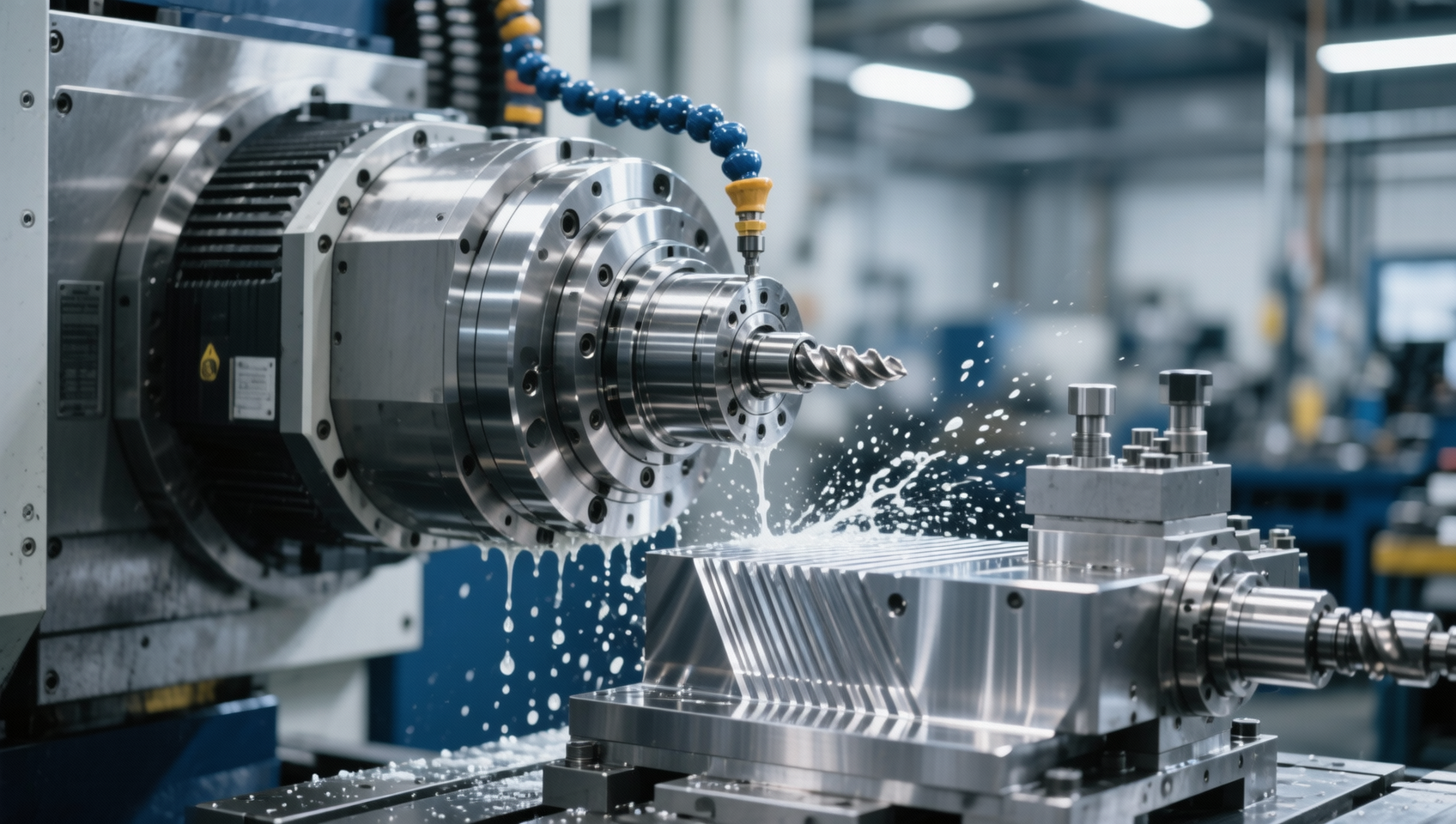
Industrial machining output rose in 2026 — but a troubling trend emerged: scrap rates surged even faster, especially in high-mix CNC manufacturing environments. As Smart Manufacturing and automated machining accelerate across automotive, aerospace, and electronics sectors, demand for precision industrial capabilities — including 5-axis machining and advanced Metal Processing — is intensifying. Yet rising complexity in Machining Process planning, tooling variability, and part-program management is straining traditional CNC technology workflows. For users, procurement teams, and decision-makers alike, this signals an urgent need to rethink Manufacturing Technology strategies — balancing output gains with yield optimization, digital integration, and real-time process control.
Why Scrap Rates Are Outpacing Output Growth in High-Mix CNC Shops
In 2026, global CNC machining output increased by 6.3% year-on-year, according to preliminary industry aggregation from the International Machine Tool Association (IMTA). However, average scrap rates across high-mix facilities — defined as shops running ≥12 unique part families per week on shared multi-axis machining centers — climbed 9.8%. This 3.5-percentage-point gap reflects systemic friction between legacy CNC infrastructure and modern production demands.
High-mix environments face three compounding stressors: first, program changeover frequency exceeds 8–12 times per shift in Tier-1 automotive suppliers; second, tooling configurations vary across 4–7 cutting tools per setup; third, geometric tolerances tighten to ±0.005 mm for aerospace structural brackets, demanding sub-micron thermal stability. Traditional G-code-based systems lack adaptive feedback loops to detect drift before it becomes scrap.
The consequence isn’t just material waste: unplanned rework consumes 11–17% of available spindle time, while post-process inspection bottlenecks delay shipment by 2.4 days on average. For procurement leaders, this translates into hidden cost inflation — each 1% rise in scrap correlates with a 0.7% increase in landed part cost, factoring in labor, energy, and secondary finishing.

Key Technical Drivers Behind Rising Yield Loss
Four interdependent technical factors explain why scrap growth outpaces output gains:
- Tool Wear Variability: In mixed-part runs, carbide end mills experience 3–5x greater flank wear inconsistency due to alternating aluminum, titanium, and hardened steel cuts — leading to dimensional drift after just 18–22 minutes of cumulative cutting time.
- Fixture Reconfiguration Errors: Manual vise or pallet indexing introduces ±0.02 mm positional variance across 68% of setups where no digital twin validation is applied pre-cycle.
- G-Code Translation Gaps: CAM-to-CNC handoffs retain legacy tolerance assumptions — e.g., assuming ±0.01 mm thermal expansion, while actual shop-floor fluctuations exceed ±0.03 mm during peak-load shifts.
- Probe Calibration Drift: Touch-trigger probes used for in-process verification lose calibration accuracy beyond 72 hours without recalibration, yet only 31% of mid-sized shops enforce scheduled probe checks.
These issues compound exponentially in shops deploying 5-axis simultaneous machining: a single misaligned A/B-axis kinematic parameter can propagate error across 14+ geometric features per part — turning one faulty setup into 37+ scrapped units before detection.
Procurement & Decision-Making Priorities for Yield Optimization
When evaluating new CNC platforms or retrofitting existing lines, procurement and engineering leadership must prioritize measurable yield safeguards — not just headline speed or axis count. The following four criteria separate yield-resilient systems from conventional equipment:
Procurement teams should require documented FAT evidence for all three thresholds — not vendor claims alone. Systems meeting these benchmarks reduce scrap incidence by 42–58% within six months of deployment in high-mix settings, based on field data from 27 German and Japanese Tier-1 suppliers.
Operational Implementation: From Pilot to Full-Line Integration
Successful yield recovery requires structured rollout — not isolated hardware replacement. A proven 4-phase integration framework delivers ROI within 11 weeks:
- Baseline Capture (Weeks 1–2): Deploy IoT edge gateways on 3 representative machines to log spindle load, vibration spectra, and coolant pressure at 100 Hz sampling — establishing scrap-correlated signature baselines.
- Pilot Retrofit (Weeks 3–5): Install closed-loop thermal compensation and auto-probe calibration modules on one high-utilization machining center; validate against 500+ consecutive parts.
- Process Mapping (Weeks 6–8): Correlate machine data streams with MES work order attributes (material batch, tool ID, operator shift) to identify top 3 scrap root causes.
- Scale Deployment (Weeks 9–11): Roll out validated firmware updates and training to all CNC cells; integrate alerts into existing CMMS for predictive maintenance scheduling.
This phased approach reduces implementation risk while delivering incremental yield improvements: Phase 2 alone typically yields 18–23% scrap reduction; full rollout sustains 45–52% improvement with ≤2% downtime impact.
Common Missteps That Undermine Yield Gains
Even well-intentioned initiatives fail when these five pitfalls occur:
- Deploying AI-driven anomaly detection without first standardizing tool life tracking — resulting in false positives from uncalibrated wear models.
- Upgrading CNC controls while retaining legacy hydraulic clamping — introducing 0.015 mm fixture repeatability variance that masks true process capability.
- Training operators on new HMI interfaces without concurrent SOP revision — causing 63% of post-upgrade scrap spikes to originate from incorrect manual override sequences.
- Selecting “smart” tooling without verifying compatibility with existing tool presetters — creating 4–7 minute per-tool setup delays that erode throughput gains.
- Assuming cloud-based analytics replace on-machine diagnostics — ignoring 120–220 ms latency that prevents real-time intervention during critical cutting phases.
Mitigation starts with cross-functional workshops: involve operators, maintenance leads, and quality engineers in solution design — not just IT and procurement. Facilities applying this inclusive approach achieve 91% adherence to new protocols versus 54% in top-down deployments.
Next Steps for Sustainable Yield Recovery
Rising scrap rates in 2026 are not a sign of technological failure — but a clear signal that CNC infrastructure must evolve from deterministic execution platforms to adaptive, self-correcting systems. The convergence of real-time metrology, closed-loop thermal modeling, and predictive tool management now enables sub-0.003 mm process stability — even in volatile high-mix conditions.
For users, this means fewer emergency tool changes and reduced reliance on offline CMM verification. For procurement teams, it translates into quantifiable TCO reduction: every 1% scrap reduction saves $8,200–$14,600 annually per machining center in typical aerospace subcontracting volumes. For enterprise decision-makers, it unlocks capacity without CAPEX — converting idle spindle minutes into billable output through yield resilience.
If your shop operates ≥8 unique part families weekly on 3-axis or multi-axis CNC systems, request a free yield gap assessment. Our engineering team will analyze your current scrap drivers, benchmark against peer-group performance, and deliver a prioritized roadmap — including retrofit options, timeline estimates, and ROI projections — within 5 business days.
Get your customized yield recovery plan today.
PREVIOUS ARTICLE
Recommended for You
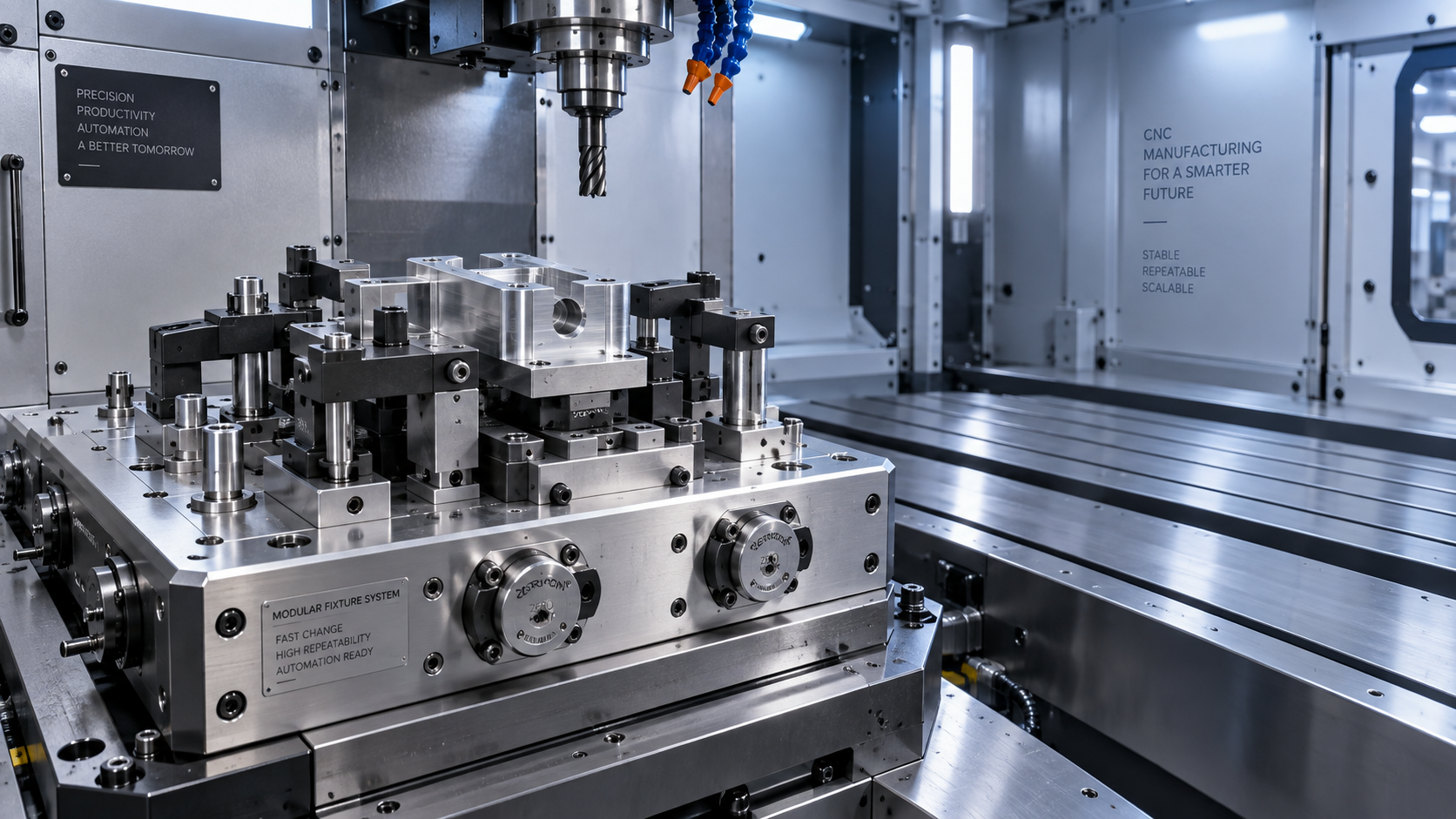
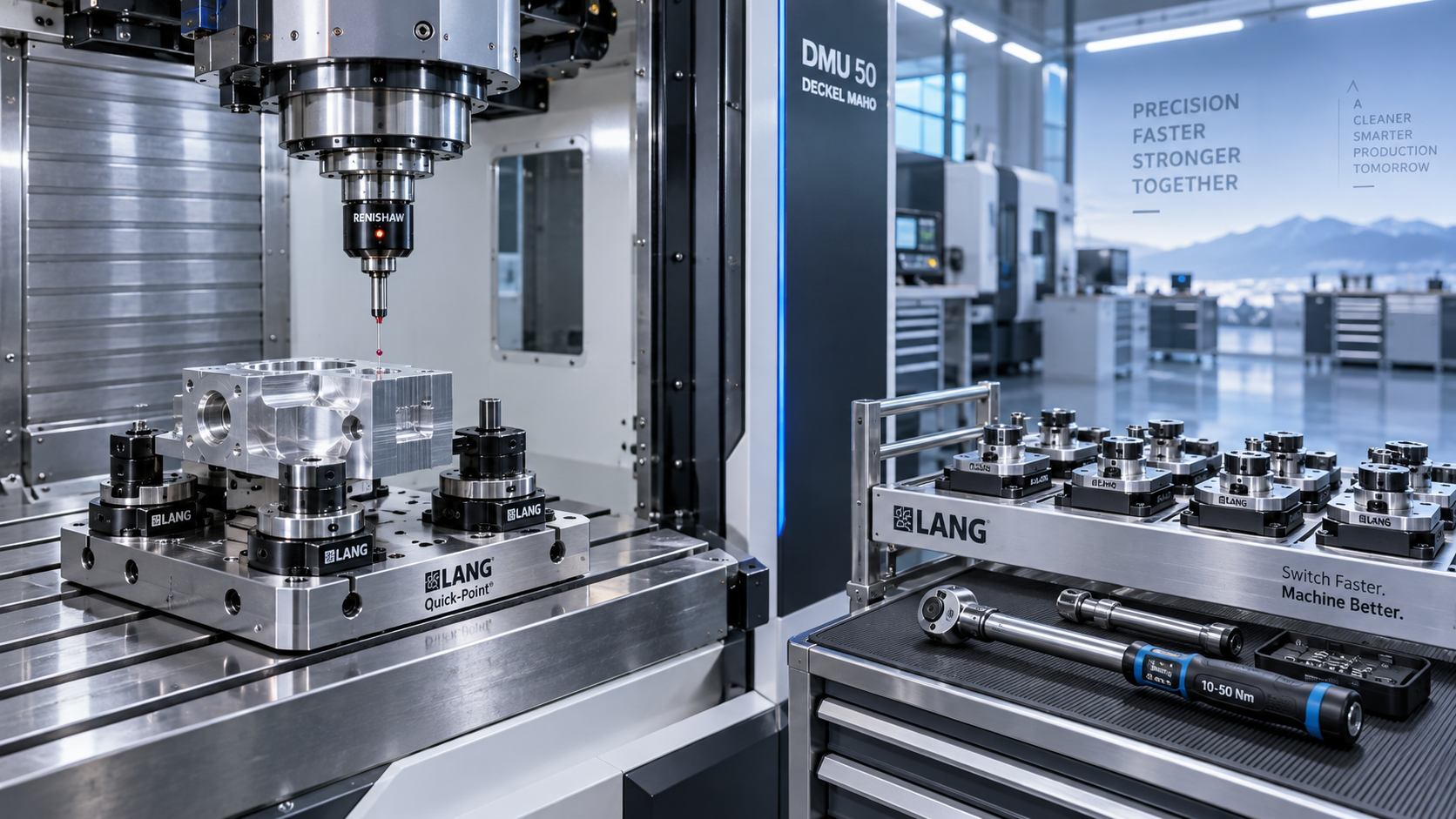
 Zero-Point Clamping or Modular Fixtures? Choosing a Faster CNC Changeover SystemCNC Machining Technology Center
 How to Cut CNC Fixture Changeover Time Without Sacrificing Part AccuracyCNC Machining Technology Center
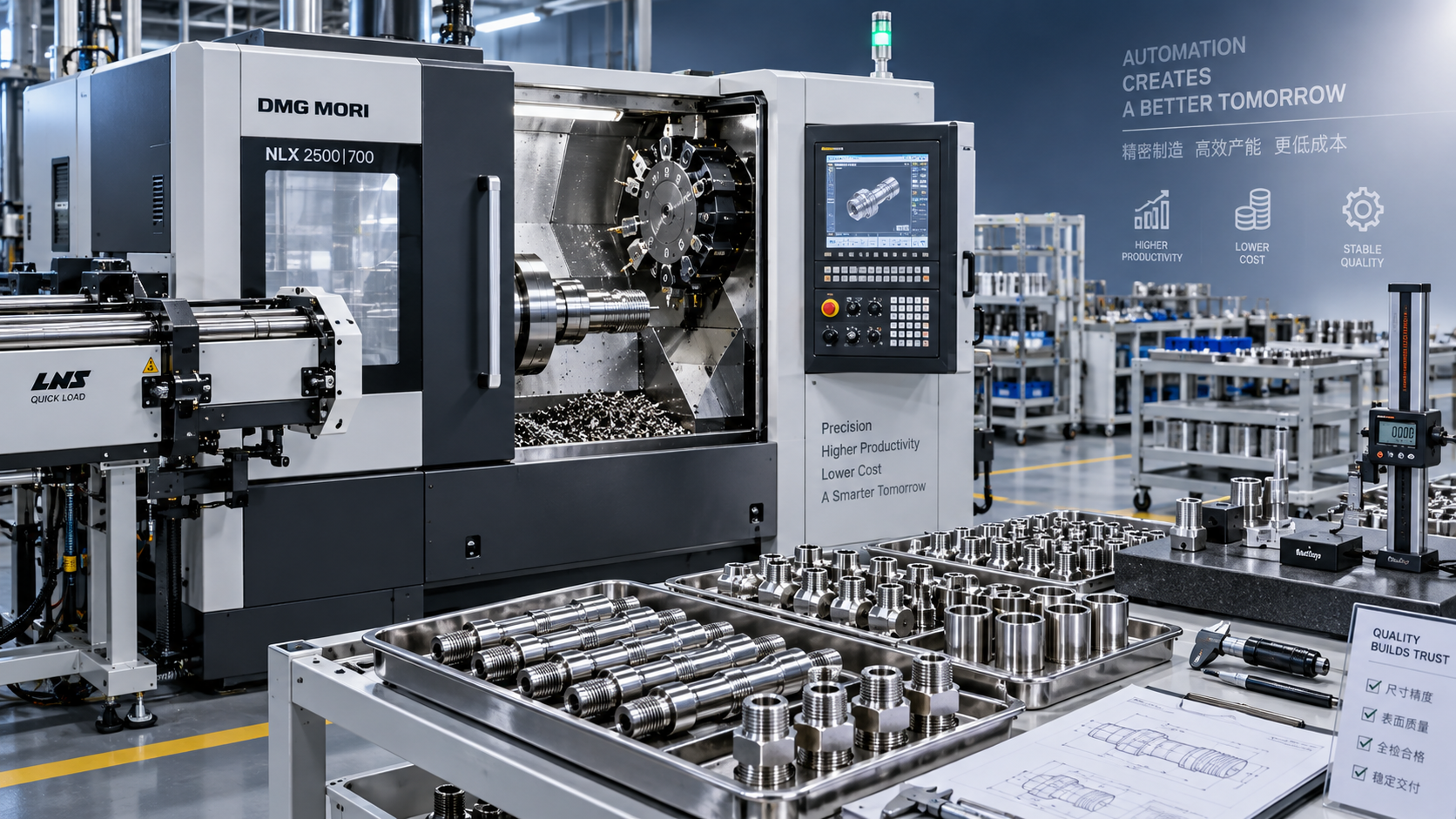
 When Does CNC Turning Pay Off? A Break-Even Guide by Annual Part VolumeMachine Tool Industry Editorial Team
 Machine Tool Standards by Country: What Importers Must Verify Before PurchaseManufacturing Policy Research Center
 CNC Lathe Quick Installation Guide: Alignment Checks Before First Production RunCNC Machining Technology Center
 How to Select a CNC Lathe for Small Parts Without Sacrificing Accuracy or Cycle TimeCNC Machining Technology Center


Aris Katos
Future of Carbide Coatings
15+ years in precision manufacturing systems. Specialized in high-speed milling and aerospace grade alloy processing.
▶
Global Machine Tool Backlog Falls 12% as Automation Shifts DemandManufacturing Market Research Center▶
What Drives Machine Tool Price: 7 Cost Factors Buyers Should Compare Before OrderingManufacturing Market Research Center▶
Manufacturing Industry Cost Drivers in 2025: Labor, Energy, Freight, and Sourcing RisksManufacturing Market Research Center▶
CCMT2026 Ends With 40.2% Rise in Five-Axis Export PricesManufacturing Market Research Center▶
China CNC Localization Tops 50%, Pressuring FANUCManufacturing Market Research Center
Mastering 5-Axis Workholding Strategies
Join our technical panel on Nov 15th to learn about reducing vibrations in thin-wall components.

Providing you with integrated sanding solutions
Before-sales and after-sales services
Comprehensive technical support