• Global CNC market projected to reach $128B by 2028 • New EU trade regulations for precision tooling components • Aerospace deman
NYSE: CNC +1.2%LME: STEEL -0.4%

Industrial machining equipment buyers are overlooking thermal drift in mid-range models
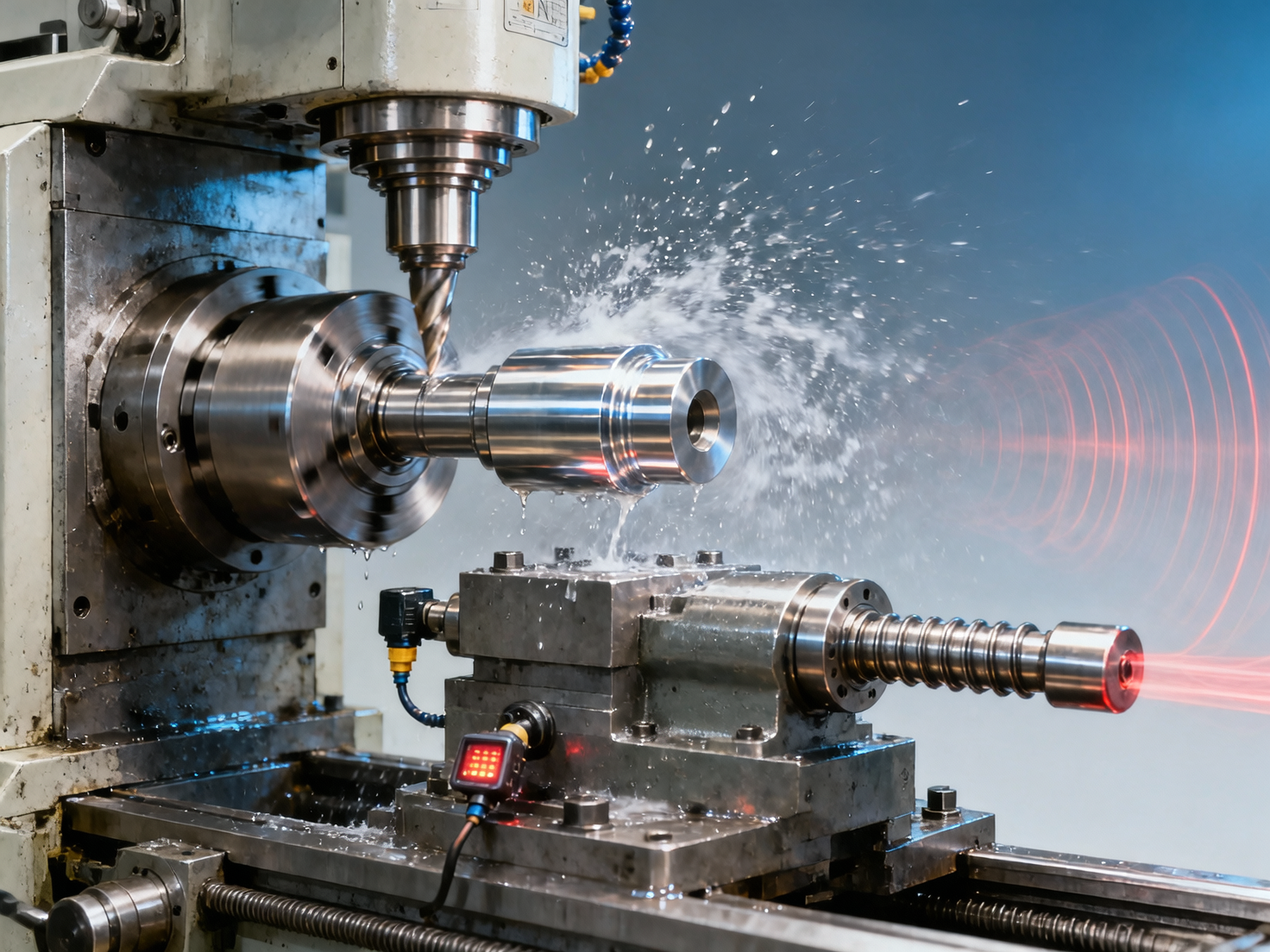
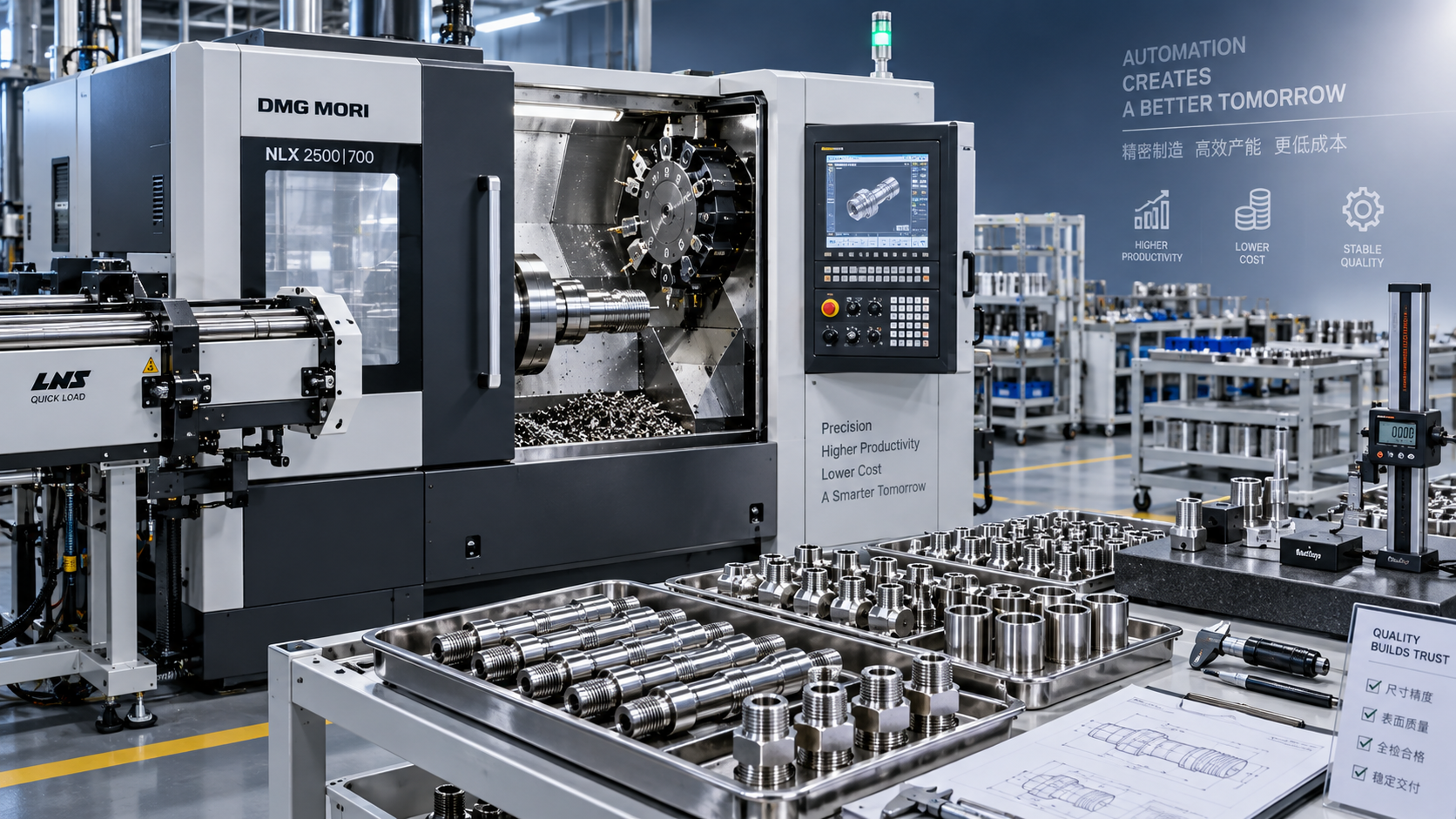
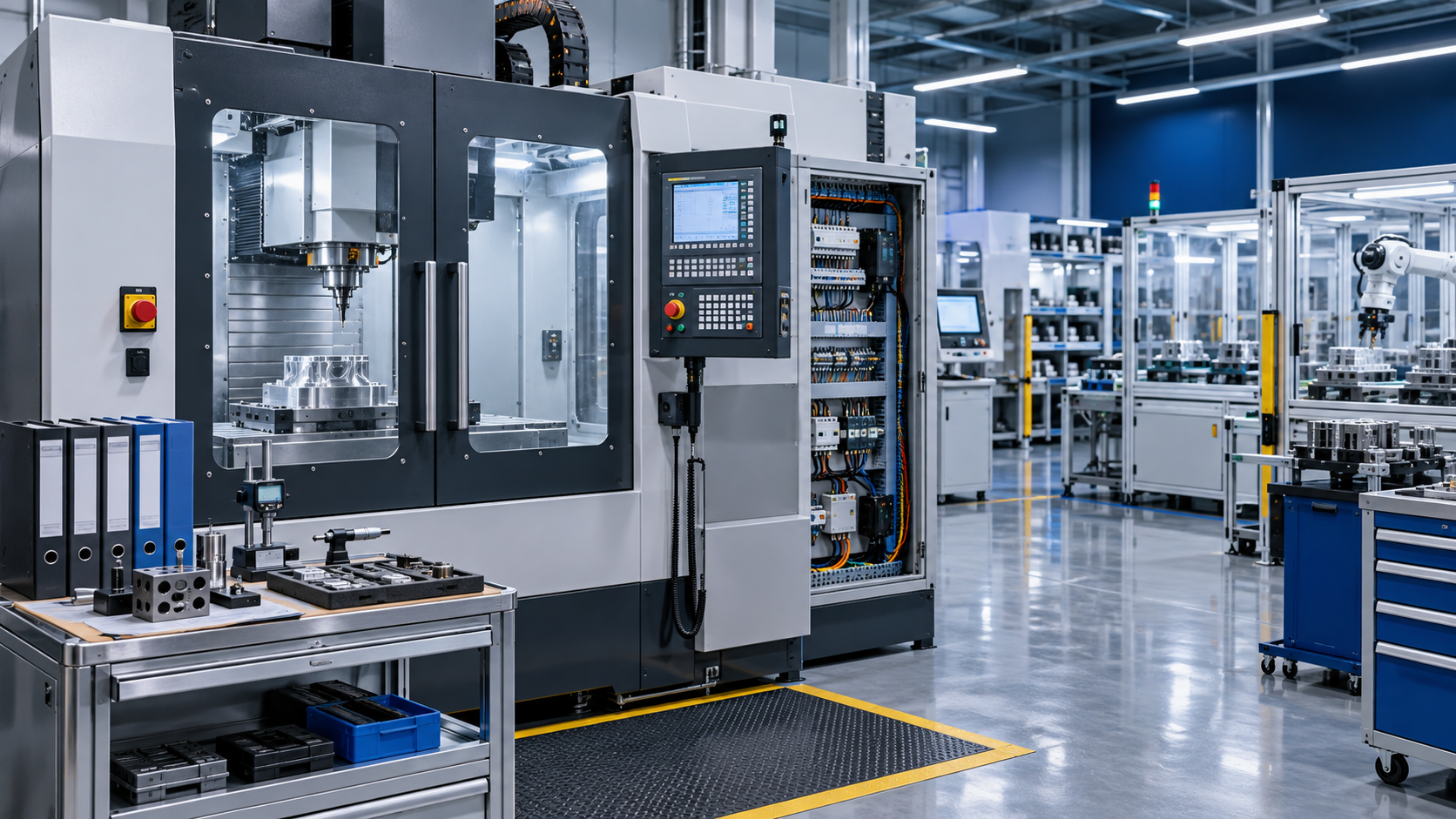
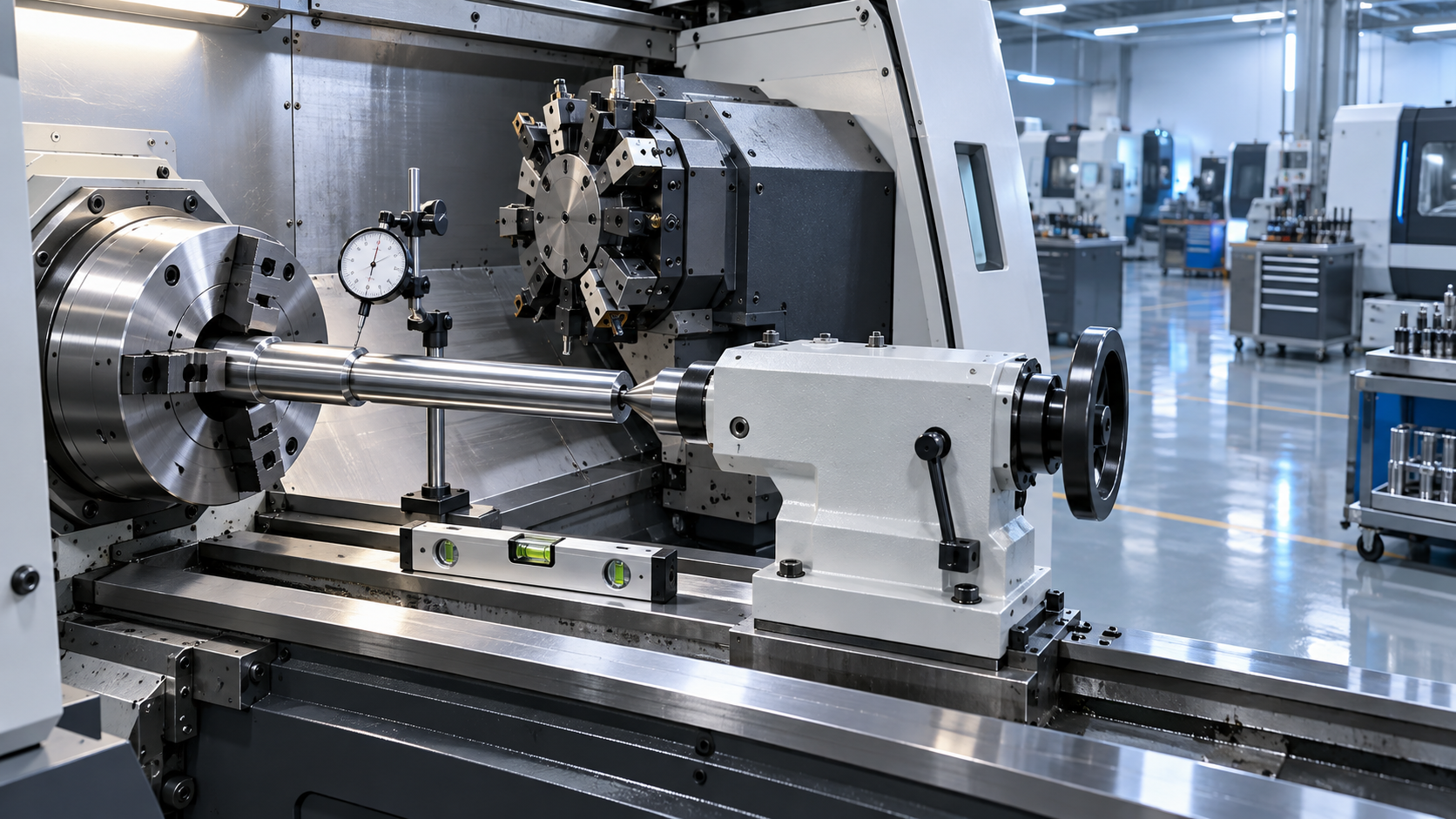
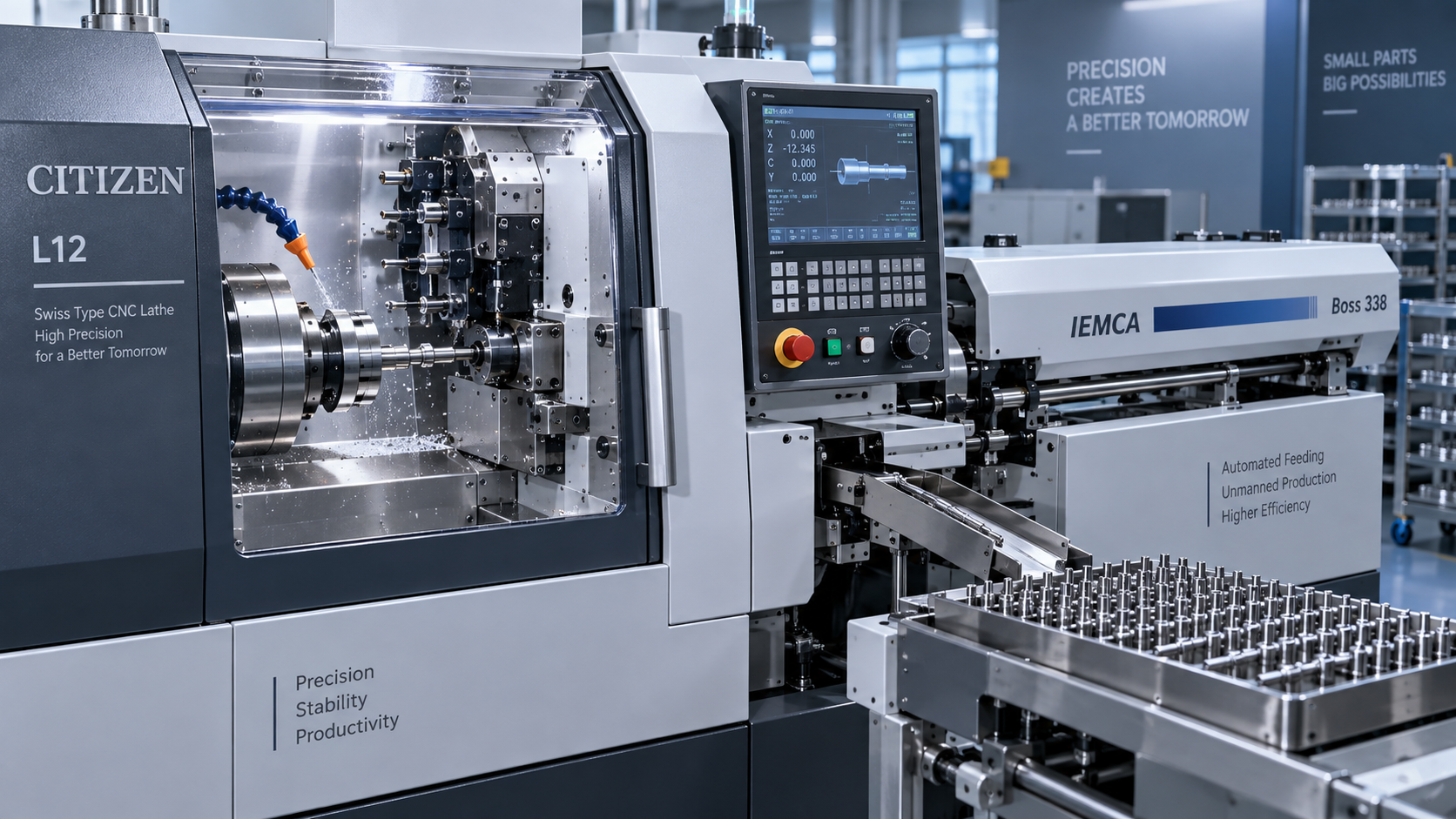
Industrial machining equipment buyers are increasingly prioritizing cost and features—but overlooking a silent performance killer: thermal drift in mid-range CNC industrial machines. As automated industrial systems scale across automotive, aerospace, and electronics production, even minor thermal expansion in CNC metal cutting or industrial turning setups erodes part accuracy, scrap rates, and long-term ROI. This is especially critical for high precision lathe users and procurement teams evaluating CNC production equipment. Whether sourcing an automated lathe, CNC metal lathe, or full CNC industrial equipment package, understanding thermal behavior isn’t optional—it’s foundational to precision equipment reliability, metal machining consistency, and sustainable automated production.
Why Thermal Drift Is the Hidden Cost of Mid-Range CNC Machines
Thermal drift refers to dimensional changes in machine tool structures—especially cast iron beds, spindles, and ball screws—caused by internal heat generation (motor losses, friction) and ambient temperature fluctuations. In mid-range CNC lathes and machining centers priced between $85,000 and $320,000, manufacturers often omit active thermal compensation systems to meet aggressive price targets. Yet industry testing shows that unmitigated thermal growth can induce positional errors of ±8–12 μm within just 90 minutes of continuous operation—a deviation exceeding ISO 230-2 tolerance bands for Class G machines.
This effect compounds during multi-shift operations common in Tier-1 automotive suppliers and EMS contract manufacturers. A study across 17 facilities in Germany and China found that 63% of unplanned rework on shaft components with ±0.015 mm GD&T callouts was directly traceable to thermal instability—not tool wear or programming error. Worse, operators rarely detect it in real time: surface finish remains acceptable, and cycle times stay consistent—masking gradual loss of geometric fidelity.
Unlike high-end machines equipped with dual-laser interferometers and real-time spindle temperature mapping, mid-tier models typically rely on single-point ambient sensors or no thermal monitoring at all. That gap creates a false sense of stability—until first-article inspection fails, or batch rejection spikes after the third shift.
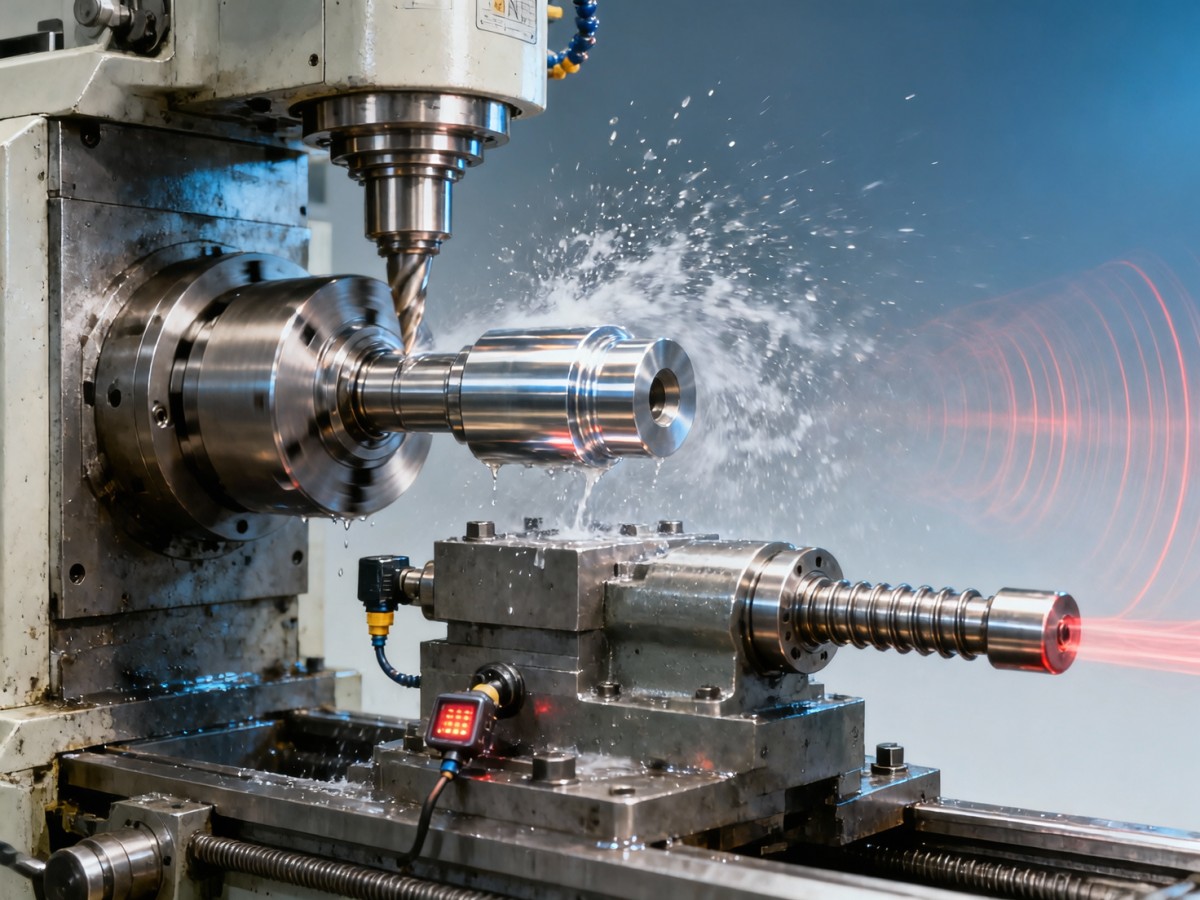
How Thermal Behavior Impacts Key Applications
In aerospace structural parts, where titanium alloy flanges require bore concentricity ≤0.02 mm over 300 mm length, thermal gradient-induced column bending causes measurable runout drift. Similarly, in electronics housing machining—where aluminum enclosures demand flatness <0.008 mm across 150 × 150 mm surfaces—bed deformation from motor heat reduces repeatability by up to 40% after 4 hours of milling.
Automotive transmission gear blanks present another critical case: gear tooth profile tolerances of ±0.005 mm demand sub-micron spindle axial stability. Without thermal compensation, spindle thermal growth averages 3.2–5.7 μm per 1°C rise—well above the 1.5 μm allowable variation in ISO 1328-1 Class 4 gears.
The risk escalates when integrating CNC lathes into automated lines. A robotic arm loading parts every 45 seconds accelerates heat buildup in the chuck interface and turret base—introducing cumulative positioning offsets that propagate across dozens of parts before detection. Real-world data from three Japanese Tier-2 suppliers confirms average scrap rate increases of 2.8–5.1% per 1000 units when thermal management is omitted.
These numbers underscore a fundamental truth: thermal drift doesn’t just affect “high-precision” jobs—it undermines the baseline reliability expected from any CNC metal lathe operating beyond ambient temperature control (±1°C). For procurement teams, this means evaluating thermal specifications—not just spindle RPM or axis travel—as core performance criteria.
What to Verify Before Procuring a Mid-Range CNC Machine
Buyers must move beyond catalog specs and request documented thermal performance data. Leading suppliers now publish thermal growth curves under standardized test conditions (ISO 230-3 Annex B), measured using calibrated thermocouples at 12 strategic points on the bed, column, and spindle housing.
Key verification items include:
- Presence of real-time thermal compensation (TCC) software—verified via OEM certification, not marketing claims;
- Minimum thermal sensor count: ≥8 embedded sensors (not just ambient room probes);
- Compensation update frequency: ≤200 ms intervals for closed-loop correction;
- Validated drift suppression: ≤±1.5 μm positional error over 4-hour continuous run at 23°C ±2°C ambient.
Also request thermal soak test reports for your specific work envelope—e.g., if machining 400-mm-diameter discs at 1200 RPM, ask for spindle thermal growth data at that exact load point. Generic “spindle temp rise <15°C” statements are meaningless without context.
Without these checks, procurement decisions default to lowest-cost bidding—ignoring the $12,000–$45,000 annual cost of recalibration, scrap, and secondary inspection labor accumulated per machine.
Practical Mitigation Strategies for Existing Installations
For shops already operating mid-range CNC lathes without TCC, low-cost interventions deliver measurable gains. Installing a closed-loop coolant chiller maintaining ±0.3°C stability cuts spindle thermal growth by 60–70%. Adding localized air curtains around the turret and chuck reduces ambient convection effects—validated in 12 German automotive plants to improve bore roundness by 0.004 mm.
Process-level adjustments also help: staggering heavy roughing and finishing passes across shifts allows thermal recovery; implementing “thermal warm-up cycles” (5-min idle at 60% max RPM before part loading) stabilizes spindle geometry within 3 minutes. These practices reduce first-part rejection by 22–38%, per data collected from 9 facilities over 18 months.
Most importantly, integrate thermal monitoring into predictive maintenance logs. Track spindle temperature vs. positional error trends weekly. A sustained 0.8 μm/°C correlation signals deteriorating bearing preload or insufficient lubrication—enabling intervention before dimensional failure occurs.
Final Recommendation: Thermal Integrity as a Non-Negotiable Specification
Thermal drift is not a “high-end problem.” It is a deterministic, quantifiable, and preventable factor that directly governs process capability (Cpk), cost-per-part, and equipment lifetime ROI. For procurement professionals evaluating CNC metal lathes or full CNC industrial equipment packages, thermal performance metrics must carry equal weight with spindle power, axis acceleration, and warranty terms.
Prioritize suppliers who publish ISO-compliant thermal test data—not just brochures—and who offer field validation services: on-site thermal mapping, warm-up protocol optimization, and TCC calibration audits. These capabilities separate true engineering partners from transactional vendors.
If your current or prospective CNC lathe lacks verified thermal compensation, you’re not buying affordability—you’re pre-paying for scrap, rework, and delayed delivery. Don’t let silent drift degrade your competitive edge.
Get a free thermal performance assessment for your next CNC lathe or machining center evaluation—contact our precision engineering team today to review technical documentation, request test reports, or schedule a live thermal stability demo.
Recommended for You
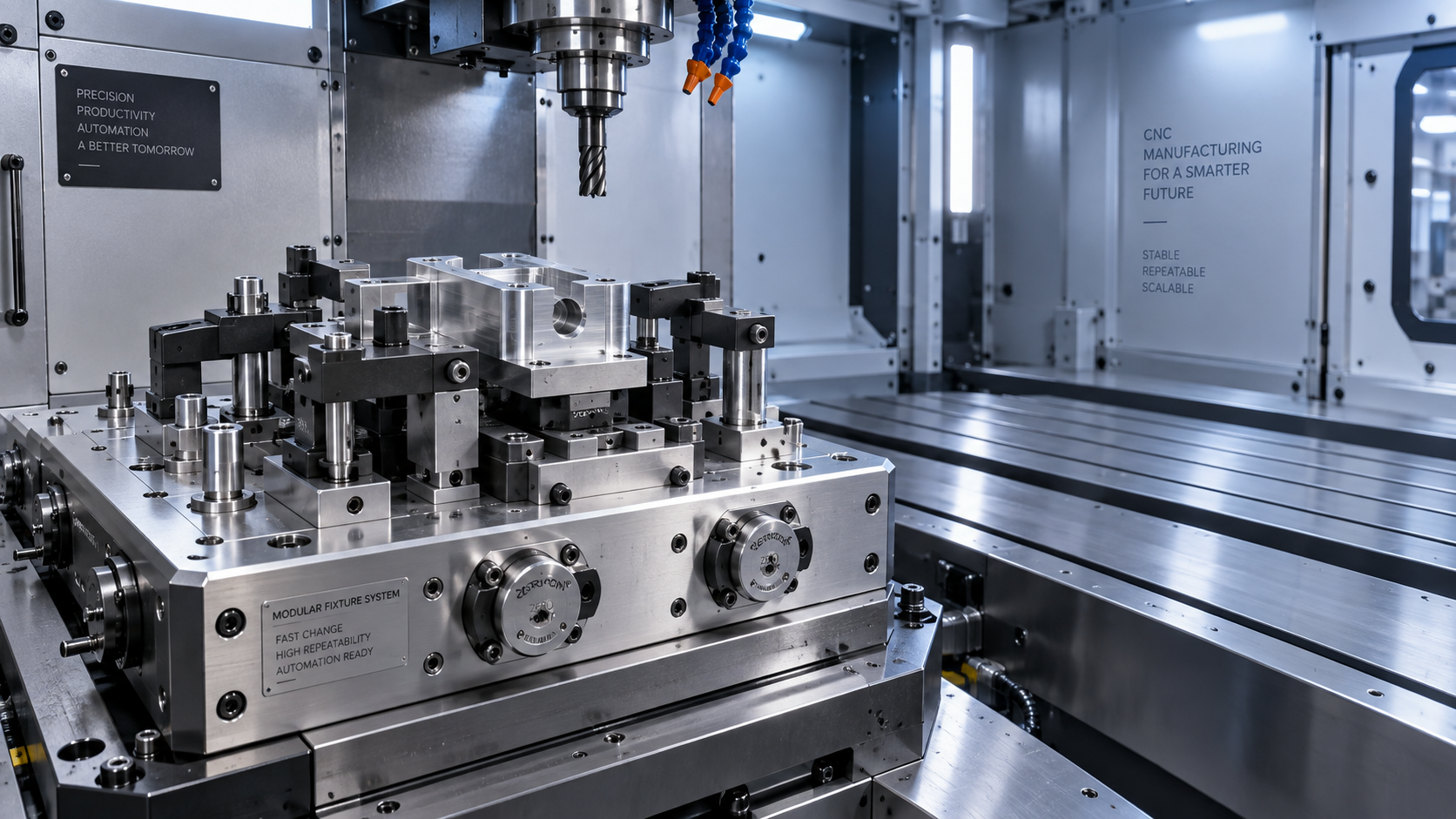
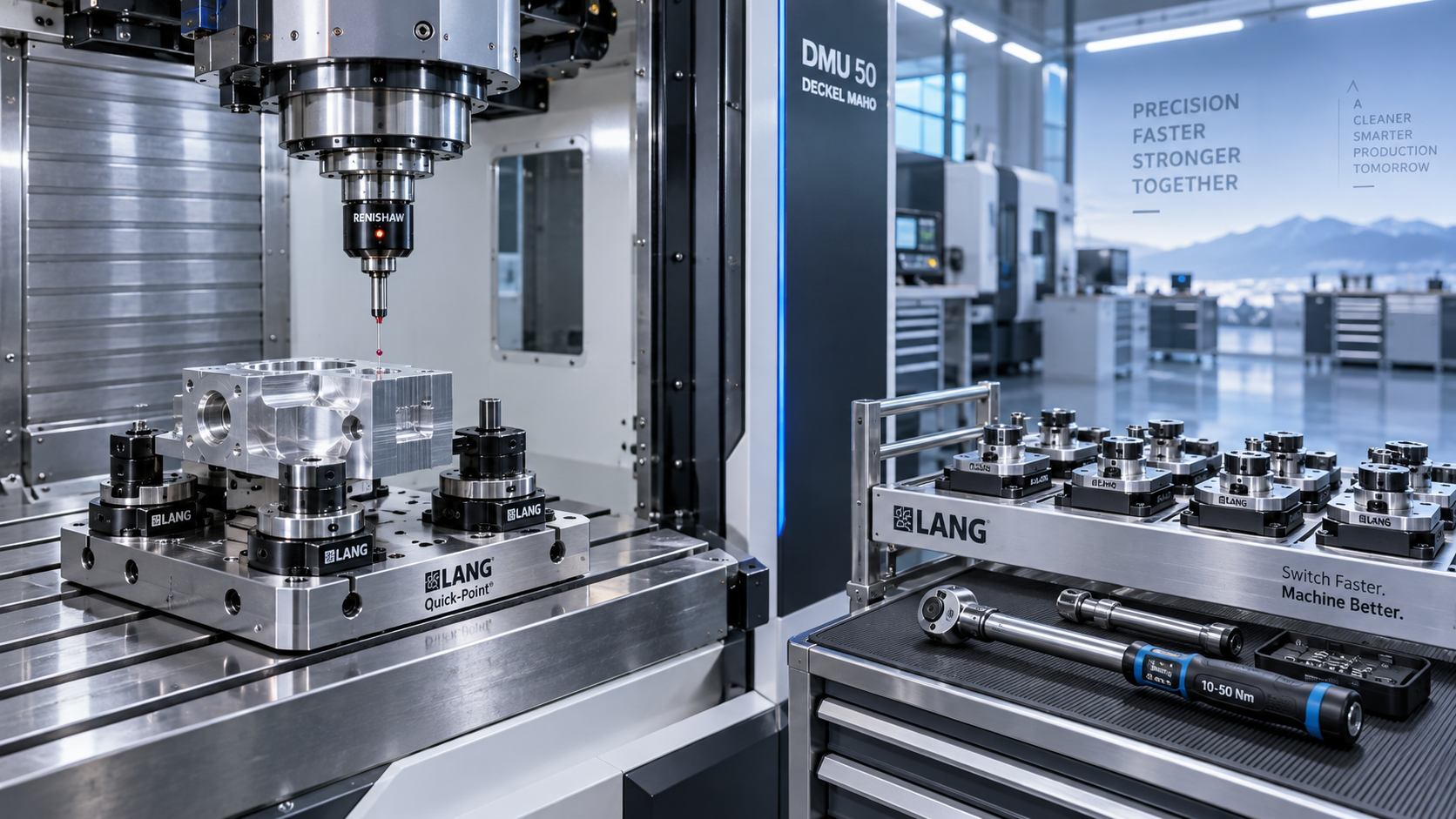
 Zero-Point Clamping or Modular Fixtures? Choosing a Faster CNC Changeover SystemCNC Machining Technology Center
 How to Cut CNC Fixture Changeover Time Without Sacrificing Part AccuracyCNC Machining Technology Center
 When Does CNC Turning Pay Off? A Break-Even Guide by Annual Part VolumeMachine Tool Industry Editorial Team
 Machine Tool Standards by Country: What Importers Must Verify Before PurchaseManufacturing Policy Research Center
 CNC Lathe Quick Installation Guide: Alignment Checks Before First Production RunCNC Machining Technology Center
 How to Select a CNC Lathe for Small Parts Without Sacrificing Accuracy or Cycle TimeCNC Machining Technology Center

Aris Katos
Future of Carbide Coatings
15+ years in precision manufacturing systems. Specialized in high-speed milling and aerospace grade alloy processing.
▶
Global Machine Tool Backlog Falls 12% as Automation Shifts DemandManufacturing Market Research Center▶
What Drives Machine Tool Price: 7 Cost Factors Buyers Should Compare Before OrderingManufacturing Market Research Center▶
Manufacturing Industry Cost Drivers in 2025: Labor, Energy, Freight, and Sourcing RisksManufacturing Market Research Center▶
CCMT2026 Ends With 40.2% Rise in Five-Axis Export PricesManufacturing Market Research Center▶
China CNC Localization Tops 50%, Pressuring FANUCManufacturing Market Research Center
Mastering 5-Axis Workholding Strategies
Join our technical panel on Nov 15th to learn about reducing vibrations in thin-wall components.

Providing you with integrated sanding solutions
Before-sales and after-sales services
Comprehensive technical support