• Global CNC market projected to reach $128B by 2028 • New EU trade regulations for precision tooling components • Aerospace deman
NYSE: CNC +1.2%LME: STEEL -0.4%

What Drives Machine Tool Price: 7 Cost Factors Buyers Should Compare Before Ordering
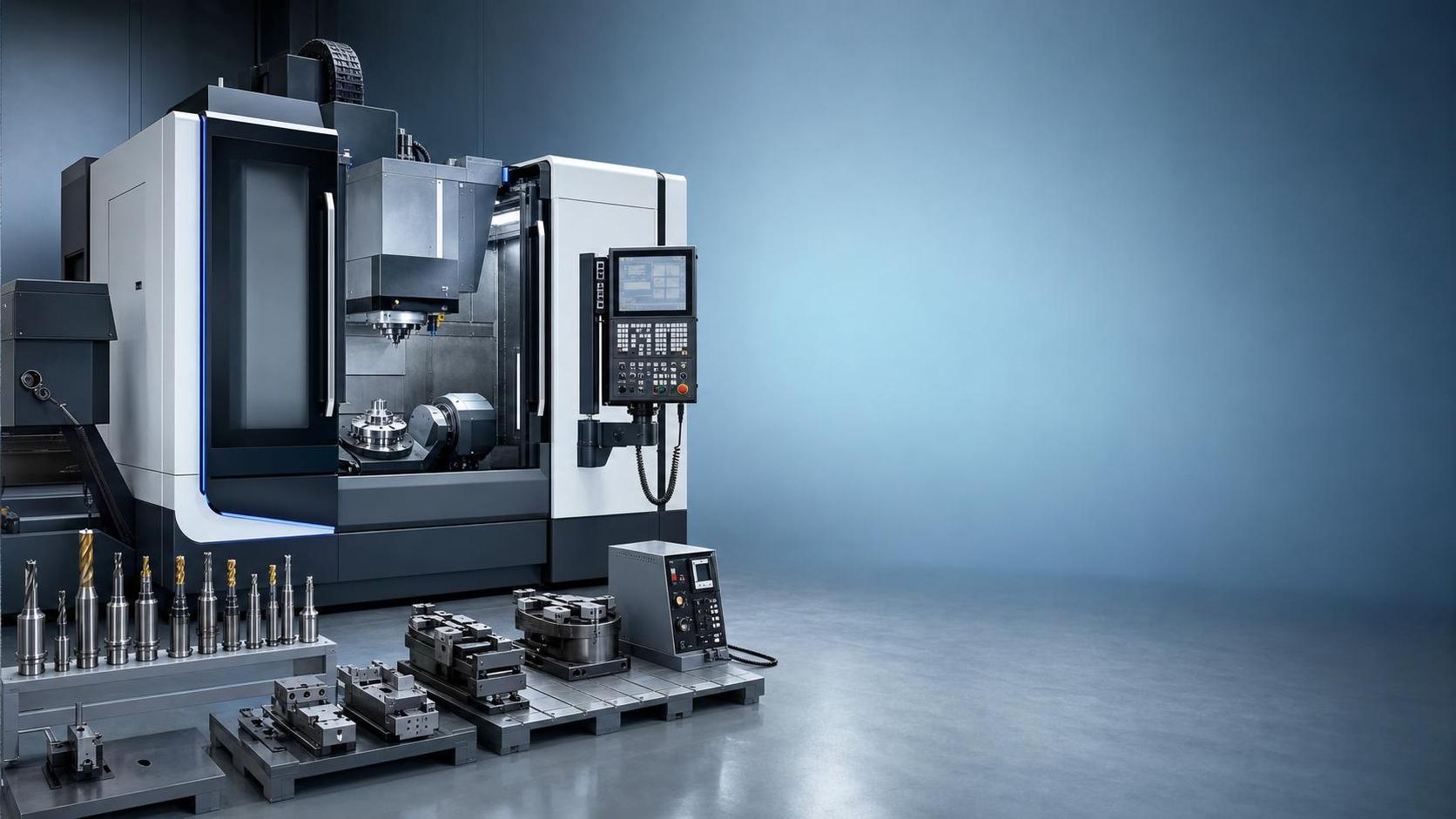
What Really Shapes Machine Tool Price
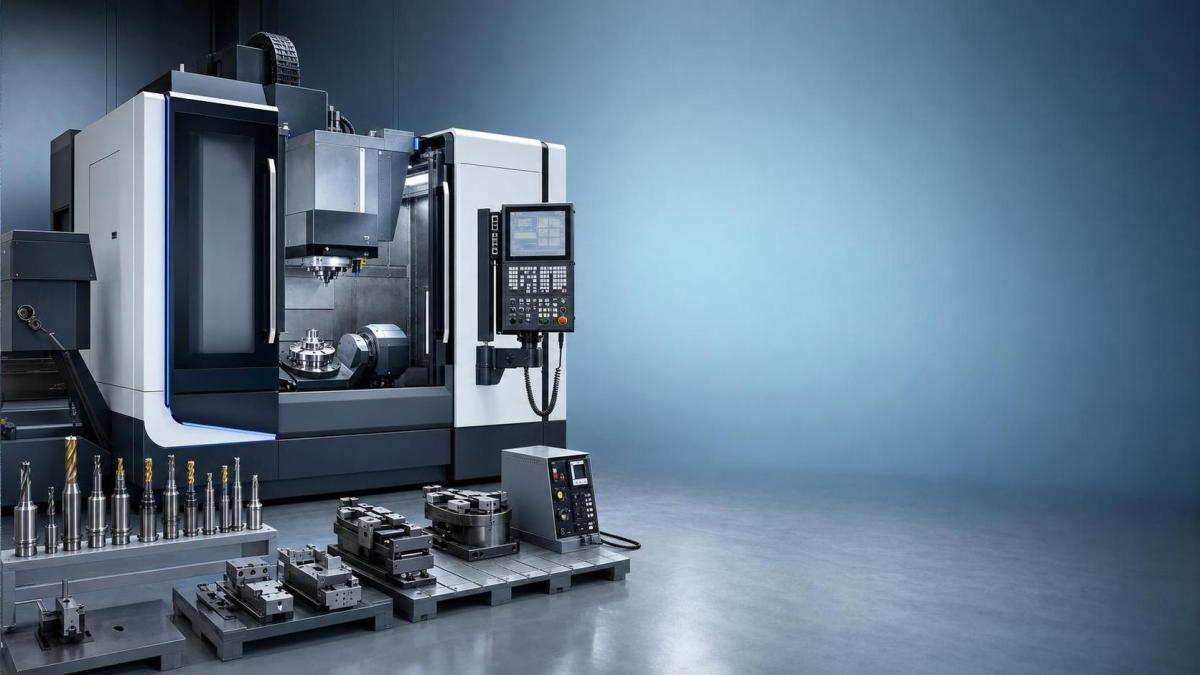
Machine tool price rarely comes down to one number on a quotation.
The visible purchase cost is only the starting point.
In real sourcing decisions, the bigger question is what that number includes, and what it leaves out.
That matters even more in CNC machining, where machine configuration, precision, and service support can change total cost dramatically.
A lower machine tool price may look attractive at approval stage.
Yet it can lead to higher tooling waste, slower output, and expensive downtime later.
A higher machine tool price can also be hard to justify if the specification exceeds actual production needs.
The practical approach is comparison, not guesswork.
Before ordering, buyers should compare seven cost factors that directly influence machine tool price and long-term return.
These factors also help separate a realistic quote from one that looks low only because key items were excluded.
1. Machine Type and Core Configuration
The first and most obvious driver of machine tool price is machine type.
A CNC lathe, vertical machining center, horizontal machining center, and multi-axis system sit in very different price bands.
But the real comparison starts inside the specification sheet.
Spindle power, travel range, table size, control system, tool magazine capacity, and axis count all affect cost.
So do casting quality, guideway design, and drive components.
In practice, many quotes look comparable until these details are lined up side by side.
- Entry models usually reduce machine tool price through simpler controls and lower automation readiness.
- Production-grade models raise machine tool price with stronger rigidity and better continuous operating stability.
- High-mix manufacturers often pay more for flexibility rather than raw cutting speed.
This is where overbuying often begins.
If the job mix does not require advanced structure, the added machine tool price may not produce a matching return.
2. Precision, Tolerance, and Stability Level
Precision is one of the strongest reasons machine tool price rises quickly.
Higher accuracy requires better ballscrews, thermal control, spindle balance, assembly quality, and inspection standards.
It also requires the machine to hold performance over time, not just during factory testing.
For aerospace, electronics, and precision parts production, this added machine tool price may be fully justified.
For rough machining or general fabrication, it may not be.
A useful question is not simply, “How accurate is this machine?”
It is, “How much of that accuracy is necessary for our actual product tolerance?”
That distinction helps avoid paying premium machine tool price for precision that never reaches the finished part value.
3. Automation Features and Integration Scope
Automation has become a major machine tool price driver across global manufacturing.
Automatic tool changers, pallet systems, bar feeders, robotic loading, probing, and in-process monitoring all add cost.
Digital connectivity adds another layer.
MES links, remote diagnostics, data capture, and smart factory integration can increase machine tool price even before production starts.
Still, recent market changes make this easier to justify.
Labor shortages, shift expansion, and demand for stable cycle times are pushing more factories toward automated cells.
The key is matching automation level to throughput goals.
When the output requirement is modest, a heavily automated package can stretch payback far beyond target.
When labor intensity is high, the same machine tool price may improve margins quickly.
4. Brand, Country of Origin, and Supply Chain Position
Brand reputation influences machine tool price more than many first-time buyers expect.
Suppliers from Germany, Japan, South Korea, China, and Taiwan often compete on different strengths.
Some lead on precision and reliability.
Others offer faster delivery, wider model availability, or better cost performance.
This also means brand premium should be examined carefully.
A higher machine tool price may reflect stronger resale value, easier spare parts access, and lower operating risk.
But sometimes it reflects brand positioning more than functional advantage for the intended workload.
Buyers should also compare import duties, freight, exchange rate exposure, and local compliance costs.
Those items can shift the true machine tool price after approval.
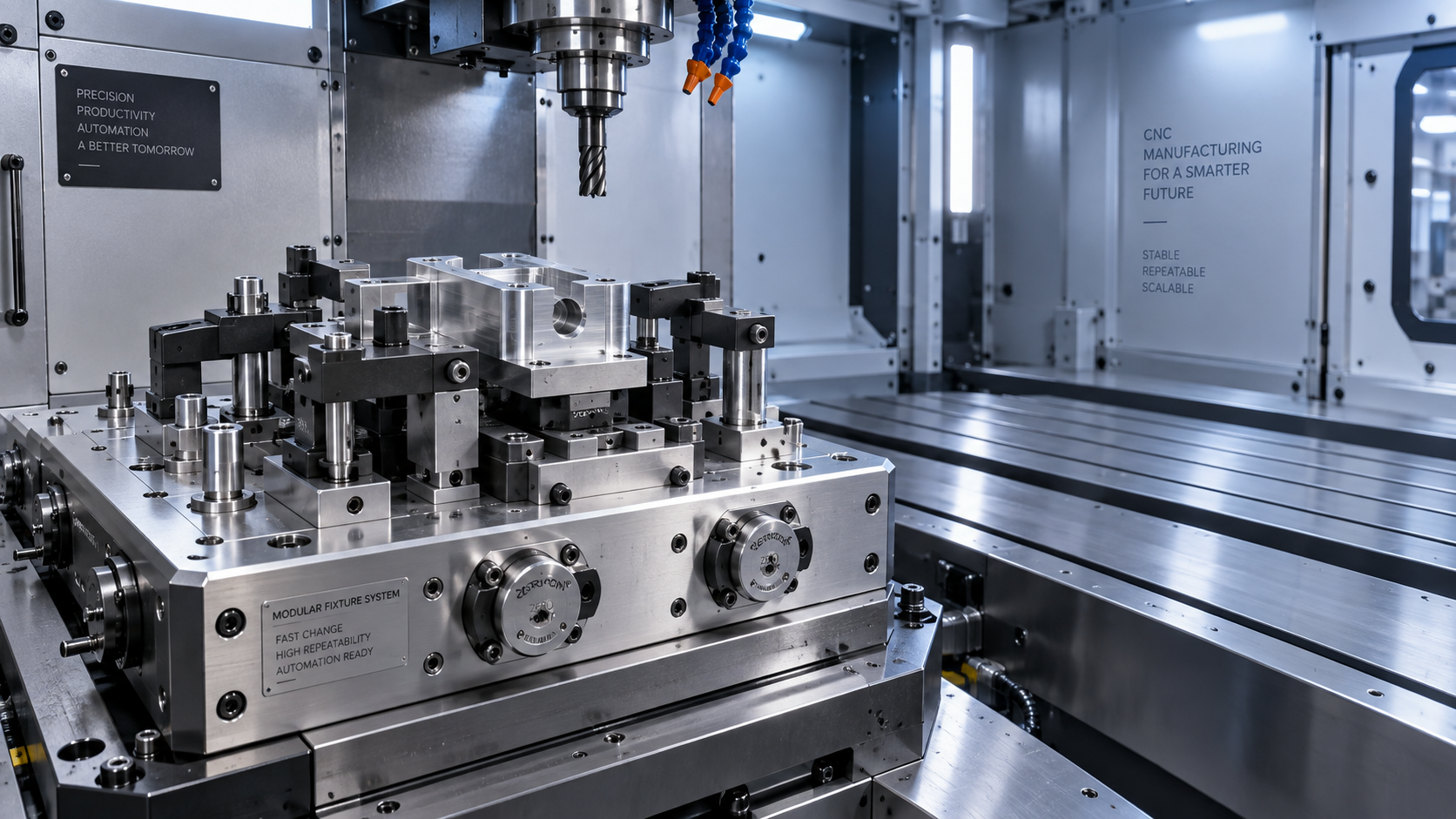
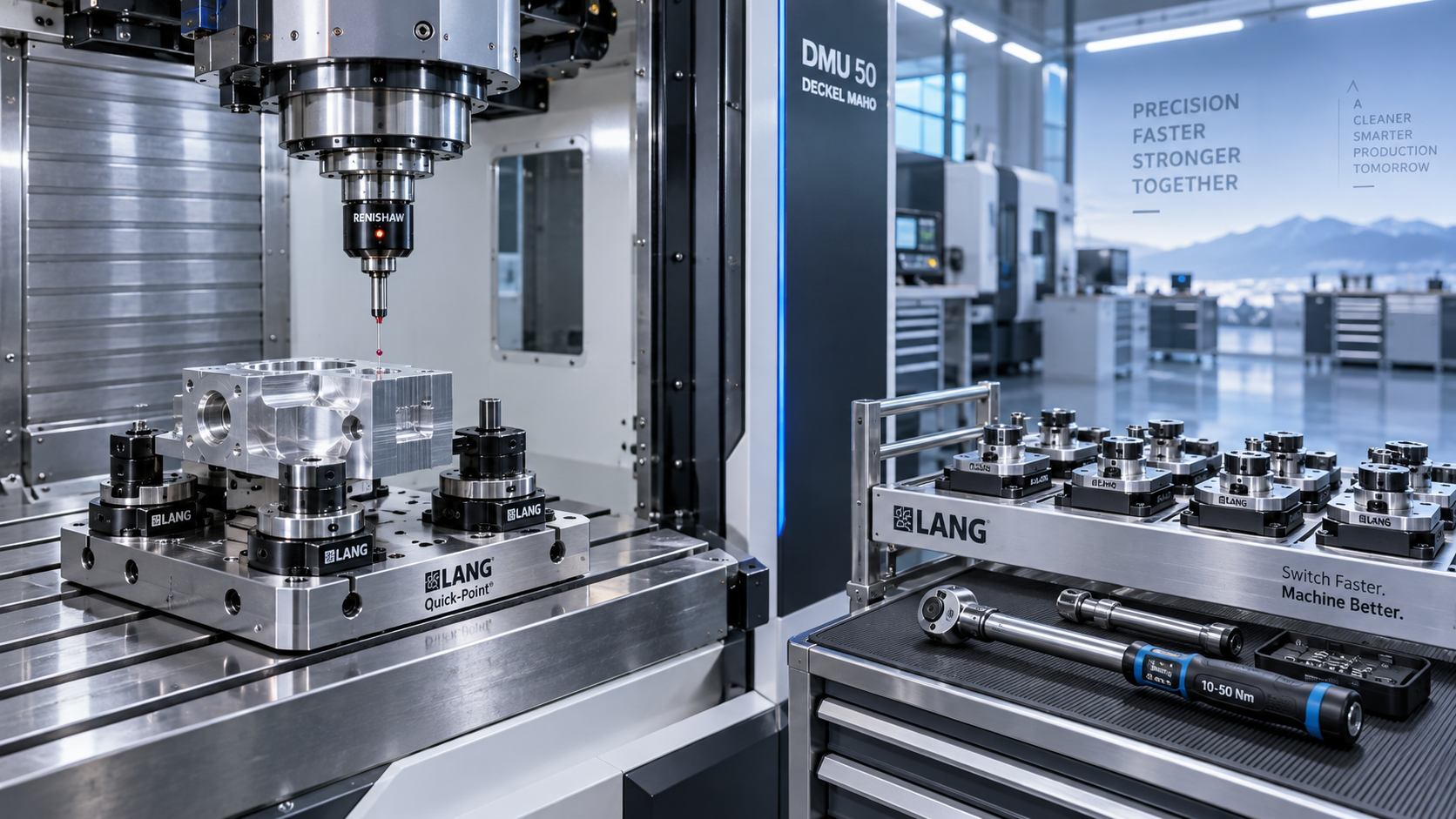
5. Tooling, Fixtures, and Application Customization
The quoted machine tool price often excludes critical production hardware.
That includes cutting tools, tool holders, fixtures, chucks, hydraulic systems, probes, and part-specific attachments.
For complex components, customization can become a major budget line.
This is especially true in automotive, aerospace, and energy equipment production.
A low initial machine tool price may look competitive until these extras are added.
That is why a complete comparison should ask for application-ready pricing, not base-machine pricing only.
6. Installation, Training, and After-Sales Support
Support costs can quietly reshape machine tool price after the order is signed.
Installation, commissioning, operator training, maintenance contracts, and emergency service response all matter.
So does spare parts lead time.
A machine with a lower purchase price can become expensive if downtime lasts days because support is remote or parts are delayed.
This is one of the clearest differences between quote price and ownership cost.
When comparing suppliers, ask for service scope in writing.
- What is included in commissioning?
- How many training days are covered?
- Where are spare parts stocked?
- What is the guaranteed response time?
- Is preventive maintenance priced separately?
Those answers help explain whether the stated machine tool price is complete or only partial.
7. Energy Use, Lifecycle Cost, and ROI Horizon
The final comparison factor is the one many teams leave for last.
That is lifecycle cost.
Energy consumption, preventive maintenance, expected uptime, scrap reduction, and useful service life all influence the real machine tool price over years.
A machine that costs more upfront may still be the better financial choice.
That happens when it runs faster, cuts rework, and stays productive longer.
From a cost control perspective, the better signal is total return over a realistic horizon.
For most industrial equipment, that means evaluating three to seven years, not just the purchase month.
If the supplier cannot support a basic ROI model, the quoted machine tool price deserves closer scrutiny.
A Practical Comparison Checklist Before Ordering
A strong buying decision usually comes from a short, disciplined review process.
- Compare machine tool price against matched technical specifications.
- Separate base-machine cost from tooling, fixtures, and software.
- Check whether quoted precision matches actual part tolerance needs.
- Measure automation cost against labor savings and output targets.
- Review service coverage, spare parts access, and training terms.
- Estimate operating cost and ROI over the full equipment life.
That process reduces approval risk and improves negotiation leverage.
It also makes supplier discussions more objective, especially when several offers seem close on paper.
Final Thought on Machine Tool Price
Machine tool price should never be judged by the quote total alone.
The smarter view is to compare what each price actually buys in performance, stability, support, and future operating value.
In a market shaped by automation, precision manufacturing, and global sourcing pressure, that discipline matters more than ever.
Before placing an order, line up these seven factors and ask each supplier to answer them clearly.
That is usually where the real machine tool price becomes visible, and where the better investment decision starts.
Recommended for You
 Can CNC Machining Inconel Control Tool Wear in High-Temperature Aerospace Parts?CNC Machining Technology Center
 Machine Tool Market Outlook: Demand Drivers, Capacity Shifts, and Investment RisksManufacturing Market Research Center
 Zero-Point Clamping or Modular Fixtures? Choosing a Faster CNC Changeover SystemCNC Machining Technology Center
 How to Cut CNC Fixture Changeover Time Without Sacrificing Part AccuracyCNC Machining Technology Center
 When Does CNC Turning Pay Off? A Break-Even Guide by Annual Part VolumeMachine Tool Industry Editorial Team
 Machine Tool Standards by Country: What Importers Must Verify Before PurchaseManufacturing Policy Research Center

Aris Katos
Future of Carbide Coatings
15+ years in precision manufacturing systems. Specialized in high-speed milling and aerospace grade alloy processing.
▶
Machine Tool Market Outlook: Demand Drivers, Capacity Shifts, and Investment RisksManufacturing Market Research Center▶
Global Machine Tool Backlog Falls 12% as Automation Shifts DemandManufacturing Market Research Center▶
What Drives Machine Tool Price: 7 Cost Factors Buyers Should Compare Before OrderingManufacturing Market Research Center▶
Manufacturing Industry Cost Drivers in 2025: Labor, Energy, Freight, and Sourcing RisksManufacturing Market Research Center▶
CCMT2026 Ends With 40.2% Rise in Five-Axis Export PricesManufacturing Market Research Center
Mastering 5-Axis Workholding Strategies
Join our technical panel on Nov 15th to learn about reducing vibrations in thin-wall components.

Providing you with integrated sanding solutions
Before-sales and after-sales services
Comprehensive technical support