• Global CNC market projected to reach $128B by 2028 • New EU trade regulations for precision tooling components • Aerospace deman
NYSE: CNC +1.2%LME: STEEL -0.4%

Global Manufacturing Shifts That Are Changing Sourcing Maps
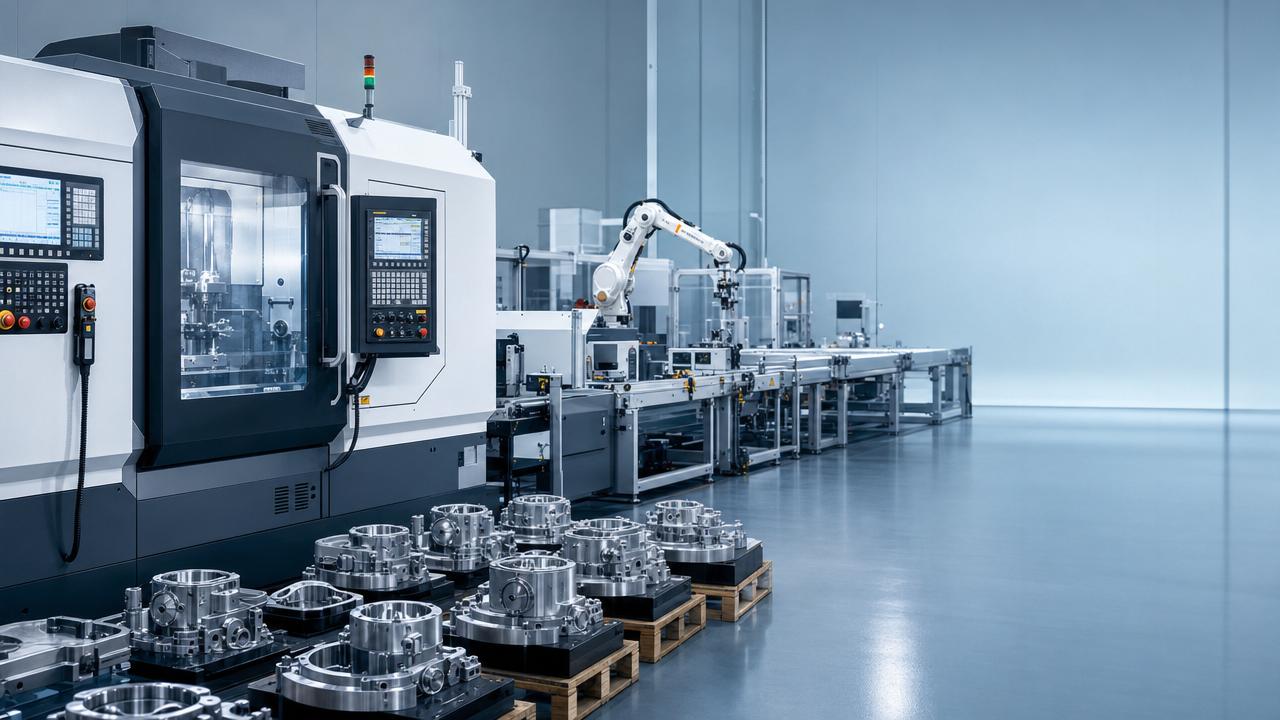
Global Manufacturing is reshaping sourcing strategies as companies respond to rising costs, regional risks, and shifting industrial capacity. In CNC machine tools and precision manufacturing, these changes affect supplier selection, delivery stability, component quality, and long-term competitiveness across global production networks.
As capacity moves between Asia, Europe, North America, and emerging hubs, sourcing maps are becoming more dynamic. A structured review helps identify where Global Manufacturing trends create opportunity, and where they introduce cost, compliance, or lead-time pressure.
Why sourcing decisions now need a structured review
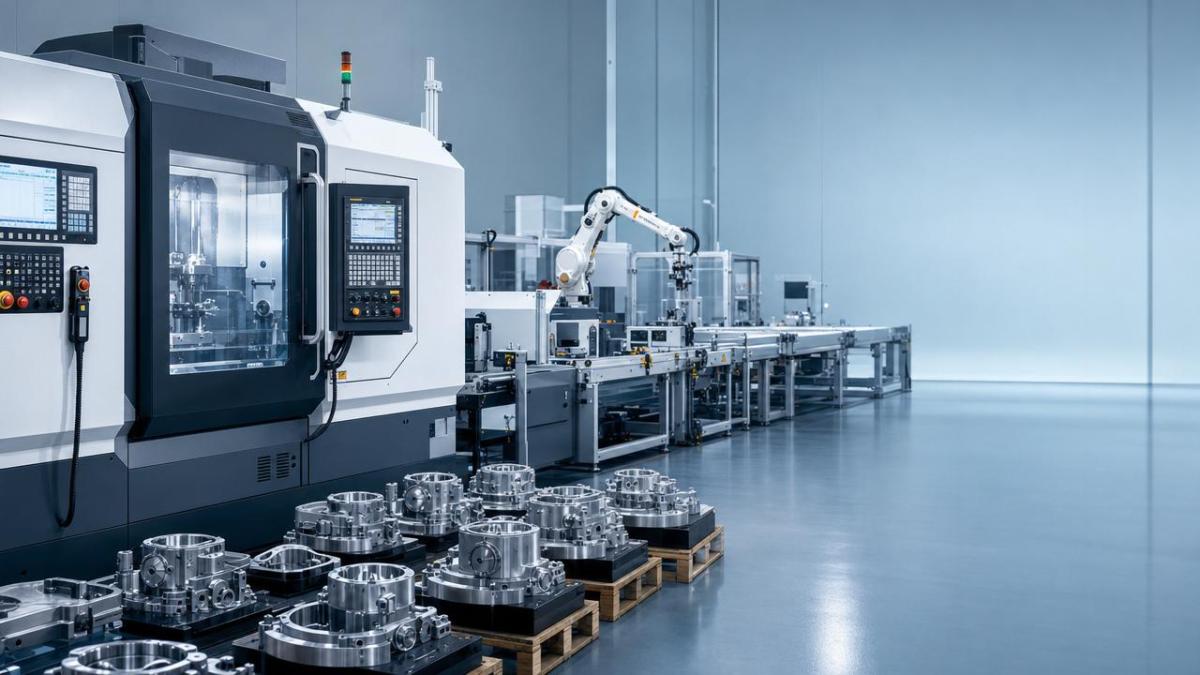
Global Manufacturing no longer follows a single low-cost model. Companies now balance labor rates, automation readiness, logistics resilience, energy costs, and trade policy when evaluating machine tool, parts, and systems suppliers.
In the CNC sector, supplier shifts can influence spindle lead times, casting availability, control system access, and precision component consistency. A clear checklist reduces guesswork and supports better sourcing decisions in a fragmented market.
Key points to review when Global Manufacturing shifts your sourcing map
- Check whether regional production growth is supported by real machining capacity, skilled labor availability, and local supply depth for castings, controls, tooling, and precision components.
- Compare total landed cost, not unit price alone, including freight, customs, packaging, insurance, financing, inspection, and the cost of delays or rework.
- Review geopolitical and trade exposure, especially where tariffs, export controls, sanctions, or localization rules could disrupt CNC machine tool and parts sourcing.
- Validate technical capability through tolerance control, material traceability, process stability, machine calibration records, and experience with complex multi-axis machining programs.
- Assess digital readiness, including ERP integration, production visibility, remote quality reporting, and responsiveness to engineering changes across international supplier networks.
- Measure lead-time resilience by checking safety stock policies, backup facilities, transportation options, and exposure to port congestion or border delays.
- Confirm certification and compliance status for target markets, including ISO systems, safety documentation, and sector-specific standards relevant to industrial equipment.
- Examine energy reliability and utility cost trends, because power-intensive machining, heat treatment, and automated production lines depend on stable infrastructure.
- Evaluate supplier financial health and ownership stability to reduce the risk of sudden shutdowns, delayed expansion, or inconsistent investment in equipment upgrades.
- Map critical sub-suppliers for spindles, bearings, servo systems, and electronics, since Global Manufacturing disruptions often start below the first-tier supplier level.
How regional shifts are changing sourcing choices
China remains central, but with a different role
China continues to anchor Global Manufacturing in machine tools, castings, automation hardware, and precision parts. Its scale, supplier density, and industrial clusters still offer speed and broad category coverage.
However, rising labor costs, policy shifts, and trade tensions are pushing some sourcing diversification. The practical question is often not whether to leave China, but what categories should remain there.
Southeast Asia is gaining attention
Vietnam, Thailand, Malaysia, and Indonesia are attracting investment as Global Manufacturing expands beyond traditional hubs. These markets are improving in electronics, assembly, metalworking, and export-oriented production.
The main check is supply-chain maturity. A plant may assemble efficiently while still depending on imported tooling, controls, or high-precision machining capacity from other countries.
India is growing in strategic importance
India is strengthening its role in Global Manufacturing through policy support, industrial expansion, and large domestic demand. It is increasingly relevant for machine components, fabrication, and engineering-intensive sourcing.
The strongest opportunities often come from suppliers with export experience, disciplined quality systems, and proven infrastructure near major industrial corridors and ports.
Europe, Japan, and South Korea remain premium capability centers
These regions still lead critical parts of Global Manufacturing, especially advanced CNC systems, precision controls, high-end bearings, robotics, and complex machine tool engineering.
Costs are usually higher, but technical risk may be lower. For demanding applications, performance stability and service support can justify a premium sourcing strategy.
Nearshoring is influencing the Americas
Mexico and parts of North America benefit from nearshoring as Global Manufacturing adapts to resilience goals. Shorter transit times and regional trade frameworks can improve responsiveness for industrial buyers.
The key review point is local ecosystem strength. Fast delivery matters less if upstream machining, electronics, or finishing services remain capacity constrained.
Additional checks for common sourcing situations
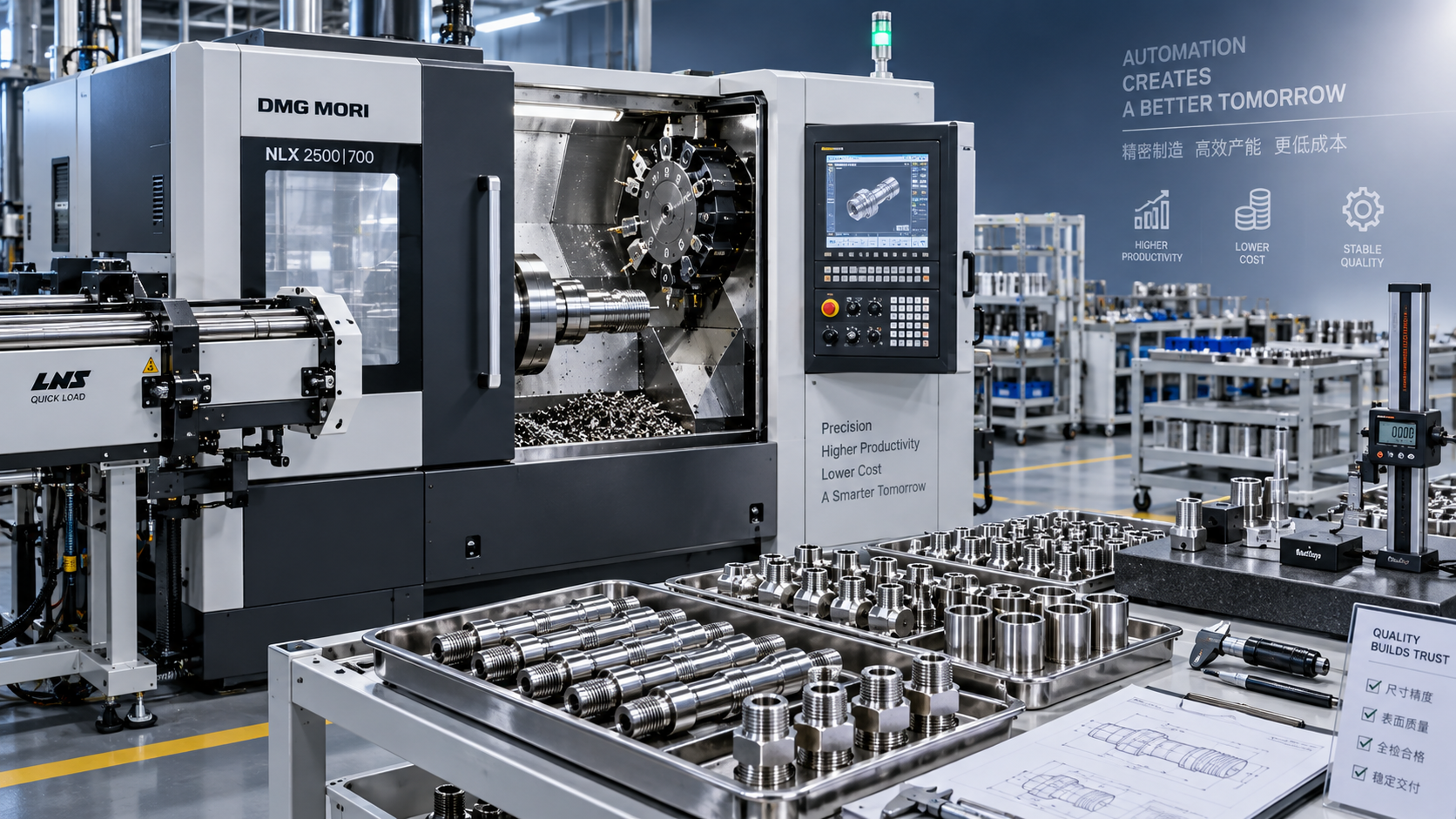
When sourcing complete CNC machines
Review after-sales service coverage, spare parts inventory, software support, and commissioning response times. Global Manufacturing shifts can weaken support if local representation is thin.
Also verify control brand compatibility, operator training resources, and the supplier’s track record in maintaining accuracy over long production cycles.
When sourcing precision components
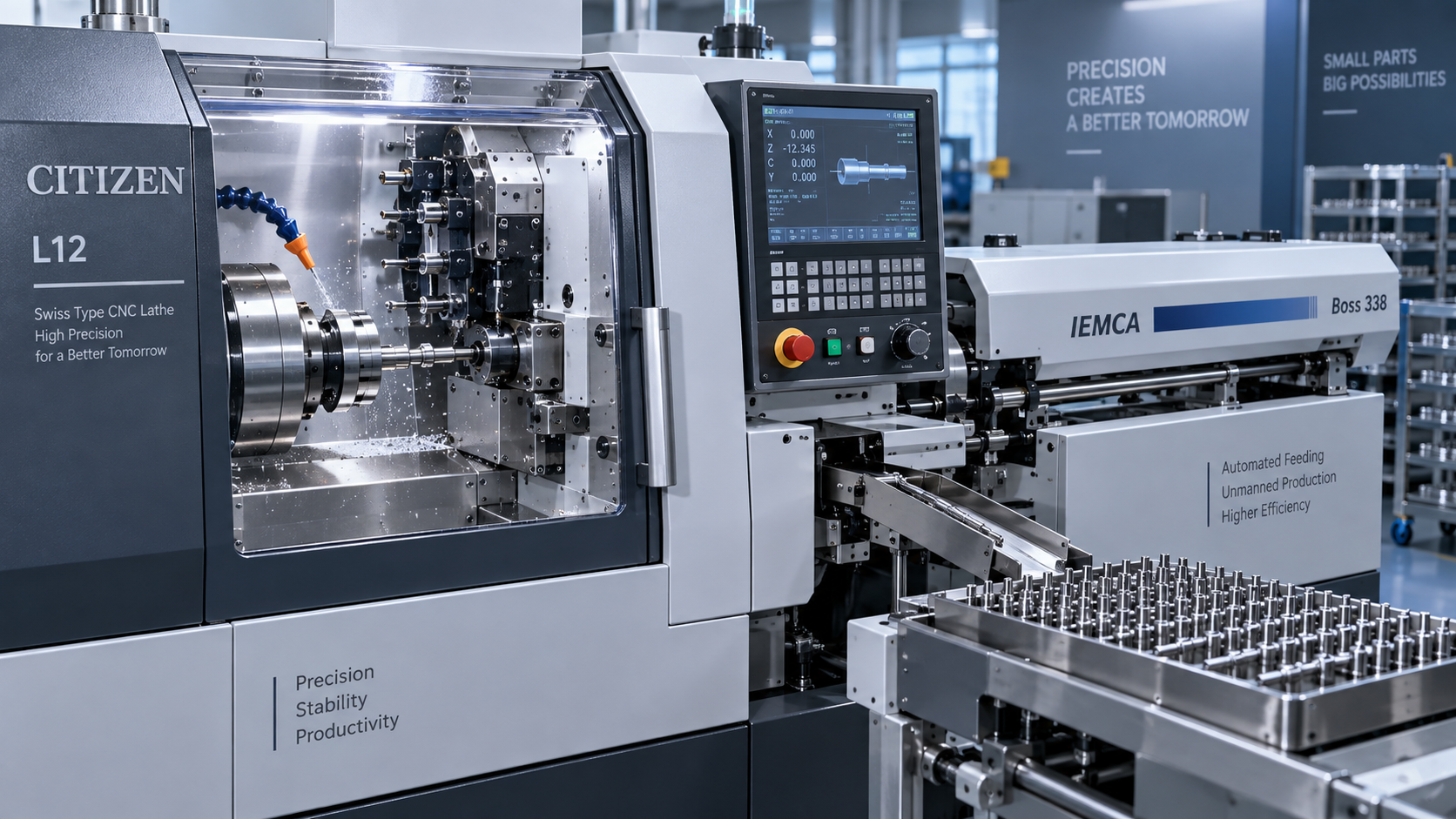
Focus on process capability, inspection systems, and batch consistency. Global Manufacturing expansion can create new options, but not all suppliers can hold tight tolerances at volume.
Request sample validation, gauge studies, and documentation for heat treatment, surface finish, and material origin before approving scaled production.
When sourcing automated production lines
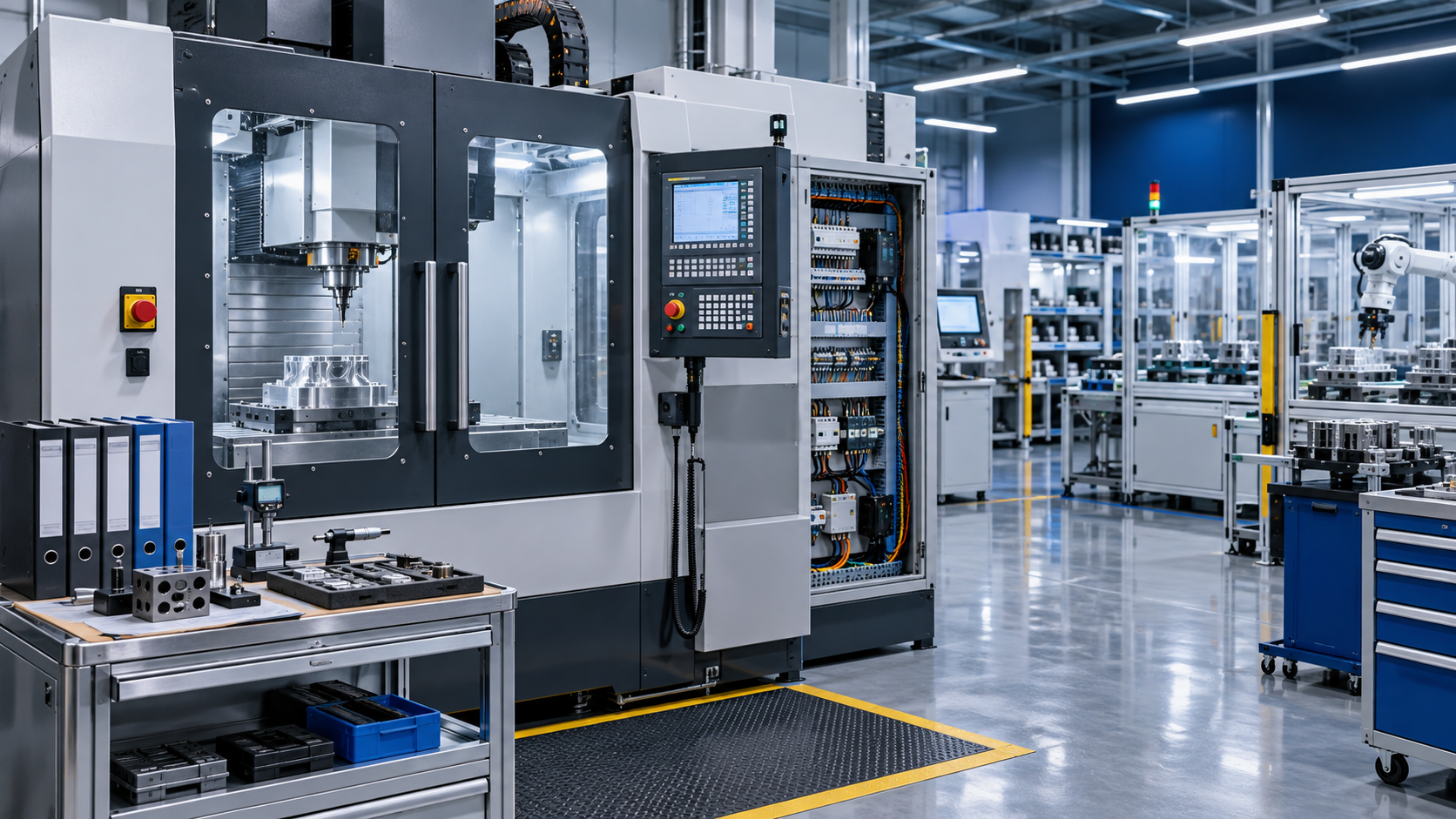
Check integration capability across robots, conveyors, sensors, tooling, and controls. In Global Manufacturing projects, coordination failure between subsystems often causes the biggest delays.
A practical review includes FAT readiness, remote debugging capacity, installation planning, and lifecycle support for software updates and replacement modules.
Commonly overlooked issues that create sourcing risk
Sub-tier dependency is often hidden
A supplier may appear diversified while relying on one shared source for castings, servo drives, or precision bearings. Global Manufacturing risk often concentrates in these hidden dependencies.
Technical documents are not always localized
Manuals, wiring diagrams, and maintenance instructions may be incomplete for export markets. This affects commissioning speed, safety compliance, and long-term serviceability.
Capacity expansion can reduce consistency
Rapid growth in Global Manufacturing hubs may stretch supervisors, training systems, and inspection resources. New lines do not guarantee stable output from day one.
Currency and payment terms can distort cost comparisons
A lower quoted price may weaken after exchange shifts, financing costs, or unfavorable milestone terms. True sourcing value requires a full commercial review.
Practical steps to apply now
- Segment suppliers by strategic value, technical complexity, and disruption risk before changing regions or adding new sources.
- Create a regional scorecard covering cost, lead time, compliance, quality, and infrastructure factors linked to Global Manufacturing trends.
- Run dual-source evaluations for critical components where downtime, certification, or engineering change delays would be especially costly.
- Audit sub-supplier chains for electronics, castings, and motion systems to identify exposure hidden behind first-tier assembly sites.
- Recalculate total landed cost every quarter, because freight, tariffs, and energy prices can change faster than annual sourcing contracts.
FAQ on Global Manufacturing and sourcing changes
Is low-cost country sourcing still the best model?
Not always. Global Manufacturing now rewards balanced decisions that include resilience, technical capability, and service access alongside unit cost.
Should sourcing move to one alternative region?
Usually no. A blended sourcing map often works better, with different regions assigned to standard parts, advanced systems, or fast-response requirements.
What matters most for CNC and precision manufacturing?
Process control, consistency, support capability, and sub-tier visibility matter most. In Global Manufacturing, precision failure costs far more than small price differences.
Final takeaway and next move
Global Manufacturing is changing sourcing maps through regional diversification, automation investment, trade realignment, and capability shifts. The best response is disciplined evaluation rather than reactive supplier switching.
Start with a shortlist of critical categories, apply the review points above, and compare regions using measurable criteria. In CNC machine tools and precision manufacturing, better sourcing decisions begin with better visibility.
PREVIOUS ARTICLE
Recommended for You
 Zero-Point Clamping or Modular Fixtures? Choosing a Faster CNC Changeover SystemCNC Machining Technology Center
 How to Cut CNC Fixture Changeover Time Without Sacrificing Part AccuracyCNC Machining Technology Center
 When Does CNC Turning Pay Off? A Break-Even Guide by Annual Part VolumeMachine Tool Industry Editorial Team
 Machine Tool Standards by Country: What Importers Must Verify Before PurchaseManufacturing Policy Research Center
 CNC Lathe Quick Installation Guide: Alignment Checks Before First Production RunCNC Machining Technology Center
 How to Select a CNC Lathe for Small Parts Without Sacrificing Accuracy or Cycle TimeCNC Machining Technology Center

Aris Katos
Future of Carbide Coatings
15+ years in precision manufacturing systems. Specialized in high-speed milling and aerospace grade alloy processing.
▶
Global Manufacturing Trends: How Supply Chains and Regional Shifts Affect SourcingManufacturing Market Research Center▶
Small-Batch Production and Smart Manufacturing for Small Businesses: Where to Start FirstManufacturing Market Research Center▶
What Smart Manufacturing Technology for Industry 4.0 Means for Mid-Sized FactoriesManufacturing Market Research Center▶
How Smart Manufacturing Benefits Reduce Downtime and Scrap in Metal Parts ProductionManufacturing Market Research Center▶
Advanced Manufacturing Technology for Energy Equipment: Key Processes and Use CasesManufacturing Market Research Center
Mastering 5-Axis Workholding Strategies
Join our technical panel on Nov 15th to learn about reducing vibrations in thin-wall components.

Providing you with integrated sanding solutions
Before-sales and after-sales services
Comprehensive technical support