• Global CNC market projected to reach $128B by 2028 • New EU trade regulations for precision tooling components • Aerospace deman
NYSE: CNC +1.2%LME: STEEL -0.4%

How to Evaluate a Precision Machining Supplier in Germany for Quality and Lead Time
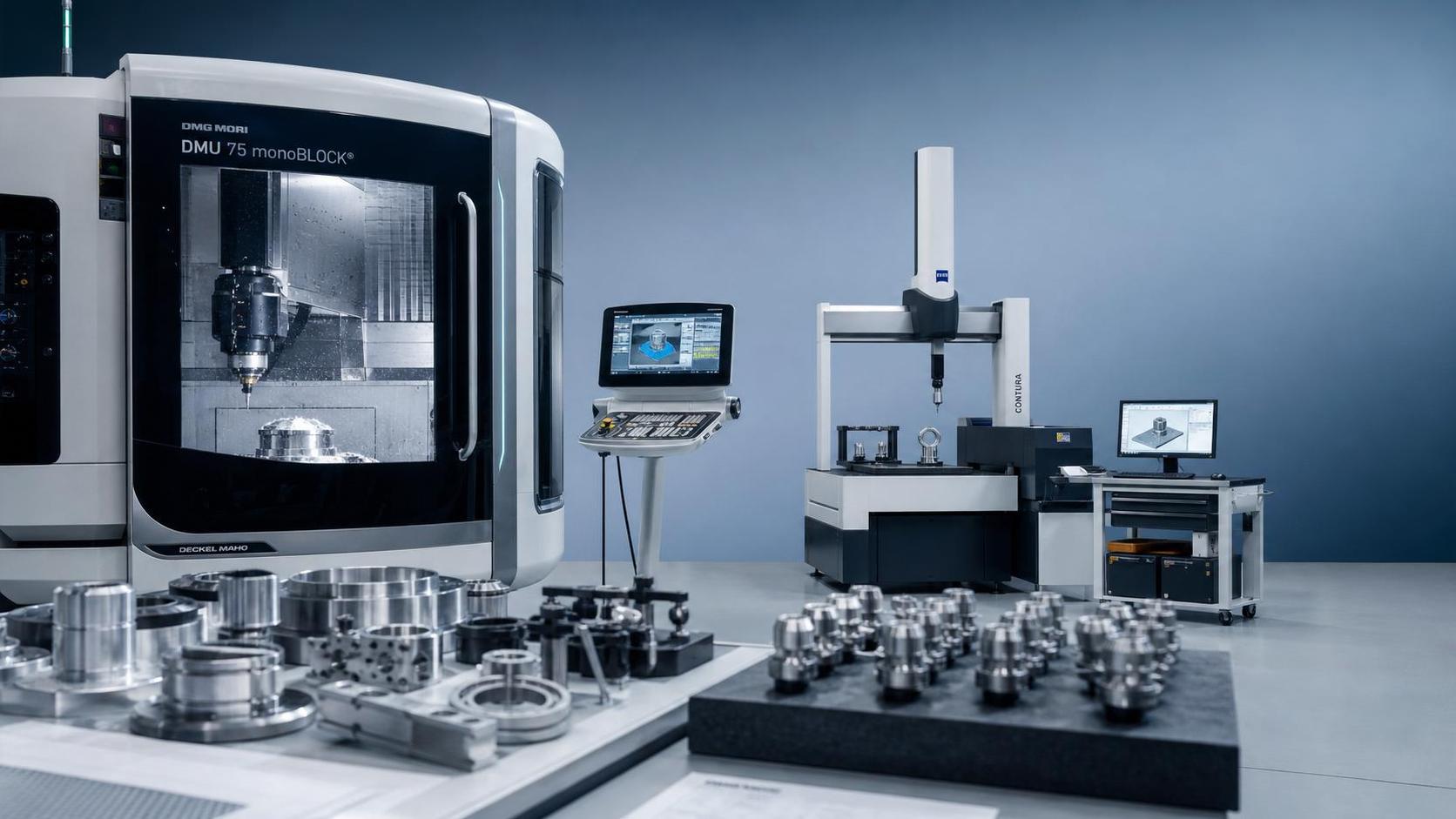
How to Evaluate a Precision Machining Supplier in Germany for Quality and Lead Time
Choosing the right Precision Machining Supplier in Germany can directly affect product quality, delivery reliability, and total procurement cost.
For automotive, aerospace, energy, and industrial programs, supplier evaluation needs to go far beyond a simple price comparison.
In practice, the strongest supplier is usually the one that balances machining capability, process discipline, and realistic lead-time control.
This guide explains how to assess a Precision Machining Supplier in Germany in a practical, low-risk, and decision-focused way.
Start with Technical Fit Before Price
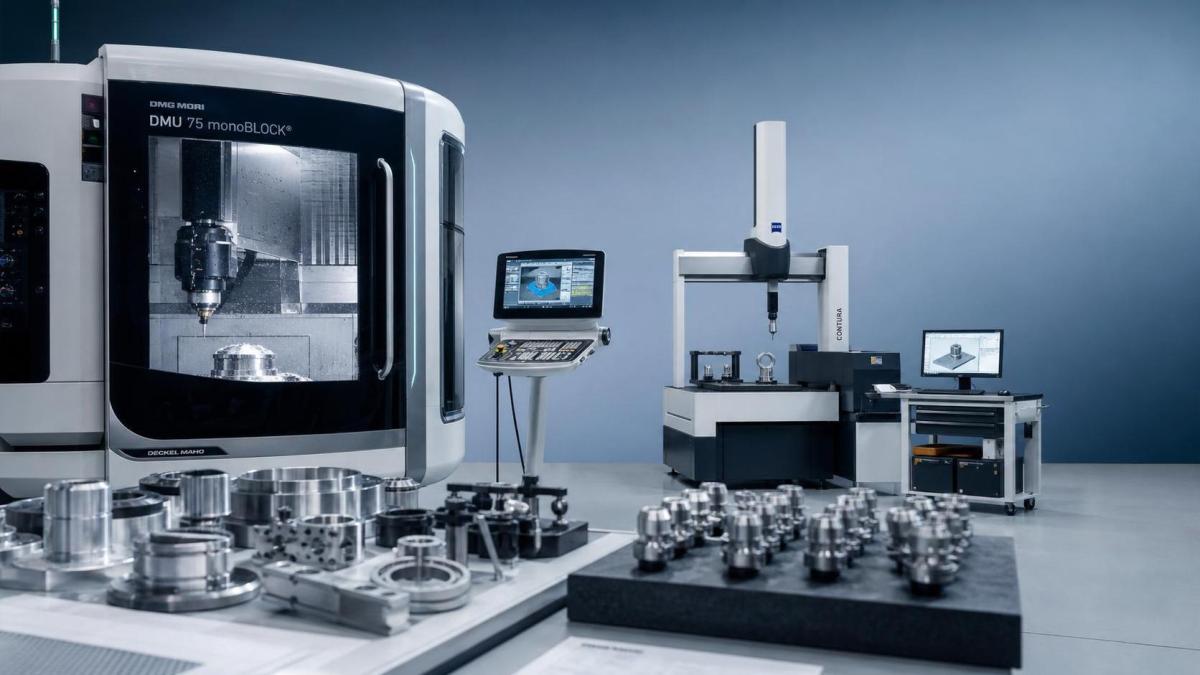
A capable Precision Machining Supplier in Germany should first match the part requirements, not just the budget target.
This sounds obvious, but many sourcing problems begin when a supplier looks qualified on paper but lacks true process fit.
Start by reviewing part geometry, tolerance bands, material grades, surface finish, batch size, and critical inspection points.
A supplier that machines aluminum housings well may not be equally strong in hardened steel shafts or thin-wall aerospace parts.
Ask for similar project examples, not generic brochures.
Look for evidence in parts with comparable dimensions, tolerances, materials, and annual volumes.
This is especially important in Germany, where many suppliers are highly specialized rather than broadly positioned.
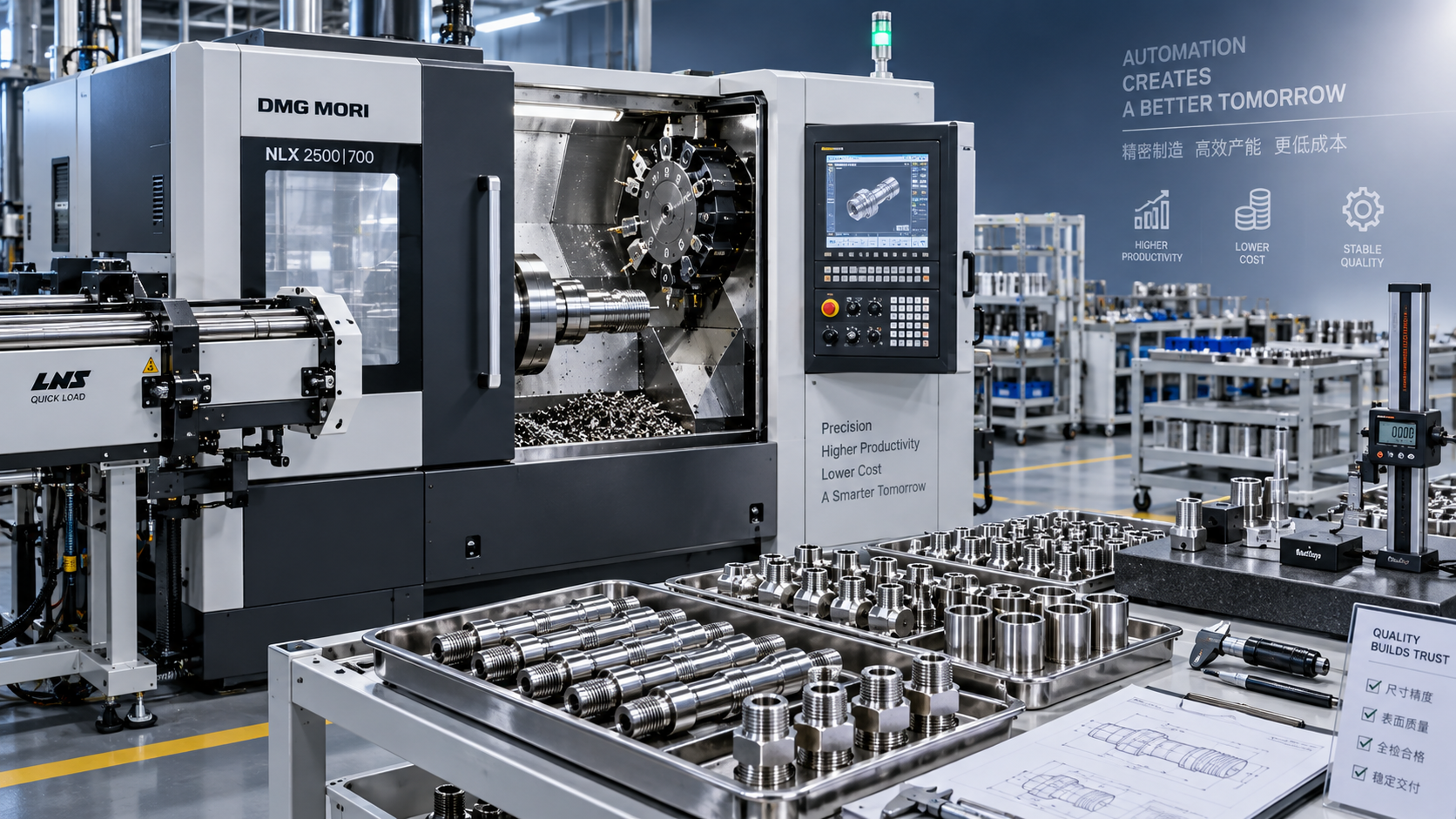
- Check machine types, including CNC lathes, 5-axis machining centers, and multitasking systems.
- Confirm supported materials, including stainless steel, titanium, tool steel, brass, and engineering plastics.
- Review tolerance capability for critical dimensions and geometric tolerances.
- Verify secondary processes such as grinding, heat treatment, coating, and assembly support.
Review Quality Systems in Real Operating Terms
A Precision Machining Supplier in Germany may hold strong certifications, but certificates alone do not guarantee stable execution.
What matters more is how quality is controlled from quotation to shipment.
Look for ISO 9001 as a baseline.
For automotive work, IATF 16949 can be a major advantage.
For aerospace projects, AS9100 or equivalent controls are often necessary.
Still, the better question is this: how does the supplier prevent defects before they happen?
Ask about incoming material traceability, first article inspection, in-process checks, final inspection, gauge calibration, and nonconformance handling.
A reliable Precision Machining Supplier in Germany should explain these steps clearly, with records and examples.
- Request sample inspection reports and capability data.
- Check whether CMM inspection is available in-house.
- Review how corrective actions are documented and closed.
- Confirm lot traceability for raw material and finished parts.
If answers stay vague, that is usually a more useful signal than any polished presentation deck.
Evaluate Lead Time by Process, Not Promise
Lead time is often where supplier selection becomes risky.
Many suppliers can quote aggressive dates.
Fewer can maintain them once tooling, subcontracting, and inspection load increase.
When evaluating a Precision Machining Supplier in Germany, break lead time into its real components.
That includes engineering review, material sourcing, machine scheduling, setup, machining, secondary treatment, inspection, and dispatch.
This process view quickly shows whether the quoted delivery is realistic.
It also helps compare suppliers on planning maturity, not just speed claims.
A strong supplier should be able to explain where delays usually happen and how they protect critical orders.
Assess Production Capacity and Supply Chain Stability
Capacity is not just the number of machines on the shop floor.
For a Precision Machining Supplier in Germany, true capacity includes skilled operators, programming resources, maintenance discipline, and supplier network control.
This matters even more for recurring orders, engineering changes, and sudden demand increases.
In recent years, buyers have seen how quickly energy costs, labor shortages, and material disruptions can affect output planning in Europe.
That means supply chain resilience now belongs in any serious sourcing decision.
Ask whether the supplier keeps buffer capacity for urgent jobs.
Also check whether critical outside services are single-sourced or dual-sourced.
- Review available machine hours by process type.
- Check preventive maintenance routines and downtime history.
- Confirm ERP or MES use for scheduling visibility.
- Ask about backup plans for key subcontractors.
- Evaluate ramp-up ability for new or repeat programs.
A dependable Precision Machining Supplier in Germany does not just accept volume growth.
They show how volume growth will be supported without hurting quality or delivery.
Use Commercial Data to Support the Technical Decision
Once technical and operational fit is clear, commercial evaluation becomes more meaningful.
A low quote from a weak supplier often creates higher total cost through delays, rework, claims, and internal firefighting.
Compare pricing structure, not just final unit price.
Look at setup cost, tooling assumptions, batch economics, logistics terms, packaging standards, and payment conditions.
A well-managed Precision Machining Supplier in Germany usually provides more transparent cost logic.
That transparency helps future negotiations and reduces surprises after approval.
- Check quote validity and material price adjustment rules.
- Confirm Incoterms, export handling, and insurance responsibilities.
- Review MOQ, safety stock, and call-off flexibility.
- Assess communication speed during RFQ and technical clarification.
Fast, clear responses during quotation often predict smoother cooperation after the purchase order is placed.
Run a Practical Supplier Validation Process
The best final check is a structured validation path.
That path should combine desk research, technical review, and live performance evidence.
Start with a supplier questionnaire.
Then arrange a capability review, site audit, and pilot order if the project value justifies it.
For a Precision Machining Supplier in Germany, on-site observation can reveal details that no spreadsheet will show.
You can see shop-floor organization, material flow, inspection discipline, visual management, and response speed to operator questions.
More importantly, you can test whether the management team is realistic, data-driven, and open about constraints.
- Shortlist suppliers by process fit and industry experience.
- Score quality systems, equipment, and lead-time controls.
- Audit key risks in capacity and subcontract management.
- Place a pilot batch with clear quality and delivery targets.
- Review pilot performance before signing long-term terms.
This approach turns supplier selection from a sales-driven choice into an evidence-based sourcing decision.
That is usually the safest way to select a Precision Machining Supplier in Germany for demanding manufacturing programs.
Final Decision Criteria That Reduce Sourcing Risk
A good sourcing decision balances quality, lead time, cost, and long-term cooperation potential.
The ideal Precision Machining Supplier in Germany is not simply the cheapest or the fastest.
It is the supplier that consistently meets specification, communicates early, and protects delivery under pressure.
When comparing final candidates, weight proven capability more heavily than sales confidence.
Recent manufacturing changes make this even more relevant.
Higher precision demand, tighter schedules, and more complex supply chains leave less room for supplier underperformance.
A structured evaluation process helps reduce that risk before it reaches production.
If the supplier can prove technical fit, disciplined quality control, dependable lead-time management, and honest communication, the decision becomes much clearer.
Recommended for You
 Zero-Point Clamping or Modular Fixtures? Choosing a Faster CNC Changeover SystemCNC Machining Technology Center
 How to Cut CNC Fixture Changeover Time Without Sacrificing Part AccuracyCNC Machining Technology Center
 When Does CNC Turning Pay Off? A Break-Even Guide by Annual Part VolumeMachine Tool Industry Editorial Team
 Machine Tool Standards by Country: What Importers Must Verify Before PurchaseManufacturing Policy Research Center
 CNC Lathe Quick Installation Guide: Alignment Checks Before First Production RunCNC Machining Technology Center
 How to Select a CNC Lathe for Small Parts Without Sacrificing Accuracy or Cycle TimeCNC Machining Technology Center

Aris Katos
Future of Carbide Coatings
15+ years in precision manufacturing systems. Specialized in high-speed milling and aerospace grade alloy processing.
▶
How to Choose a CNC Manufacturing Wholesaler for Quality, Lead Time, and CostManufacturing Market Research Center▶
China Temporarily Bans Helium ExportsManufacturing Market Research Center▶
Yangshan Port Launches Smart Clearance for CNC ExportsManufacturing Market Research Center▶
Shanghai Port Adds Real-Time CNC Shipment TrackingManufacturing Market Research Center▶
Waigaoqiao Port Tightens CNC Export Slot BookingManufacturing Market Research Center
Mastering 5-Axis Workholding Strategies
Join our technical panel on Nov 15th to learn about reducing vibrations in thin-wall components.

Providing you with integrated sanding solutions
Before-sales and after-sales services
Comprehensive technical support