• Global CNC market projected to reach $128B by 2028 • New EU trade regulations for precision tooling components • Aerospace deman
NYSE: CNC +1.2%LME: STEEL -0.4%

EU Rule Update Raises CNC Safety Certification Bar

On August 8, 2026, the European Commission released the Machinery Product Compliance Reinforcement Directive, COM(2026) 412 final, setting a new compliance condition for CNC machine tools exported to the EU. From October 1, 2026, CNC machine tools, automated production lines, and integrated control systems entering the EU market must meet the updated EN ISO 13849-1:2026 certification requirement. For manufacturers, exporters, certification-related service providers, and buyers working on EU-bound deliveries, this matters because the rule change is tied directly to safety validation, technical documentation, delivery timing, and compliance cost.
What the new requirement formally changes
The confirmed change is that the European Commission, in COM(2026) 412 final issued on August 8, 2026, requires all CNC machine tools, automated production lines, and integrated control systems exported to the EU to pass certification under EN ISO 13849-1:2026 from October 1, 2026.
The updated standard replaces the 2015 version. The summary provided indicates a stronger focus on PL (Performance Level) grading verification and cross-assessment with SIL (Safety Integrity Level). It also adds provisions covering AI-assisted safety logic validation, remote operation risk assessment, and safety response requirements for multi-axis coordinated motion.
The information provided also makes clear that the rule change is expected to affect delivery cycles and compliance costs for Chinese manufacturers exporting to Europe.
Where the pressure is likely to appear across the business chain
Export manufacturers will face a tighter pre-shipment compliance gate
From an industry perspective, manufacturers shipping CNC machine tools or integrated automation equipment to the EU are the first group likely to feel the effect. The immediate issue is not only the certification result itself, but the need to align safety design, validation logic, and supporting technical materials with EN ISO 13849-1:2026 before shipment. What deserves closer attention is whether existing products developed around the 2015 version can still move through export planning without additional review.
System integrators and line builders may see more work at the control architecture stage
For companies delivering automated production lines and integrated control systems, the impact may appear earlier in project execution, especially where multiple subsystems, remote operation functions, or coordinated multi-axis motion are involved. Analysis shows that the new emphasis on PL verification, SIL cross-assessment, and added clauses for AI-assisted safety logic and remote operation may push more scrutiny into system design review, functional safety validation, and final acceptance documentation.
Certification and testing service providers may become a critical scheduling factor
Certification-related firms and testing bodies may become more central to project timing because the rule change is tied to a specific implementation date. Observably, where exporters need updated assessment against EN ISO 13849-1:2026, the availability, timing, and interpretation of certification work could influence shipment readiness. For companies managing deliveries into the EU, this makes external compliance support part of commercial planning rather than a late-stage formality.
EU buyers and procurement teams may shift document expectations
Buyers, procurement teams, and project owners sourcing CNC or automation equipment for the EU market may need to pay closer attention to certification status, technical files, and bid or purchase documentation. It is more appropriate to understand this as a procurement-side compliance filter as well as a manufacturing requirement, since contracts, acceptance criteria, and supplier qualification checks may increasingly refer to the updated standard once the October 2026 deadline applies.
What companies should watch in the coming months
Review whether current product files match the updated standard
Analysis shows that companies with ongoing or planned EU-bound shipments should first check whether current safety files, validation records, and certification pathways were built around the 2015 version and whether they now need revision under EN ISO 13849-1:2026. This is especially relevant for equipment involving integrated controls, coordinated motion, or remote operation functions.
Track how certification language is reflected in contracts and technical submissions
What deserves closer attention is how the new requirement appears in customer specifications, tender documents, purchase orders, and delivery acceptance materials. Even where execution details are not fully described in the provided information, companies should watch for changes in document requests, proof-of-compliance expectations, and technical submission language linked to PL and SIL assessment.
Reassess delivery timing and procurement coordination
Because the provided summary directly points to pressure on delivery cycles and compliance cost, exporters and project teams should pay attention to the sequencing between product finalization, certification review, component procurement, and shipment booking. This should not be treated as a confirmed outcome for every project, but as a practical risk area that may affect scheduling once the new requirement becomes operative.
Pay attention to after-sales and traceability implications
For equipment supplied with remote operation features or complex control logic, companies may also need to watch how compliance evidence, technical records, and post-delivery support materials are maintained. Observably, if a standard places more weight on safety logic validation and risk assessment, traceability of design decisions and compliance documents may become more important in customer communication and service support.
Why this reads as more than a routine standards update
Analysis shows that this development is not just a formal replacement of one version of a standard with another. The combination of a fixed implementation date, stronger PL and SIL linkage, and new clauses around AI-assisted safety logic, remote operation, and multi-axis response indicates a more operational compliance signal for companies selling complex machinery into the EU. At the same time, it is still necessary to distinguish between the confirmed rule change and later market practice, since the provided information does not include detailed enforcement guidance or application examples.
It is more appropriate to understand this as a rule with direct commercial relevance that has already moved beyond general policy discussion, while still requiring continued observation of certification interpretation, customer-side implementation, and market feedback.
How the market is likely to frame this change for now
At this stage, the most balanced reading is that the EU has issued a clear compliance requirement with a defined effective date, and that affected businesses should treat it as an active export and delivery planning issue rather than a distant policy signal. The practical impact will depend on how certification work, procurement documents, and project acceptance standards reflect EN ISO 13849-1:2026 in the coming period. Current industry attention is best directed toward compliance preparation, documentation alignment, and execution monitoring, not toward assumptions about outcomes that have not yet been confirmed.
Basis of this article and what still needs verification
This article is generated based on the user-provided news title, event date, and event summary. For developments of this type, relevant source categories typically include official announcements, releases by regulatory authorities, customs or trade administration updates, industry association notices, standard-setting documents, and reporting by established professional media.
No specific official source link was provided in the input, so the exact official publication link still needs to be verified on an ongoing basis. Further observation is also needed on detailed implementation language, certification practice, tender document changes, market feedback, and how affected companies carry out compliance in actual export projects.
PREVIOUS ARTICLE
NEXT ARTICLE
Recommended for You
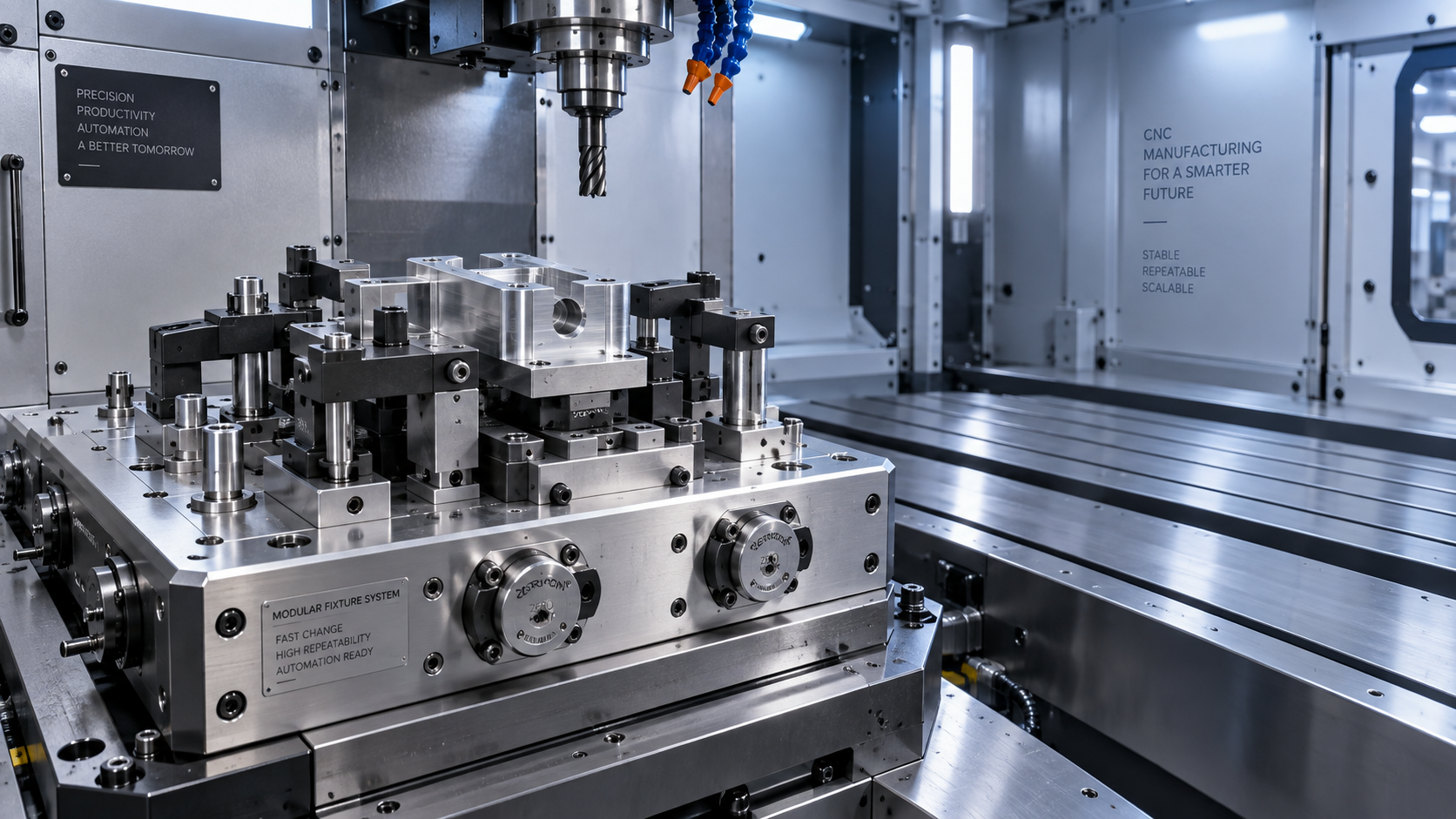
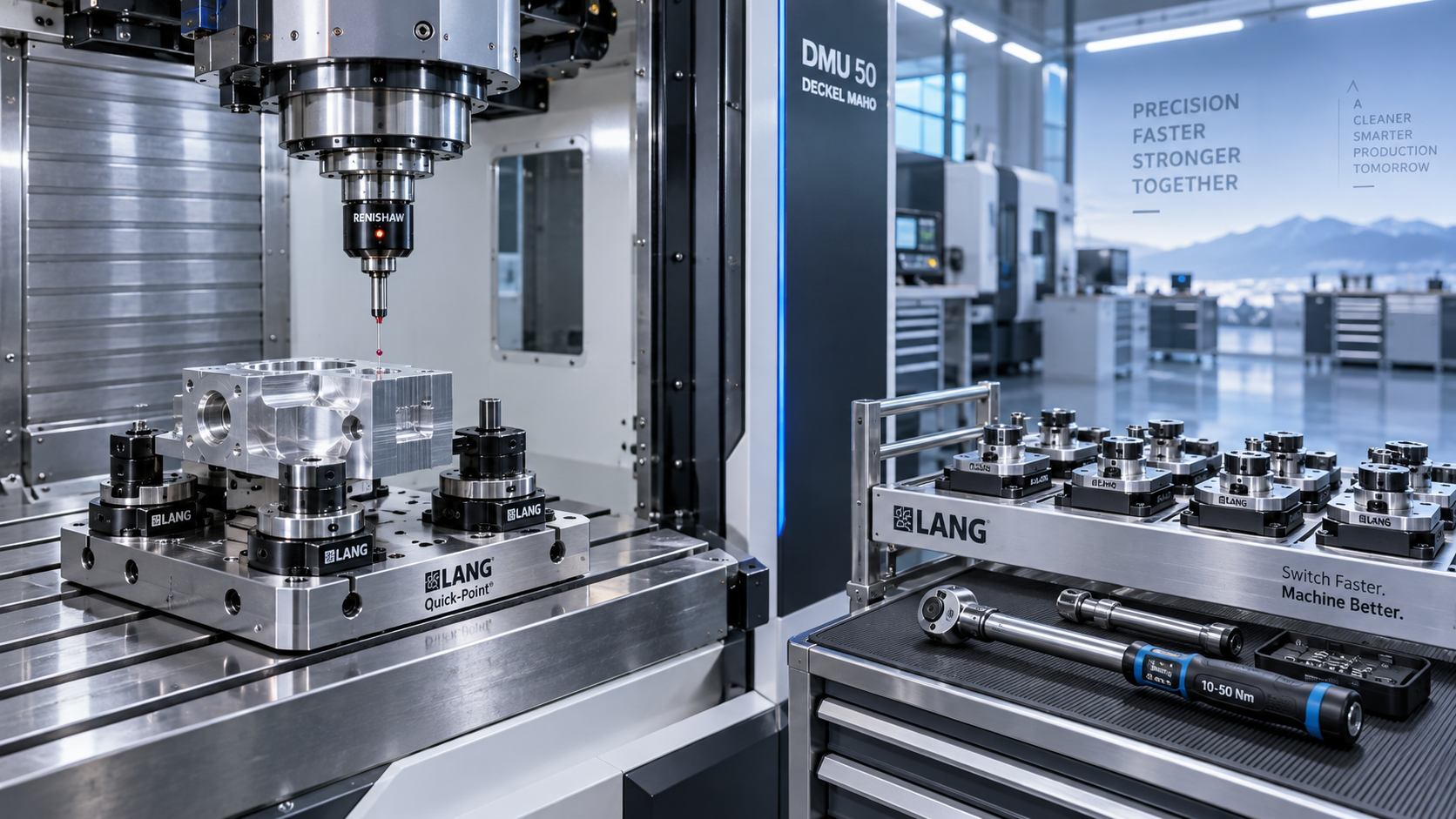
 Zero-Point Clamping or Modular Fixtures? Choosing a Faster CNC Changeover SystemCNC Machining Technology Center
 How to Cut CNC Fixture Changeover Time Without Sacrificing Part AccuracyCNC Machining Technology Center
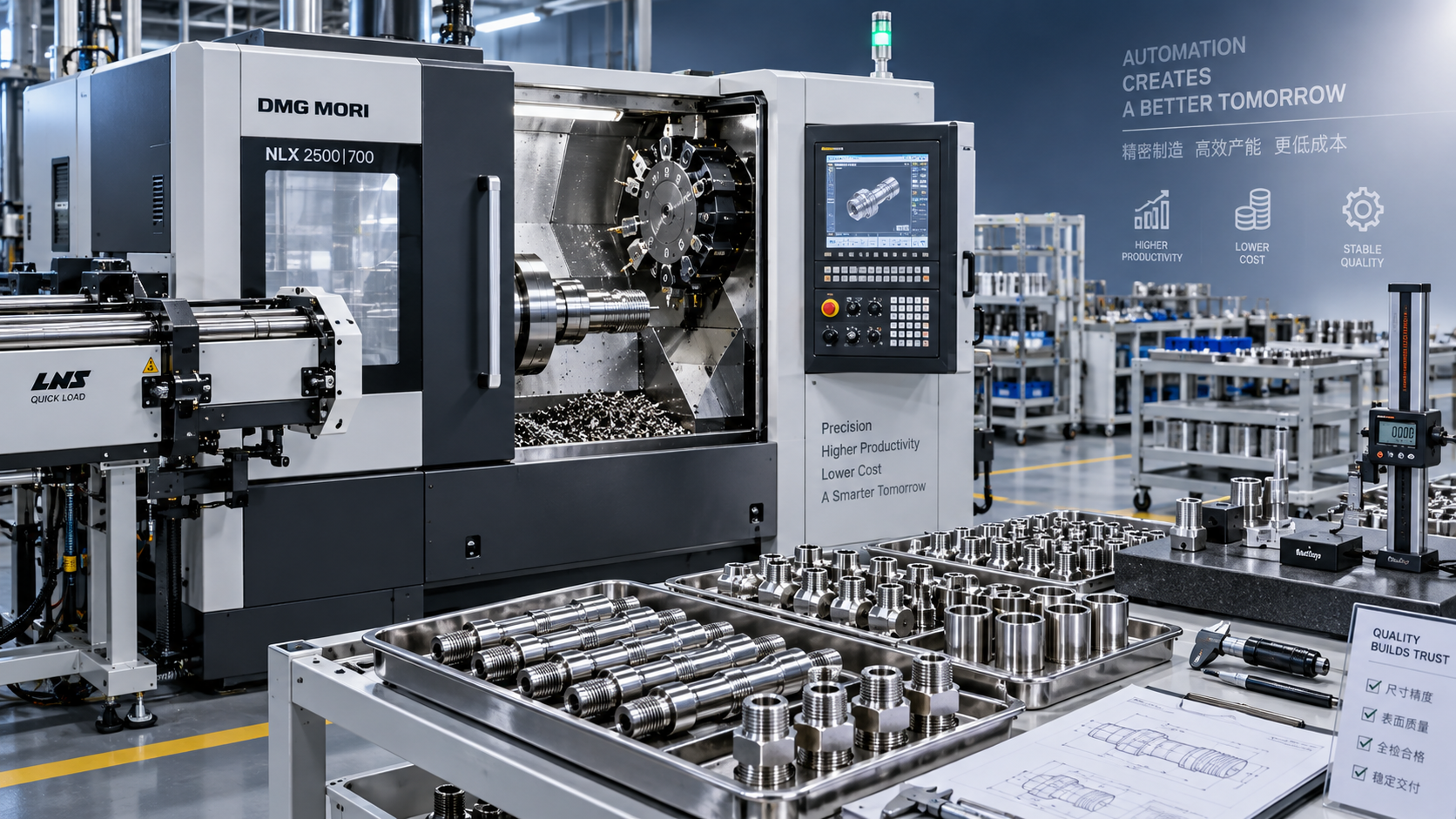
 When Does CNC Turning Pay Off? A Break-Even Guide by Annual Part VolumeMachine Tool Industry Editorial Team
 Machine Tool Standards by Country: What Importers Must Verify Before PurchaseManufacturing Policy Research Center
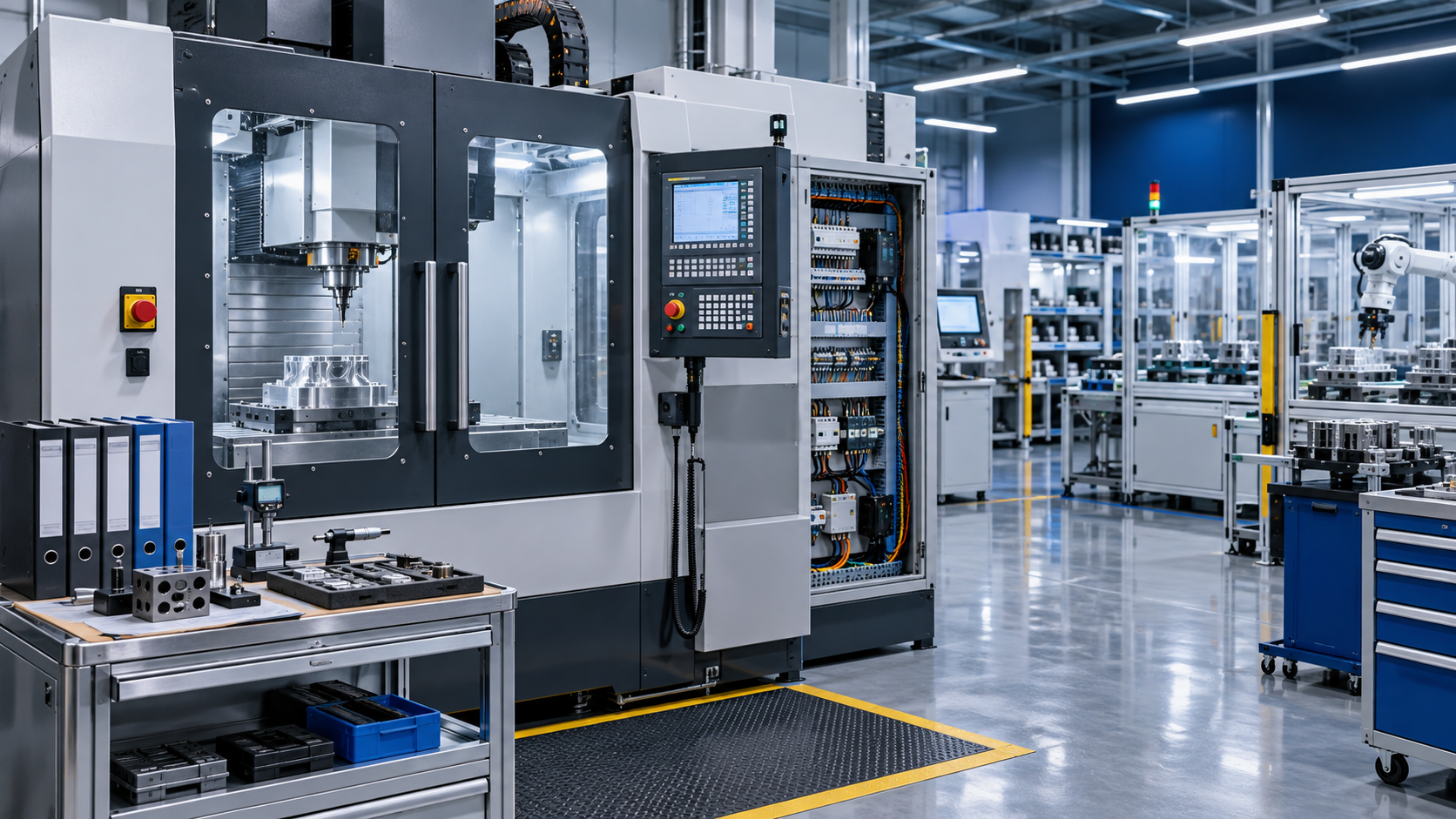
 CNC Lathe Quick Installation Guide: Alignment Checks Before First Production RunCNC Machining Technology Center
 How to Select a CNC Lathe for Small Parts Without Sacrificing Accuracy or Cycle TimeCNC Machining Technology Center

Aris Katos
Future of Carbide Coatings
15+ years in precision manufacturing systems. Specialized in high-speed milling and aerospace grade alloy processing.
▶
Machine Tool Standards by Country: What Importers Must Verify Before PurchaseManufacturing Policy Research Center▶
EU Sets CE-EMC+AI Certification Rule for CNC ExportsManufacturing Policy Research Center▶
EU Rule Update Raises CNC Safety Certification BarManufacturing Policy Research Center▶
U.S. Tightens Reviews for China CNC ExportsManufacturing Policy Research Center▶
EU Tightens CNC Export Compliance from October 2026Manufacturing Policy Research Center
Mastering 5-Axis Workholding Strategies
Join our technical panel on Nov 15th to learn about reducing vibrations in thin-wall components.

Providing you with integrated sanding solutions
Before-sales and after-sales services
Comprehensive technical support