• Global CNC market projected to reach $128B by 2028 • New EU trade regulations for precision tooling components • Aerospace deman
NYSE: CNC +1.2%LME: STEEL -0.4%

EU Sets New CNC Safety Certification Rule for October 2026

On August 4, 2026, the European Commission released an amendment to the Mechanical Product Compliance Transition Directive (2026/EC) that changes the compliance basis for CNC machine tools shipped to the EU. From October 1, 2026, CNC machine tools, machining centers, and automated production line equipment exported to the EU must complete assessment under EN ISO 13849-1:2026, and CE documentation must show PL (Performance Level) verification. This matters not only to exporters, but also to certification teams, procurement planning, technical documentation, and delivery scheduling, because the updated rule tightens functional safety review in several control-related areas.
What the Rule Change Formally Requires
The confirmed facts are limited but clear. According to the event information provided, the amendment issued by the European Commission on August 4, 2026 specifies that, beginning October 1, 2026, all CNC machine tools, machining centers, and automated production line equipment exported to the EU must be assessed under the updated EN ISO 13849-1:2026 functional safety standard.
The same information states that CE marking documentation must include verification of the applicable PL level. It also confirms that the updated standard significantly strengthens validation requirements for servo drives, emergency stop circuits, safety PLCs, and human-machine collaborative control systems.
The provided summary further indicates that this change directly affects certification timelines and compliance costs for Chinese manufacturers exporting the relevant equipment.
Where the Pressure Will Appear Across the Supply Chain
Export projects are likely to face earlier compliance gating
From an industry perspective, exporters of CNC equipment and integrated production line systems are likely to be the first group affected because shipment eligibility to the EU becomes tied more directly to updated functional safety assessment and CE file completeness. The impact is likely to show up in technical review, conformity preparation, and export delivery scheduling. What deserves closer attention is whether existing project documentation already supports PL verification in a form suitable for CE files.
Machine builders may need deeper control-system coordination
Analysis shows that equipment manufacturers are likely to feel the change most strongly in design validation and system integration work. The rule summary specifically highlights servo drives, emergency stop circuits, safety PLCs, and collaborative human-machine control systems. That means the practical burden may not sit only with final assembly; it may also extend to how machine builders align control architecture, functional safety logic, and supporting technical records before export.
Certification and testing workflows may become more time-sensitive
For certification-related service providers and testing bodies, the change points to a likely increase in workload around functional safety review and document consistency. The immediate business effect is less about trade volume and more about process sequencing: when assessment criteria tighten, document preparation, review timing, and any required rework can become more critical to shipment readiness. Companies involved in conformity support should therefore pay close attention to how PL verification is presented in CE documentation.
Buyers and project owners may revisit supplier readiness
Procurement teams and downstream buyers of CNC systems for EU-bound projects may also be affected, especially where delivery milestones depend on compliance completion. Observably, the rule change can influence supplier qualification, technical bid alignment, and acceptance documentation. For buyers, the issue is not simply whether equipment can be ordered, but whether the supplier can demonstrate updated compliance preparation within the required timeline.
Operational Points Companies Should Watch Now
Review whether current CE files support PL verification
Analysis shows that one immediate task is to examine whether existing CE documentation structures already accommodate explicit PL verification under EN ISO 13849-1:2026. The event summary confirms that PL level verification must be reflected in CE marking files, so companies should focus on document readiness rather than assume older formats will remain sufficient.
Check equipment scope against the export product mix
What deserves closer attention is product scope. The confirmed information names CNC machine tools, machining centers, and automated production line equipment. Companies with mixed portfolios should review which product lines fall within these categories and whether current export plans to the EU involve models or system configurations that may require updated assessment before shipment.
Assess control-related components and integration records
Observably, the areas singled out in the rule summary are not peripheral items. Servo drives, emergency stop circuits, safety PLCs, and human-machine collaborative control systems are all directly tied to control integrity and safety validation. Companies should therefore pay attention to whether component selection, system integration records, and technical files are consistent with the updated assessment requirement, even though the detailed enforcement approach was not provided in the input.
Build more margin into certification and delivery planning
The provided information states that certification cycle time and cost are directly affected for Chinese manufacturers. It is more appropriate to understand this as a planning signal rather than a quantified outcome. Companies currently arranging EU shipments should therefore watch how certification scheduling, contract timing, procurement coordination, and delivery commitments may need adjustment as the new requirement moves into effect.
Why This Looks Like an Execution Signal, Not Just a Policy Headline
Analysis shows that this development should be read as more than a general policy update because it sets a defined effective date and links market access to a specific updated standard and CE file requirement. At the same time, it would be premature to describe the full market effect as settled, because the input does not provide detailed enforcement practice, review procedures, or transition treatment beyond the announced requirement.
From an industry perspective, the most reasonable reading today is that this is an implementation signal with immediate compliance relevance. It tells exporters and related service providers where regulatory attention is tightening, while leaving room for further observation on execution detail, documentation expectations, and how market participants respond in actual projects.
How the Market Should Read the Change for Now
The practical significance of this update is that EU-bound CNC equipment compliance is moving onto a more explicit functional safety basis tied to EN ISO 13849-1:2026 and documented PL verification. That does not by itself establish every downstream consequence, but it does clearly shift attention toward certification preparation, technical documentation quality, and delivery risk management.
It is more appropriate to understand this event as a rule change that has already crossed into operational relevance, while some execution details still need continued observation. For companies involved in export manufacturing, certification support, procurement, or project delivery, the immediate priority is not broad market speculation but close monitoring of compliance interpretation and implementation practice.
Basis of This Article and What Still Needs Verification
This article is generated from the user-provided news title, event date, and event summary. The analysis is based only on the supplied information concerning the August 4, 2026 amendment, the October 1, 2026 effective requirement, the affected equipment categories, the EN ISO 13849-1:2026 functional safety assessment requirement, the CE documentation PL verification requirement, and the stated impact on certification cycle time and cost.
For developments of this kind, relevant source types typically include official regulatory notices, releases from supervisory authorities, trade or customs administration updates, industry association notices, standard-setting organization documents, and reporting from authoritative industry media. No specific official source link was provided in the input, so the exact source document link still requires follow-up verification.
Items that still need continued monitoring include detailed enforcement wording, certification interpretation, documentation expectations, procurement and tender document changes, market feedback from affected companies, and how implementation is reflected in actual export and delivery practice.
PREVIOUS ARTICLE
NEXT ARTICLE
Recommended for You
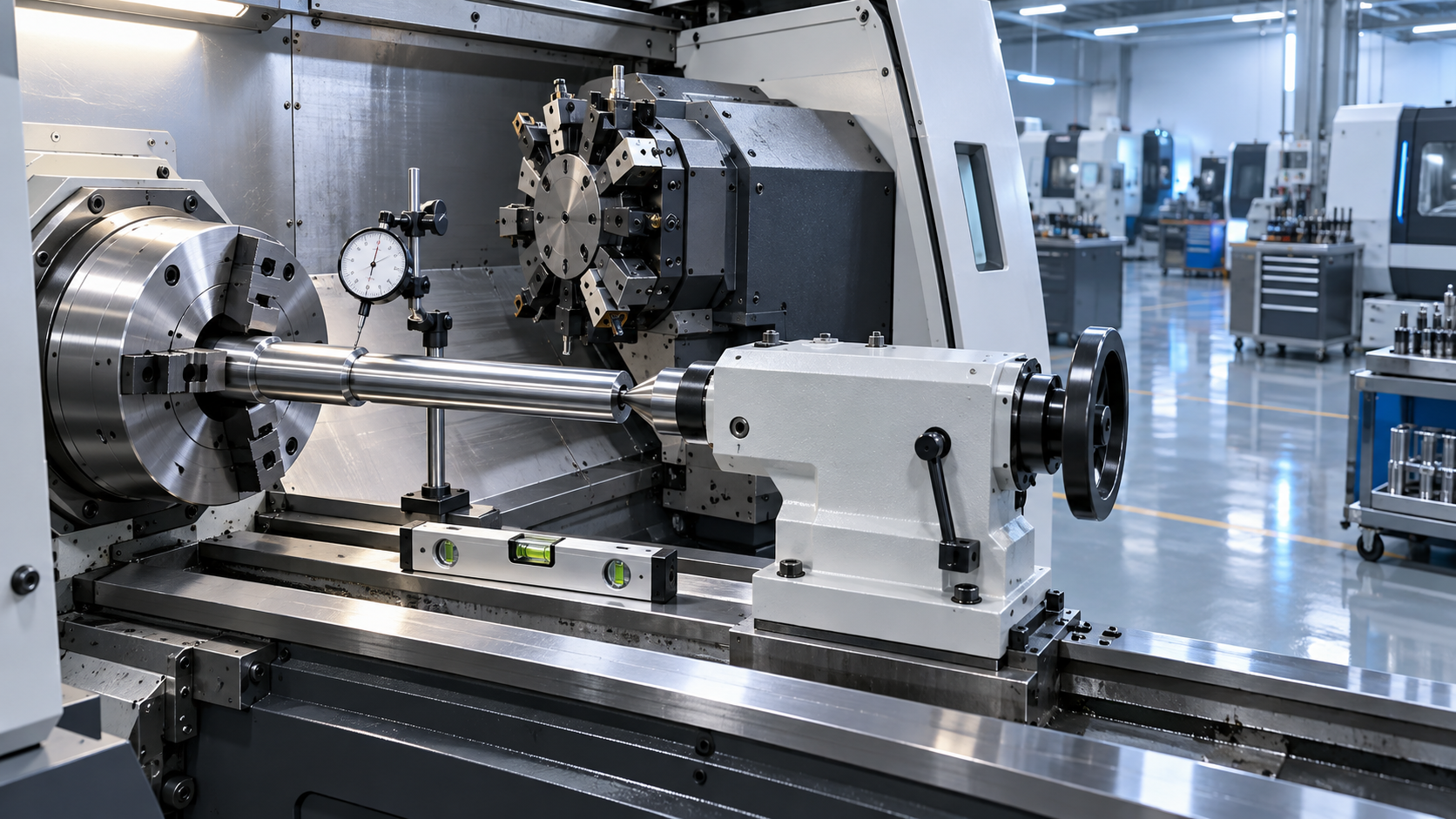
 CNC Lathe Quick Installation Guide: Alignment Checks Before First Production RunCNC Machining Technology Center
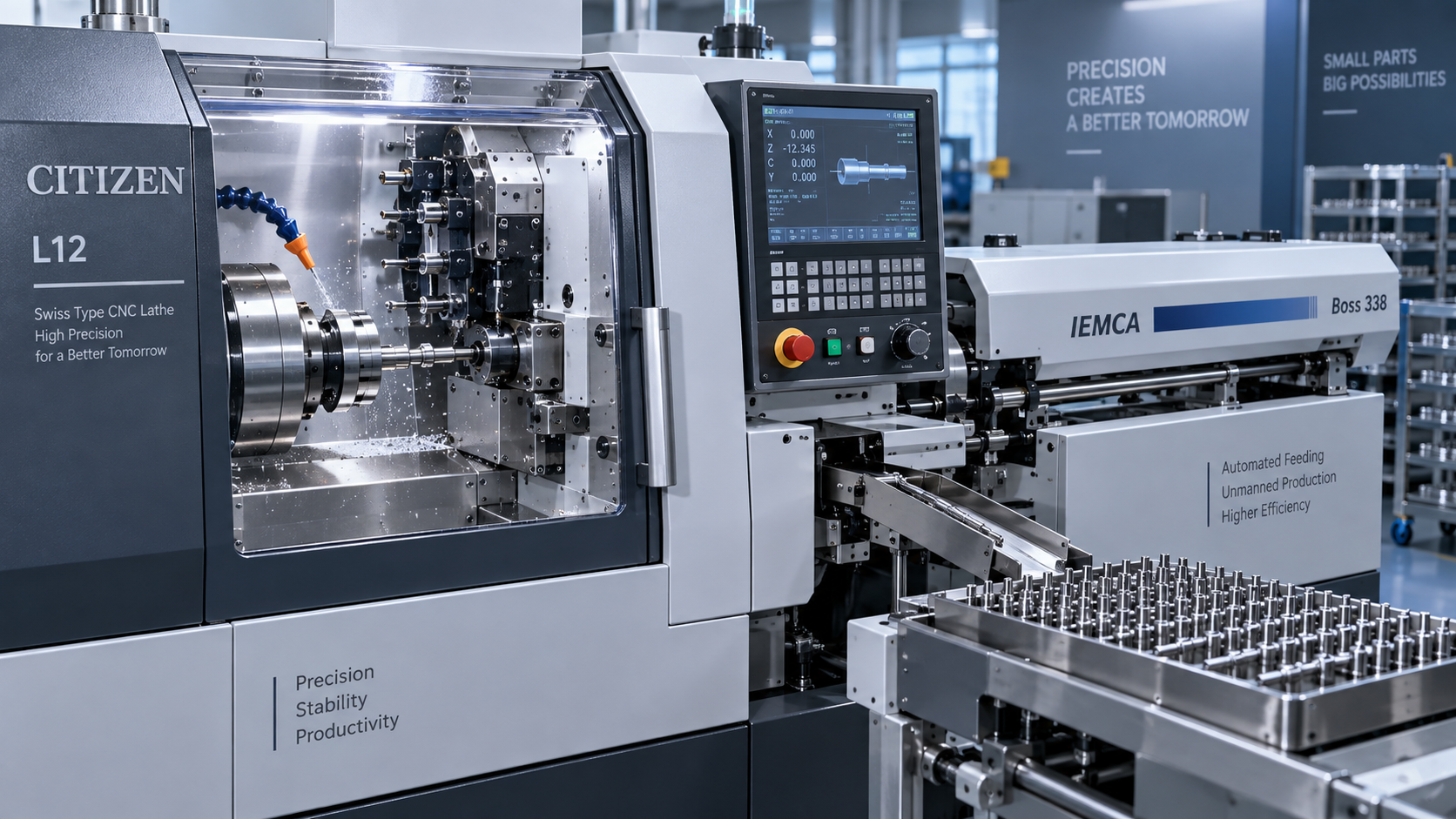
 How to Select a CNC Lathe for Small Parts Without Sacrificing Accuracy or Cycle TimeCNC Machining Technology Center
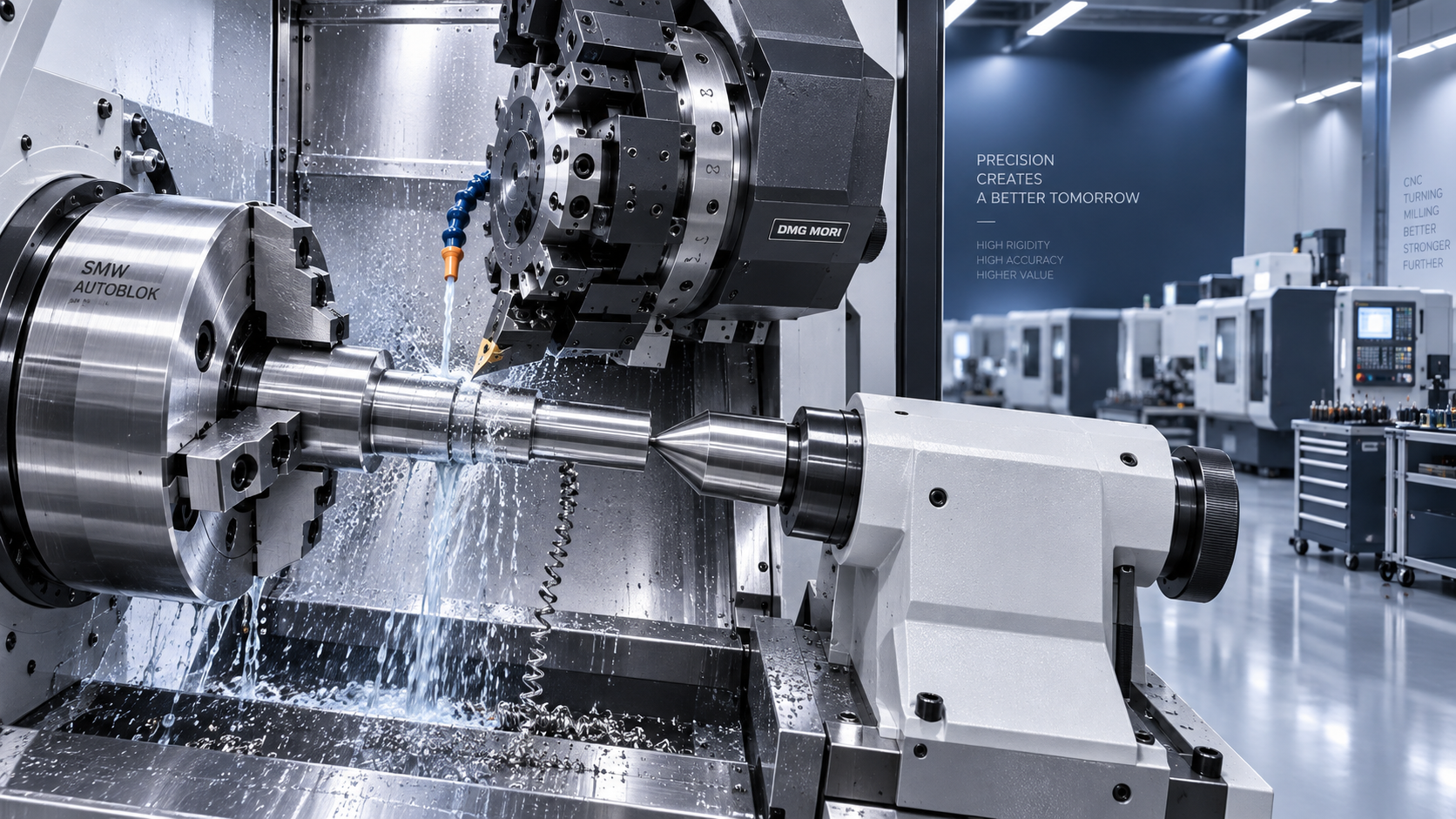
 How to Select a Slant Bed Lathe for High-Precision Shaft and Chuck WorkCNC Machining Technology Center
 Smart Manufacturing for Small Businesses: Where Automation Delivers the Fastest ROIMachine Tool Industry Editorial Team
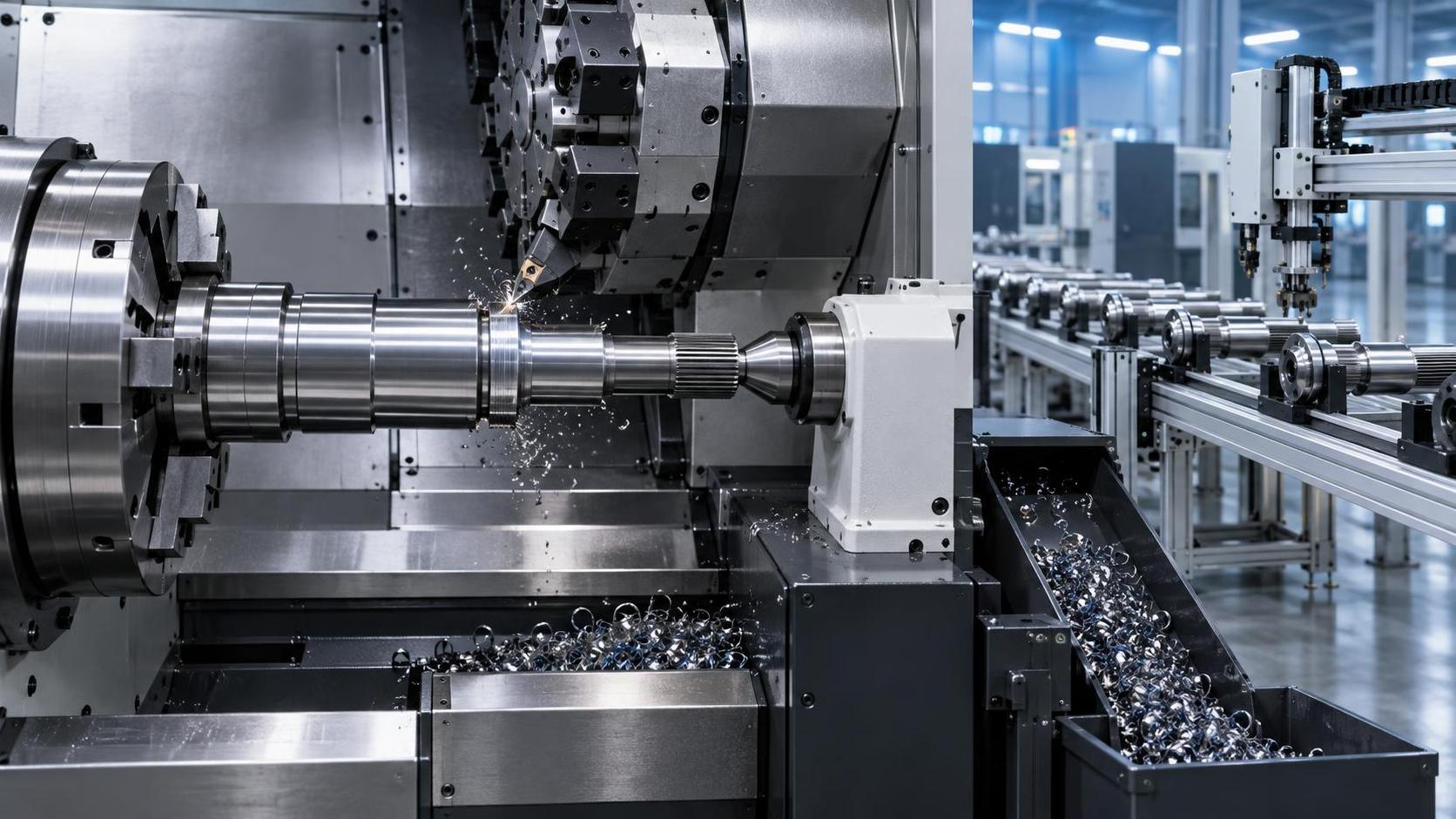
 How to Specify a CNC Lathe for High-Volume Automotive Shaft ProductionCNC Machining Technology Center
 How Automated Precision Machining Maintains Tolerance in High-Mix ProductionCNC Machining Technology Center



Aris Katos
Future of Carbide Coatings
15+ years in precision manufacturing systems. Specialized in high-speed milling and aerospace grade alloy processing.
▶
EU Sets CE-EMC+AI Certification Rule for CNC ExportsManufacturing Policy Research Center▶
EU Rule Update Raises CNC Safety Certification BarManufacturing Policy Research Center▶
U.S. Tightens Reviews for China CNC ExportsManufacturing Policy Research Center▶
EU Tightens CNC Export Compliance from October 2026Manufacturing Policy Research Center▶
BIS Expands EAR Controls on 5-Axis CNC ExportsManufacturing Policy Research Center
Mastering 5-Axis Workholding Strategies
Join our technical panel on Nov 15th to learn about reducing vibrations in thin-wall components.

Providing you with integrated sanding solutions
Before-sales and after-sales services
Comprehensive technical support