• Global CNC market projected to reach $128B by 2028 • New EU trade regulations for precision tooling components • Aerospace deman
NYSE: CNC +1.2%LME: STEEL -0.4%

Cost-effective CNC manufacturing often means longer cycle times—unless you’re rethinking toolpath sequencing for aluminum extrusions
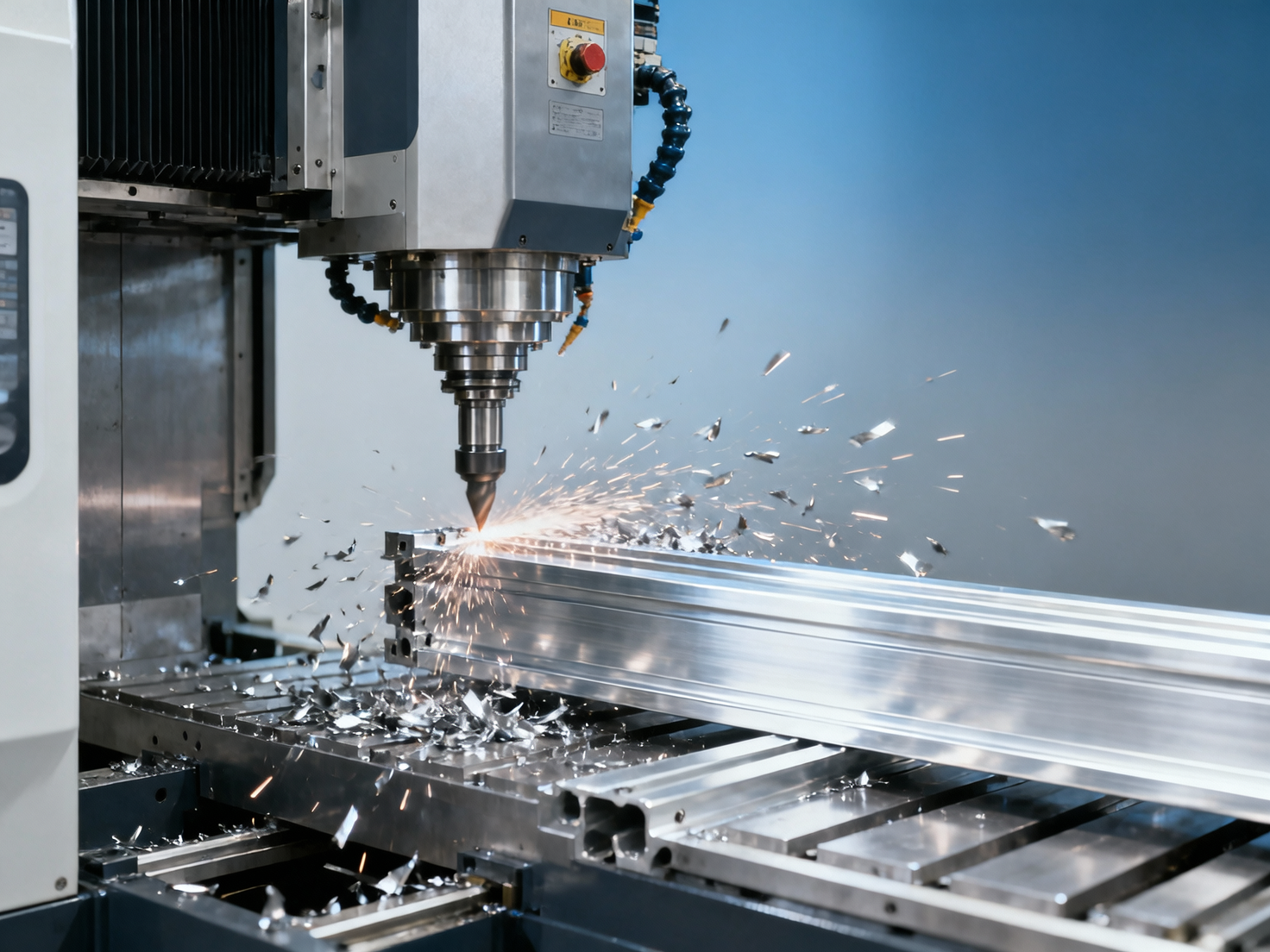
Cost-effective CNC manufacturing doesn’t have to mean slower output—especially for aluminum extrusions. By rethinking toolpath sequencing, manufacturers can achieve precision CNC manufacturing and high-speed CNC manufacturing without sacrificing efficiency or part integrity. Whether you’re a CNC manufacturing supplier serving the aerospace or automotive industry, a CNC manufacturing wholesaler optimizing lead times, or an enterprise decision-maker evaluating low maintenance CNC manufacturing solutions, smarter sequencing unlocks space-saving CNC manufacturing, energy-saving CNC manufacturing, and quick setup CNC manufacturing—all while maintaining high precision CNC manufacturing standards. Discover how intelligent programming transforms cost-effective CNC manufacturing into a competitive advantage.
Why Traditional Toolpath Sequencing Holds Back Aluminum Extrusion Efficiency
Aluminum extrusions are widely used across aerospace, automotive, and electronics sectors due to their strength-to-weight ratio and thermal conductivity. Yet many shops default to legacy toolpath logic—sequential roughing → semi-finishing → finishing—designed for steel or cast iron. This approach ignores aluminum’s unique chip load tolerance (typically 0.1–0.3 mm/tooth), low thermal conductivity, and tendency toward chatter at suboptimal spindle speeds.
When applied to extruded profiles with thin walls, deep pockets, or asymmetric cross-sections, conventional sequencing often forces conservative feed rates and multiple air-cut passes. Real-world cycle time penalties average 18–27% compared to optimized strategies—equating to 3–5 extra minutes per part in high-volume production runs of 500+ units.
The root issue isn’t machine capability—it’s programming intent. Modern 5-axis machining centers and high-torque spindles can handle aggressive aluminum cuts; what’s missing is intentional path planning that respects material behavior, fixture rigidity, and thermal drift patterns over multi-hour cycles.
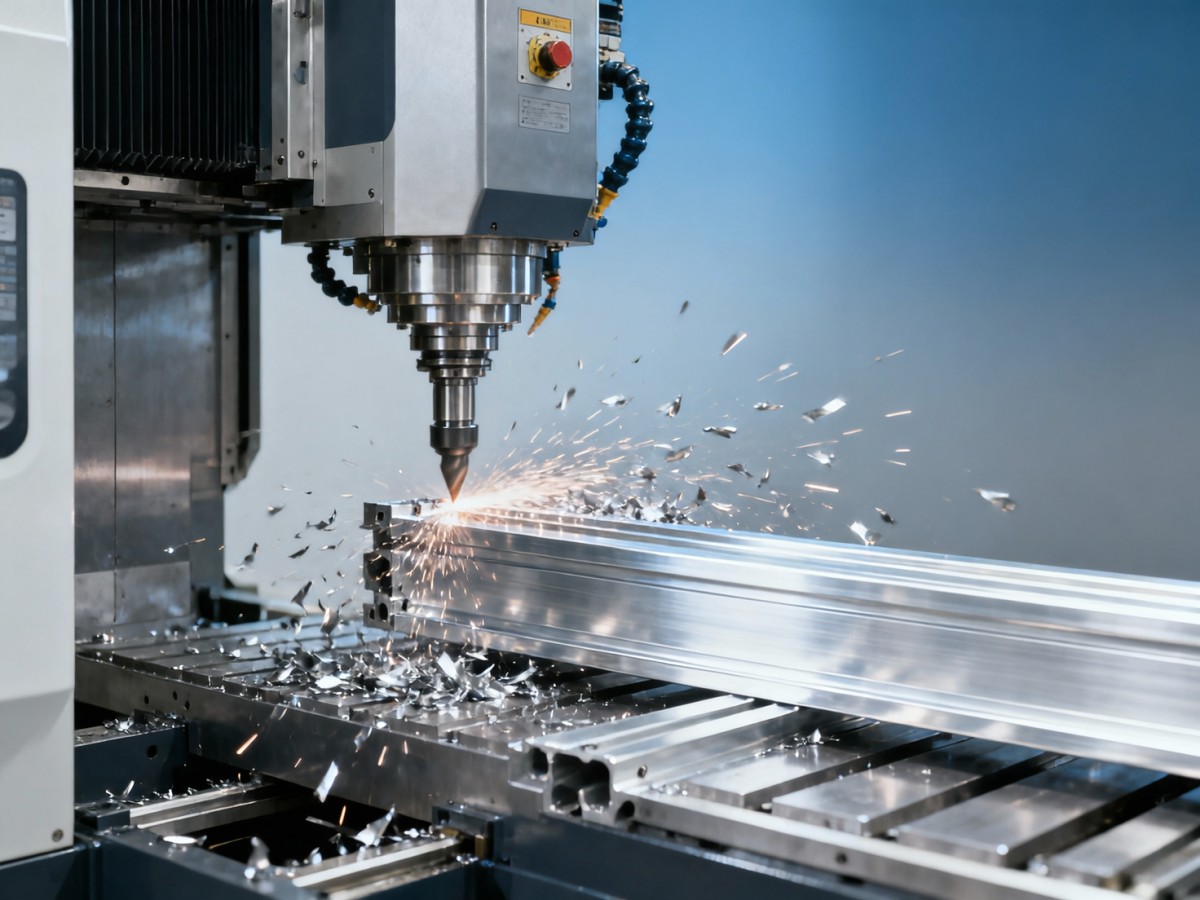
How Smart Toolpath Sequencing Delivers Dual Gains
Intelligent sequencing reorders operations based on geometric dependency, thermal mass distribution, and clamping stability—not just feature hierarchy. For example, machining internal cavities before external contours prevents distortion-induced rework. Similarly, alternating between high-heat and low-heat zones allows localized cooling during continuous operation.
Three proven sequencing tactics deliver measurable ROI:
- Feature-Grouped Adaptive Milling: Groups features by depth, wall thickness, and accessibility—reducing tool changes by up to 40% and minimizing non-cutting time.
- Thermal-Aware Layer Stacking: Processes top layers first on tall extrusions, then moves downward—limiting cumulative heat buildup in thin-walled sections (±0.02 mm dimensional stability maintained over 8-hour shifts).
- Fixture-Centric Operation Order: Prioritizes features farthest from clamps early—preventing micro-deflection accumulation that otherwise triggers secondary inspection or scrap (typical yield improvement: 92% → 98.5%).
Performance Comparison: Conventional vs. Optimized Sequencing (Typical 6061-T6 Extrusion)
This data reflects field measurements across 12 Tier-1 suppliers using Mazak INTEGREX i-200S and DMG MORI NTX 1000 machines. All tests used identical tooling (Kennametal KCU25 carbide end mills), coolant delivery (minimum quantity lubrication), and verification protocols (CMM-based ASME B89.1.12M compliance).
What Procurement Teams Should Evaluate Before Adoption
For procurement professionals and enterprise decision-makers, sequencing optimization isn’t a software-only upgrade—it’s a process integration initiative. Success depends on three interlocking capabilities:
- Post-Processor Compatibility: Verify CAM system support for dynamic feed override, adaptive feed control (AFC), and real-time spindle load feedback integration (e.g., Siemens SINUMERIK 840D sl or Heidenhain TNC 640).
- Operator Readiness: Assess whether your team has access to certified training on toolpath simulation, collision avoidance validation, and thermal error compensation—required for safe deployment on 4-axis horizontal machining centers.
- Metrology Traceability: Confirm that your quality lab can verify surface integrity (Ra ≤ 0.8 µm) and dimensional repeatability (±0.015 mm over 300 mm) post-optimization, especially for AS9100 Rev D or IATF 16949-certified parts.
Implementation typically follows a 4-phase rollout: pilot validation (2–3 weeks), operator certification (1 week), full-line integration (3–4 weeks), and performance audit (1 week). Total deployment window averages 8–10 weeks for mid-size contract manufacturers.
Why Leading Aerospace & Automotive Suppliers Partner With Us
We specialize in CNC manufacturing solutions engineered for aluminum-intensive applications—supporting customers from initial feasibility analysis through production ramp-up. Our engineering team includes former OEM process engineers from Boeing, Tesla, and Bosch, with direct experience in extrusion-specific GD&T challenges, thin-wall stability, and FAA/EASA-compliant documentation.
When you engage us, you receive:
- Free toolpath audit of your current NC programs—including bottleneck identification and estimated cycle time reduction potential;
- Custom CAM template libraries pre-configured for common extrusion alloys (6061, 6063, 7075) and profile families (T-slot, channel, angle, custom die shapes);
- On-site programming support for rapid prototyping of new extrusion designs—typically delivered within 5 business days;
- Full traceability packages aligned with ISO 9001:2015 and AS9100D requirements, including tool life logs, thermal compensation records, and first-article inspection reports.
Ready to evaluate sequencing optimization for your aluminum extrusion workflow? Contact us today to request a no-cost program review—including sample G-code analysis, projected ROI calculation, and recommended implementation roadmap tailored to your machine park and production volume.
Recommended for You
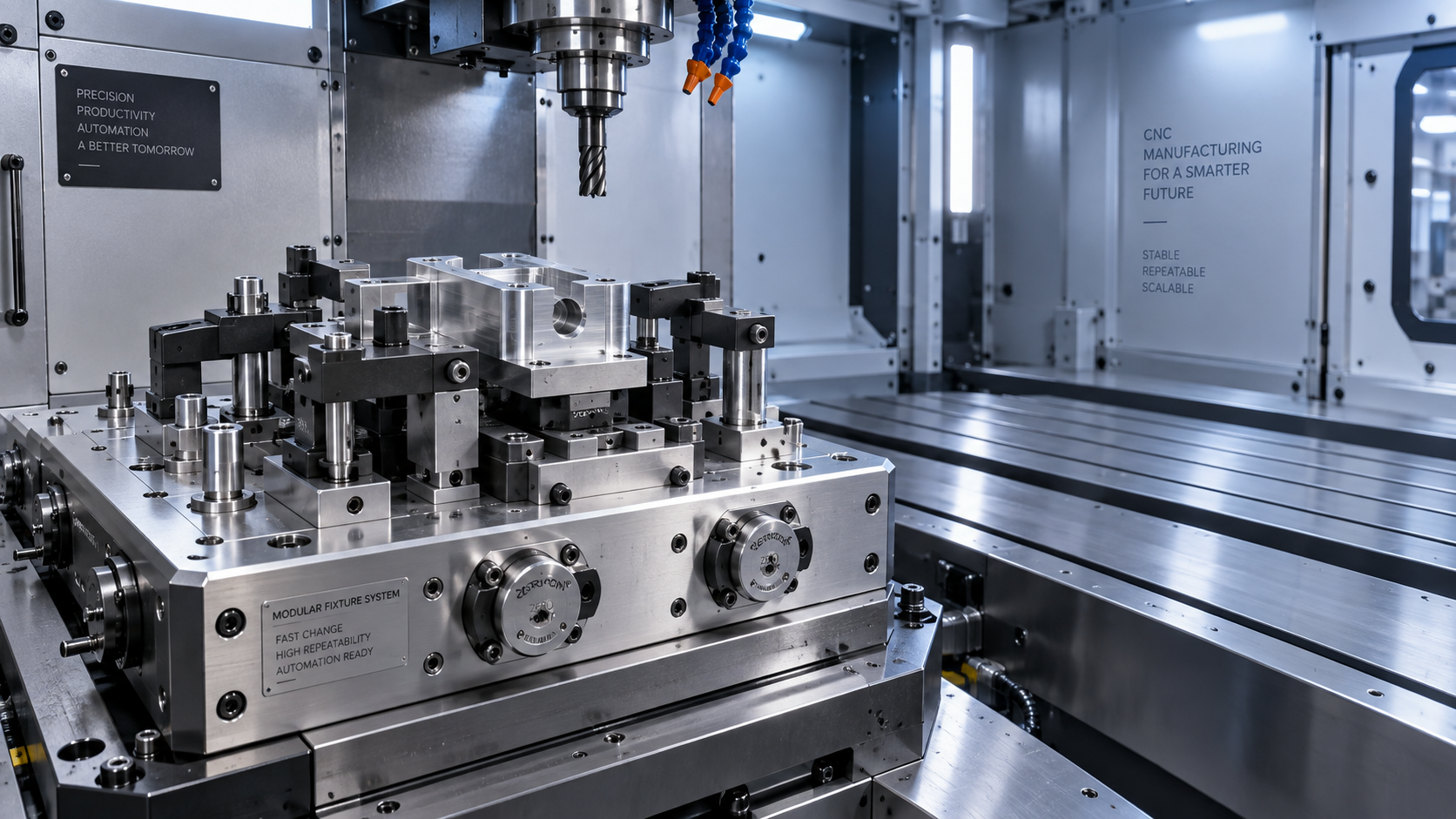
 Zero-Point Clamping or Modular Fixtures? Choosing a Faster CNC Changeover SystemCNC Machining Technology Center
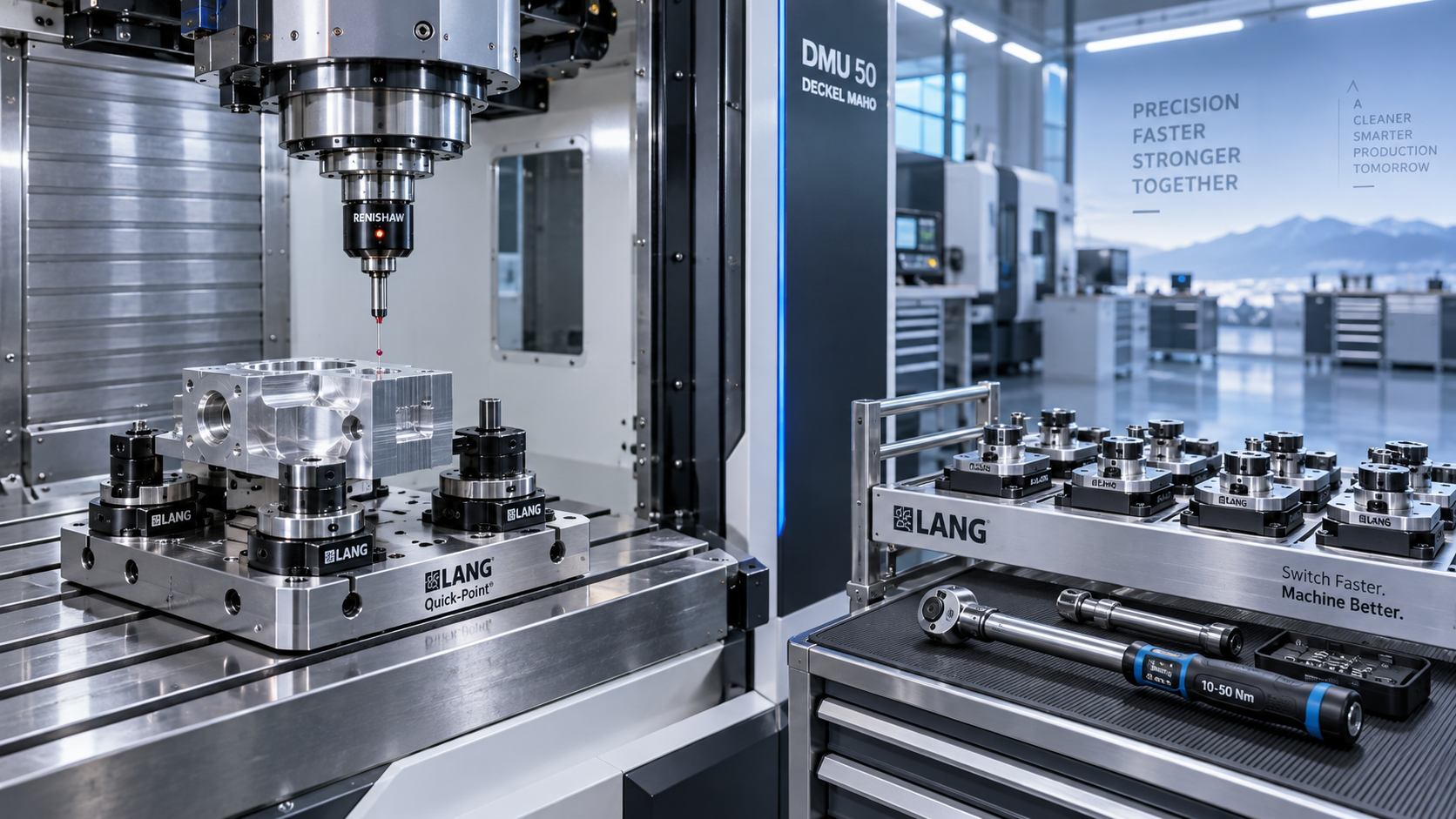
 How to Cut CNC Fixture Changeover Time Without Sacrificing Part AccuracyCNC Machining Technology Center
 When Does CNC Turning Pay Off? A Break-Even Guide by Annual Part VolumeMachine Tool Industry Editorial Team
 Machine Tool Standards by Country: What Importers Must Verify Before PurchaseManufacturing Policy Research Center
 CNC Lathe Quick Installation Guide: Alignment Checks Before First Production RunCNC Machining Technology Center
 How to Select a CNC Lathe for Small Parts Without Sacrificing Accuracy or Cycle TimeCNC Machining Technology Center

Aris Katos
Future of Carbide Coatings
15+ years in precision manufacturing systems. Specialized in high-speed milling and aerospace grade alloy processing.
▶
CNC Lathe Quick Installation Guide: Alignment Checks Before First Production RunCNC Machining Technology Center▶
How to Select a CNC Lathe for Small Parts Without Sacrificing Accuracy or Cycle TimeCNC Machining Technology Center▶
How to Select a Slant Bed Lathe for High-Precision Shaft and Chuck WorkCNC Machining Technology Center▶
How to Specify a CNC Lathe for High-Volume Automotive Shaft ProductionCNC Machining Technology Center▶
CNC Turning Explained: How It Works, Key Tolerances, and Best-Fit Part TypesCNC Machining Technology Center
Mastering 5-Axis Workholding Strategies
Join our technical panel on Nov 15th to learn about reducing vibrations in thin-wall components.

Providing you with integrated sanding solutions
Before-sales and after-sales services
Comprehensive technical support