• Global CNC market projected to reach $128B by 2028 • New EU trade regulations for precision tooling components • Aerospace deman
NYSE: CNC +1.2%LME: STEEL -0.4%

Industrial CNC adoption slowed in Q1 2026—not due to cost, but lack of standardized operator training paths
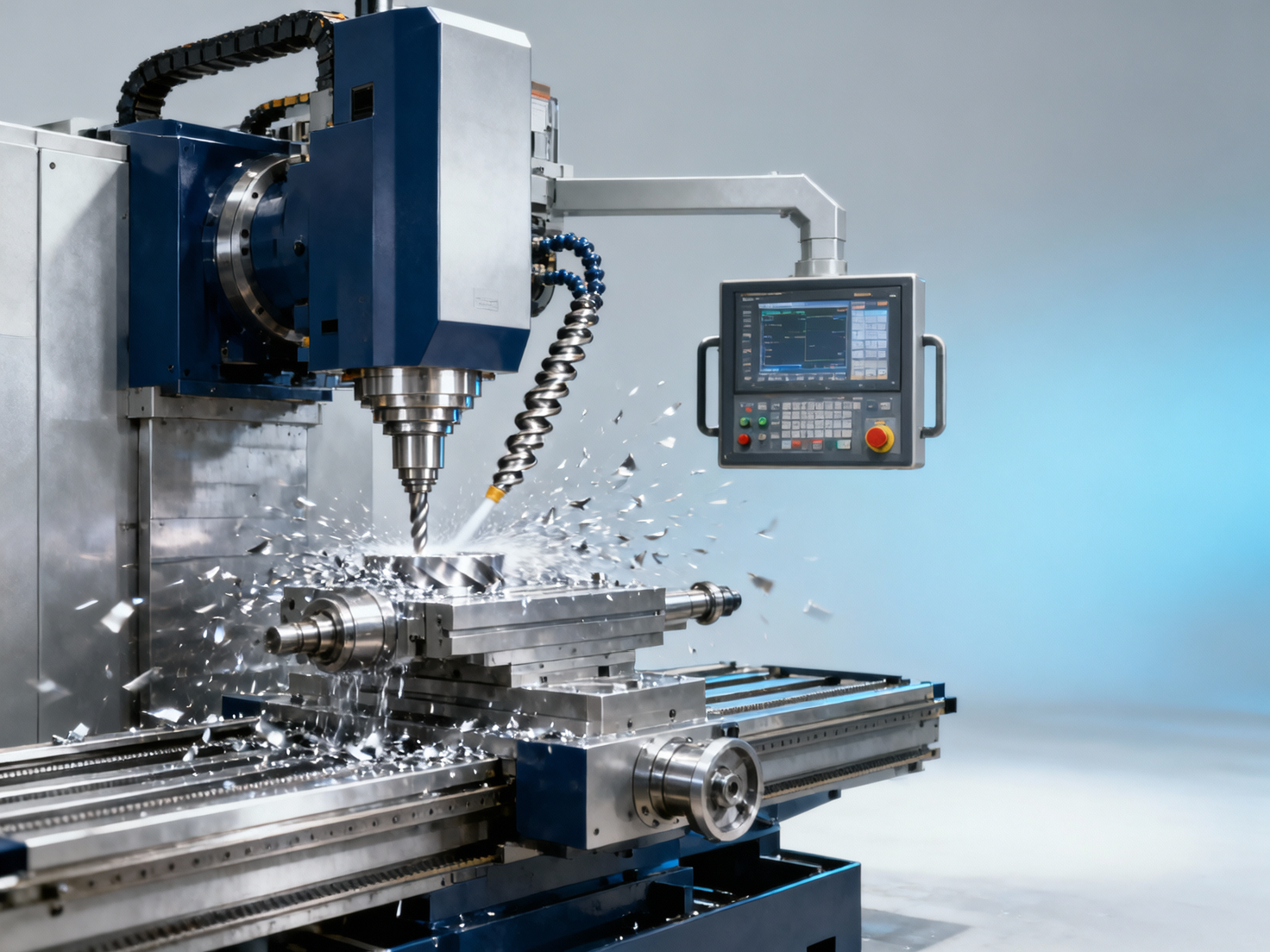
Industrial CNC adoption slowed in Q1 2026—not because of cost barriers, but due to a critical gap in standardized operator training paths. As demand for CNC industrial machines, automated industrial systems, and high-precision lathe solutions surges across automotive, aerospace, and electronics sectors, manufacturers face mounting pressure to deploy CNC metal cutting, industrial turning, and CNC production equipment effectively. Yet without unified curricula for industrial CNC, CNC metalworking, and automated lathe operation, even advanced CNC industrial equipment and precision equipment underperform. This analysis explores how fragmented training undermines ROI on CNC production, metal machining, and industrial machining equipment—and what stakeholders—from operators to enterprise decision-makers—can do to accelerate adoption.
The Hidden Bottleneck: Why Training Fragmentation Slows Industrial CNC Deployment
While global CNC machine tool shipments grew 4.2% year-on-year in early 2026, adoption velocity among Tier-2 and Tier-3 contract manufacturers declined by 11.3% in Q1—despite record-low financing rates and aggressive OEM leasing programs. Cost is not the constraint: average capital expenditure per CNC machining center dropped 7% YoY, and multi-axis lathe lease terms now extend up to 60 months at sub-4.5% APR. Instead, plant-floor data reveals a systemic bottleneck: 68% of surveyed facilities reported ≥3 weeks of delayed ramp-up after installing new CNC lathes or vertical machining centers—primarily due to inconsistent operator readiness.
Training remains highly localized: 72% of U.S. and EU manufacturers rely on internal, non-certified curricula; only 19% align with ISO/IEC 17024-compliant frameworks. In China and Southeast Asia, over 40% of CNC operators hold no formal credential beyond factory-specific onboarding—a 3–5 day process covering basic G-code navigation but omitting tool-path validation, thermal compensation, or predictive maintenance diagnostics.
This fragmentation directly impacts machine utilization. Facilities using standardized training report 89% average spindle uptime versus 63% for those relying on ad-hoc instruction—a 26-percentage-point gap that translates to $142K–$210K annual lost revenue per 5-axis machining center (based on median shop rate of $125/hour and 2,000 annual billable hours).
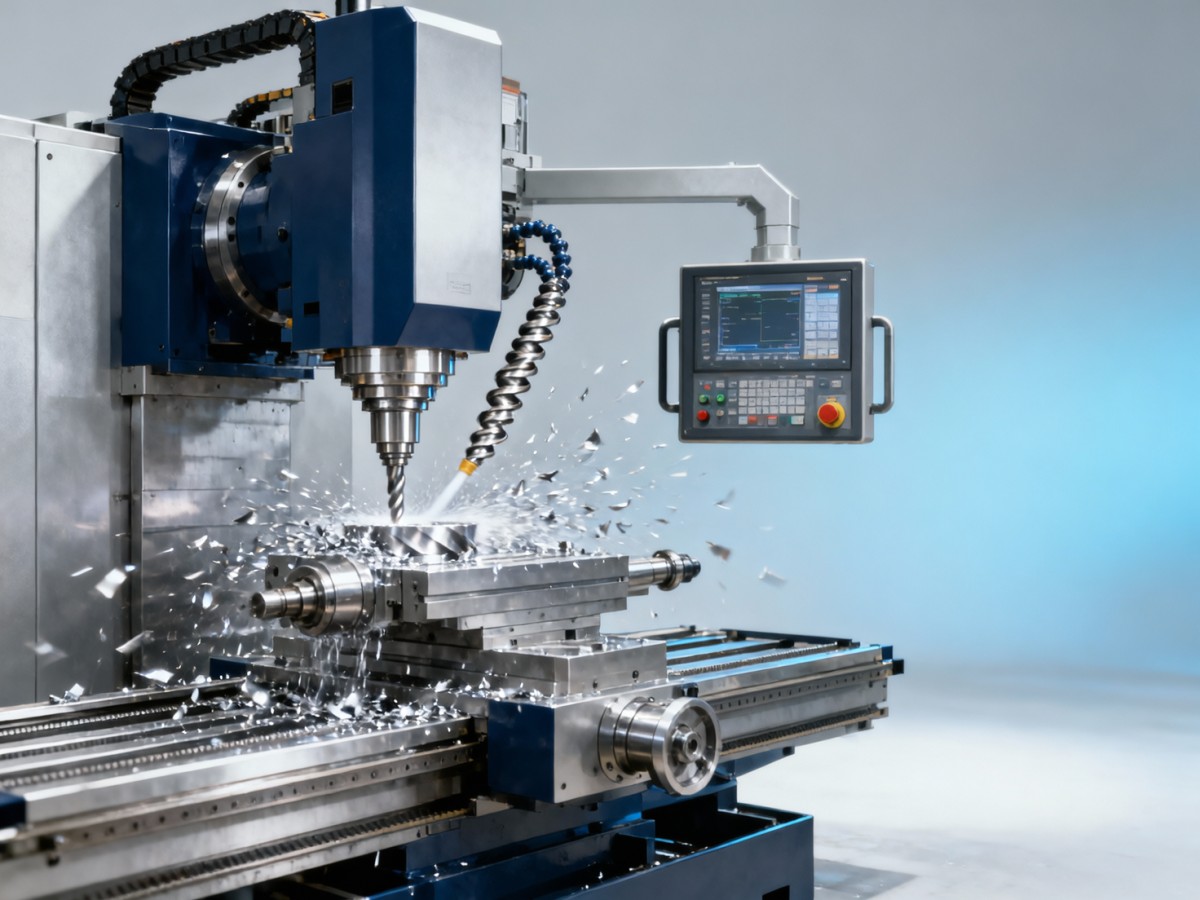
Who Bears the Cost? Stakeholder-Specific Impacts
The consequences of unstandardized training cascade across roles—with distinct financial and operational exposures:
Crucially, procurement decisions often overlook this variable: only 12% of RFQs include mandatory training alignment requirements. Without explicit contractual clauses referencing ANSI/AMT B11.22-2023 (Safety Requirements for CNC Machine Tools) or DIN EN ISO 13857:2019 (Safe Distances), buyers inadvertently accept long-term operational liabilities.
Standardization Pathways: From Ad-Hoc to Certified Competency
Three scalable models are gaining traction among leading adopters:
- Industry-Academic Consortia: Germany’s “CNC Meister Initiative” certifies instructors across 21 technical universities and mandates 120-hour curricula covering simulation-based toolpath validation, GD&T interpretation, and real-time vibration monitoring—delivered via hybrid classroom + OEM-simulated environments.
- OEM-Embedded Certification: Okuma’s “OSP Academy” integrates training modules directly into its OSP-P300 control interface, requiring completion of 8 scenario-based assessments before unlocking advanced contouring functions—reducing setup errors by 41% in pilot plants.
- Modular Micro-Credentials: The U.S. National Institute for Metalworking Skills (NIMS) now offers stackable credentials: “CNC Lathe Setup Level I” (40 hrs), “Multi-Axis Programming Level II” (72 hrs), and “Smart Factory Integration Level III” (56 hrs)—each mapped to specific machine capabilities and validated via live shop-floor performance audits.
Facilities adopting any of these pathways achieve full operational maturity in ≤6 weeks—versus 14–22 weeks for legacy methods. Critically, all three require minimal upfront investment: consortia tuition averages $1,200/operator; OEM modules are included with hardware purchase; NIMS credentials cost $380–$520 per level.
Actionable Procurement & Implementation Checklist
To de-risk CNC deployment, stakeholders should embed these criteria into sourcing, installation, and commissioning workflows:
Integrating these checkpoints reduces post-installation downtime by 53% and cuts first-year maintenance costs by an average of 22%, according to benchmark data from 47 mid-sized precision manufacturing firms across North America and Europe.
Conclusion: Standardization Is the Next Frontier of CNC ROI
Industrial CNC adoption isn’t stalled by affordability—it’s constrained by capability. As smart factories demand tighter integration between machine tools, MES platforms, and digital twin environments, operator proficiency becomes the central nervous system of production efficiency. Standardized, outcome-based training is no longer optional infrastructure; it’s the primary determinant of whether a $420,000 5-axis machining center delivers 18-month ROI—or becomes a $78,000/year depreciation asset.
For information researchers: Access our updated Global CNC Training Framework Benchmark Report (Q2 2026), including regional curriculum maps and OEM certification comparatives. For operators: Enroll in free introductory modules aligned with NIMS Level I competencies. For procurement and decision-makers: Request a customized Training Alignment Audit—covering your current fleet, planned acquisitions, and workforce development roadmap.
Get started today: Request your facility’s Training Readiness Assessment.
Recommended for You
 Machine Tool Market Outlook: Demand Drivers, Capacity Shifts, and Investment RisksManufacturing Market Research Center
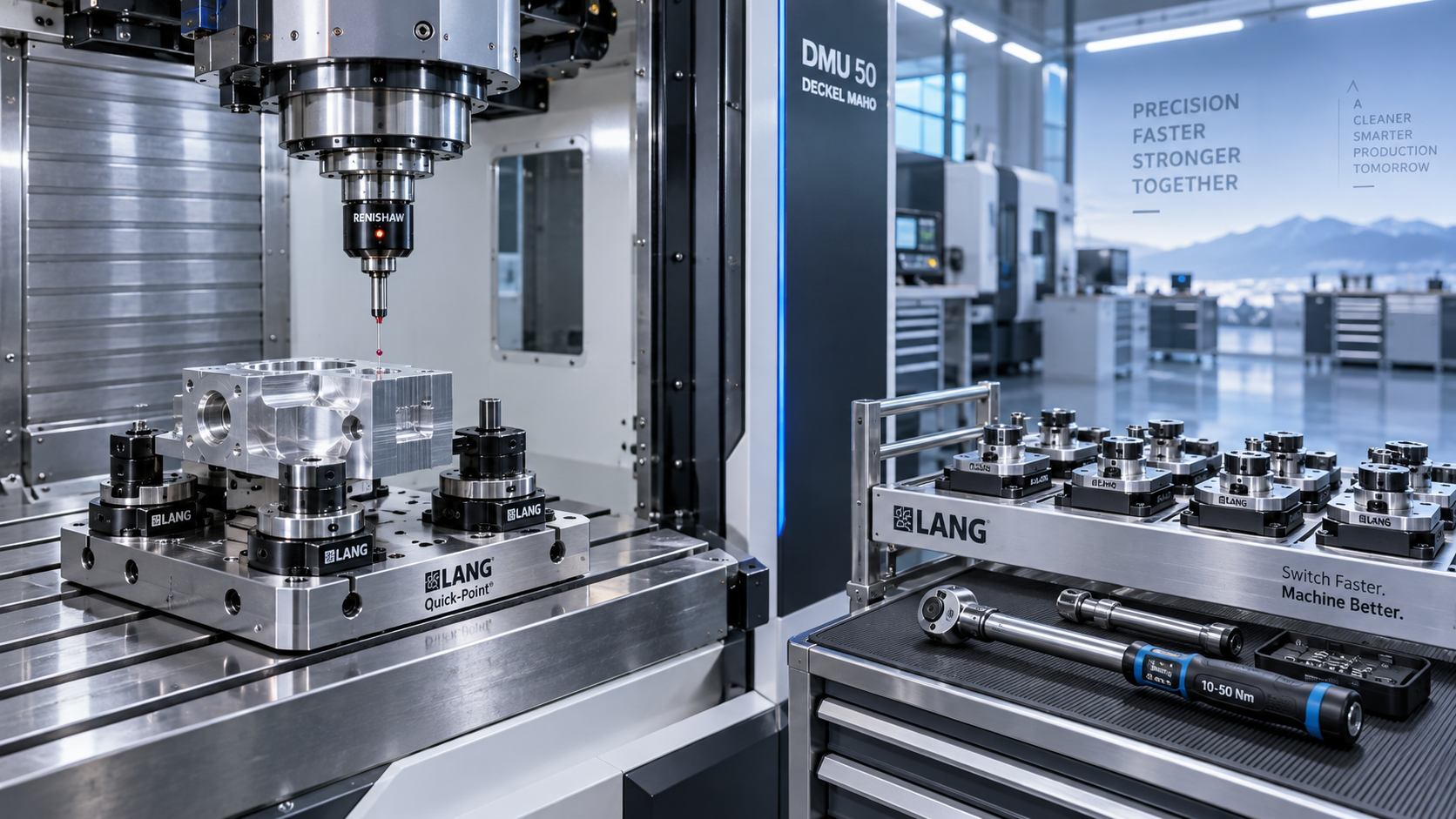
 Zero-Point Clamping or Modular Fixtures? Choosing a Faster CNC Changeover SystemCNC Machining Technology Center
 How to Cut CNC Fixture Changeover Time Without Sacrificing Part AccuracyCNC Machining Technology Center
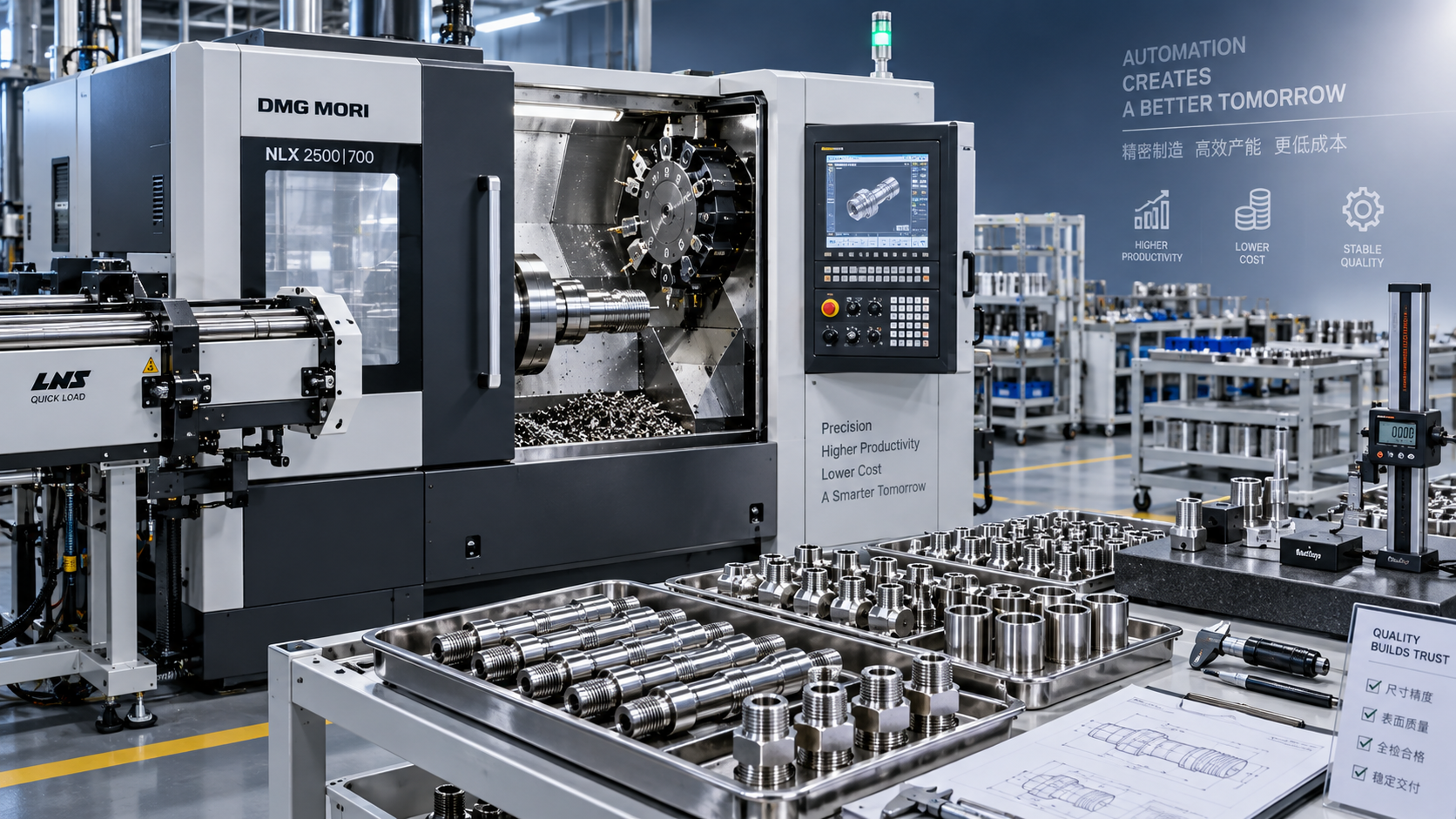
 When Does CNC Turning Pay Off? A Break-Even Guide by Annual Part VolumeMachine Tool Industry Editorial Team
 Machine Tool Standards by Country: What Importers Must Verify Before PurchaseManufacturing Policy Research Center
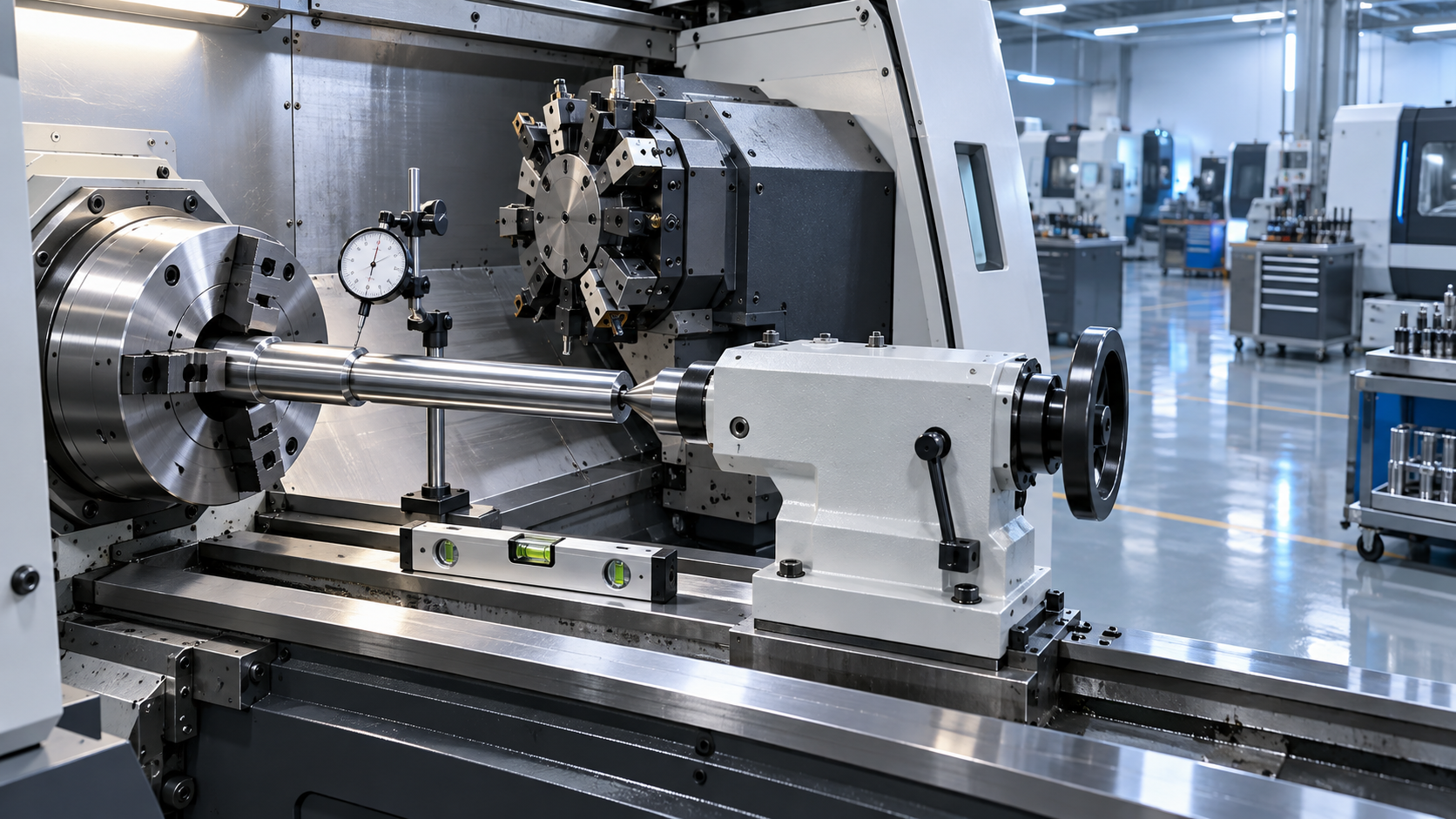
 CNC Lathe Quick Installation Guide: Alignment Checks Before First Production RunCNC Machining Technology Center
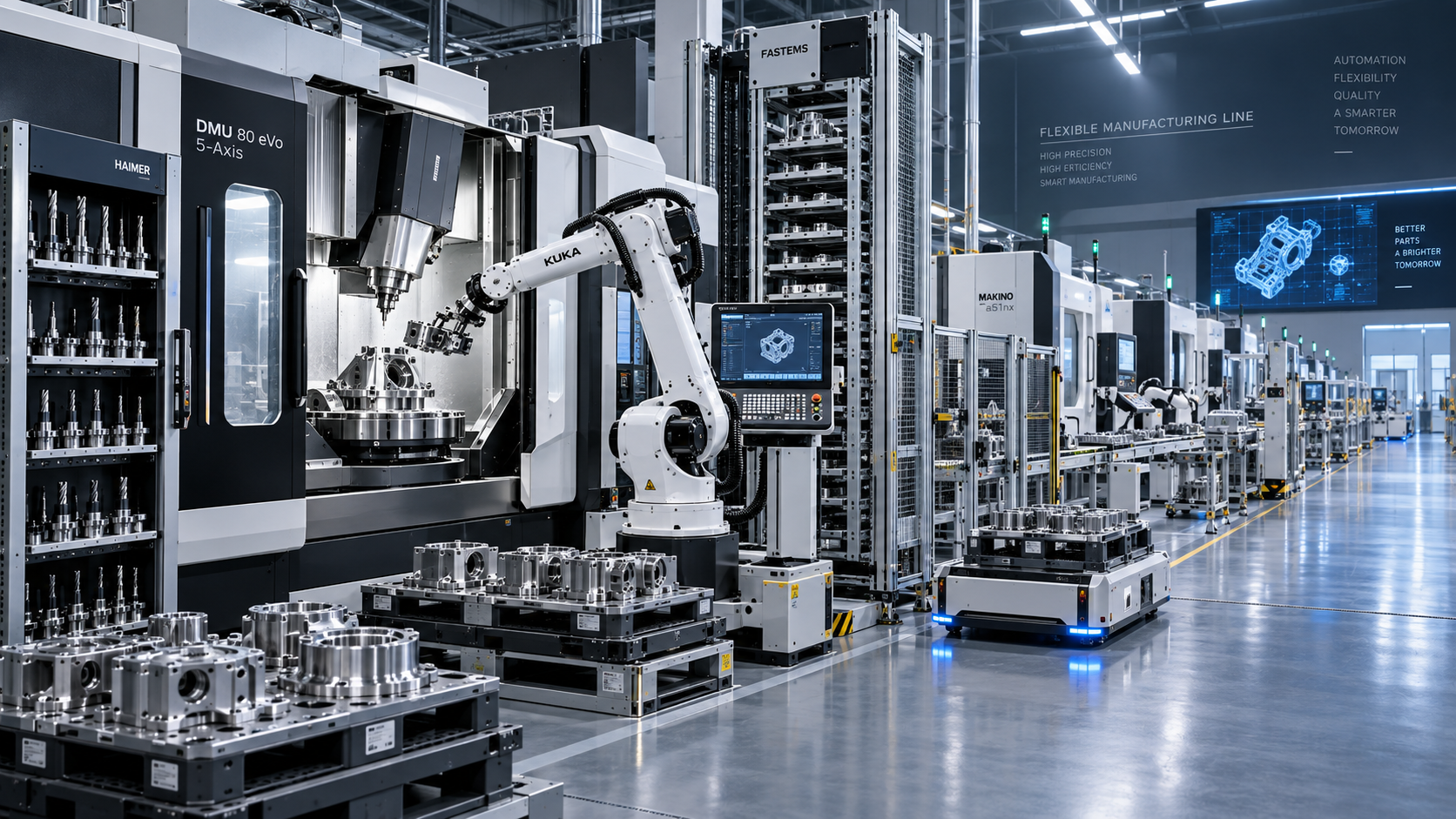
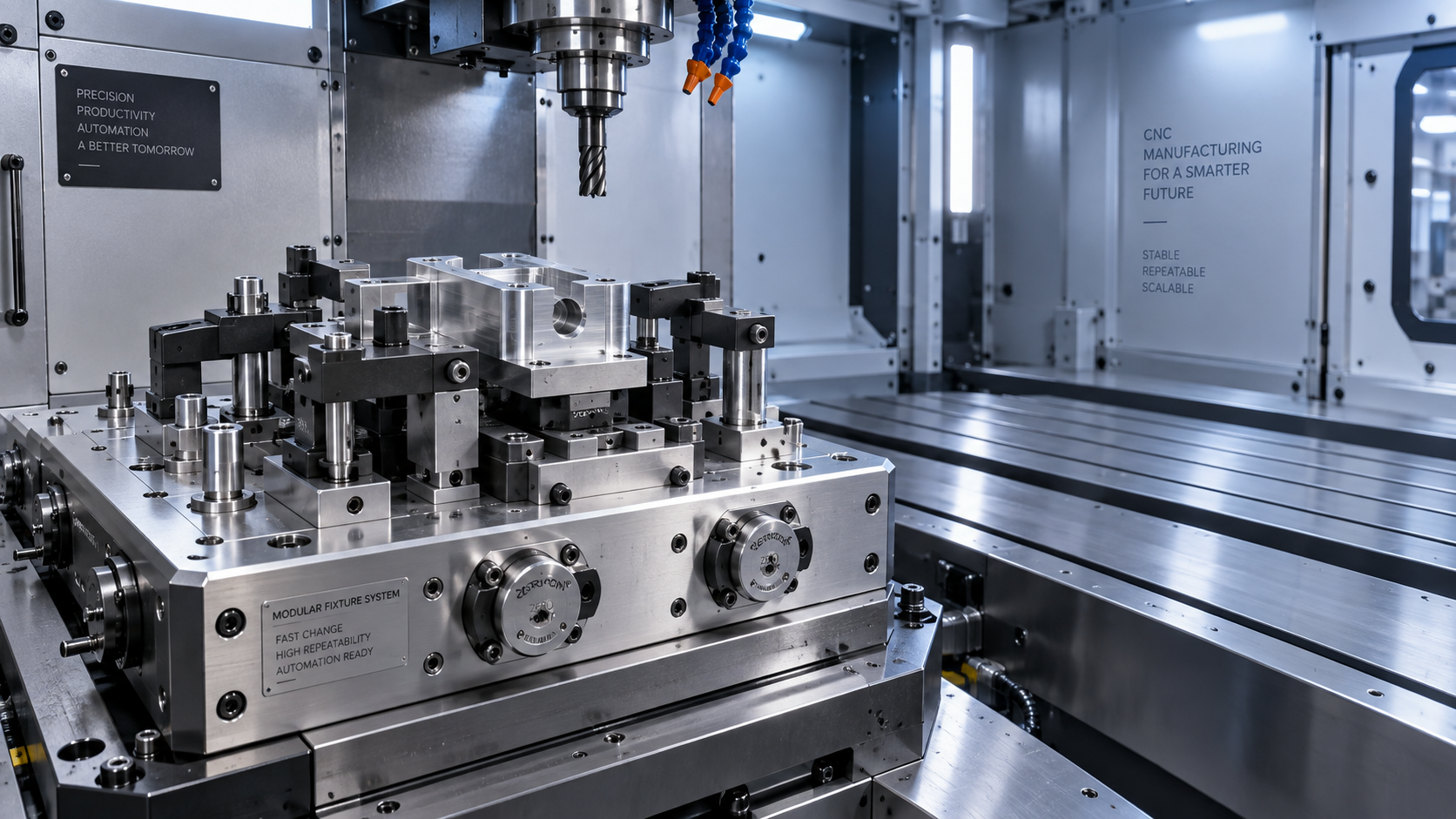

Aris Katos
Future of Carbide Coatings
15+ years in precision manufacturing systems. Specialized in high-speed milling and aerospace grade alloy processing.
▶
CNC Lathe Quick Installation Guide: Alignment Checks Before First Production RunCNC Machining Technology Center▶
How to Select a CNC Lathe for Small Parts Without Sacrificing Accuracy or Cycle TimeCNC Machining Technology Center▶
How to Select a Slant Bed Lathe for High-Precision Shaft and Chuck WorkCNC Machining Technology Center▶
How to Specify a CNC Lathe for High-Volume Automotive Shaft ProductionCNC Machining Technology Center▶
CNC Turning Explained: How It Works, Key Tolerances, and Best-Fit Part TypesCNC Machining Technology Center
Mastering 5-Axis Workholding Strategies
Join our technical panel on Nov 15th to learn about reducing vibrations in thin-wall components.

Providing you with integrated sanding solutions
Before-sales and after-sales services
Comprehensive technical support