• Global CNC market projected to reach $128B by 2028 • New EU trade regulations for precision tooling components • Aerospace deman
NYSE: CNC +1.2%LME: STEEL -0.4%

Fixture Design Cost Breakdown: What Buyers Should Review Before RFQ and Approval
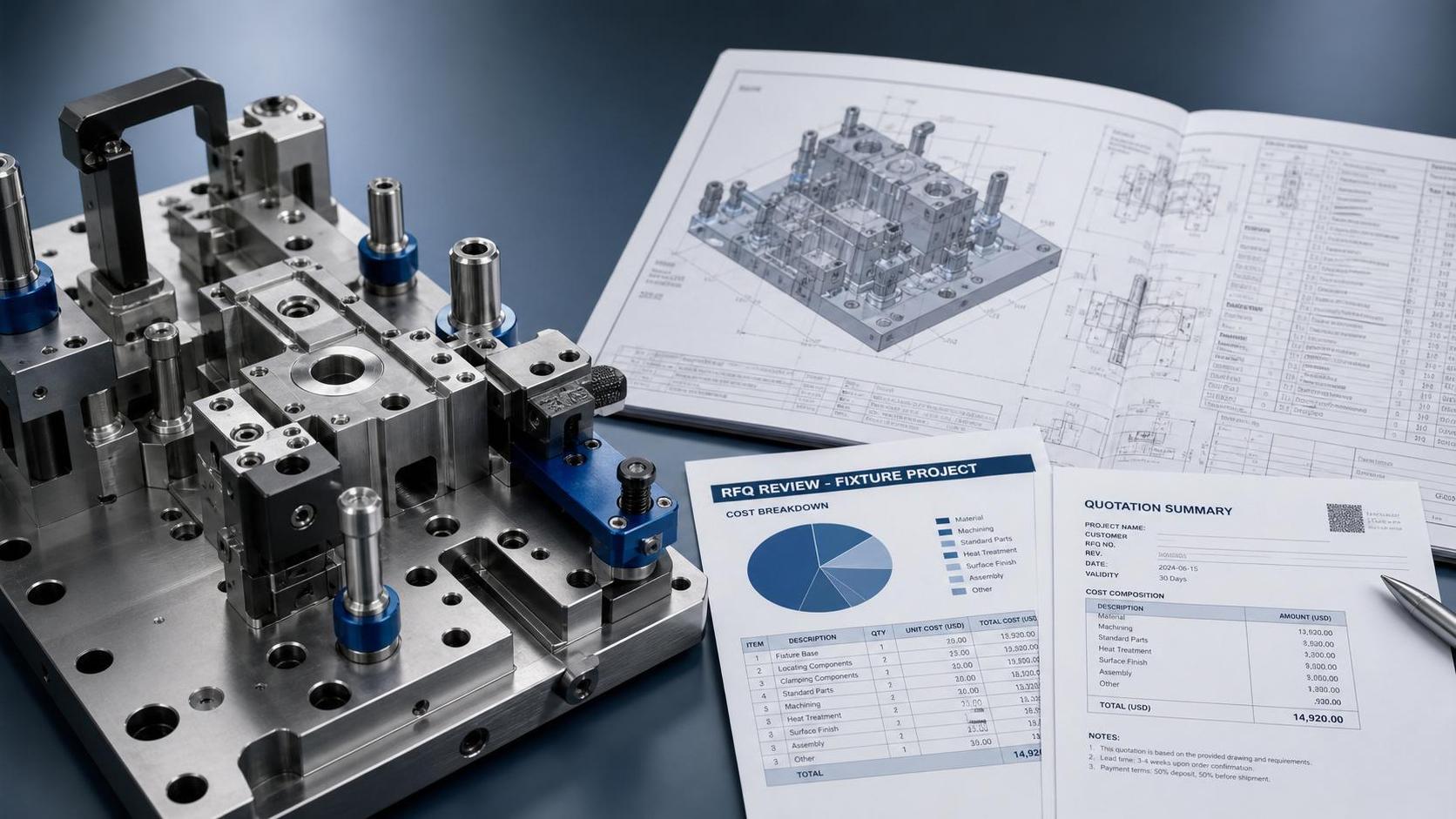
Why does Fixture Design cost deserve a closer review before RFQ approval?
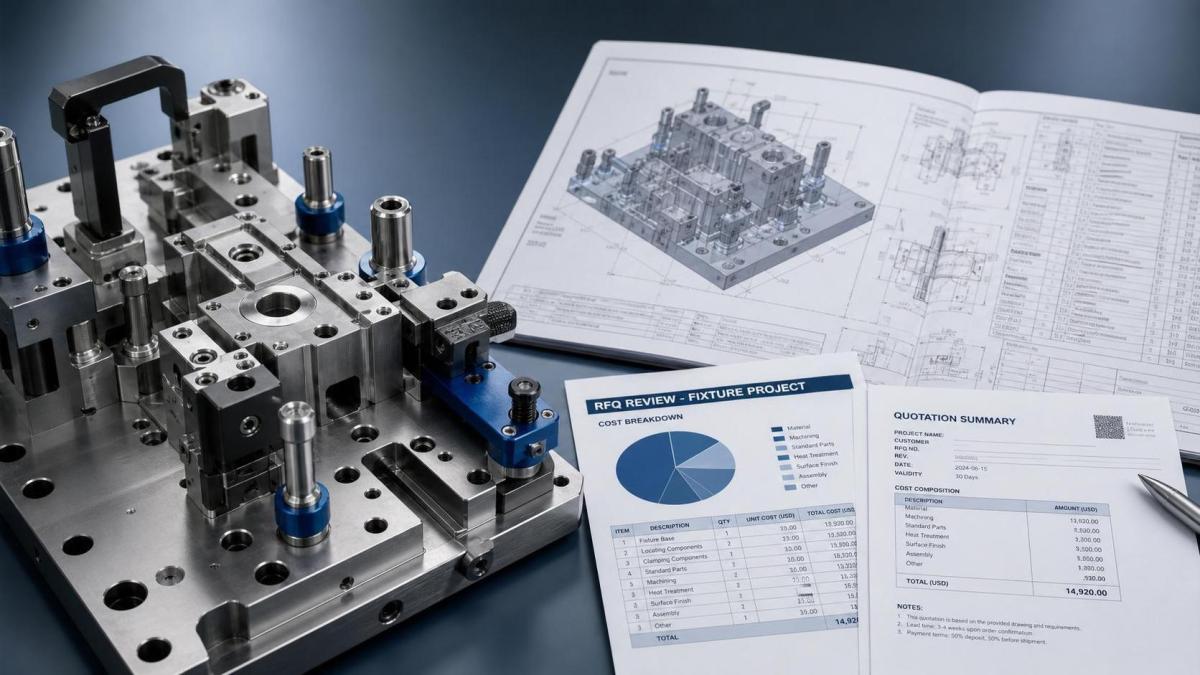
Fixture Design often looks like a small line item, yet it can reshape total project cost, lead time, and process stability.
That matters even more in CNC machining, where precision, repeatability, and takt time directly affect output quality.
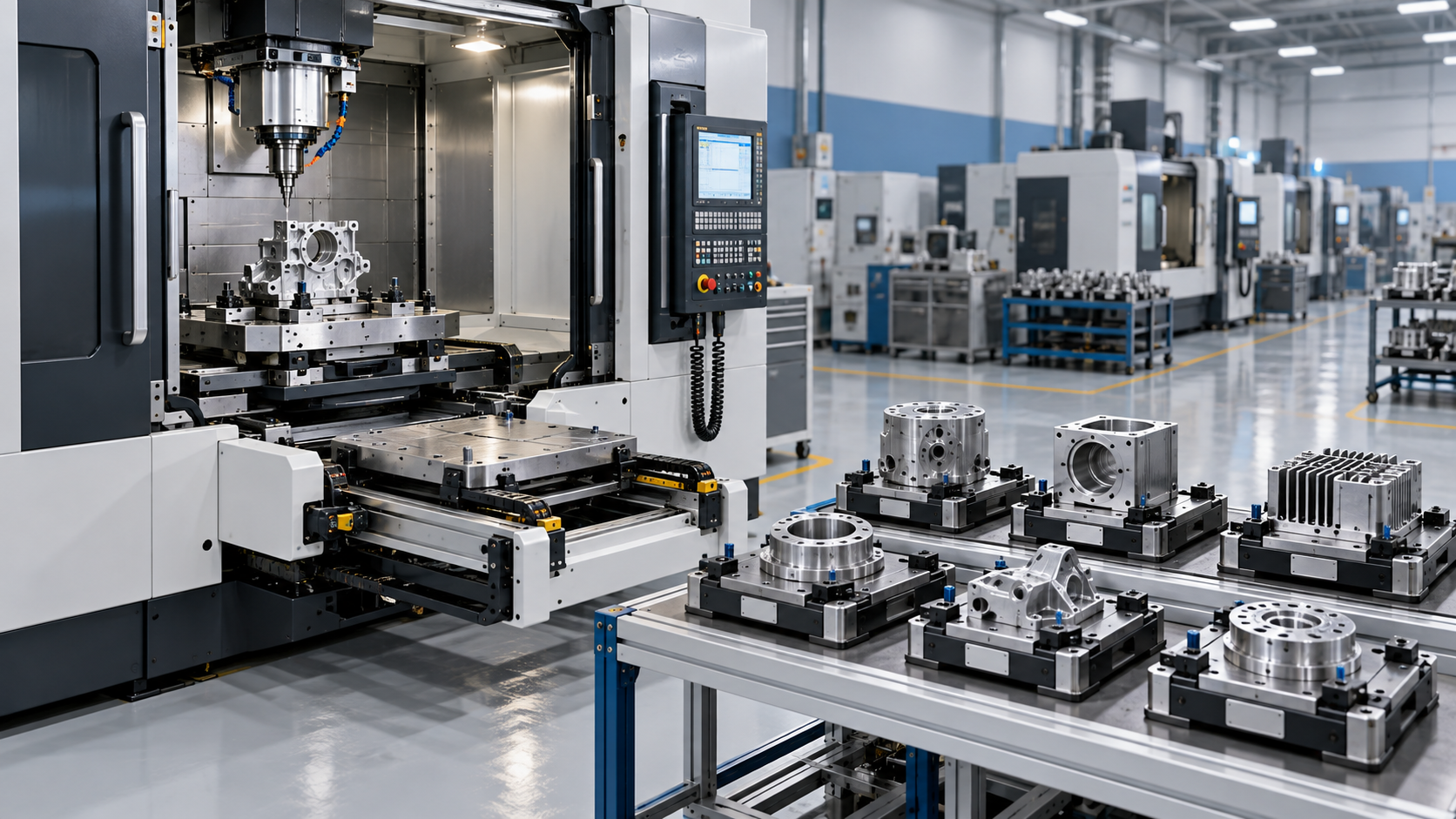
In automotive, aerospace, energy equipment, and electronics production, the fixture is not just a holding tool.
It is part of the manufacturing method, especially for multi-axis machining, tight-tolerance parts, and automated loading environments.
Before approving a quote, the more useful question is not whether Fixture Design is expensive.
The better question is what exactly is included, what could change later, and which assumptions drive the price.
A low number can hide revision risk, weak material choices, or missing validation steps.
A higher number may be justified if the fixture supports long production runs, automation, or difficult geometry.
In practice, reviewing Fixture Design cost early helps compare suppliers on the same basis instead of comparing incomplete quotes.
What is usually included in a Fixture Design quotation?
Many buyers expect one bundled figure, but Fixture Design cost is usually built from several technical layers.
The design fee covers engineering time, but that is only the visible starting point.
A complete quotation may include concept review, 3D modeling, clamping analysis, tolerance stack-up review, and drawing release.
It may also include fixture body material, purchased components, machining hours, surface treatment, assembly, and trial adjustment.
Where automation is involved, costs can rise through sensor mounts, pneumatic units, robot access clearance, and safety interlocks.
Some suppliers separate these items clearly. Others merge them into tooling or process engineering.
That is why line-by-line visibility matters.
A quick screening table helps identify what should be checked before approval.
If a quote does not define these items, the Fixture Design price is not fully comparable yet.
Which factors push Fixture Design cost higher than expected?
The main driver is rarely the drawing itself. It is usually the production condition behind it.
Part geometry is a major factor. Thin walls, freeform surfaces, deep cavities, and unstable datums require more support logic.
Tolerance is another cost lever. When repeatability must stay within tight limits, the fixture often needs better locators and wear control.
Cycle time targets also affect pricing. A fixture for manual loading may be simple.
A fixture for fast loading, indexing, or robotic handling is usually more complex and less forgiving.
Material choice matters as well. Aluminum can reduce weight and machining time.
Steel may be better for durability, especially in long-run programs or heavy cutting conditions.
More hidden drivers often include these points:
- Number of part variants using the same fixture base
- Need for quick-change jaws or modular locators
- Chip evacuation and coolant management
- Inspection access for in-process measurement
- Compatibility with existing CNC machines or pallets
In global sourcing, location can influence cost too, but it should not be viewed only as labor price.
Suppliers in strong machine tool clusters may price differently because they have better component access and more mature fixture know-how.
How can one compare low and high Fixture Design quotes without missing hidden cost?
A lower quote is not automatically better value, especially if the RFQ package is still evolving.
More useful comparisons come from checking technical assumptions behind the number.
Ask whether both suppliers used the same part revision, same production volume, and same loading method.
Then confirm whether tryout, adjustment, and fixture documentation are included.
If one quote assumes manual clamps and another includes hydraulic clamping, the price gap is logical.
If one includes only concept drawings while the other includes manufacturing release, the scope is also different.
A practical comparison framework is to review four areas together, not in isolation.
This approach usually reveals whether the lower quote is efficient, incomplete, or simply based on a different manufacturing model.
Where do delays and budget overruns usually start?
Most Fixture Design overruns do not begin in machining.
They begin earlier, when the RFQ package leaves too much open to interpretation.
Incomplete part drawings, missing datum logic, uncertain clamping direction, and unclear production volume can all distort the quote.
Another common issue is approving Fixture Design before the machining process is frozen.
If tool access changes later, the fixture may need new supports, relief areas, or a different loading orientation.
That can trigger redesign, scrap, and schedule loss.
The same applies when automation requirements are added after the first quote.
Sensor brackets, part presence confirmation, and pneumatic routing are rarely free additions.
A short pre-approval check usually prevents most of these issues:
- Confirm the latest part revision and 3D model match
- Define annual volume and expected fixture life
- State whether loading is manual, semi-automatic, or robotic
- Identify critical tolerances driving locator design
- Clarify who pays for engineering changes after approval
These checks are especially useful in cross-border sourcing, where assumptions may differ across suppliers and production cultures.
What should be reviewed before giving final approval?
By the approval stage, the goal is no longer broad comparison.
The goal is to confirm that the Fixture Design will support the planned process without creating avoidable downstream cost.
Start with function. The fixture should locate the part consistently, allow tool access, manage chips, and support safe loading.
Then review maintainability. Wear points, replaceable pads, and standard components reduce service disruption later.
Documentation also deserves attention. Assembly drawings, spare lists, and adjustment instructions help prevent dependence on tribal knowledge.
In smart manufacturing environments, traceability matters more than before.
If the fixture will sit in a digital production line, check whether sensors, identification points, or inspection references are planned from the start.
A final approval checklist can stay simple:
- Approved scope matches the quotation breakdown
- Performance assumptions are written, not implied
- Validation plan and adjustment limits are defined
- Change-order rules are documented before release
- Delivery timing fits part launch and machine readiness
Fixture Design decisions influence machining consistency, operator efficiency, and launch timing long after the quote is signed.
For that reason, the best next step is to review scope, assumptions, and change risk together before issuing or approving the final RFQ package.
That simple discipline makes supplier comparisons cleaner and turns Fixture Design cost into a more predictable part of sourcing.
Recommended for You
![]() Mitsubishi Electric Announces Physical AI System Linking Humanoid Robots and CNC MachinesMachine Tool Industry Editorial Team
Mitsubishi Electric Announces Physical AI System Linking Humanoid Robots and CNC MachinesMachine Tool Industry Editorial Team Precision Machining for Defense: Supplier Quality and Traceability ChecksManufacturing Market Research Center
![]() Nidec Machine Tool Launches MVR-5X Five-Axis Gantry MachineMachine Tool Industry Editorial Team
Nidec Machine Tool Launches MVR-5X Five-Axis Gantry MachineMachine Tool Industry Editorial Team Choosing a Precision Disc Parts Manufacturer in China: Tolerances and Quality ChecksManufacturing Market Research Center
![]() Siemens Executive Says AI Could Raise Factory Automation to 80%Manufacturing Market Research Center
Siemens Executive Says AI Could Raise Factory Automation to 80%Manufacturing Market Research Center Choosing Automated Machine Tools for High-Mix, Low-Volume ProductionMachine Tool Industry Editorial Team


Aris Katos
Future of Carbide Coatings
15+ years in precision manufacturing systems. Specialized in high-speed milling and aerospace grade alloy processing.
▶
How to Design Cost-Effective Fixtures That Maintain Cycle Time in Mass ProductionCNC Machining Technology Center▶
Zero-Point Clamping or Modular Fixtures? Choosing a Faster CNC Changeover SystemCNC Machining Technology Center▶
How to Cut CNC Fixture Changeover Time Without Sacrificing Part AccuracyCNC Machining Technology Center▶
Can One Fixture Handle Multiple Part Geometries Efficiently?CNC Machining Technology Center▶
Fixture Design Cost Breakdown: What Buyers Should Review Before RFQ and ApprovalCNC Machining Technology Center
▶
Mastering 5-Axis Workholding Strategies
Join our technical panel on Nov 15th to learn about reducing vibrations in thin-wall components.

Providing you with integrated sanding solutions
Before-sales and after-sales services
Comprehensive technical support