• Global CNC market projected to reach $128B by 2028 • New EU trade regulations for precision tooling components • Aerospace deman
NYSE: CNC +1.2%LME: STEEL -0.4%

EU Draft Tightens CNC Fixture CE Requirements

On July 9, 2026, the European Commission published draft amendments to Regulation (EU) 2026/185 that would add new compliance conditions for CE-certified CNC fixtures. The proposed changes focus on additional mechanical load validation and traceable material batch documentation, with particular relevance for modular fixturing systems used in aerospace and automotive machining. For manufacturers, importers, distributors, procurement teams, and certification-related service providers, this is worth close attention because it points to possible changes in technical documentation, quality records, supplier screening, and market access preparation ahead of the January 2027 effective date referenced in the draft.
What the draft amendment specifically changes
The confirmed information currently available is limited but clear on several points. The European Commission released draft amendments to Regulation (EU) 2026/185 on July 9, 2026. Under the draft, CE-certified CNC fixtures would be required to undergo additional mechanical load validation and maintain traceable material batch documentation effective January 2027. The update specifically targets modular fixturing systems used in aerospace and automotive machining. It also states that importers and distributors in the EU must ensure suppliers provide updated technical files and quality records aligned with ISO 9001:2025 by the fourth quarter of 2026 in order to avoid market access restrictions.
Where the operational pressure is likely to appear first
For fixture manufacturers, the issue is no longer limited to CE marking alone
From an industry perspective, manufacturers of CNC fixtures, especially those supplying modular systems for aerospace and automotive machining, are the first group likely to feel the impact. The practical effect is not only on product certification status but also on the supporting evidence behind that status. What deserves closer attention is the need to connect product performance validation with batch-level material traceability and updated technical files, which may affect document preparation, internal quality workflows, and the timing of customer submissions.
EU importers and distributors face a documentation gate before placement on the market
For importers and distributors in the EU, the draft points to a more active compliance responsibility. The available information indicates that they must ensure suppliers provide updated technical files and ISO 9001:2025-aligned quality records by Q4 2026. Analysis shows this could shift their role from document collection to document verification, especially where market access depends on whether supplier files are complete, current, and consistent with the new draft requirements.
Procurement and sourcing teams may need to reassess supplier readiness
For buyers and sourcing teams, the likely impact is upstream. Where modular fixturing systems are procured for aerospace or automotive machining, supplier qualification may increasingly depend on whether the supplier can support additional mechanical load validation and batch traceability records. Observably, this is less about price comparison and more about whether procurement can secure compliant deliveries without disruption tied to missing technical documentation.
Testing, certification, and support functions may see tighter review cycles
Certification-related service providers, testing support functions, and after-sales quality teams may also be affected. Analysis shows that once additional validation and traceability become part of the compliance expectation, supporting functions around document review, record consistency, and product file maintenance may become more important in shipment preparation, customer audits, and post-delivery quality follow-up.
What companies should watch before the draft takes effect
Check whether current technical files match the coming documentation threshold
Companies dealing in affected CNC fixtures should review whether existing technical files are likely to support the draft's stated requirements. The immediate practical question is whether current records already cover the additional mechanical load validation and traceable material batch documentation referenced in the draft. If not, the gap may appear first in customer qualification, importer review, or distributor onboarding.
Watch the Q4 2026 supplier record deadline closely
The draft states that EU importers and distributors must ensure suppliers provide updated technical files and ISO 9001:2025-aligned quality records by Q4 2026. Analysis shows this date matters not only for compliance teams but also for purchasing and delivery planning. Suppliers that cannot update records on time may face added friction in transactions, document review, or market entry preparation.
Pay special attention to modular systems used in aerospace and automotive machining
The draft specifically identifies modular fixturing systems used in aerospace and automotive machining. That means companies operating in those application areas should not treat the amendment as a general background signal. Observably, the most immediate review priority should be the product categories explicitly named in the draft, along with the related validation records and material traceability files.
Continue tracking official wording and execution guidance
Because the published text described here is a draft amendment, companies should continue to monitor how the final compliance language, certification interpretation, and documentation expectations are expressed in later official materials. What deserves closer attention is whether implementation will rely mainly on file completeness, testing evidence, importer verification practice, or a combination of these elements.
Why this looks more like an execution signal than a routine update
Analysis shows this development is more significant as a compliance signal than as a simple regulatory headline. The draft does not just mention product safety in broad terms; it links CE-certified CNC fixtures to more specific validation and traceability expectations, while also assigning a clear documentation responsibility to EU importers and distributors before the stated effective date. It is more appropriate to understand this as a rule change in progress that already gives the market a preparation window, rather than as a fully settled enforcement outcome. For that reason, industry attention should remain on how technical files, ISO 9001:2025-aligned records, and market-access checks are handled in practice over the coming months.
How this update is best understood at this stage
At this stage, the July 9, 2026 draft amendment is best read as a targeted compliance development affecting CNC fixture certification, documentation, and supplier readiness, particularly in aerospace and automotive machining applications. It does not yet justify broad conclusions beyond the information provided, but it clearly indicates that affected market participants should review documentation pathways, supplier file quality, and timing for compliance preparation. In practical terms, this is less a completed market outcome than a regulatory development with direct operational consequences if confirmed and implemented as indicated.
Basis of this article and points that still require verification
This article is based on the user-provided news title, event date, and event summary. For developments of this type, commonly relevant source categories may include official regulatory notices, publications from supervisory authorities, customs or trade administration information, industry association updates, standards organization documents, and reporting by established professional media. A specific official source link was not provided in the input, so the precise official text and any later revision still need ongoing verification. Areas that remain worth monitoring include detailed implementation language, certification interpretation, updates to tender or procurement documents, industry feedback, and how affected companies actually organize compliance and delivery preparation.
Recommended for You
 Industrial Machining: Selecting Processes for Tight-Tolerance Metal PartsCNC Machining Technology Center
 Manufacturing Technology Trends That Improve Throughput and Quality ControlManufacturing Market Research Center
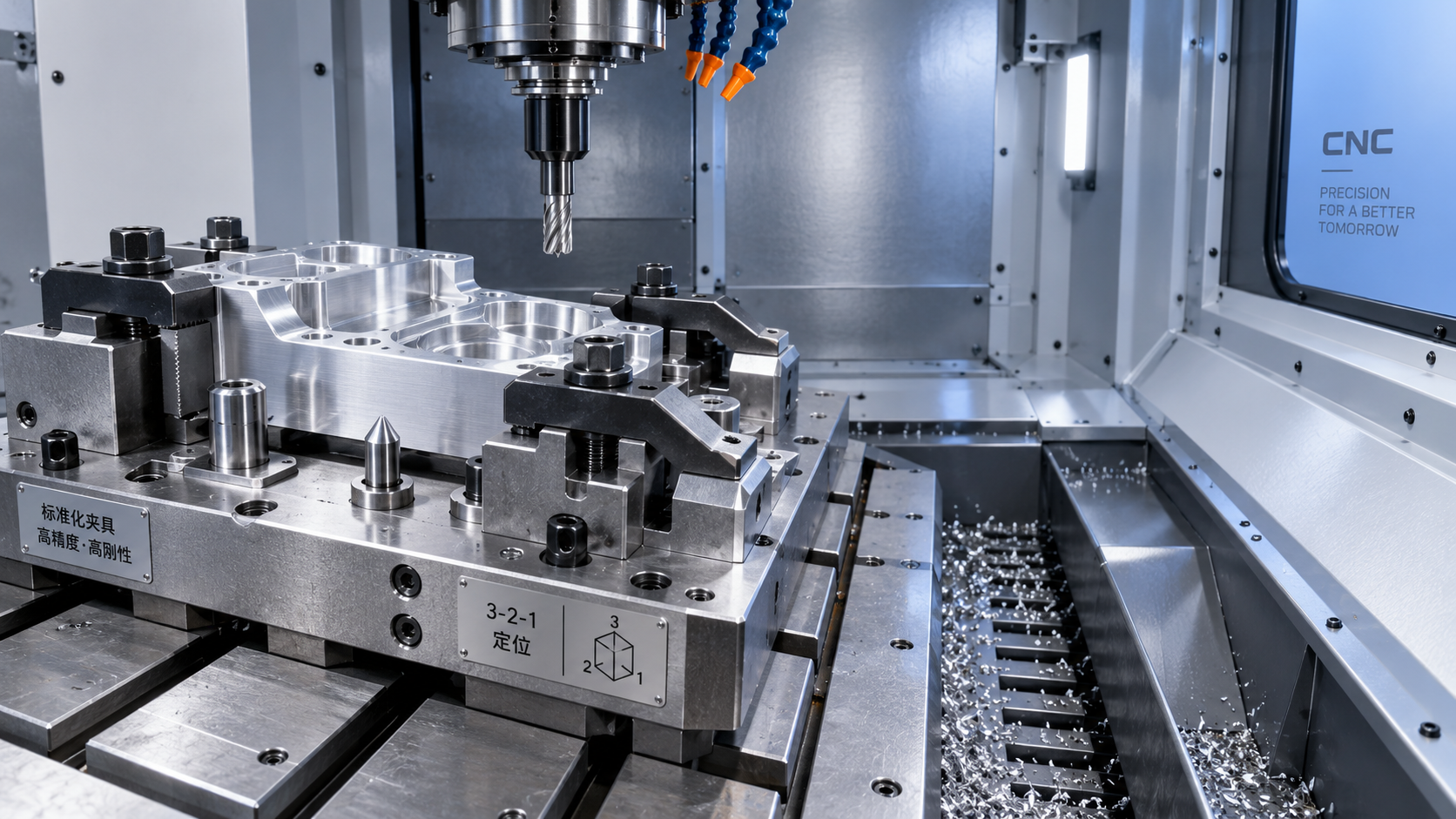
 How to Design Cost-Effective Fixtures That Maintain Cycle Time in Mass ProductionCNC Machining Technology Center
 Is Learning CNC Programming Worth It for Shop Owners Seeking Higher Margins?CNC Machining Technology Center
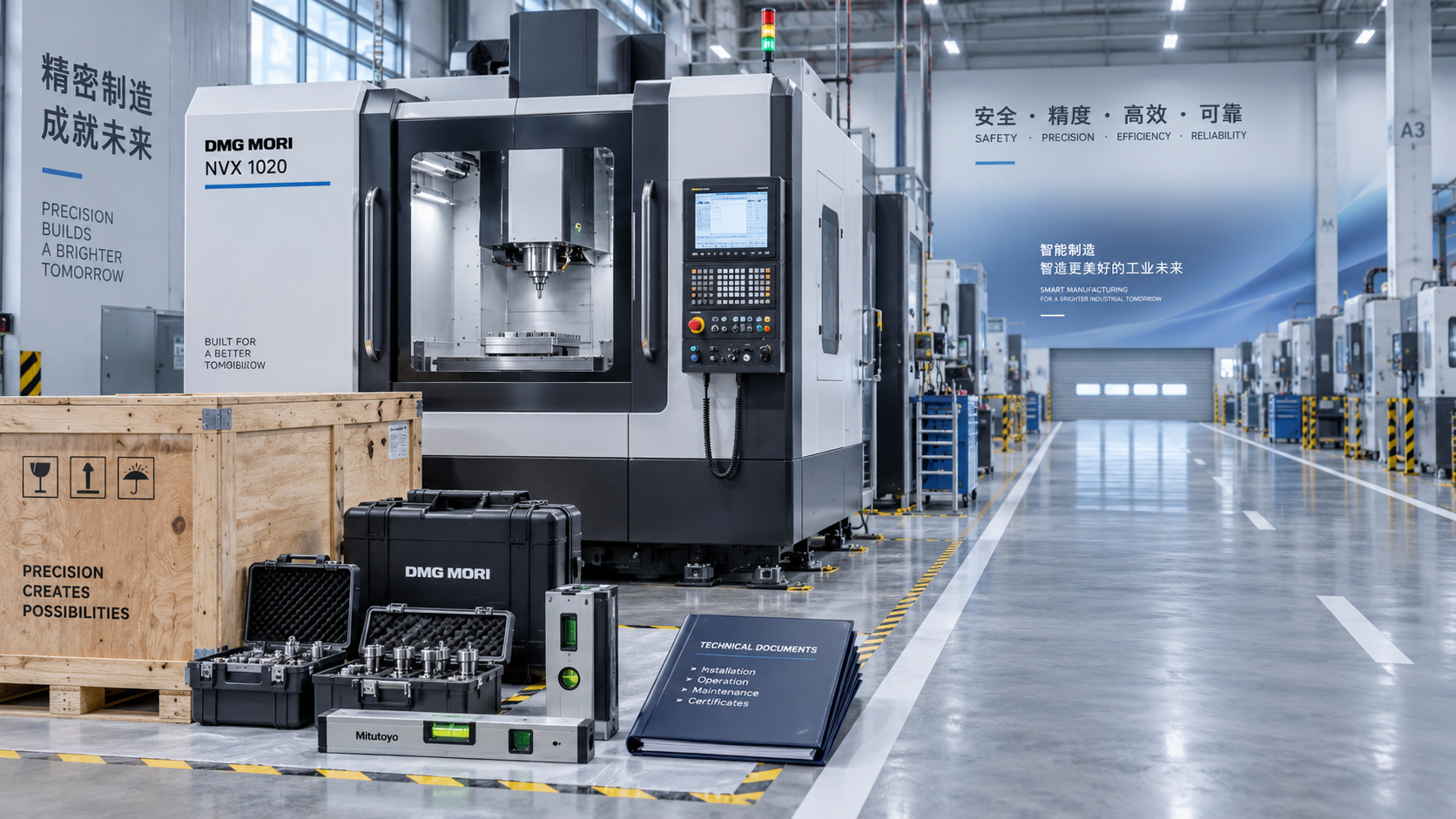
 CNC Machine Arrival Inspection: Check Shipping Damage, Accuracy, Safety, and DocumentsCNC Machining Technology Center
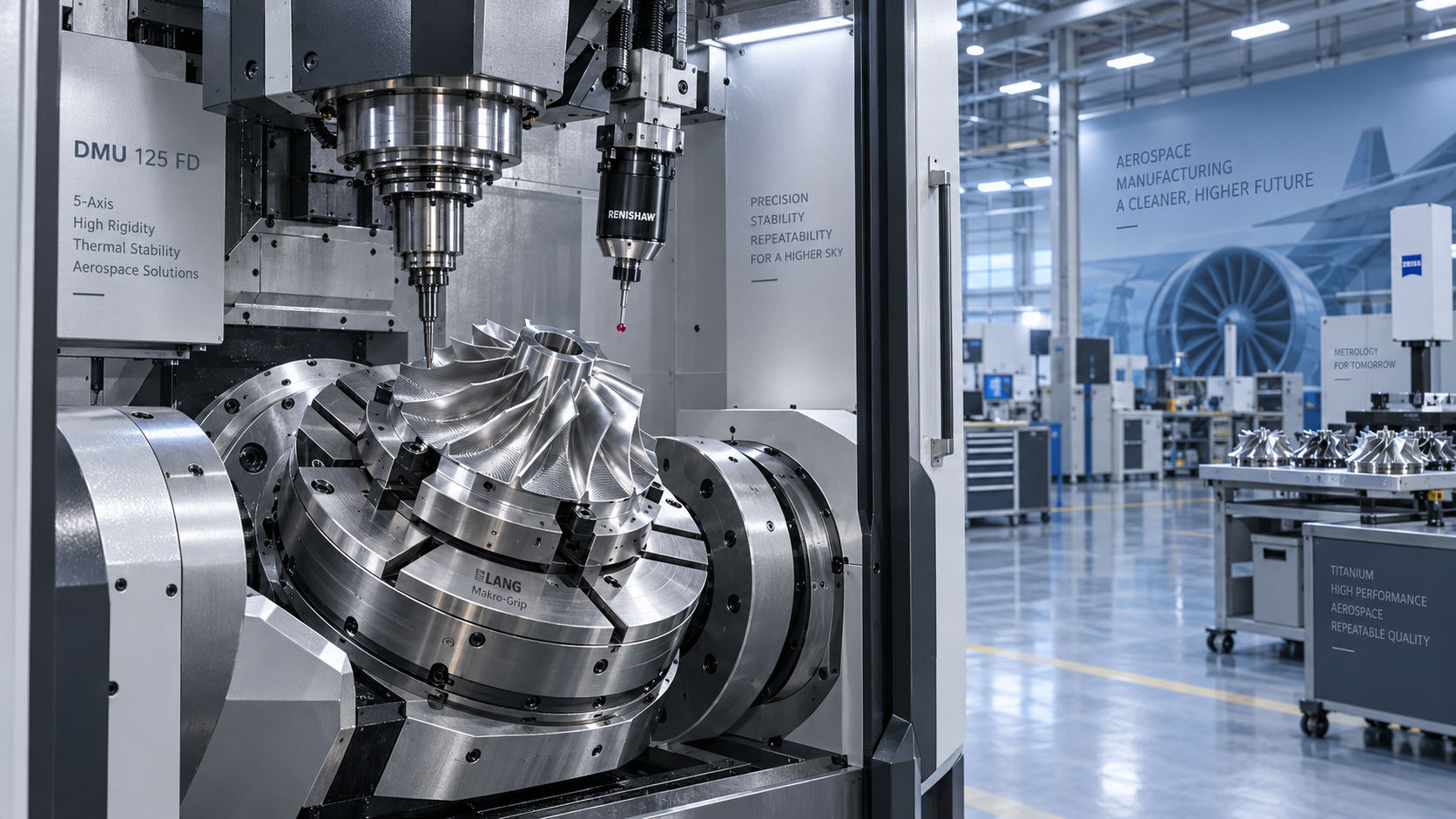
 How to Select a Machine Tool for Aerospace Parts with Tight Tolerances?Machine Tool Industry Editorial Team



Aris Katos
Future of Carbide Coatings
15+ years in precision manufacturing systems. Specialized in high-speed milling and aerospace grade alloy processing.
▶
How to Design Cost-Effective Fixtures That Maintain Cycle Time in Mass ProductionCNC Machining Technology Center▶
Zero-Point Clamping or Modular Fixtures? Choosing a Faster CNC Changeover SystemCNC Machining Technology Center▶
How to Cut CNC Fixture Changeover Time Without Sacrificing Part AccuracyCNC Machining Technology Center▶
Can One Fixture Handle Multiple Part Geometries Efficiently?CNC Machining Technology Center▶
Fixture Design Cost Breakdown: What Buyers Should Review Before RFQ and ApprovalCNC Machining Technology Center
Mastering 5-Axis Workholding Strategies
Join our technical panel on Nov 15th to learn about reducing vibrations in thin-wall components.

Providing you with integrated sanding solutions
Before-sales and after-sales services
Comprehensive technical support