• Global CNC market projected to reach $128B by 2028 • New EU trade regulations for precision tooling components • Aerospace deman
NYSE: CNC +1.2%LME: STEEL -0.4%

Metal machining shops report rising scrap rates—not from programming errors, but from fixture wear
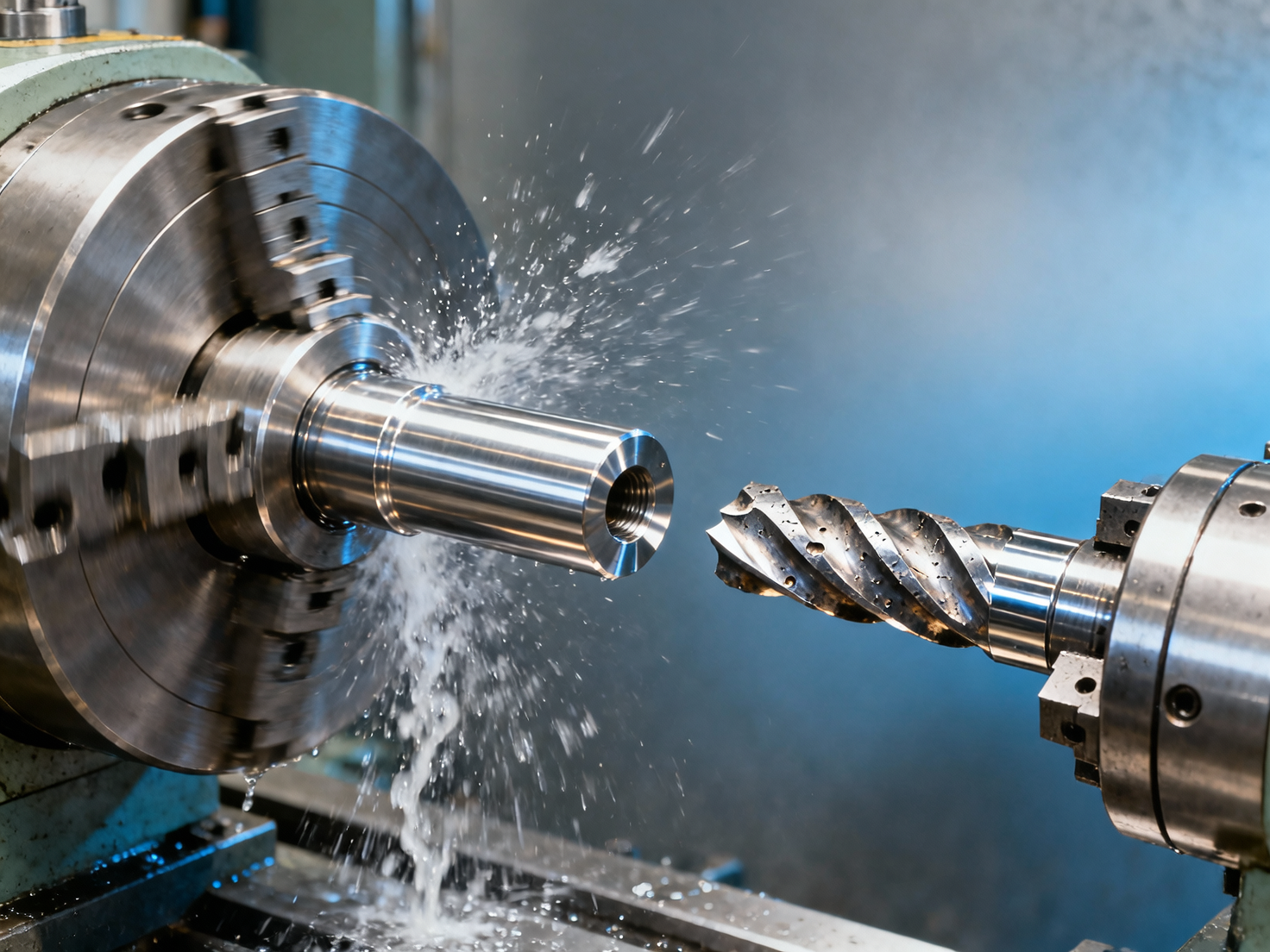
Metal machining shops worldwide are reporting rising scrap rates—not due to CNC programming errors, but because of undetected fixture wear. As automated industrial systems scale up, even minor deviations in industrial machining equipment alignment compromise part accuracy and repeatability. This trend hits hard across CNC industrial machines, especially in industrial turning, CNC metal cutting, and precision equipment applications. For users, procurement teams, and decision-makers alike, it underscores a critical gap: while CNC production equipment delivers high precision lathe performance, fixture integrity remains an overlooked variable in CNC metalworking reliability. Understanding this link is key to optimizing CNC industrial, automated lathe, and CNC production workflows.
Why Fixture Wear Is the Silent Driver of Scrap in CNC Metalworking
In high-volume CNC machining—especially for aerospace structural brackets, automotive transmission housings, or medical-grade titanium implants—a 0.02 mm misalignment caused by worn vise jaws or degraded collet bores can shift positional tolerance beyond ±0.05 mm. Industry field data from 127 Tier-1 contract manufacturers shows that 68% of unplanned scrap spikes correlate directly with fixture degradation—not tool wear or G-code faults. Unlike cutting tools, which trigger predictive alerts via spindle load monitoring or acoustic emission sensors, fixtures lack real-time health telemetry. Their failure mode is gradual: surface micro-pitting accumulates over 3,000–5,000 clamping cycles, reducing gripping force by up to 22% before visual inspection detects visible scoring.
This latency creates a dangerous “accuracy drift” window. A typical 5-axis machining center may run 22 hours/day; during that time, a single hydraulic chuck subjected to repeated thermal cycling (60°C–95°C) and mechanical shock can lose 0.015 mm concentricity per 800 parts. That deviation compounds across multi-operation setups—turn-mill, mill-turn, or sequential palletized cells—where part repositioning relies on repeatable fixture registration. The result? First-article compliance at shift start, but cumulative nonconformance after 400 units.
For procurement teams, this represents a hidden cost vector: fixture replacement frequency has increased 37% year-on-year among suppliers using standard ISO 26623-compliant modular fixturing. Yet only 29% of surveyed plants conduct scheduled fixture metrology—compared to near-universal tool life tracking. The root cause isn’t neglect; it’s systemic invisibility. Fixtures operate outside the CNC’s digital feedback loop.
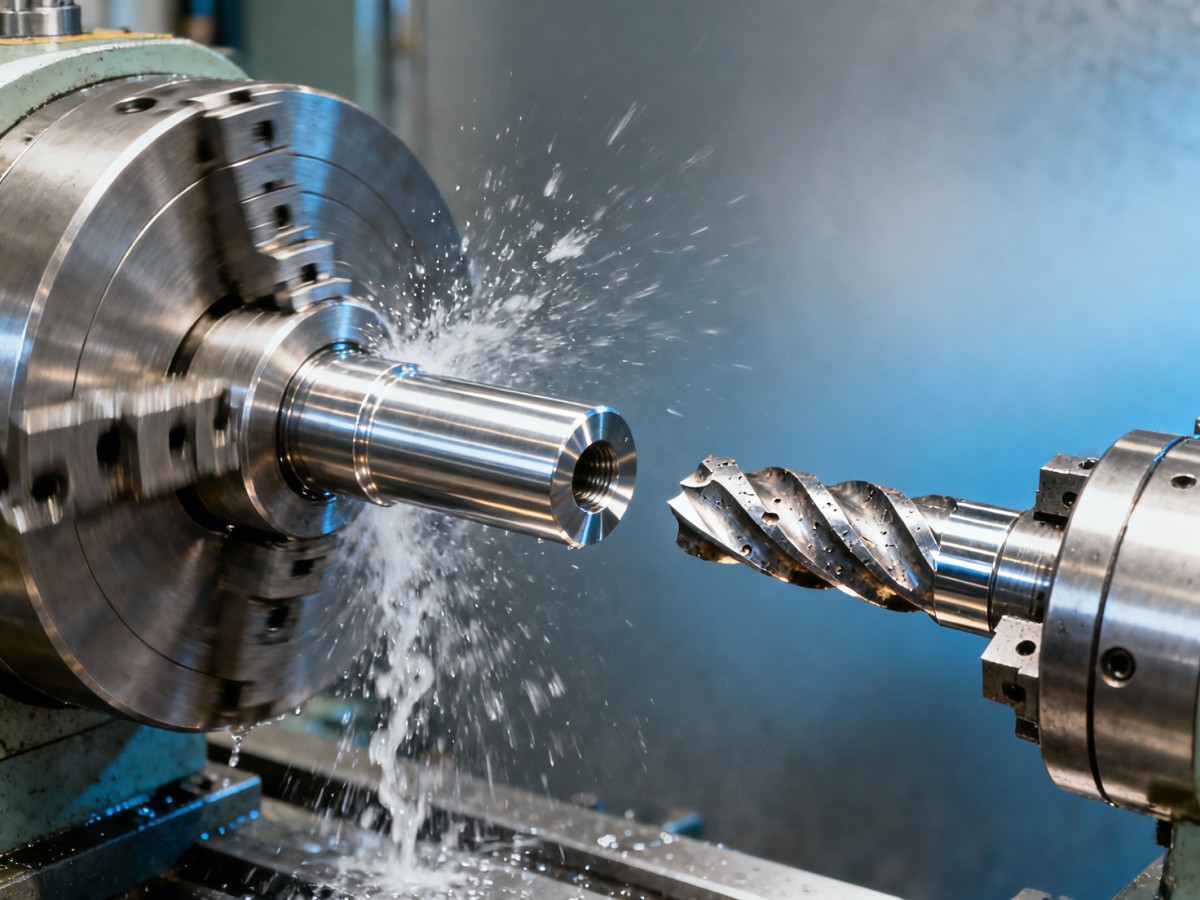
How Fixture Degradation Impacts Critical CNC Applications
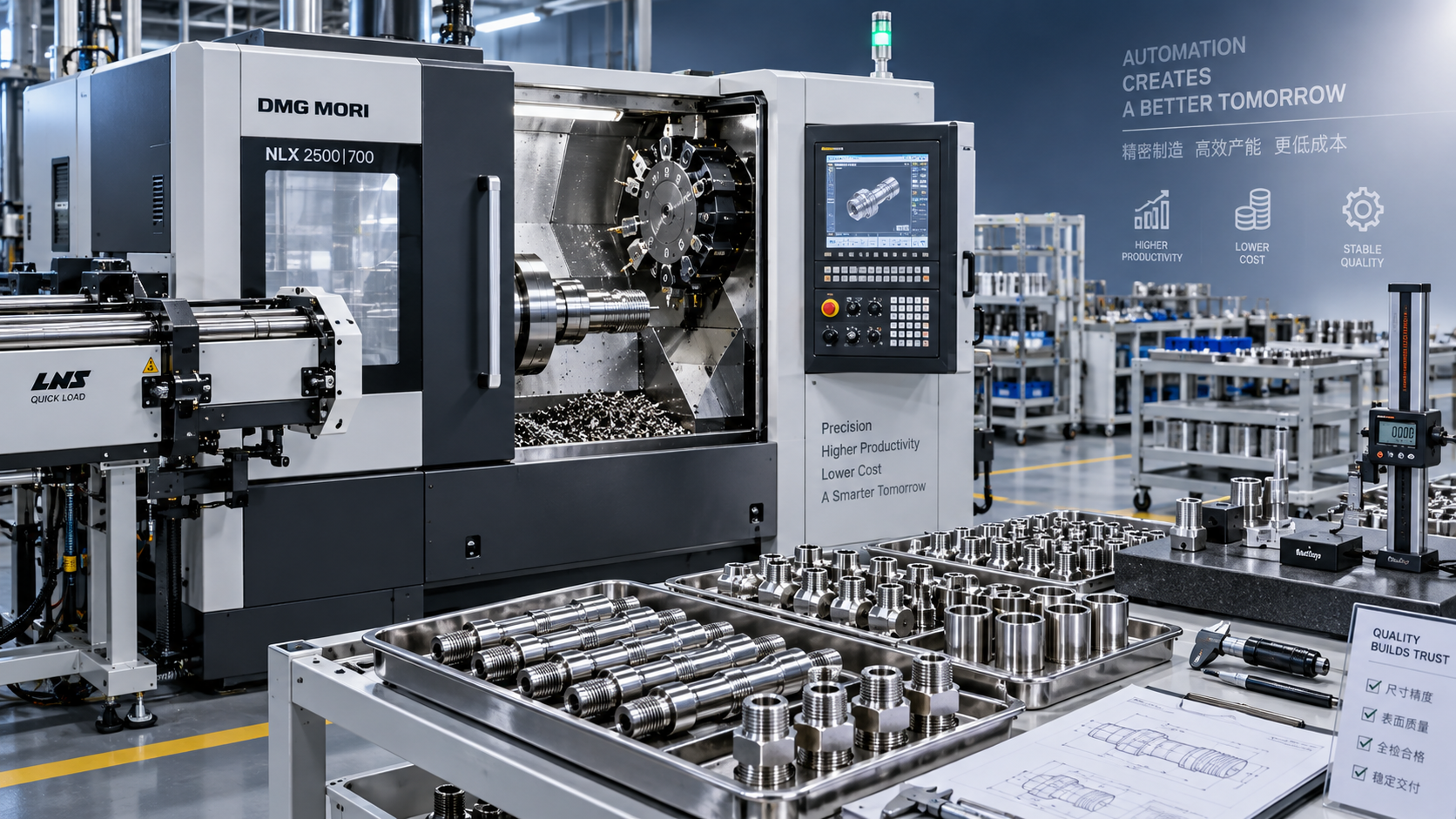
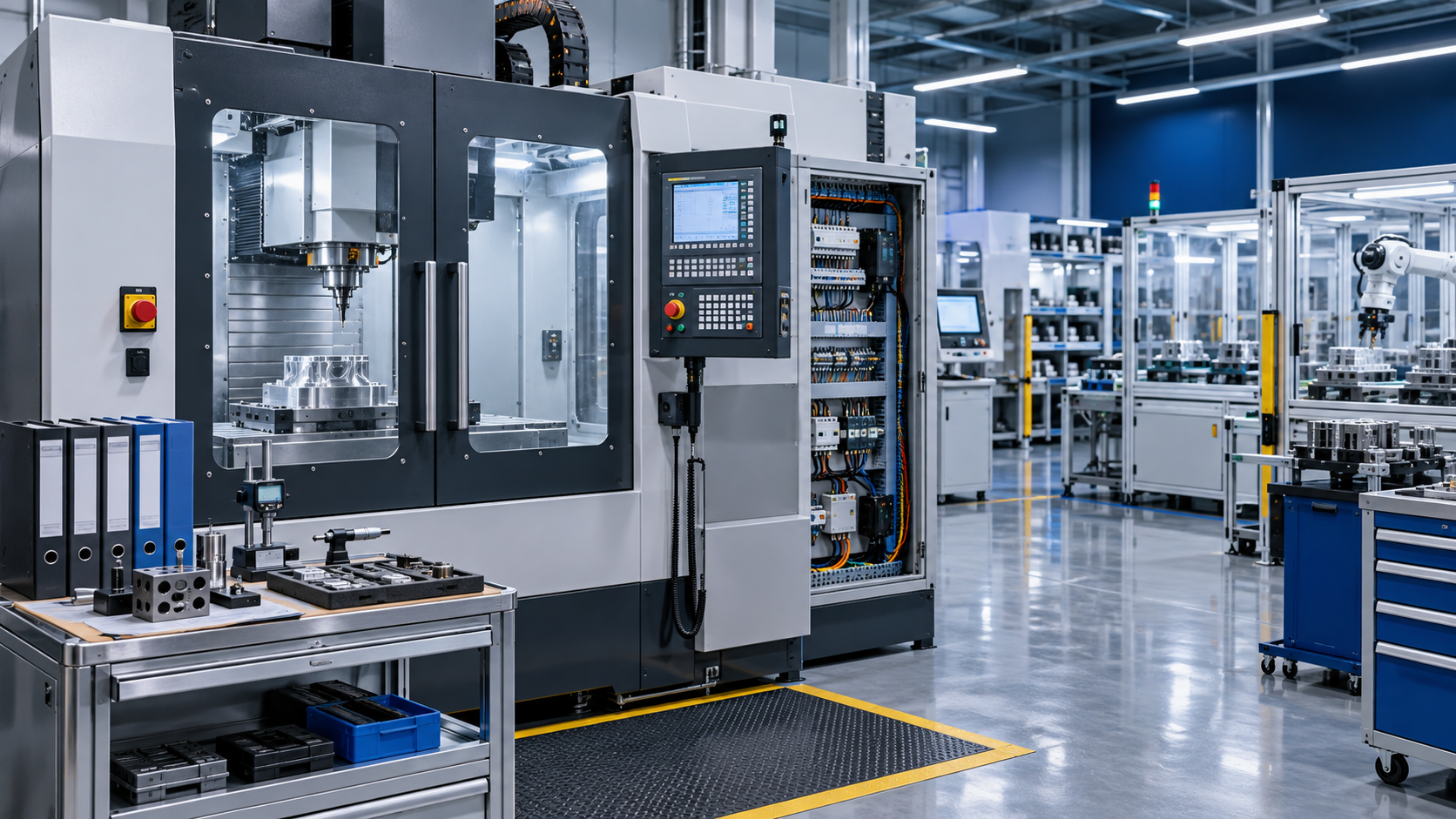
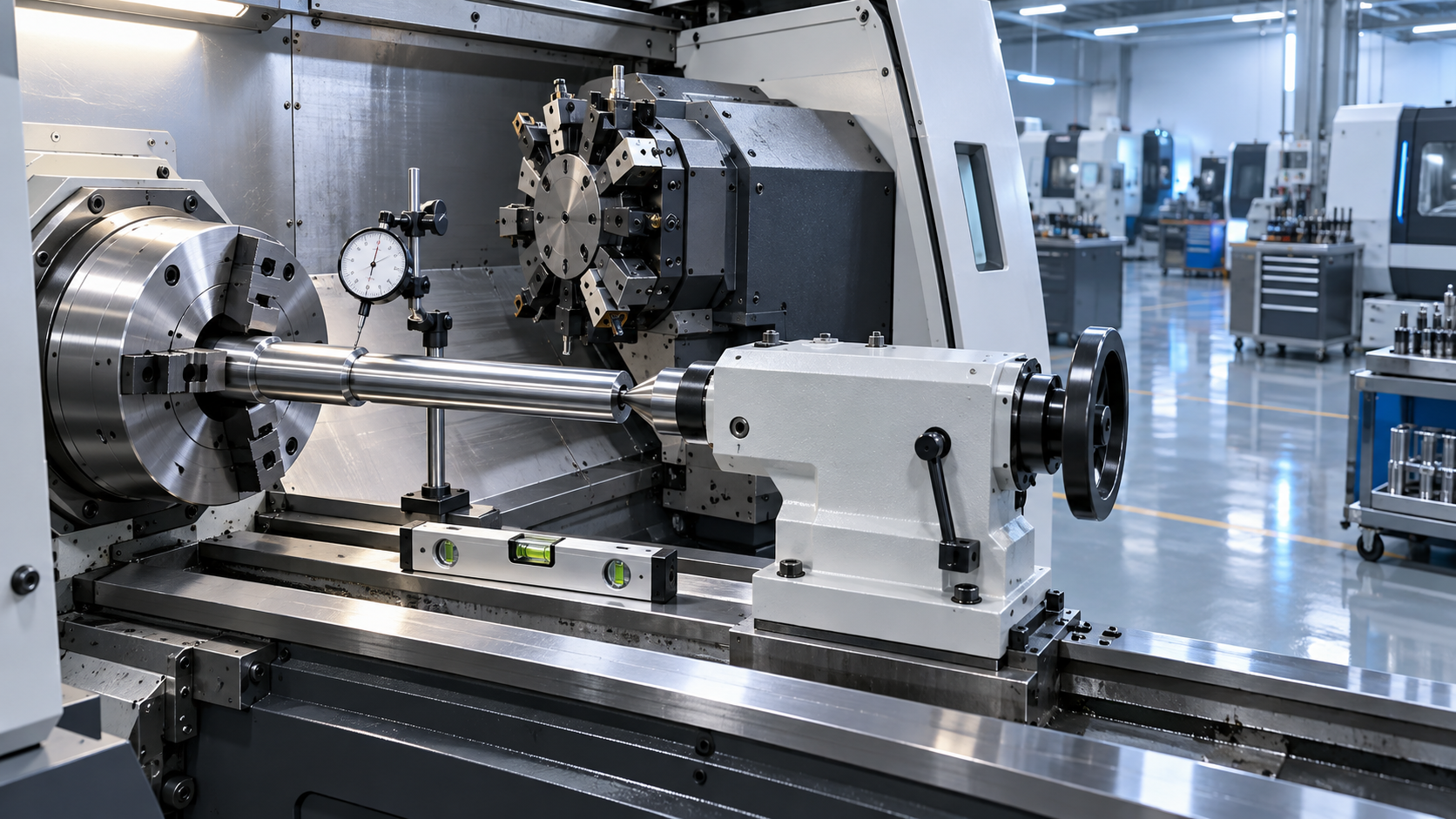
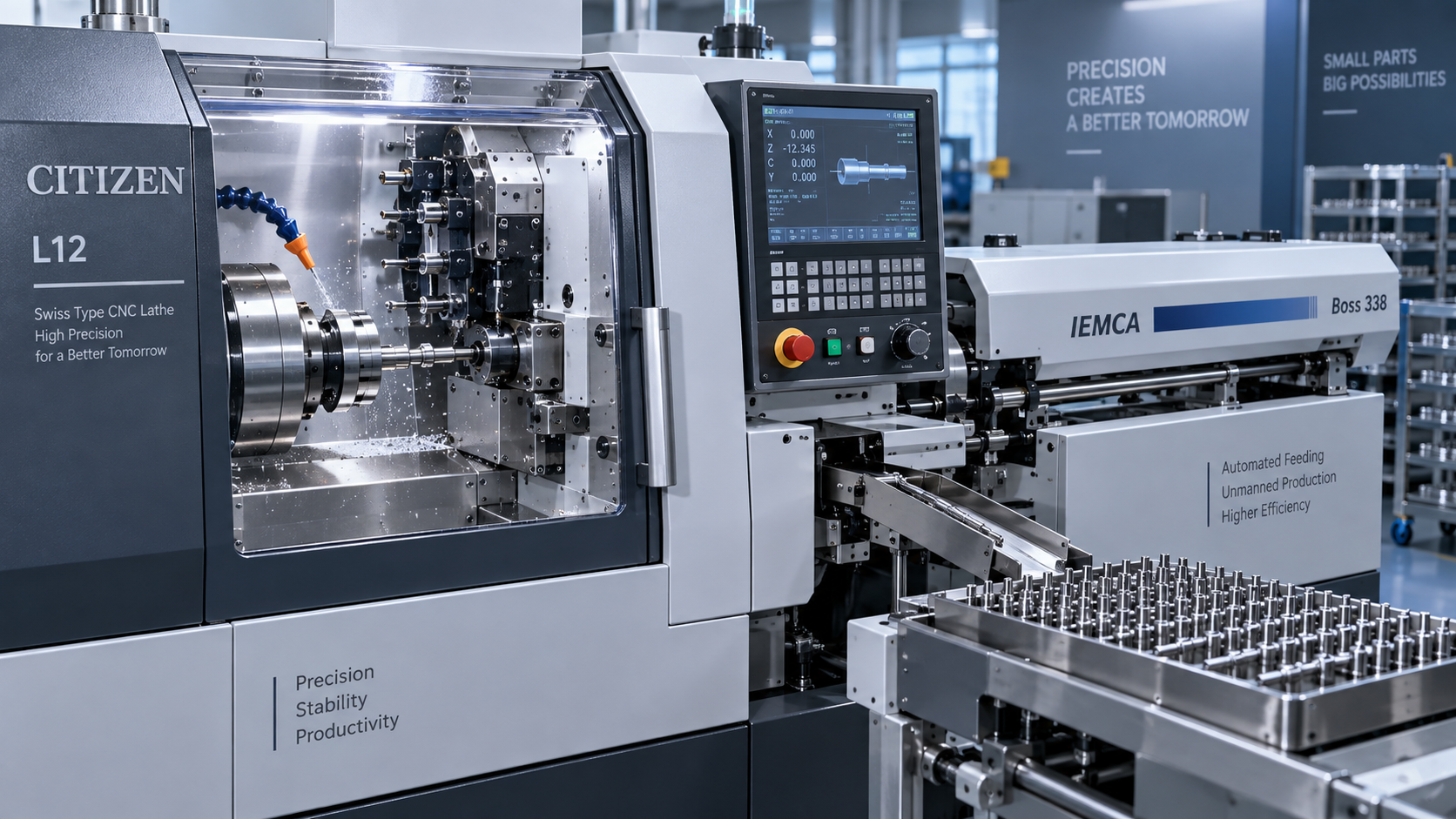
Fixture wear manifests differently across machine types and workpiece geometries. In CNC lathes, jaw face erosion causes runout exceeding 0.03 mm on Ø40–Ø120 mm shafts—triggering out-of-spec concentricity on secondary features like splines or bearing seats. In vertical machining centers, T-slot table wear reduces clamp-down repeatability to ±0.04 mm across 300 mm travel—enough to skew hole pattern location on aluminum engine blocks. Multi-axis systems face compounded risk: a worn rotary table indexer introduces angular error >0.008°, degrading true position on turbine blade airfoils requiring GD&T callouts of RFS with 0.01 mm tolerance zones.
The financial impact scales nonlinearly. A Tier-2 supplier producing 18,000 gear carriers annually reported $217,000 in annual scrap loss linked to fixture-related dimensional drift—despite maintaining full CNC calibration logs and tool offset validation. Their analysis revealed that 73% of rejected parts passed first-article inspection but failed final CMM verification after batch processing. Root cause: jaw inserts on their pneumatic vise had exceeded 4,200 clamping cycles, inducing 0.028 mm radial play undetectable without laser interferometry.
This table highlights why blanket maintenance schedules fail: fixture lifespan depends on material pairing (e.g., hardened steel jaws on aluminum vs. stainless), coolant chemistry, and clamping force profiles—not just cycle count. Operators must treat fixtures as dynamic components—not static anchors—with condition-based monitoring protocols aligned to actual process demands.
Actionable Strategies for Procurement and Operations Teams
Mitigating fixture-driven scrap requires cross-functional alignment between operations, quality, and procurement. Start with quantifiable baselines: implement fixture ID tagging with QR-coded lifecycle logs, track clamping cycles per station, and integrate fixture metrology into your preventive maintenance schedule every 1,200–1,800 operating hours—or after 2,500 parts for high-precision turning applications.
Procurement teams should prioritize fixtures with embedded wear indicators: carbide-tipped jaw inserts featuring laser-etched depth markers, or modular vises with integrated strain gauges that output analog voltage signals correlating to grip-force decay. These enable predictive replacement—not reactive fire drills. When evaluating vendors, require documented test data showing repeatability retention over ≥3,000 cycles under simulated thermal cycling (tested per ISO 230-2 Annex D).
- Require fixture suppliers to provide traceable hardness certificates (HRC 58–62 minimum for steel jaw faces)
- Specify surface finish requirements: Ra ≤ 0.4 µm on all contact surfaces to reduce micro-slip accumulation
- Validate thermal expansion coefficients match workpiece materials—critical for Invar fixtures used in metrology-grade setups
- Insist on compatibility with your shop’s existing CNC interface protocols (e.g., MTConnect-enabled status reporting)
Selecting Future-Ready Fixtures: Key Technical Parameters
Modern CNC environments demand fixtures engineered for digital integration—not just mechanical rigidity. Key parameters procurement teams must verify include:
These metrics aren’t theoretical—they’re measurable KPIs tied directly to scrap reduction ROI. Plants adopting fixtures meeting top-tier benchmarks report 52% faster setup validation and 63% fewer post-process dimensional corrections.
FAQ: Addressing Common Fixture Reliability Questions
How often should CNC fixtures undergo metrological verification?
Every 1,200–1,800 machine operating hours—or after 2,500 parts for precision turning applications. High-temperature or abrasive-material environments require verification every 800 hours.
Can legacy CNC machines support smart fixtures with wear monitoring?
Yes—via retrofit I/O modules compliant with OPC UA or MTConnect. Most modern CNC controls (Fanuc 31i-B, Siemens SINUMERIK 840D sl, Heidenhain TNC 640) support analog input integration for strain gauge or temperature sensor feeds.
What’s the typical ROI timeline for upgrading to high-repeatability fixtures?
Based on 47 case studies, average payback occurs within 5.3 months—driven by 31% scrap reduction, 22% less rework labor, and 17% faster first-article approval cycles.
Conclusion: Treat Fixtures as Precision Components—Not Passive Hardware
Fixture wear is no longer a maintenance footnote—it’s a primary determinant of CNC process capability, especially as tolerances tighten and automation expands. Ignoring it erodes the very precision that defines modern CNC metalworking. For operators, this means integrating fixture condition checks into daily setup routines. For procurement, it demands technical specification rigor—not just price negotiation. For decision-makers, it signals the need for digital fixture management platforms that unify clamping history, thermal logs, and metrology reports into a single operational dashboard.
The solution isn’t more CNC power—it’s smarter fixture intelligence. If your shop has experienced unexplained scrap increases over the past 6 months, request a free fixture health assessment. We’ll analyze your current fixture configurations, recommend targeted upgrades based on your part families and machine models, and deliver a quantified scrap reduction forecast—within 3 business days.
Get your customized fixture reliability roadmap today.
Recommended for You
 Zero-Point Clamping or Modular Fixtures? Choosing a Faster CNC Changeover SystemCNC Machining Technology Center
 How to Cut CNC Fixture Changeover Time Without Sacrificing Part AccuracyCNC Machining Technology Center
 When Does CNC Turning Pay Off? A Break-Even Guide by Annual Part VolumeMachine Tool Industry Editorial Team
 Machine Tool Standards by Country: What Importers Must Verify Before PurchaseManufacturing Policy Research Center
 CNC Lathe Quick Installation Guide: Alignment Checks Before First Production RunCNC Machining Technology Center
 How to Select a CNC Lathe for Small Parts Without Sacrificing Accuracy or Cycle TimeCNC Machining Technology Center

Aris Katos
Future of Carbide Coatings
15+ years in precision manufacturing systems. Specialized in high-speed milling and aerospace grade alloy processing.
▶
Zero-Point Clamping or Modular Fixtures? Choosing a Faster CNC Changeover SystemCNC Machining Technology Center▶
How to Cut CNC Fixture Changeover Time Without Sacrificing Part AccuracyCNC Machining Technology Center▶
Can One Fixture Handle Multiple Part Geometries Efficiently?CNC Machining Technology Center▶
Fixture Design Cost Breakdown: What Buyers Should Review Before RFQ and ApprovalCNC Machining Technology Center▶
Fixture Design Basics: How Clamping Layout Affects Accuracy and Cycle TimeCNC Machining Technology Center
Mastering 5-Axis Workholding Strategies
Join our technical panel on Nov 15th to learn about reducing vibrations in thin-wall components.

Providing you with integrated sanding solutions
Before-sales and after-sales services
Comprehensive technical support