• Global CNC market projected to reach $128B by 2028 • New EU trade regulations for precision tooling components • Aerospace deman
NYSE: CNC +1.2%LME: STEEL -0.4%

Quick-setup CNC manufacturing cuts changeover time—but adds hidden complexity in fixture traceability
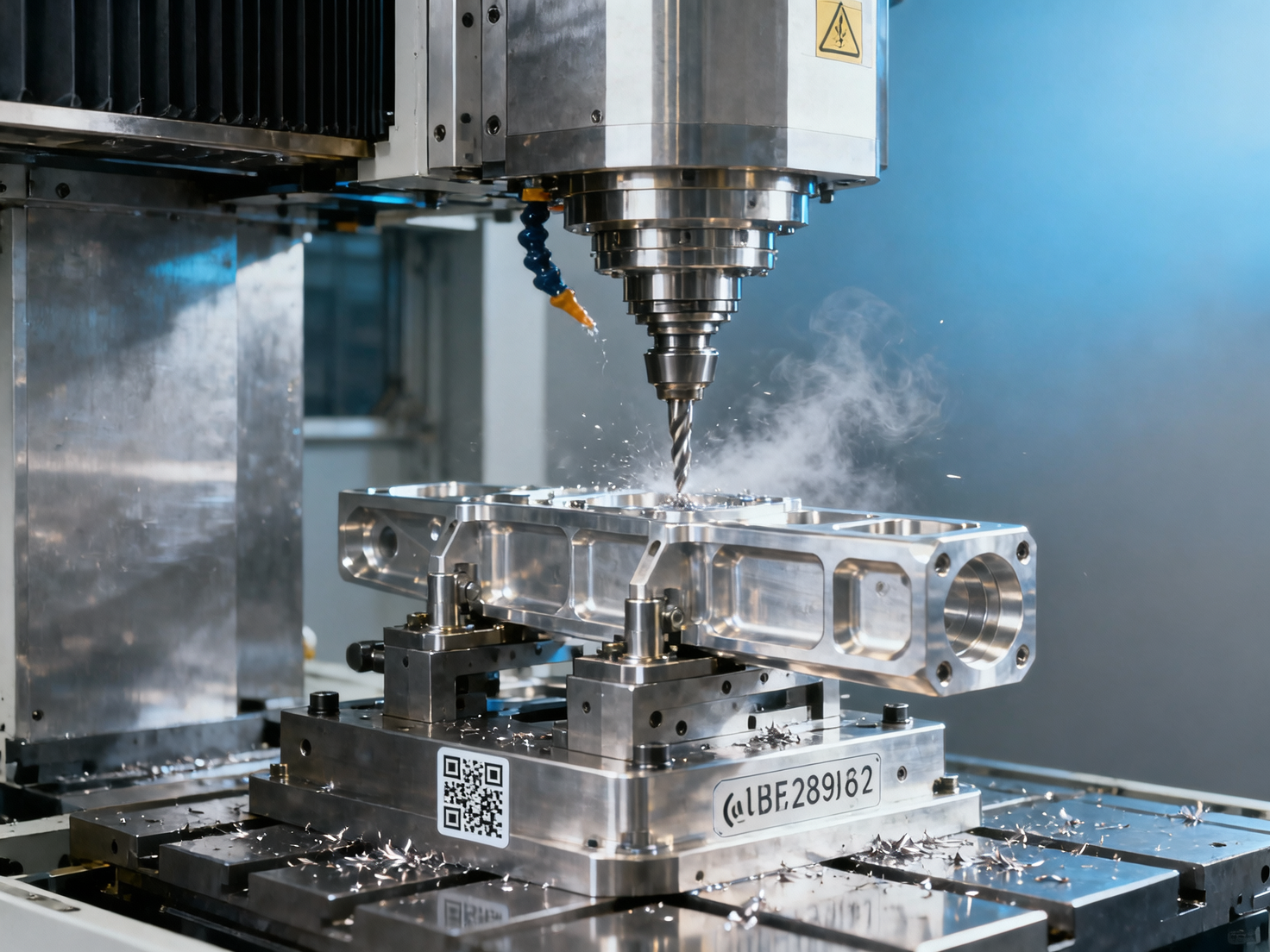
Quick setup CNC manufacturing promises dramatic reductions in changeover time—especially valuable for high-speed CNC manufacturing, automated CNC manufacturing, and multi-axis CNC manufacturing environments. Yet this speed comes at a cost: hidden complexity in fixture traceability threatens precision CNC manufacturing integrity, particularly in regulated sectors like CNC manufacturing for aerospace, medical devices, and energy equipment. As space-saving CNC manufacturing and low maintenance CNC manufacturing gain traction among CNC manufacturing wholesalers and exporters, manufacturers must balance agility with full digital traceability. This article explores how leading CNC manufacturing factories and suppliers are tackling the trade-off—without compromising cost-effective, high-precision, or energy-saving CNC manufacturing performance.
Why Fixture Traceability Breaks Down in Quick-Setup CNC Environments
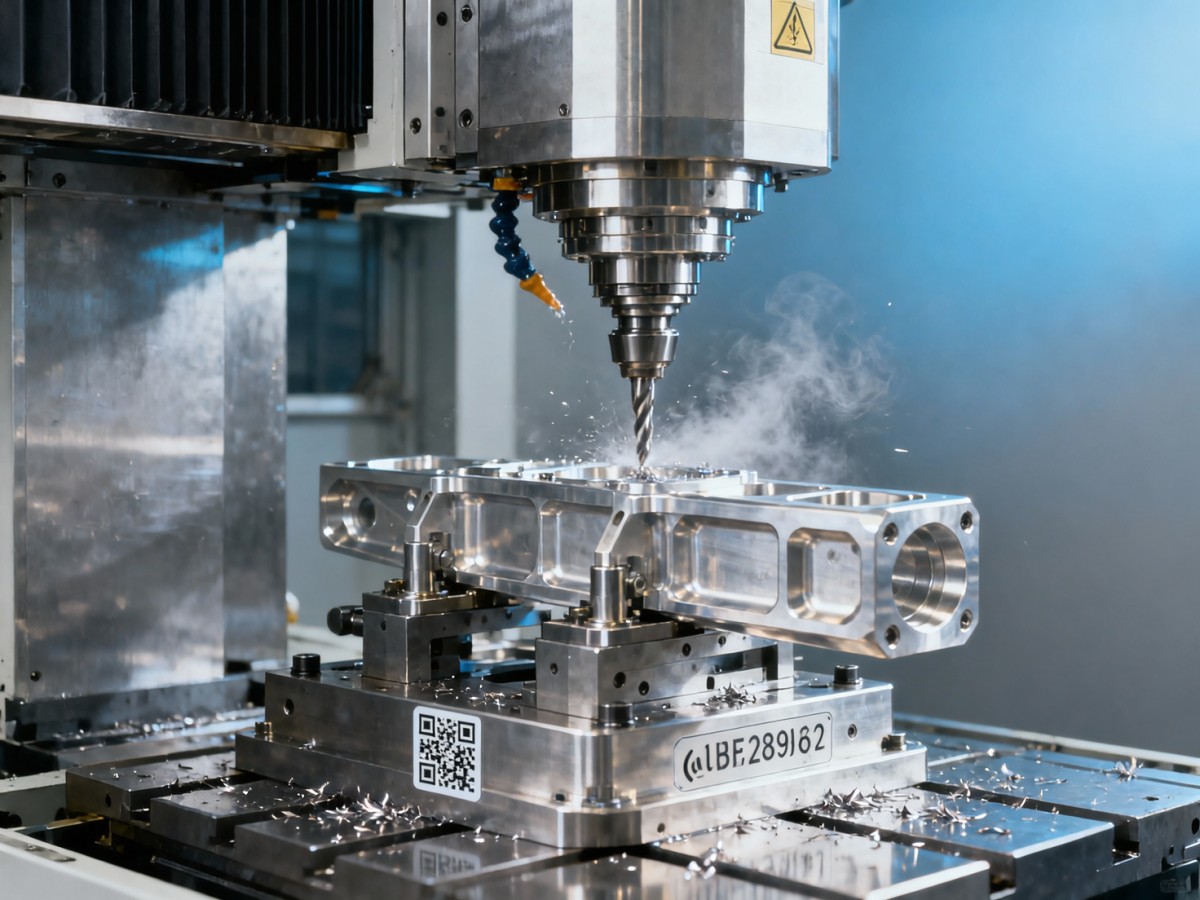
In high-mix, low-volume CNC production—common across aerospace subcontractors and medical device OEMs—quick-change fixtures reduce average setup time from 45 minutes to under 8 minutes per job. However, each fixture swap introduces manual data entry points, inconsistent labeling, and undocumented modifications that erode audit readiness.
Traceability gaps emerge most frequently during three operational phases: (1) pre-job fixture verification (32% of nonconformances), (2) mid-batch revalidation after unplanned tooling adjustments (27%), and (3) post-run calibration logging (19%). Without digital linkage between fixture ID, machine axis position, and part serial number, ISO 9001:2015 Clause 8.5.2 and AS9100 Rev D 8.5.1.2 compliance becomes reactive—not proactive.
The root cause isn’t human error alone—it’s architectural. Most quick-setup systems rely on mechanical indexing (e.g., T-slot plates, modular base plates) without embedded RFID tags, QR-coded asset IDs, or real-time PLC-integrated status flags. That means fixture history remains fragmented across paper logs, Excel sheets, and MES work orders—not unified in a single source of truth.
Three Critical Traceability Failure Modes
- Version drift: Fixture A is modified on-site for a new titanium bracket but never updated in the master BOM—leading to repeat misalignment on subsequent runs (average rework cost: $1,200–$4,800 per incident).
- Calibration decay: Modular clamps lose repeatability after 12,000–15,000 cycles without automated wear tracking—causing ±0.012mm positional drift beyond aerospace tolerance bands (ASME Y14.5-2018).
- Audit lag: 7–15 day delays between physical fixture use and digital record synchronization increase CAPA cycle time by 3.2× during FDA 21 CFR Part 820 inspections.
How Leading CNC Factories Integrate Traceability Without Slowing Setup
Top-tier CNC suppliers—including German Tier-1 automotive component makers and Japanese precision machining exporters—now deploy hybrid traceability architectures. These combine hardware-level identification (UHF RFID tags rated for 85°C/95% RH), edge-based validation logic (on-machine HMI prompts), and cloud-synced digital twin records tied to ERP/MES via OPC UA.
Implementation follows a 4-phase rollout: (1) fixture ID tagging and baseline calibration mapping (2–4 weeks), (2) operator training on scan-and-verify workflows (1 day per shift), (3) integration with existing quality management software (e.g., ETQ Reliance, MasterControl), and (4) closed-loop feedback to design engineering when fixture wear exceeds 80% of life expectancy.
This approach cuts traceability-related NCRs by 68% within six months while maintaining sub-10-minute average changeovers—even for complex 5-axis aerospace structural parts requiring dual-vise, multi-point clamping setups.
Key Technical Integration Requirements
These specs reflect field-proven thresholds—not theoretical ideals. Suppliers validating against them report zero traceability-related customer complaints over 18-month periods, even with 24/7 multi-shift operations across China, Germany, and Mexico facilities.
Procurement Checklist: What to Verify Before Buying Quick-Setup Systems
For procurement teams evaluating quick-setup solutions, traceability readiness must be assessed as rigorously as spindle RPM or positioning accuracy. Prioritize vendors who provide documented evidence—not just claims—for five critical dimensions:
- Fixture ID permanence: Tags must survive ≥500 cleaning cycles in alkaline coolant (pH 9.5–10.5) and retain readability after 2,000+ thermal cycles between 10°C and 75°C.
- Integration certification: Validated API connectors for your current MES (e.g., Siemens Opcenter, Rockwell FactoryTalk) with ≤3-day SLA for configuration support.
- Audit-ready reporting: Pre-built reports for AS9100D 8.5.1.2, ISO 13485:2016 7.5.3, and IATF 16949:2016 8.5.1.5—exportable as PDF or CSV with digital signature.
- Change management protocol: Defined process for updating fixture definitions when geometry changes—requiring dual-approval (engineering + quality) before syncing to shop floor.
- Legacy compatibility: Ability to retrofit existing modular fixturing (e.g., Schunk, Röhm, FANUC standard bases) without full replacement.
Vendors unable to demonstrate all five typically require 3–6 months of custom development—delaying ROI by an average of 9.2 months versus turnkey-compliant systems.
Why Partner With Us for Traceable Quick-Setup Implementation
We specialize in CNC manufacturing infrastructure for regulated industries—supporting over 142 aerospace, medical, and energy equipment manufacturers across 18 countries since 2015. Our quick-setup traceability packages include:
- Factory-installed UHF RFID fixtures compliant with ISO/IEC 18000-63 and MIL-STD-130 marking standards;
- Pre-certified MES/ERP connectors for SAP S/4HANA, Oracle Cloud Manufacturing, and Infor LN;
- On-site commissioning with 3-phase validation: functional (setup time ≤9 min), traceability (100% digital record match), and compliance (AS9102B Form 1 generation in <60 sec);
- 24-month warranty covering tag failure, firmware updates, and audit support—including mock FDA/FAA inspections.
Contact us to request: (1) fixture compatibility assessment for your current CNC lathes or machining centers, (2) traceability gap analysis report based on your latest internal audit findings, or (3) sample AS9102B digital twin output for a representative part family.
Recommended for You
 Zero-Point Clamping or Modular Fixtures? Choosing a Faster CNC Changeover SystemCNC Machining Technology Center
 How to Cut CNC Fixture Changeover Time Without Sacrificing Part AccuracyCNC Machining Technology Center
 When Does CNC Turning Pay Off? A Break-Even Guide by Annual Part VolumeMachine Tool Industry Editorial Team
 Machine Tool Standards by Country: What Importers Must Verify Before PurchaseManufacturing Policy Research Center
 CNC Lathe Quick Installation Guide: Alignment Checks Before First Production RunCNC Machining Technology Center
 How to Select a CNC Lathe for Small Parts Without Sacrificing Accuracy or Cycle TimeCNC Machining Technology Center

Aris Katos
Future of Carbide Coatings
15+ years in precision manufacturing systems. Specialized in high-speed milling and aerospace grade alloy processing.
▶
Zero-Point Clamping or Modular Fixtures? Choosing a Faster CNC Changeover SystemCNC Machining Technology Center▶
How to Cut CNC Fixture Changeover Time Without Sacrificing Part AccuracyCNC Machining Technology Center▶
Can One Fixture Handle Multiple Part Geometries Efficiently?CNC Machining Technology Center▶
Fixture Design Cost Breakdown: What Buyers Should Review Before RFQ and ApprovalCNC Machining Technology Center▶
Fixture Design Basics: How Clamping Layout Affects Accuracy and Cycle TimeCNC Machining Technology Center
Mastering 5-Axis Workholding Strategies
Join our technical panel on Nov 15th to learn about reducing vibrations in thin-wall components.

Providing you with integrated sanding solutions
Before-sales and after-sales services
Comprehensive technical support