• Global CNC market projected to reach $128B by 2028 • New EU trade regulations for precision tooling components • Aerospace deman
NYSE: CNC +1.2%LME: STEEL -0.4%

Why Shaft Parts Fail Inspection Even After Finish Machining
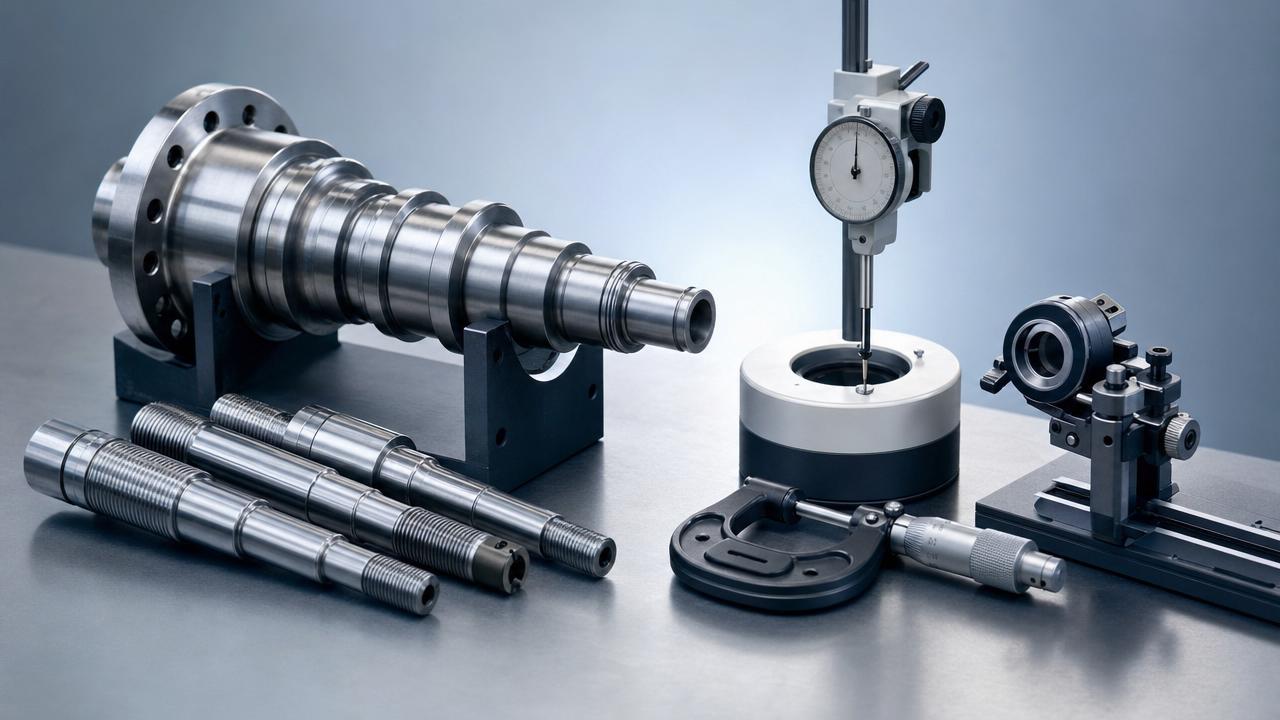
Why do shaft parts fail inspection even after finish machining, even when key dimensions look acceptable? For quality control and safety teams, this usually means the real problem is not simple size deviation.
In many cases, inspection failure comes from geometry error, unstable process capability, hidden surface damage, residual stress release, or measurement inconsistency. These issues can compromise fit, fatigue life, vibration behavior, and operational safety.
For teams responsible for compliance and risk control, the key lesson is clear: a shaft part can pass dimensional checks and still be functionally nonconforming. Prevention depends on controlling the full process, not just the final cut.
Why “dimensionally correct” Shaft Parts still fail inspection
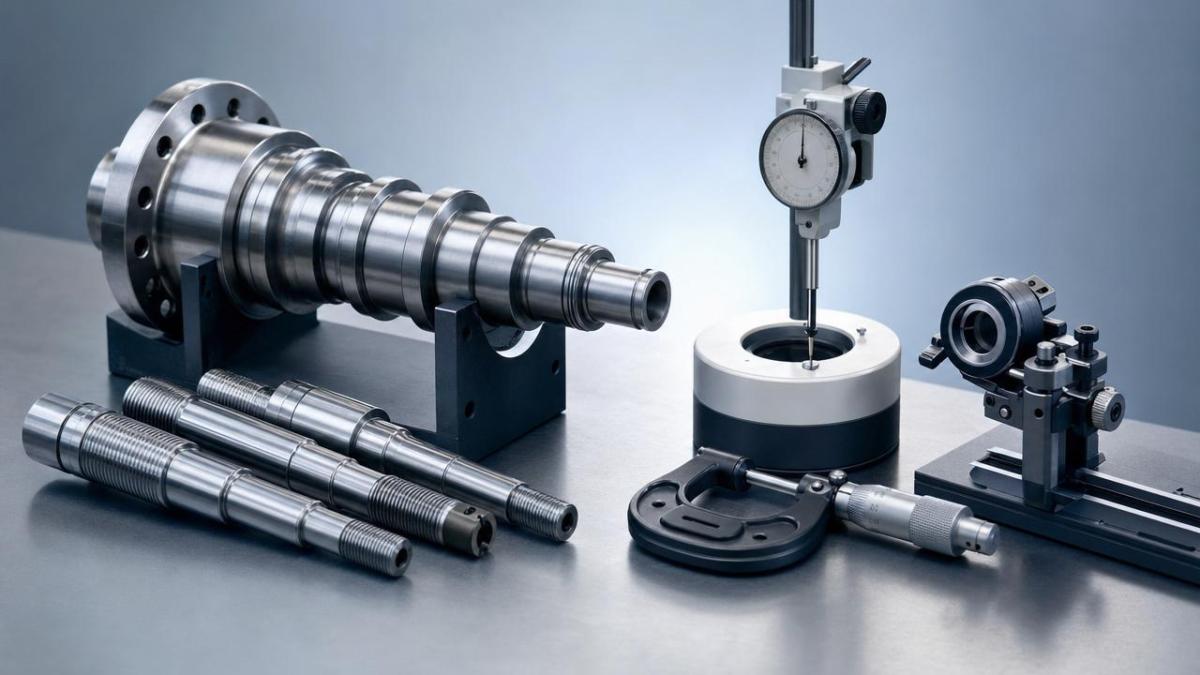
When inspectors review shaft parts, they are not only checking diameter, length, or basic tolerance. They are also judging whether the part will rotate accurately, assemble reliably, and perform safely under load.
That is why a shaft can measure correctly on a micrometer but still fail on runout, cylindricity, concentricity, straightness, surface finish, hardness, burr control, or visual acceptance criteria. Finish machining does not automatically guarantee functional quality.
For quality personnel, this distinction matters because many failures originate earlier in the process chain. Material condition, chucking strategy, heat treatment, tool wear, coolant performance, and handling methods often determine whether final inspection succeeds.
For safety managers, the concern is even broader. A shaft part with hidden geometric instability may create imbalance, premature bearing wear, seal leakage, vibration, or stress concentration in actual service, even if nominal dimensions appear compliant.
The most common hidden causes behind post-machining inspection failure
The first major cause is runout. A shaft may have acceptable diameters at several points, yet still rotate off-axis because the machined surfaces are not truly aligned with the datum or centerline.
This often happens when the setup changes between operations, when soft jaws lose repeatability, or when the part is reclamped after roughing, heat treatment, and finish turning without tight datum control.
The second common cause is roundness and cylindricity error. A shaft can fall within size tolerance while still having lobing, taper, barrel shape, or local form error that causes inspection rejection.
These defects are especially common when tool wear is not monitored closely, when machine spindle condition is poor, or when long and slender shaft parts deflect under cutting force.
The third cause is residual stress release. During finish machining, the part may appear stable immediately after cutting, but internal stress from raw material, roughing, or heat treatment can later distort the geometry.
This is a frequent problem in precision shaft parts that undergo multiple thermal and mechanical steps. By the time the part reaches final inspection, straightness or concentricity may have shifted beyond tolerance.
The fourth cause is burrs and edge condition. Even a small burr at a shoulder, keyway, oil groove, or thread start can trigger rejection, especially where assembly safety or sealing performance is involved.
Quality teams often see this issue when deburring is treated as a secondary cosmetic task instead of a controlled process requirement. Burrs can also interfere with measurement and create false dimensional readings.
The fifth cause is surface integrity damage. Burn marks, chatter, tearing, microcracks, and smeared material may not always affect basic size, but they can still fail visual, roughness, or performance-based inspection criteria.
In rotating components, poor surface integrity is not only an appearance issue. It can shorten fatigue life, increase friction, and weaken the reliability of mating interfaces such as bearings, seals, and couplings.
The sixth cause is hardness or material inconsistency after thermal processing. If heat treatment causes local distortion, decarburization, or hardness variation, the part may fail dimensional or mechanical inspection after finish machining is complete.
Finally, some failures are not caused by machining alone but by measurement mismatch. Different fixturing methods, datum interpretation, gage condition, or measurement timing can cause a good part to appear nonconforming.
Which defects matter most for quality control and safety teams
From a quality control perspective, the most critical issue is whether the inspection result predicts actual functional performance. A shaft that only passes isolated size checks but fails geometric control presents a serious process risk.
Runout is one of the highest-priority indicators because it directly affects rotational stability. If a shaft rotates eccentrically, downstream problems can include noise, vibration, assembly difficulty, and accelerated wear.
Straightness is equally important for long shaft parts. Even slight bending can create load concentration, unstable contact, and poor performance in high-speed or precision transmission applications.
Roundness and cylindricity deserve close attention because they influence bearing fit, sealing contact, and lubrication behavior. In safety-sensitive equipment, these errors can reduce service life long before obvious failure occurs.
Surface finish should also be treated as a functional control item, not just a drawing note. Rough or damaged surfaces can increase friction, trap contaminants, and initiate micro-fatigue under cyclic loading.
For safety managers, any defect that can propagate in operation is more serious than one-time cosmetic nonconformance. A tiny edge crack, thermal burn, or hidden stress issue may have a larger safety impact than minor oversize.
That is why inspection planning for shaft parts should prioritize failure modes by real operational consequence. Not all defects carry the same risk, and inspection resources should focus on the ones most tied to field reliability.
How finish machining process instability creates inspection failure
Many factories assume finish machining is a corrective stage that will remove earlier variation. In reality, finish machining has limited stock allowance and cannot fully compensate for unstable upstream conditions.
If rough machining leaves uneven stock, the final cut may generate variable cutting load around the circumference. That can cause taper, chatter, thermal drift, or inconsistent surface finish across the shaft.
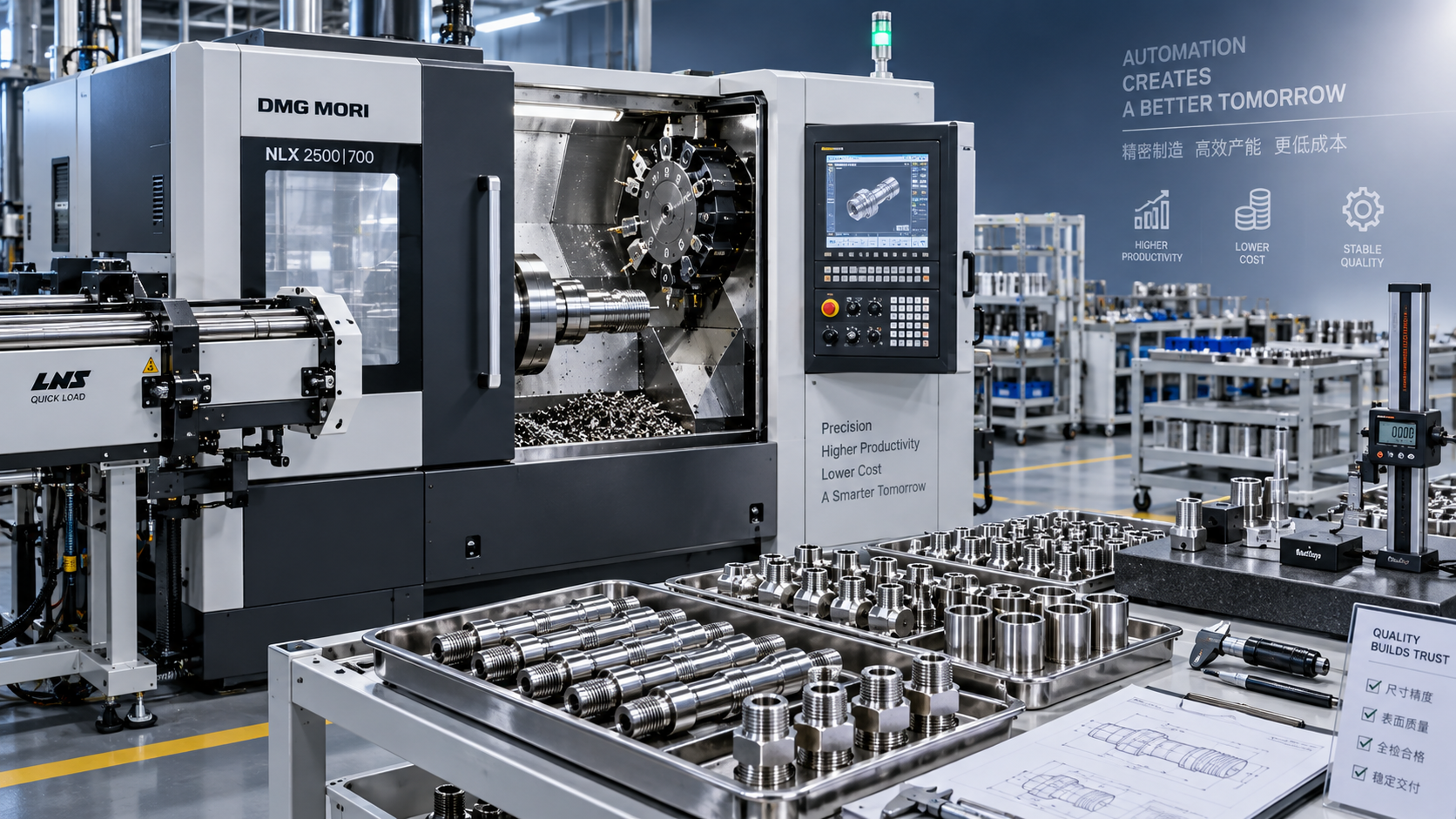
Fixturing is another major source of instability. Shaft parts are highly sensitive to clamping force, support method, and center accuracy. Excessive force can deform the part during machining and release after unclamping.
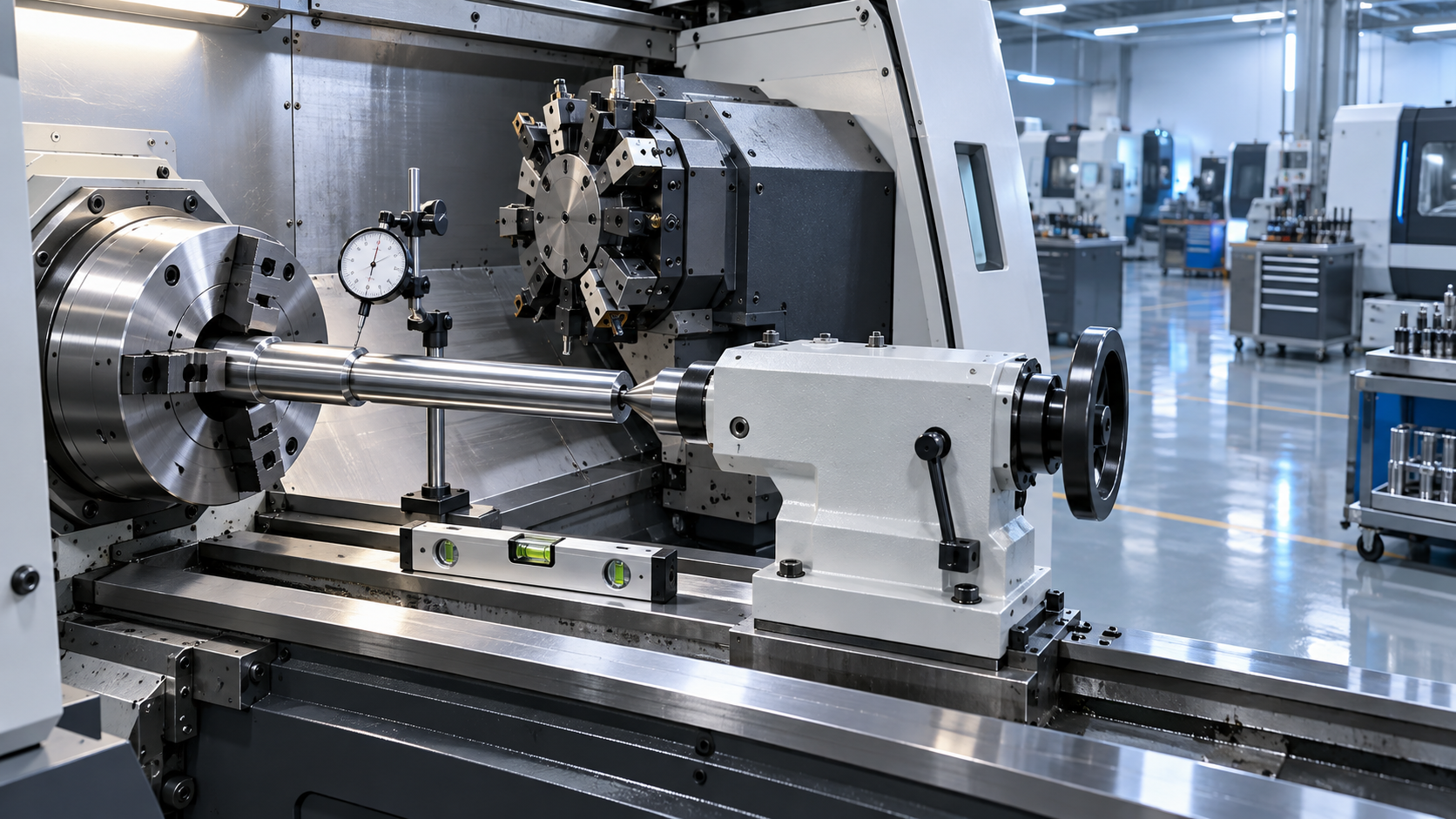
Long, thin, or stepped shafts are especially vulnerable. Without proper tailstock support, steady rest use, or optimized cutting parameters, elastic deflection can produce false geometry that only becomes visible at inspection.
Tool condition is equally important. A worn insert may still cut to size for some time, but it often introduces worsening roundness, surface roughness, and shoulder quality before dimensional deviation becomes obvious.
Machine condition cannot be ignored either. Spindle runout, turret repeatability, thermal growth, slide wear, and poor alignment all affect the ability to hold tight geometric tolerances on shaft parts.
Process sequencing also matters. If turning, grinding, heat treatment, and straightening are not coordinated well, each step can introduce or expose variation that finish machining alone cannot eliminate.
For quality teams, this means post-machining failures are often symptoms of weak process capability rather than isolated operator mistakes. The inspection report should be used as a process diagnosis tool, not just a rejection record.
How to investigate the root cause when Shaft Parts fail final inspection
Start by separating the failure into categories: size, form, position, surface, material, or visual condition. This prevents teams from overfocusing on dimensions when the real issue is geometric or metallurgical.
Next, compare in-machine measurements with final inspection data. If the shaft passes immediately after machining but fails later, distortion, handling damage, thermal change, or stress release may be involved.
Review the datum strategy across all operations. Many shaft part failures come from inconsistent reference points between turning, grinding, heat treatment, and final measurement.
Then check the process history lot by lot. Was there a tool change, machine restart, material batch change, coolant issue, or fixture maintenance event before the failure rate increased?
Inspect the rejected parts for pattern consistency. If the same shoulder, journal, groove, or end feature repeatedly fails, the problem is usually linked to local tool access, support condition, or deburring weakness.
Do not overlook measurement system analysis. If operators, CMM programs, bench centers, and handheld tools produce conflicting results, the issue may be part variation, gage variation, or both.
For critical shaft parts, it is often useful to correlate inspection failure with assembly or field performance data. This helps determine whether the rejected characteristic truly predicts risk or whether the tolerance strategy needs refinement.
Practical ways to prevent repeat failures before final inspection
The first preventive measure is to control the process upstream. Stable raw material, balanced rough stock, and stress-relief planning reduce the burden placed on finish machining.
Second, optimize fixturing specifically for shaft parts. Use consistent datums, controlled clamping force, and appropriate support for slender geometries. If reclamping is unavoidable, verify repeatability quantitatively.
Third, monitor tool wear using practical trigger points tied to geometry and surface results, not only part count. In many cases, quality drift begins before the operator sees clear dimensional change.
Fourth, add intermediate checks for high-risk characteristics such as runout, straightness, or critical journal form. Catching these before final inspection saves scrap cost and prevents mixed-quality lots.
Fifth, improve deburring and edge control standards. Define acceptable edge condition clearly, especially for shoulders, grooves, threads, and cross-holes where burr-related rejection is common.
Sixth, align machining inspection with functional requirements. If a shaft supports bearings or seals, make sure measurement methods reflect those functional datums and contact zones.
Seventh, use capability data to identify unstable operations. A recurring final inspection failure usually means the process is centered poorly, too sensitive to setup variation, or not robust enough for production reality.
Finally, strengthen cross-functional feedback. Quality, production, process engineering, and safety teams should review shaft part failures together so that corrective action addresses both compliance and real-use risk.
What a stronger inspection strategy for Shaft Parts should look like
A good inspection plan for shaft parts should move beyond basic diameter verification. It should rank characteristics by function, safety significance, process risk, and likelihood of hidden nonconformance.
For example, journals that influence bearing life may require stricter focus on roundness, surface finish, and runout than on a noncritical external step diameter with generous assembly clearance.
Critical-to-quality and critical-to-safety features should have clear acceptance logic, consistent datums, and defined measurement timing. This is especially important when parts distort after machining or cooling.
It is also wise to build feedback loops between in-process control and final inspection. If final rejection data never returns to setup optimization, tooling strategy, or machine maintenance, the same defects will repeat.
For organizations managing compliance risk, the goal is not simply fewer rejected parts. The goal is earlier detection of harmful variation and stronger confidence that released shaft parts will perform safely in service.
Conclusion
Shaft parts fail inspection after finish machining for a simple reason: final size alone does not define part quality. Hidden issues such as runout, form error, residual stress, burrs, surface damage, and process instability often decide the outcome.
For quality control and safety teams, the best response is to treat inspection failure as a process signal, not just an end-stage defect. The most effective prevention comes from tighter datum control, stable fixturing, better intermediate checks, and function-based inspection planning.
When shaft part quality is managed this way, final inspection becomes more predictable, compliance risk drops, and the parts released to production are far more likely to deliver safe and reliable performance.
Recommended for You
 Zero-Point Clamping or Modular Fixtures? Choosing a Faster CNC Changeover SystemCNC Machining Technology Center
 How to Cut CNC Fixture Changeover Time Without Sacrificing Part AccuracyCNC Machining Technology Center
 When Does CNC Turning Pay Off? A Break-Even Guide by Annual Part VolumeMachine Tool Industry Editorial Team
 Machine Tool Standards by Country: What Importers Must Verify Before PurchaseManufacturing Policy Research Center
 CNC Lathe Quick Installation Guide: Alignment Checks Before First Production RunCNC Machining Technology Center
 How to Select a CNC Lathe for Small Parts Without Sacrificing Accuracy or Cycle TimeCNC Machining Technology Center

Aris Katos
Future of Carbide Coatings
15+ years in precision manufacturing systems. Specialized in high-speed milling and aerospace grade alloy processing.
▶
How Does Precision Machining Differ From Standard Machining?CNC Machining Technology Center▶
CNC Precision: Which Tolerances, Materials, and Processes Fit Your Part?CNC Machining Technology Center▶
How to Choose Metal Machining Processes for Tight Tolerances and Production VolumeCNC Machining Technology Center▶
Production Process Explained: Key Stages, Controls, and Quality CheckpointsCNC Machining Technology Center▶
How to Select a Machine Tool for Electronics Manufacturing with Tight Tolerance NeedsCNC Machining Technology Center
Mastering 5-Axis Workholding Strategies
Join our technical panel on Nov 15th to learn about reducing vibrations in thin-wall components.

Providing you with integrated sanding solutions
Before-sales and after-sales services
Comprehensive technical support