• Global CNC market projected to reach $128B by 2028 • New EU trade regulations for precision tooling components • Aerospace deman
NYSE: CNC +1.2%LME: STEEL -0.4%

Disc parts in aerospace supply chains: How tightening environmental standards reshape precision turning specs
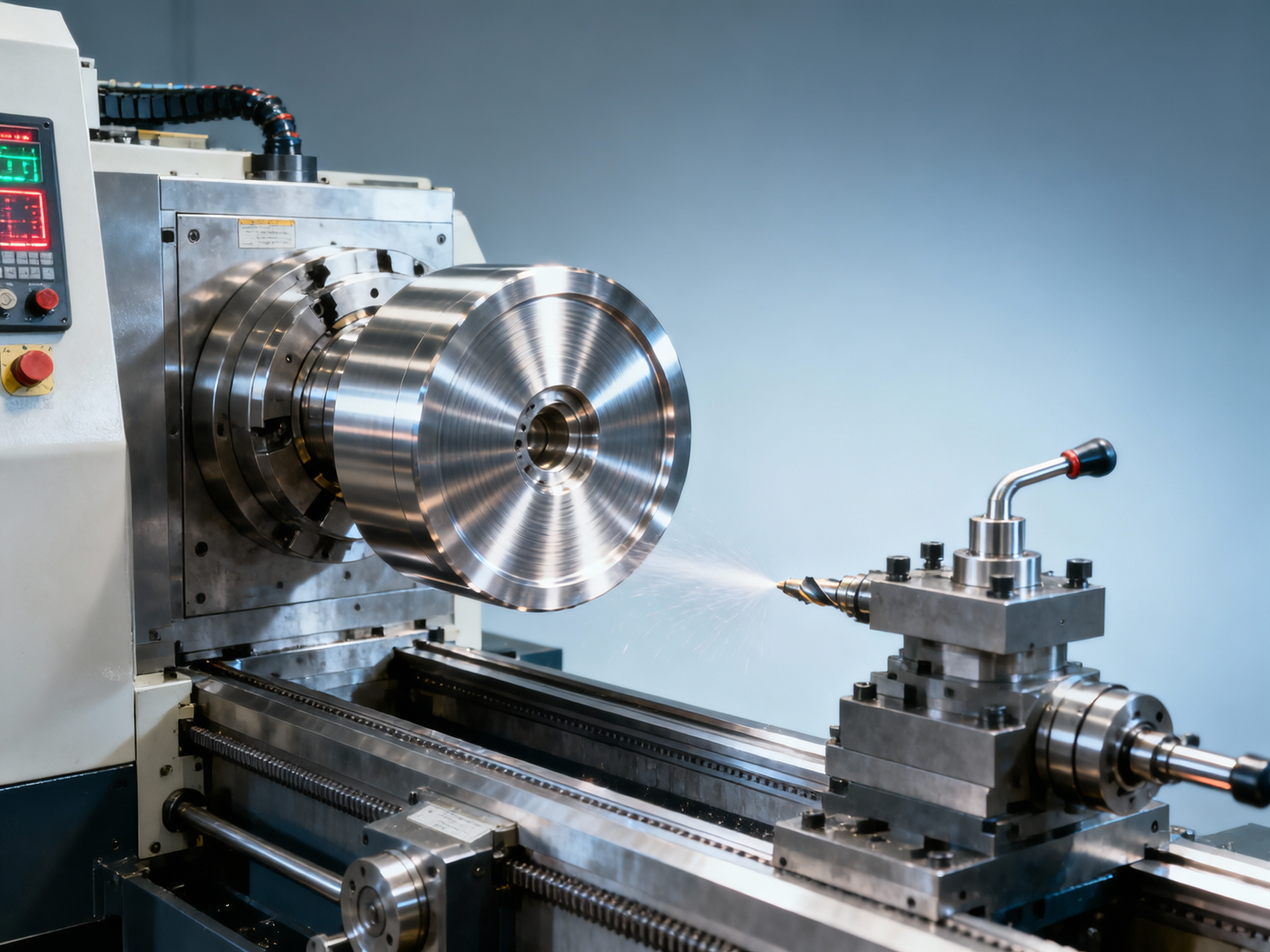
As environmental regulations tighten across global aerospace supply chains, disc parts demand unprecedented dimensional stability, surface integrity, and material efficiency—driving radical upgrades in precision turning specs. From slant bed lathes to multi-axis machining systems, automated machine tools and advanced tooling systems must now deliver high precision machining under stricter sustainability mandates. Precision lathe operators, procurement teams, and engineering decision-makers face new trade-offs between cycle time, scrap rate, and eco-compliance. This article explores how evolving standards reshape real-world turning parameters—and what it means for industrial cutting strategies, automation line integration, and the future of aerospace-grade disc part manufacturing.
Why Aerospace Disc Parts Are Now a Benchmark for Sustainable Precision Turning
Disc components—including turbine spacers, brake rotors, mounting flanges, and structural hubs—are mission-critical in aircraft engines and airframes. Their failure modes are tightly coupled with thermal cycling, rotational imbalance, and fatigue life—making geometric accuracy (±0.005 mm), surface roughness (Ra ≤ 0.4 µm), and residual stress control non-negotiable.
New EU ETS aviation expansion (effective 2026), ICAO CORSIA Phase 2 reporting (2027), and FAA’s Sustainable Aviation Fuel (SAF) integration timelines have triggered upstream material and process accountability. Suppliers must now report embodied carbon per kg of machined Inconel 718 or Ti-6Al-4V—pushing CNC lathe users to optimize chip thickness, coolant flow rates, and tool path segmentation to reduce energy per part by 12–18%.
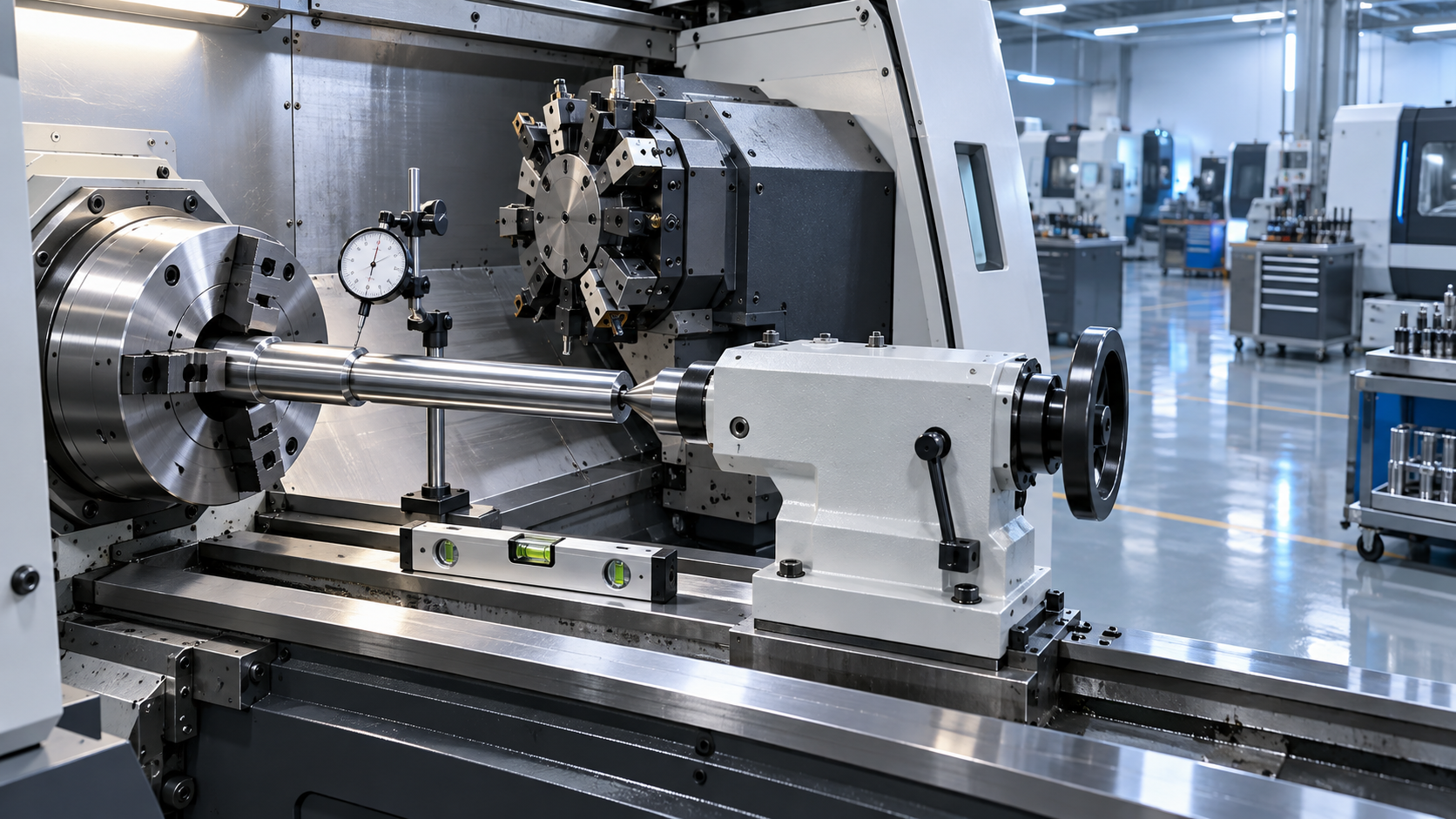
This isn’t just about compliance—it’s about performance resilience. A 0.012 mm radial runout deviation on a 320-mm-diameter compressor disc can increase vibration amplitude by 3× at 15,000 RPM, accelerating bearing wear and triggering unscheduled maintenance. That’s why leading Tier-1 suppliers now mandate ISO 230-2 Positioning Accuracy Class P1 (≤ 0.003 mm over 300 mm travel) for all disc-turning equipment.
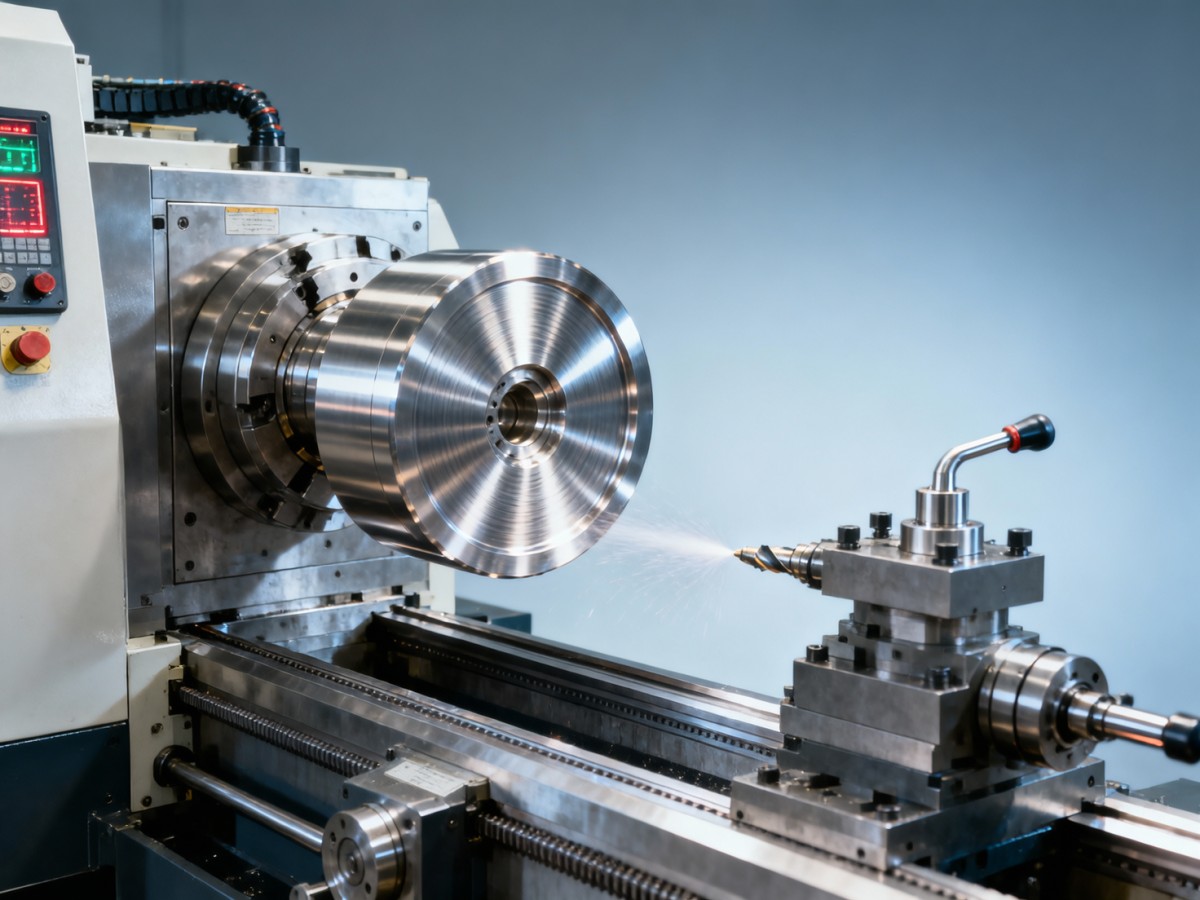
How Tighter Environmental Specs Directly Alter Turning Parameters
Cutting Speed & Feed Rate Adjustments
Traditional aerospace disc turning used high-speed dry turning (Vc = 80–120 m/min) on hardened steel blanks. New environmental mandates require MQL (Minimum Quantity Lubrication) or closed-loop coolant recycling—reducing allowable Vc to 45–75 m/min and feed per revolution to 0.08–0.15 mm/rev to maintain thermal stability and avoid micro-cracking in near-net-shape forgings.
Tool Geometry & Coating Requirements
Standard CCGT inserts no longer meet lifecycle demands. Modern disc turning requires sharp-edge PCBN (Polycrystalline Cubic Boron Nitride) inserts with TiAlN+MoS₂ dual-layer coating—extending tool life from 45 to 110 minutes per edge while reducing cutting force by 22% and enabling 30% lower spindle kW draw.
These changes mean legacy CNC lathes—even those with sub-micron positioning—often lack the embedded thermal monitoring, adaptive feed control, and digital twin-ready interfaces needed for next-gen disc production. Retrofitting adds 18–24 weeks lead time and costs 35–42% of a new machine investment.
Procurement Priorities: What Buyers Must Verify Before Committing
For procurement professionals evaluating turnkey solutions, three technical checkpoints are now decisive:
- Verify full compliance with AS9100D Clause 8.5.1.2 (Process Validation for Special Processes)—including documented thermal mapping of chuck-face-to-workpiece heat transfer during 4-hour continuous disc turning cycles;
- Confirm real-time spindle power logging (100 Hz sampling) with cloud export capability—required for SAF-linked carbon accounting per SAE AIR7655 Rev. B;
- Validate that the machine’s CNC (Fanuc 31i-B5 / Siemens SINUMERIK 840D sl) supports ISO 14649-11 Part 11 (AP211) data exchange for digital thread traceability from CAD model to finished disc.
Suppliers failing any one of these checks risk rejection during Tier-1 supplier audits—delaying qualification by 6–9 months and increasing NRE (Non-Recurring Engineering) costs by $120K–$280K.
Future-Proofing Your Disc Machining Line: 3 Strategic Moves
1. Adopt Hybrid Multi-Axis Turning + Milling Platforms
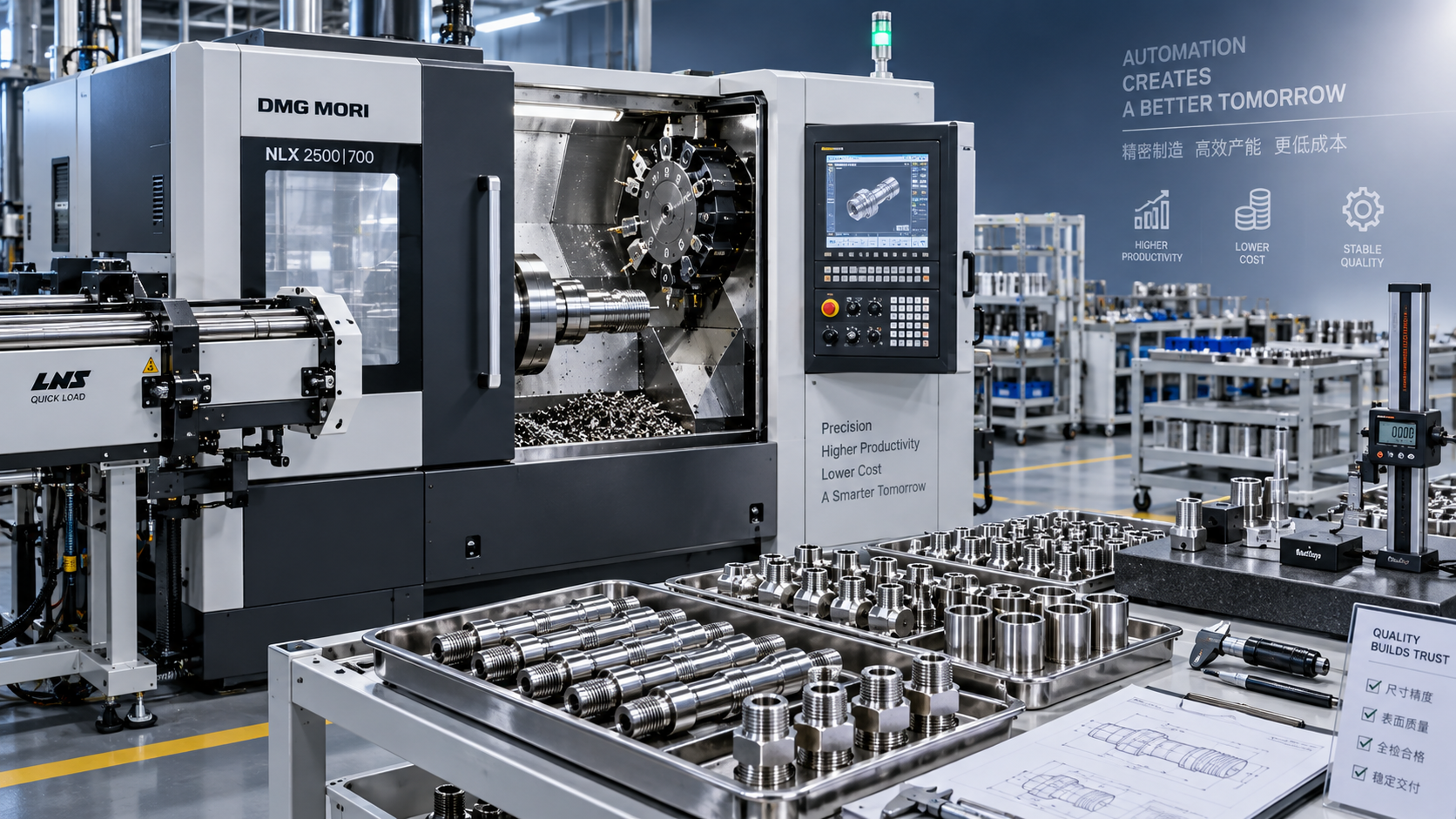
Slant-bed lathes with Y-axis and live tooling (e.g., DMG MORI NLX series) cut average handling time per disc by 40% and eliminate secondary milling setups—reducing total energy consumption per part by 19% and scrap rate from 6.2% to 2.8% in titanium disc batches (n=2,400 parts).
2. Integrate Real-Time Surface Integrity Monitoring
Embedded acoustic emission sensors + AI-driven surface roughness prediction (trained on 12,000+ Ra measurements) enable in-process correction before finish pass—cutting post-process inspection time by 70% and ensuring 100% conformance to AMS2640B specification.
3. Deploy Digital Twin-Driven Process Optimization
Linking machine tool telemetry (vibration, temperature, current draw) with physics-based models allows predictive parameter tuning for each disc blank’s unique grain structure—improving tool life consistency by ±8% and reducing first-article approval time from 11 to 3 days.
Why Partner With Us for Your Next Aerospace Disc Turning Solution
We support global aerospace suppliers with ISO 13485-certified CNC turning systems engineered specifically for environmental compliance and precision stability. Our team provides:
- Pre-audit gap analysis against AS9100D, EN 9100, and FAA AC 20-174A requirements;
- Turnkey validation packages—including thermal stability testing, surface integrity certification, and carbon footprint baseline reports;
- On-site operator upskilling for sustainable machining protocols (MQL optimization, adaptive feed control, digital twin navigation);
- Lead times from order to commissioning: 14–18 weeks for configured slant-bed or multi-axis platforms (standard configurations).
Contact us today to request your free Disc Part Process Readiness Assessment—including parameter benchmarking, compliance roadmap, and ROI projection for your specific material grade, batch size (small: <50 pcs; medium: 50–500 pcs; large: >500 pcs), and delivery timeline.
PREVIOUS ARTICLE
Recommended for You
 Zero-Point Clamping or Modular Fixtures? Choosing a Faster CNC Changeover SystemCNC Machining Technology Center
 How to Cut CNC Fixture Changeover Time Without Sacrificing Part AccuracyCNC Machining Technology Center
 When Does CNC Turning Pay Off? A Break-Even Guide by Annual Part VolumeMachine Tool Industry Editorial Team
 Machine Tool Standards by Country: What Importers Must Verify Before PurchaseManufacturing Policy Research Center
 CNC Lathe Quick Installation Guide: Alignment Checks Before First Production RunCNC Machining Technology Center
 How to Select a CNC Lathe for Small Parts Without Sacrificing Accuracy or Cycle TimeCNC Machining Technology Center

Aris Katos
Future of Carbide Coatings
15+ years in precision manufacturing systems. Specialized in high-speed milling and aerospace grade alloy processing.
▶
EU REACH Adds Limits on Nanomaterial Cutting Fluid AdditivesManufacturing Policy Research Center▶
Energy-Saving CNC Manufacturing: Which Upgrades Deliver the Best ROI?Manufacturing Policy Research Center▶
Vietnam Requires ISO 50001 Proof for Imported CNC MachinesManufacturing Policy Research Center▶
EU Tightens REACH Rules for Nickel-Coated CNC ToolsManufacturing Policy Research Center▶
EU Carbon-Footprint Rule Nears for CNC Power ModulesManufacturing Policy Research Center
Mastering 5-Axis Workholding Strategies
Join our technical panel on Nov 15th to learn about reducing vibrations in thin-wall components.

Providing you with integrated sanding solutions
Before-sales and after-sales services
Comprehensive technical support