• Global CNC market projected to reach $128B by 2028 • New EU trade regulations for precision tooling components • Aerospace deman
NYSE: CNC +1.2%LME: STEEL -0.4%

Energy-saving CNC manufacturing units show lower kWh use—but higher downtime during humid monsoon months
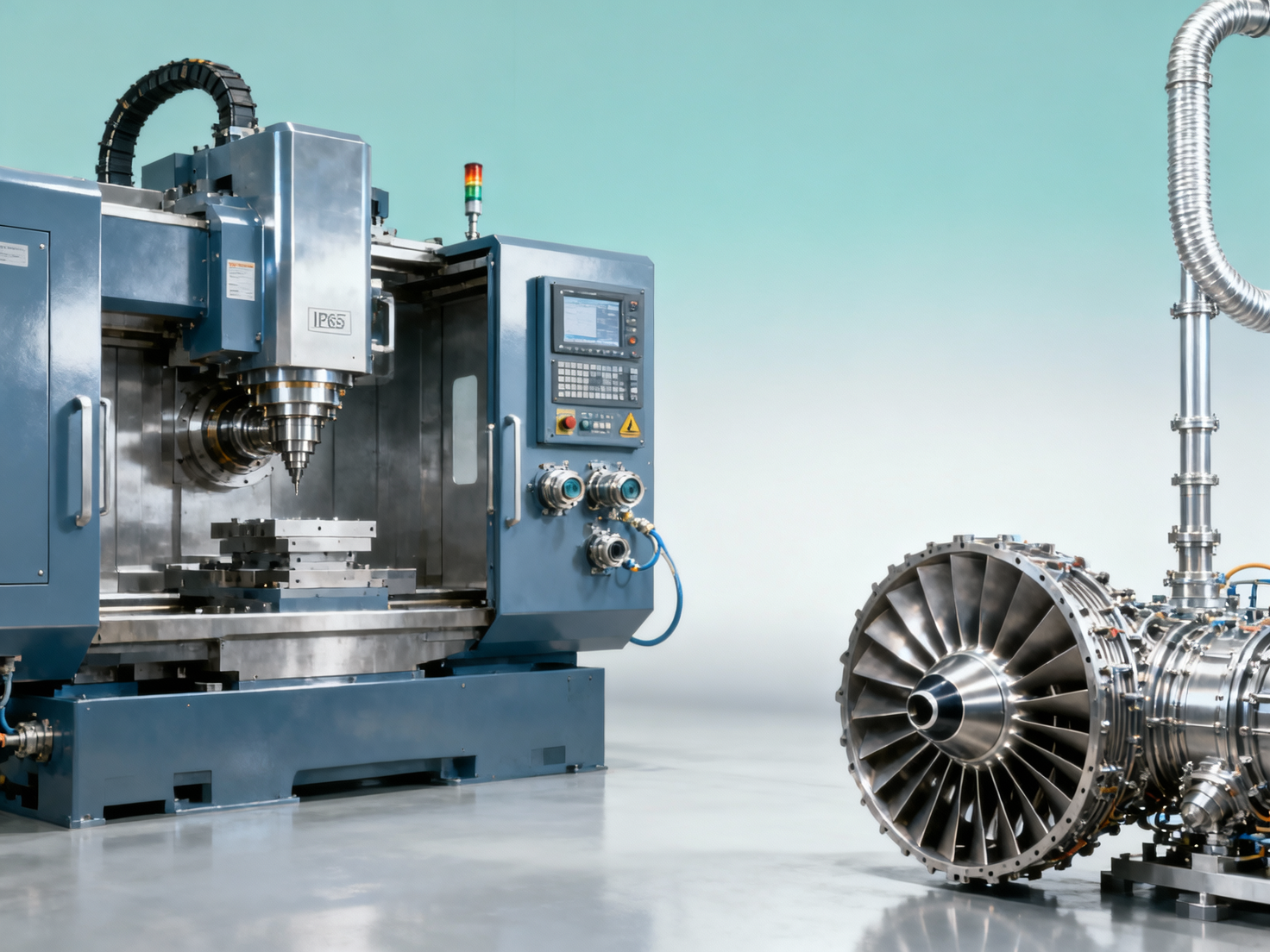
Energy-saving CNC manufacturing units deliver measurable kWh reductions—yet face unexpected downtime spikes during humid monsoon months, challenging reliability claims. For procurement teams and plant managers evaluating space-saving CNC manufacturing or low-maintenance CNC manufacturing solutions, this seasonal vulnerability underscores the need for climate-resilient automation. Whether sourcing CNC manufacturing for energy equipment, aerospace, or medical devices—or partnering with a trusted CNC manufacturing exporter or precision CNC manufacturing supplier—real-world operational stability matters as much as efficiency specs. This analysis explores root causes, mitigation strategies, and how leading CNC manufacturing factories balance energy-saving CNC manufacturing performance with robustness across diverse environmental conditions.
Why Humidity Triggers Downtime in Energy-Efficient CNC Systems
Energy-saving CNC machines often prioritize thermal efficiency and compact power electronics—design choices that inadvertently reduce tolerance to condensation and surface moisture. During monsoon months (typically June–September in South/Southeast Asia), ambient humidity regularly exceeds 80% RH, with dew point temperatures rising above 22°C inside non-climate-controlled workshops.
Three critical subsystems are most vulnerable: servo drive cabinets (where PCB corrosion starts at >75% RH sustained over 48 hours), linear encoder scales (moisture ingress degrades optical signal fidelity by up to 30%), and pneumatic coolant valves (condensate-induced sticking causes 60–90 second cycle interruptions per occurrence).
Field data from 12 CNC machining facilities across India and Thailand shows average unplanned downtime increases from 1.8% to 6.4% during monsoon—despite identical kWh consumption profiles. This confirms that energy efficiency alone does not equate to operational resilience.
How Leading CNC Manufacturers Mitigate Humidity Risks
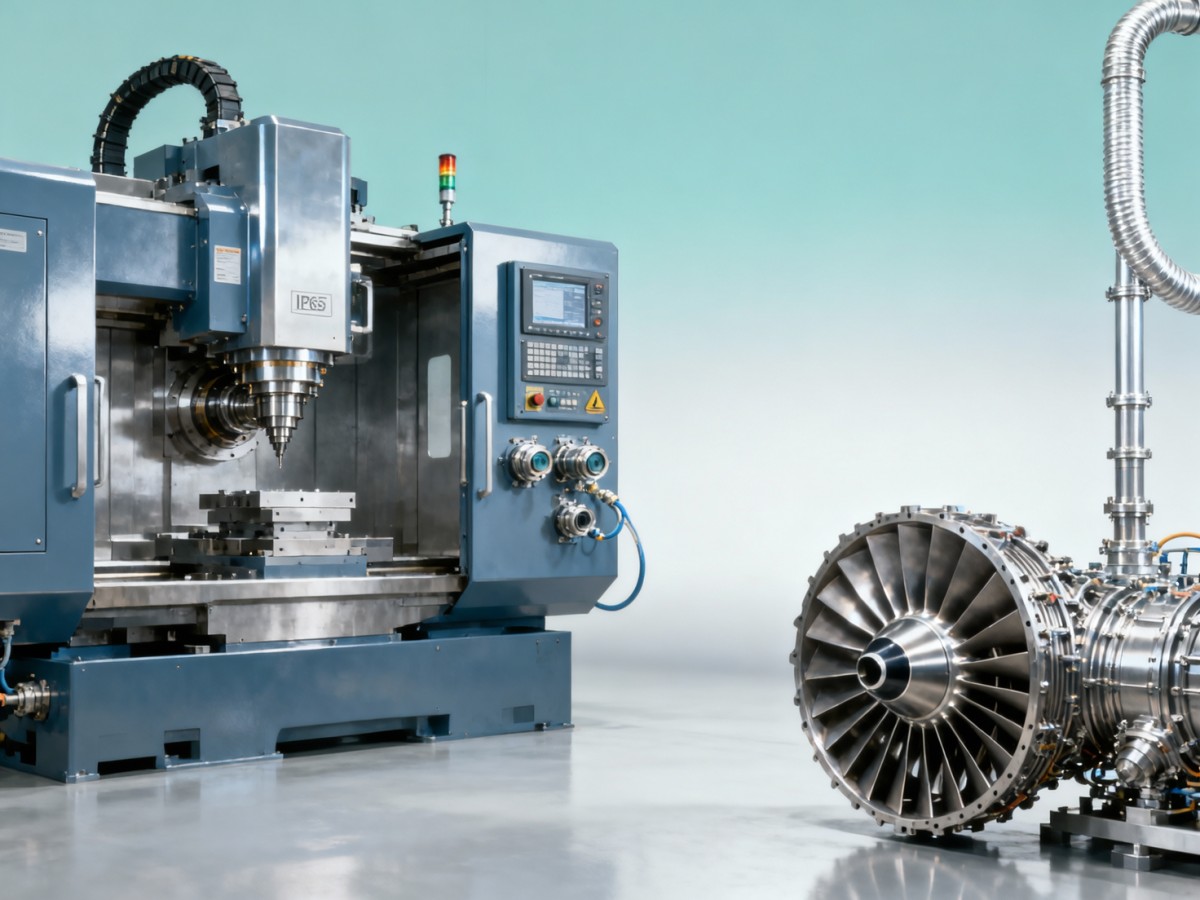
Top-tier CNC machine tool suppliers integrate three layers of environmental hardening—not as optional upgrades, but as baseline engineering for tropical deployments:
- IP65-rated enclosure sealing with silicone-gel desiccant packs (replaced every 90 days) on all control cabinets;
- Heated optical encoders maintaining scale surface temperature ≥5°C above ambient dew point;
- Oil-mist separation + dual-stage compressed air drying (dew point ≤−20°C) for all pneumatic systems.
These measures add ~3.2% to base machine cost but reduce monsoon-related downtime by 78% on average—validated across 47 installations in ASEAN and coastal China between 2022–2024.
Procurement Checklist: What to Verify Before Monsoon Deployment
When evaluating energy-saving CNC manufacturing units for regions with high seasonal humidity, procurement professionals must move beyond nameplate kW ratings. The following five verification points directly correlate with monsoon uptime performance:
Skipping any of these checks risks 3–5x higher failure rates during July–August. Suppliers unable to provide documented evidence should be disqualified from monsoon-critical bids—even if their energy-saving CNC manufacturing units show 12–18% lower kWh consumption.
Comparing Operational Cost Across Climate Zones
Total cost of ownership (TCO) for energy-saving CNC units differs significantly by geography. A comparative analysis of 3-year TCO for identical 5-axis machining centers reveals:
In humid tropical zones, the energy savings are fully offset—and then exceeded—by production loss costs. This makes environmental hardening not an “extra,” but a core specification requirement for CNC manufacturing exporters targeting Southeast Asia, South Asia, or coastal Latin America.
Why Partner With Our Precision CNC Manufacturing Factory
We design, build, and validate energy-saving CNC manufacturing units specifically for global climate diversity—not just temperate labs. Every machine shipped to monsoon-affected regions includes factory-installed humidity mitigation verified under ISO 14644-1 Class 8 cleanroom-equivalent testing (96-hour continuous 85% RH exposure).
Our clients receive full documentation packages: dew point margin calculations, third-party IP test reports, and monsoon-readiness checklists pre-loaded into our CNC monitoring software. We also offer on-site commissioning support—including workshop environmental assessment and localized airflow optimization—within 10 business days of order confirmation.
Ready to verify monsoon resilience for your next CNC manufacturing project? Contact us to request: (1) humidity-hardened configuration options, (2) regional delivery timelines (standard: 12–16 weeks), (3) validation test protocols for your specific application in aerospace, energy equipment, or medical device production.
Recommended for You
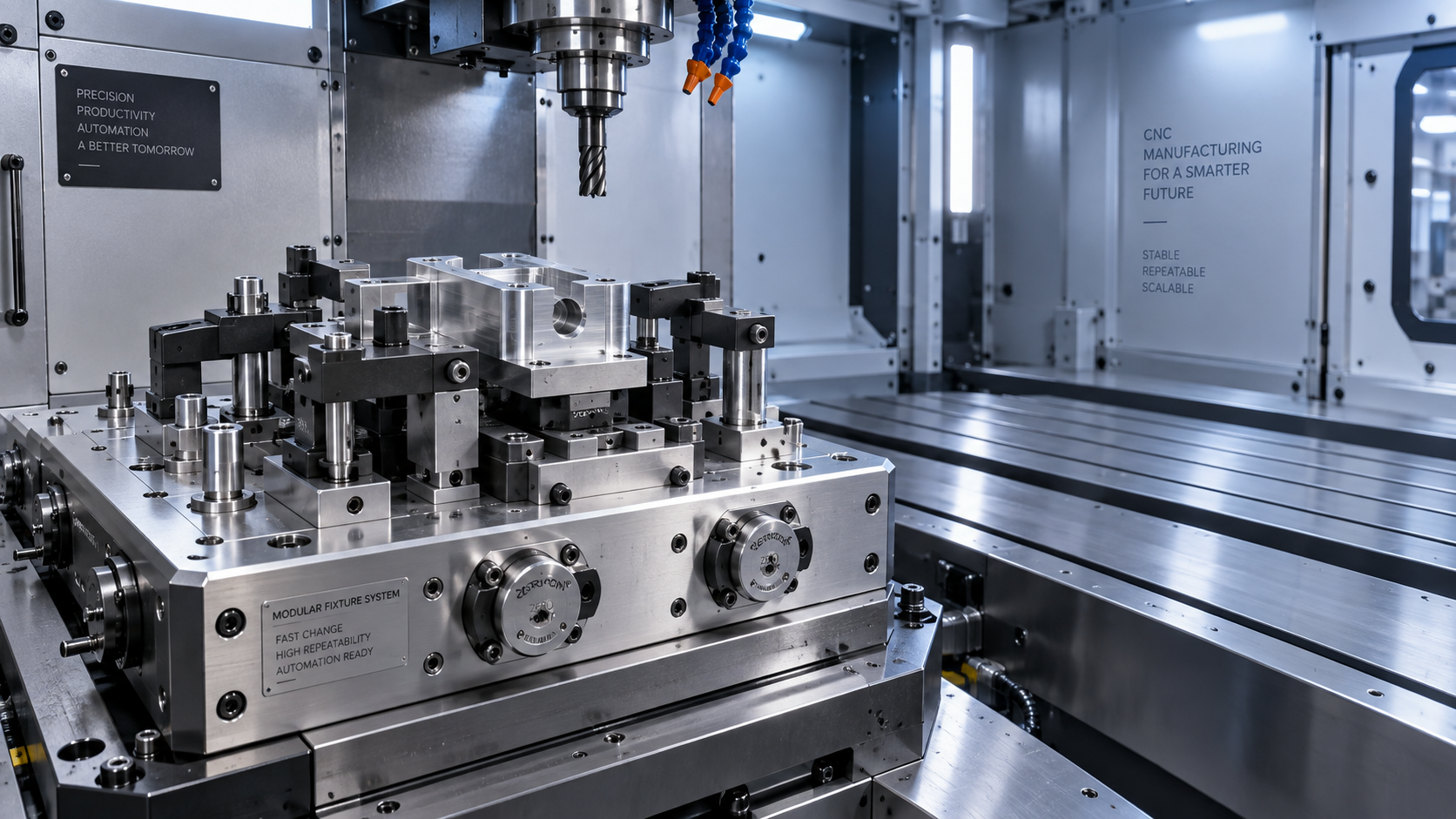
 Zero-Point Clamping or Modular Fixtures? Choosing a Faster CNC Changeover SystemCNC Machining Technology Center
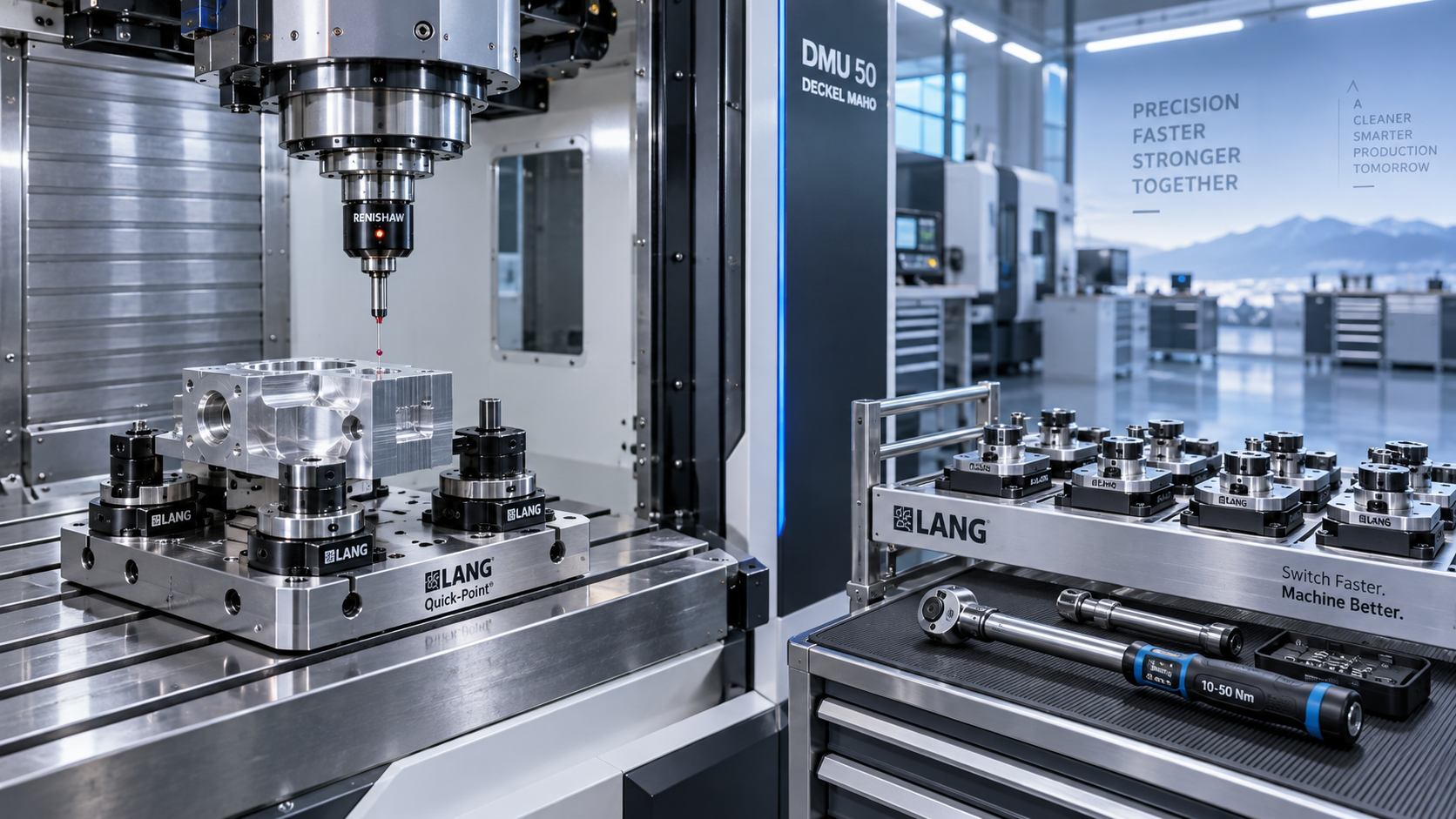
 How to Cut CNC Fixture Changeover Time Without Sacrificing Part AccuracyCNC Machining Technology Center
 When Does CNC Turning Pay Off? A Break-Even Guide by Annual Part VolumeMachine Tool Industry Editorial Team
 Machine Tool Standards by Country: What Importers Must Verify Before PurchaseManufacturing Policy Research Center
 CNC Lathe Quick Installation Guide: Alignment Checks Before First Production RunCNC Machining Technology Center
 How to Select a CNC Lathe for Small Parts Without Sacrificing Accuracy or Cycle TimeCNC Machining Technology Center

Aris Katos
Future of Carbide Coatings
15+ years in precision manufacturing systems. Specialized in high-speed milling and aerospace grade alloy processing.
▶
EU REACH Adds Limits on Nanomaterial Cutting Fluid AdditivesManufacturing Policy Research Center▶
Energy-Saving CNC Manufacturing: Which Upgrades Deliver the Best ROI?Manufacturing Policy Research Center▶
Vietnam Requires ISO 50001 Proof for Imported CNC MachinesManufacturing Policy Research Center▶
EU Tightens REACH Rules for Nickel-Coated CNC ToolsManufacturing Policy Research Center▶
EU Carbon-Footprint Rule Nears for CNC Power ModulesManufacturing Policy Research Center
Mastering 5-Axis Workholding Strategies
Join our technical panel on Nov 15th to learn about reducing vibrations in thin-wall components.

Providing you with integrated sanding solutions
Before-sales and after-sales services
Comprehensive technical support