• Global CNC market projected to reach $128B by 2028 • New EU trade regulations for precision tooling components • Aerospace deman
NYSE: CNC +1.2%LME: STEEL -0.4%

Energy-Saving CNC Manufacturing: Which Upgrades Deliver the Best ROI?
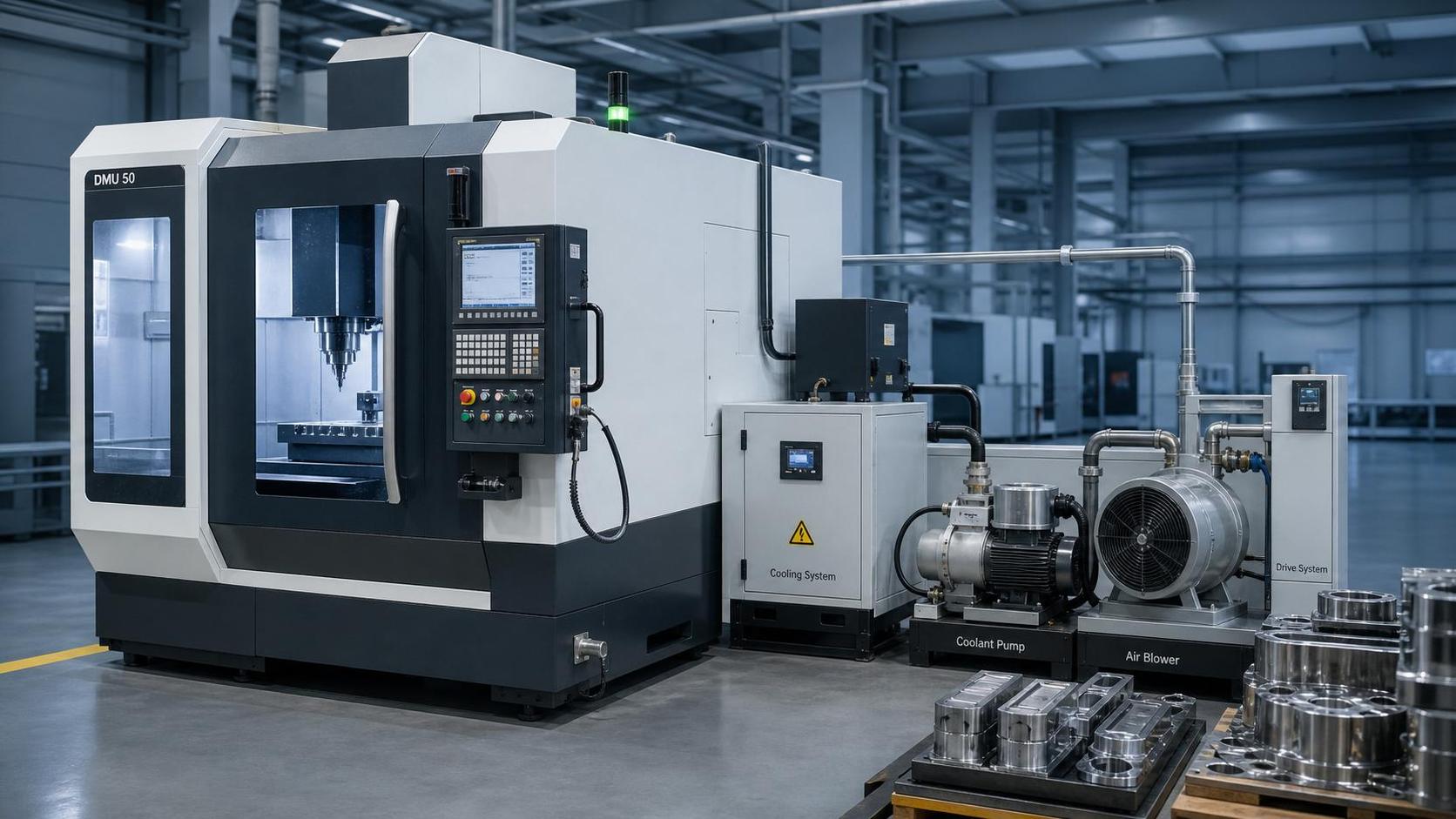
Why energy-saving CNC manufacturing has become a financial question
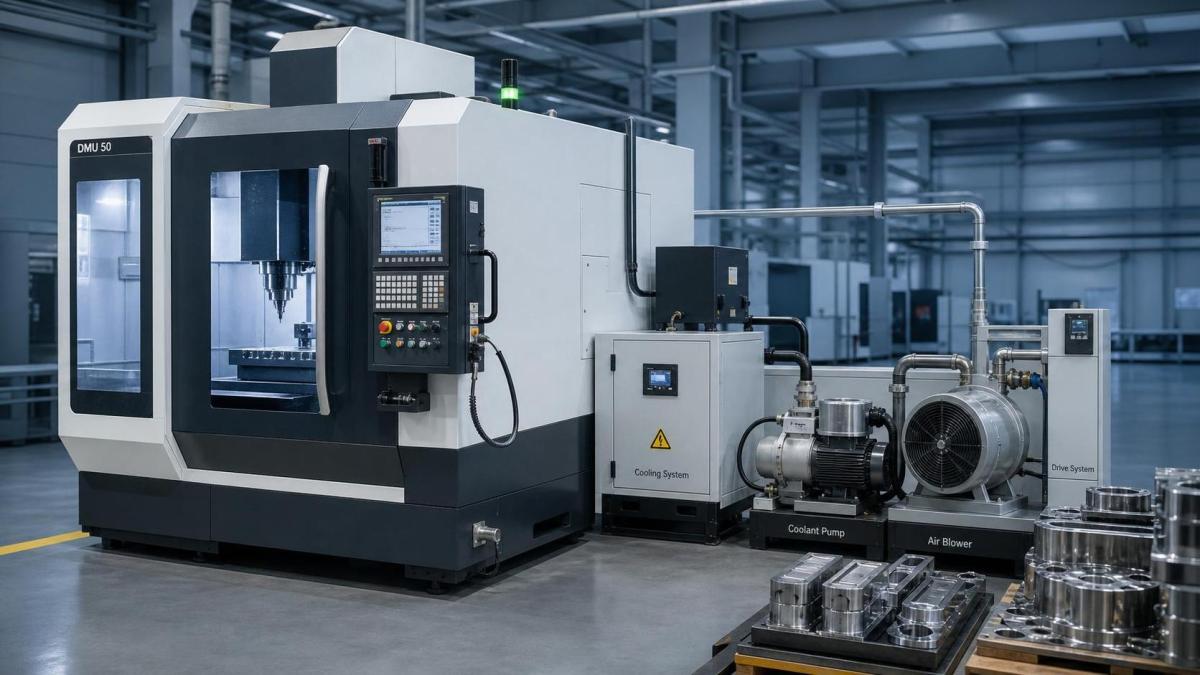
Energy-saving CNC manufacturing is now tied directly to margin protection, asset productivity, and replacement timing.
That matters across automotive, aerospace, electronics, and energy equipment, where CNC systems run long hours and utility costs compound quietly.
In practice, the best ROI rarely comes from chasing every green upgrade at once.
The stronger approach is to isolate where electricity is wasted, where idle time is excessive, and where control systems limit throughput.
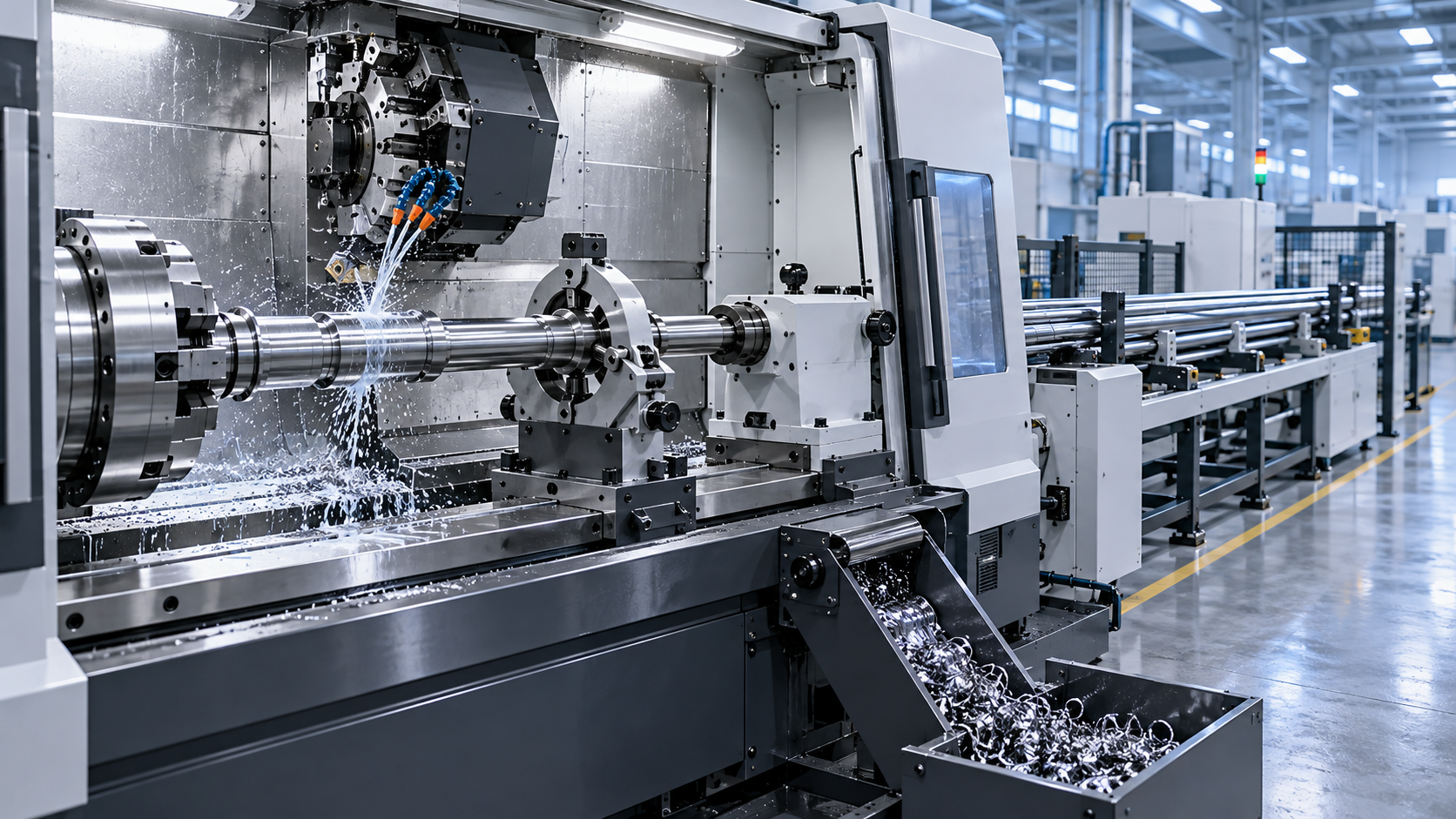
For CNC lathes, machining centers, and multi-axis cells, energy use is shaped by spindle load, coolant demand, compressed air losses, standby behavior, and process stability.
So the question is not whether energy-saving CNC manufacturing works.
The real question is which upgrades pay back fast enough to justify capital, installation time, and operational risk.
Which CNC upgrades usually deliver the fastest ROI?
The fastest payback often comes from retrofits that reduce wasted power without changing core machining capability.
Variable frequency drives for pumps and fans are common examples.
Many legacy systems run coolant pumps, hydraulic units, and extraction motors at full speed regardless of actual demand.
That creates avoidable energy draw during partial-load production.
Servo optimization is another strong candidate, especially on older equipment.
Modern servo packages can cut peak consumption and improve axis response, which supports shorter cycles and lower scrap risk.
Automatic standby management also deserves attention.
A machine that waits between batches, tool changes, or inspections can consume surprising power while producing nothing.
Simple controls that power down noncritical subsystems during idle periods often produce visible savings with limited disruption.
Compressed air leak reduction is less glamorous, but it is frequently undercounted.
Where pneumatics support fixtures, tool changers, or automation, leaks can erase gains from more expensive machine upgrades.
More ambitious projects, such as replacing an entire spindle motor package, can still make sense.
But those cases depend more heavily on uptime requirements, part mix, and remaining machine life.
A practical way to rank upgrade value
The table below helps compare common energy-saving CNC manufacturing upgrades before deeper engineering review.
Is a retrofit better than buying a new machine?
This is usually the hardest question in energy-saving CNC manufacturing.
A retrofit often wins when the mechanical structure is still sound and the bottleneck sits in controls, drives, or auxiliary systems.
That is common in robust machine bases built for long service life.
A new machine becomes easier to justify when energy waste is only one problem among many.
If there is chronic downtime, poor repeatability, limited spindle performance, or automation incompatibility, then energy savings alone may understate the business case.
More common than expected is the hybrid path.
High-use assets receive targeted retrofits, while low-efficiency bottleneck machines are replaced over a phased schedule.
That spreads capital demand and reduces production disruption.
For global operations, this matters even more.
Electricity prices, labor availability, and spare-parts support differ widely across regions such as China, Germany, Japan, and South Korea.
A retrofit that works well in one plant may not rank first in another.
How should ROI be calculated beyond the utility bill?
The narrow method is to compare kilowatt-hour savings with project cost.
That is useful, but incomplete.
In actual CNC operations, the better model includes secondary gains that affect throughput and cash flow.
- Reduced idle consumption during setup, waiting, and changeovers.
- Lower scrap from improved thermal stability or servo accuracy.
- More machine availability from modernized components and fewer faults.
- Deferred replacement spending when useful life is extended responsibly.
- Potential demand-charge reduction during peak plant loads.
It is also important to separate estimated savings from measurable savings.
Metering by machine, shift, and product family creates a stronger approval case than generic vendor assumptions.
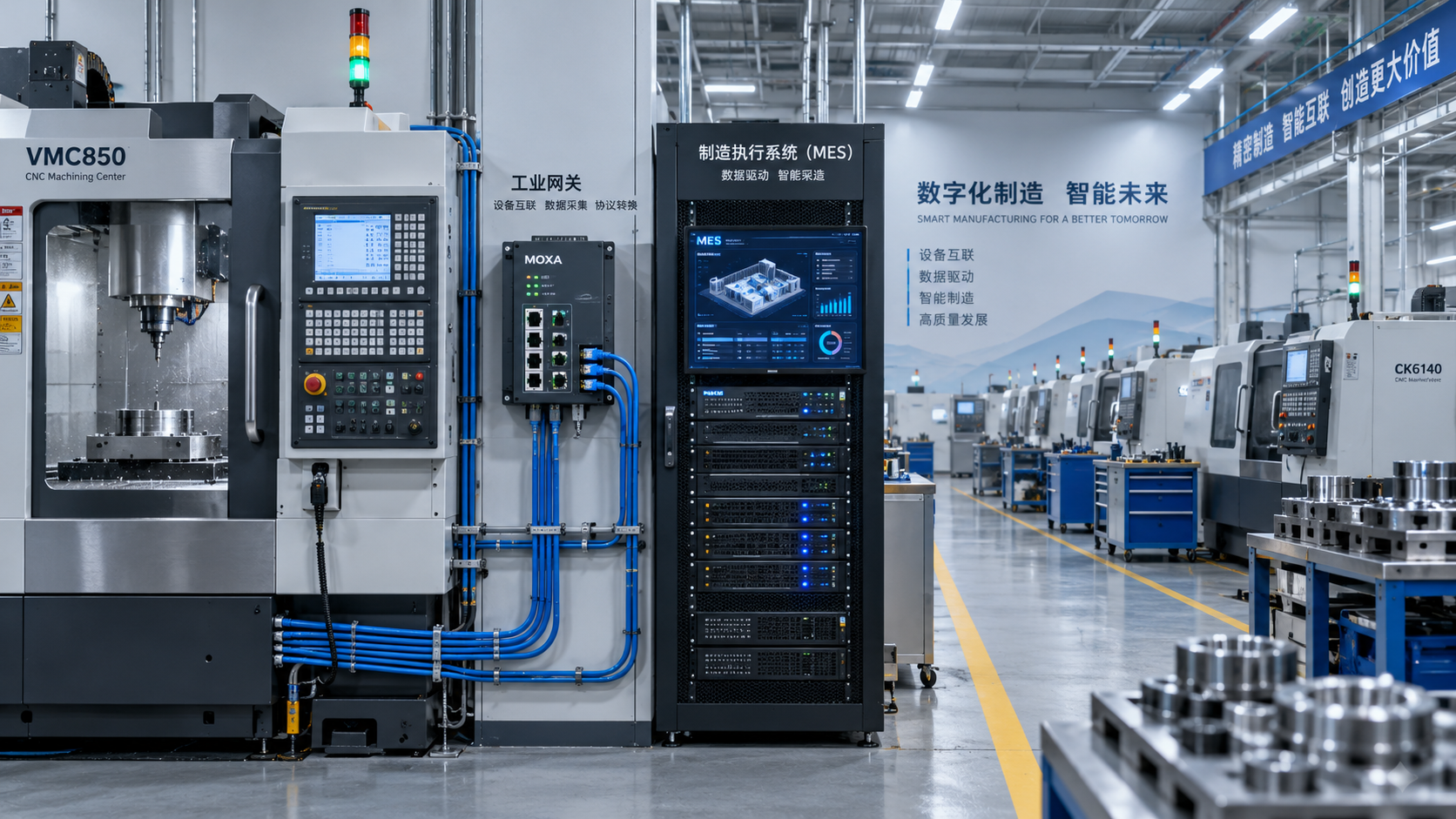
Where smart factory systems already exist, energy-saving CNC manufacturing can be tied to production data, alarm history, and utilization trends.
That turns an energy project into an operations improvement project, which is often easier to defend internally.
What numbers deserve closer scrutiny?
Watch for proposals that show attractive payback but ignore these variables.
- Installation downtime and recovery time after commissioning.
- Software integration costs for older CNC controls.
- Training needs for maintenance and production teams.
- Load variation across shifts, seasons, and product mix.
- Future automation plans that may change energy demand patterns.
What mistakes weaken an energy-saving CNC manufacturing project?
The first mistake is treating all machines as equal.
A heavily loaded machining center and a lightly used CNC lathe should not receive the same upgrade logic.
The second mistake is focusing only on nameplate efficiency.
Real savings depend on duty cycle, stoppages, thermal behavior, and maintenance condition.
Another common issue is approving projects without a baseline.
If energy, uptime, and scrap are not measured before installation, later savings become difficult to verify.
There is also a tendency to overlook system interactions.
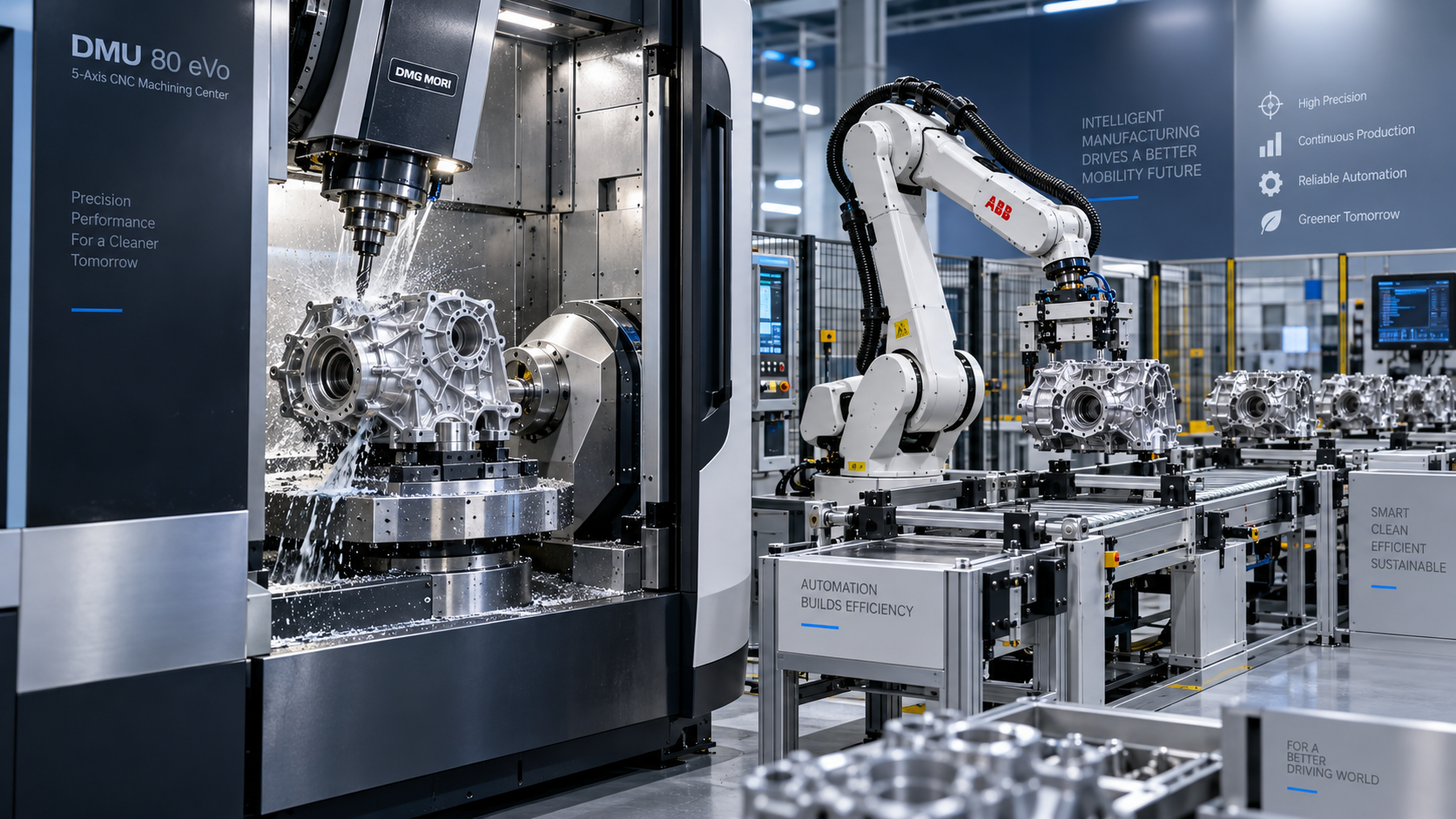
For example, a more efficient machine may still underperform if coolant filtration, fixture air supply, or robotic loading remains unstable.
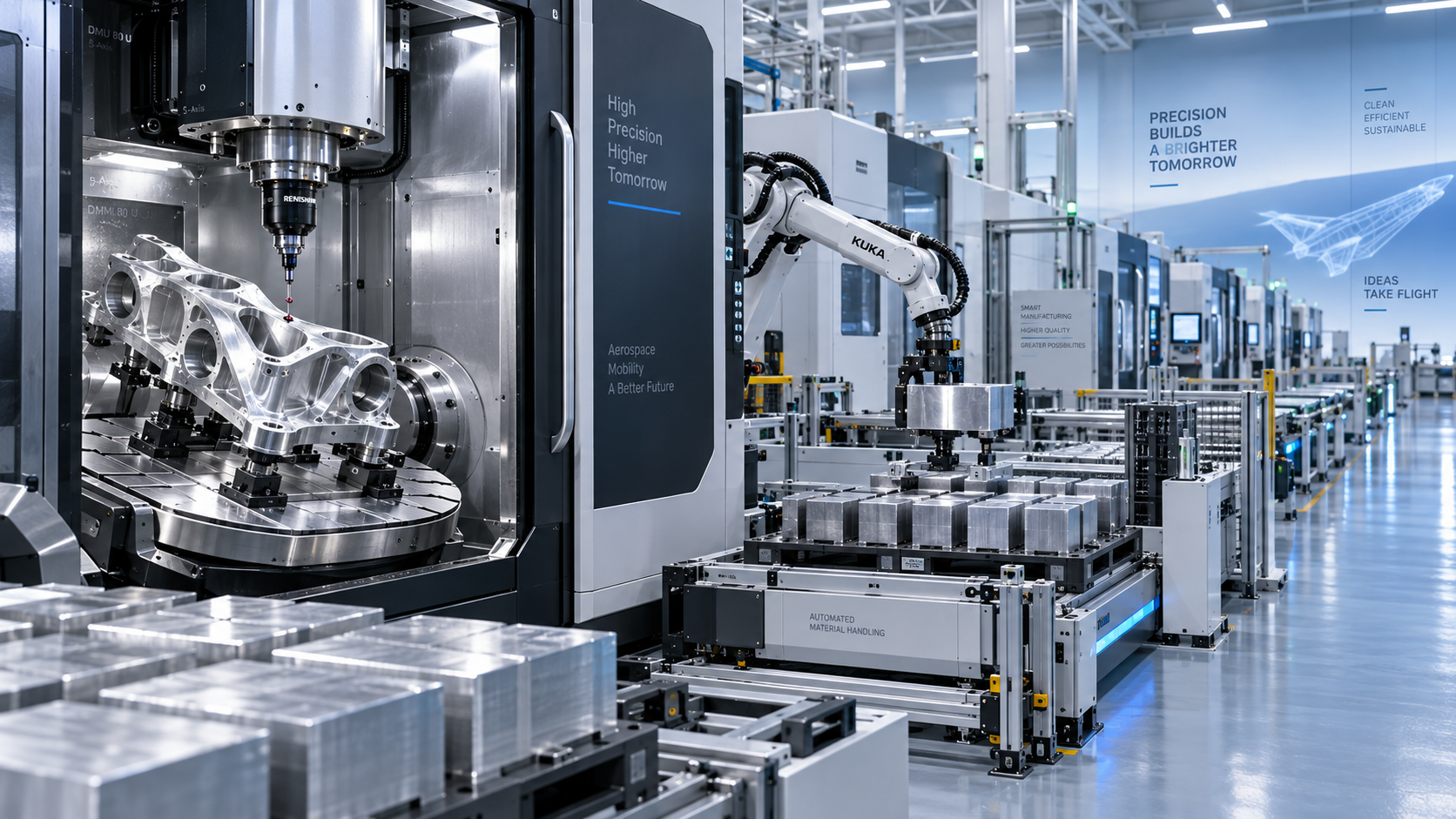
In precision manufacturing, especially in multi-axis and automated cells, local upgrades must fit the wider process.
Finally, some projects promise savings while adding operational complexity.
If spare parts are difficult to source or controls become harder to support, the hidden cost can offset the energy benefit.
What is the smartest next step before approving investment?
Start with a ranked machine list, not a vendor catalog.
Focus on assets with high run hours, unstable utilization, and measurable auxiliary loads.
Then build a short decision screen around four questions.
- Is the machine structurally worth keeping for another five to eight years?
- Can energy-saving CNC manufacturing improve uptime or output, not just electricity use?
- Will installation fit planned shutdown windows?
- Can post-upgrade performance be measured clearly within one quarter?
If the answer is yes on most points, a pilot project is usually the right move.
Choose one representative machine or one compact production cell.
Measure power, cycle time, downtime, and scrap before and after the change.
That evidence will be more valuable than broad assumptions, especially in plants balancing automation expansion, international sourcing, and tighter operating margins.
In the end, energy-saving CNC manufacturing delivers the best ROI when upgrades are matched to machine condition, production profile, and verification discipline.
The next step is straightforward: establish a baseline, compare retrofit and replacement paths, and approve only the projects that improve both energy performance and manufacturing economics.
PREVIOUS ARTICLE
Recommended for You
 Digital Manufacturing for Smart Factories: Connecting Legacy Machines to MESMachine Tool Industry Editorial Team
 How to Select a CNC Metal Lathe for Tight-Tolerance Shaft and Sleeve PartsCNC Machining Technology Center
 How to Select an Industrial Lathe for High-Volume Shaft ProductionMachine Tool Industry Editorial Team
 Selecting Machine Tools for Automotive Parts: Accuracy, Throughput, and AutomationMachine Tool Industry Editorial Team
 Industrial Machining: Selecting Processes for Tight-Tolerance Metal PartsCNC Machining Technology Center
 Manufacturing Technology Trends That Improve Throughput and Quality ControlManufacturing Market Research Center

Aris Katos
Future of Carbide Coatings
15+ years in precision manufacturing systems. Specialized in high-speed milling and aerospace grade alloy processing.
▶
EU REACH Adds Limits on Nanomaterial Cutting Fluid AdditivesManufacturing Policy Research Center▶
Energy-Saving CNC Manufacturing: Which Upgrades Deliver the Best ROI?Manufacturing Policy Research Center▶
Vietnam Requires ISO 50001 Proof for Imported CNC MachinesManufacturing Policy Research Center▶
EU Tightens REACH Rules for Nickel-Coated CNC ToolsManufacturing Policy Research Center▶
EU Carbon-Footprint Rule Nears for CNC Power ModulesManufacturing Policy Research Center
Mastering 5-Axis Workholding Strategies
Join our technical panel on Nov 15th to learn about reducing vibrations in thin-wall components.

Providing you with integrated sanding solutions
Before-sales and after-sales services
Comprehensive technical support