• Global CNC market projected to reach $128B by 2028 • New EU trade regulations for precision tooling components • Aerospace deman
NYSE: CNC +1.2%LME: STEEL -0.4%

First Global CNC Machine Carbon Footprint Guide Released

On May 21, 2026, ISO/TR 23221:2026, the first global technical report titled CNC Machine Carbon Footprint Calculation Guidelines, was officially published by ISO/TC 184/SC 4 (Industrial Automation Systems and Integration). The document—led by China—establishes a standardized life cycle assessment methodology covering raw material extraction, component manufacturing, final assembly, transportation, use phase, and end-of-life recycling. It has been formally referenced by the European Commission as part of the CE marking technical documentation framework, with mandatory third-party verified carbon footprint reporting required for all CNC machines placed on the EU market starting January 1, 2027.
Event Overview
ISO/TR 23221:2026 was published on May 21, 2026, under the auspices of ISO/TC 184/SC 4. China served as the lead country in its development. The guideline defines a harmonized methodology for calculating the carbon footprint of CNC machine tools across their full life cycle. The European Commission has designated it as a reference standard for CE conformity assessment. As of January 1, 2027, CNC machines imported into the EU must be accompanied by a carbon footprint report validated by an accredited third-party body; non-compliant products will be barred from the EU market.
Industries Affected by This Development
Direct Exporters to the EU
Manufacturers and OEMs exporting CNC machine tools directly to the EU face immediate regulatory exposure. Their products must now meet a new compliance requirement beyond traditional safety and EMC standards. Impact manifests primarily in certification timelines, documentation burden, and potential delays in customs clearance or market access if verification is incomplete or rejected.
Raw Material and Component Suppliers
Suppliers providing castings, structural steel, motors, control systems, or lubricants to CNC machine builders may be asked to disclose upstream carbon data—including Scope 1 and 2 emissions from their own operations and, potentially, Scope 3 upstream inputs. Impact centers on increased data requests, contractual obligations for environmental disclosures, and possible requalification requirements from OEMs seeking full life cycle coverage.
Machine Tool Builders and System Integrators
Domestic and international manufacturers assembling CNC machines are responsible for aggregating, verifying, and declaring carbon data across tiers. This affects internal processes such as bill-of-materials management, supplier engagement protocols, energy monitoring during production, and product lifecycle documentation systems. Verification readiness becomes a prerequisite for export planning—not just a post-sale audit item.
Distribution and Aftermarket Service Providers
While not directly liable for carbon reporting, distributors and service firms handling EU-bound machines may be required to retain and transmit carbon documentation alongside CE files. They may also face contractual clauses requiring traceability of carbon reports through resale or refurbishment—especially for machines re-entering the EU market after repair or upgrade.
Supply Chain Verification and Certification Services
Accredited verification bodies, LCA software vendors, and consultants specializing in environmental product declarations (EPDs) are likely to see rising demand for aligned methodologies, training, and audit capacity. However, only those recognized under EU’s EN ISO/IEC 17065 or equivalent frameworks will be accepted for official validation—limiting eligible providers.
What Relevant Enterprises or Practitioners Should Focus On Now
Monitor official implementation guidance from the European Commission and national market surveillance authorities
The guideline itself is a technical report (TR), not a regulation—but its adoption into CE marking procedures means enforcement details (e.g., acceptable LCA standards, data quality thresholds, grandfathering provisions) will emerge via delegated acts or guidance documents. Current status remains subject to formal integration into the Machinery Regulation (EU) 2023/1230 application framework.
Identify high-priority product lines and EU-bound shipments for initial carbon accounting pilot runs
Not all CNC machines carry equal risk or complexity. Prioritize models with high energy consumption in use phase, significant cast iron or aluminum content, or long transport distances. Early pilots help calibrate data collection, expose gaps in supplier cooperation, and inform internal resource allocation ahead of mandatory deadlines.
Distinguish between policy signal and operational readiness
ISO/TR 23221:2026 signals tightening environmental accountability in industrial equipment trade—but does not yet define legal penalties, transition periods, or enforcement frequency. Enterprises should treat it as a binding procedural requirement for CE conformity, not merely a sustainability initiative. Internal alignment between R&D, procurement, quality, and export compliance teams is essential before verification begins.
Initiate supplier engagement and data collection protocols now—not after 2026 year-end
Obtaining primary emission factors from Tier 2 and Tier 3 suppliers often takes months. Starting dialogue early—using standardized templates aligned with ISO 14067 and EN 15804—reduces bottlenecks later. Documenting assumptions, boundaries, and system expansions (e.g., inclusion/exclusion of maintenance kits) during initial assessments supports audit defensibility.
Editorial Perspective / Industry Observation
Observably, this development marks a structural shift: environmental performance is now embedded into core product conformity—not layered on as voluntary reporting. Analysis shows that ISO/TR 23221:2026 functions less as a standalone standard and more as a bridge between existing LCA practice and enforceable market access rules. From an industry perspective, it is best understood not as an isolated technical update, but as the first codified step toward broader carbon-integrated machinery regulations—potentially expanding to other capital goods under the EU’s Green Deal Industrial Plan. Continued attention is warranted because its implementation mechanics (e.g., recognition of verification bodies, interoperability with digital product passports) remain pending clarification.
This is not yet a finalized regulation—but it is a binding reference point for CE compliance. Its significance lies in institutionalizing carbon accountability at the product level for a high-value, globally traded industrial category. For affected stakeholders, the current stage favors preparation over prediction: building internal capability, mapping data flows, and aligning cross-functional responsibilities deliver more tangible value than waiting for secondary regulatory texts.
Source: ISO/TR 23221:2026, published May 21, 2026, by ISO/TC 184/SC 4; public announcement by the European Commission confirming its inclusion in CE marking technical documentation references (as of May 2026).
Note: Enforcement mechanisms, transitional arrangements, and recognition criteria for third-party verifiers remain under development and require ongoing observation.
PREVIOUS ARTICLE
Recommended for You
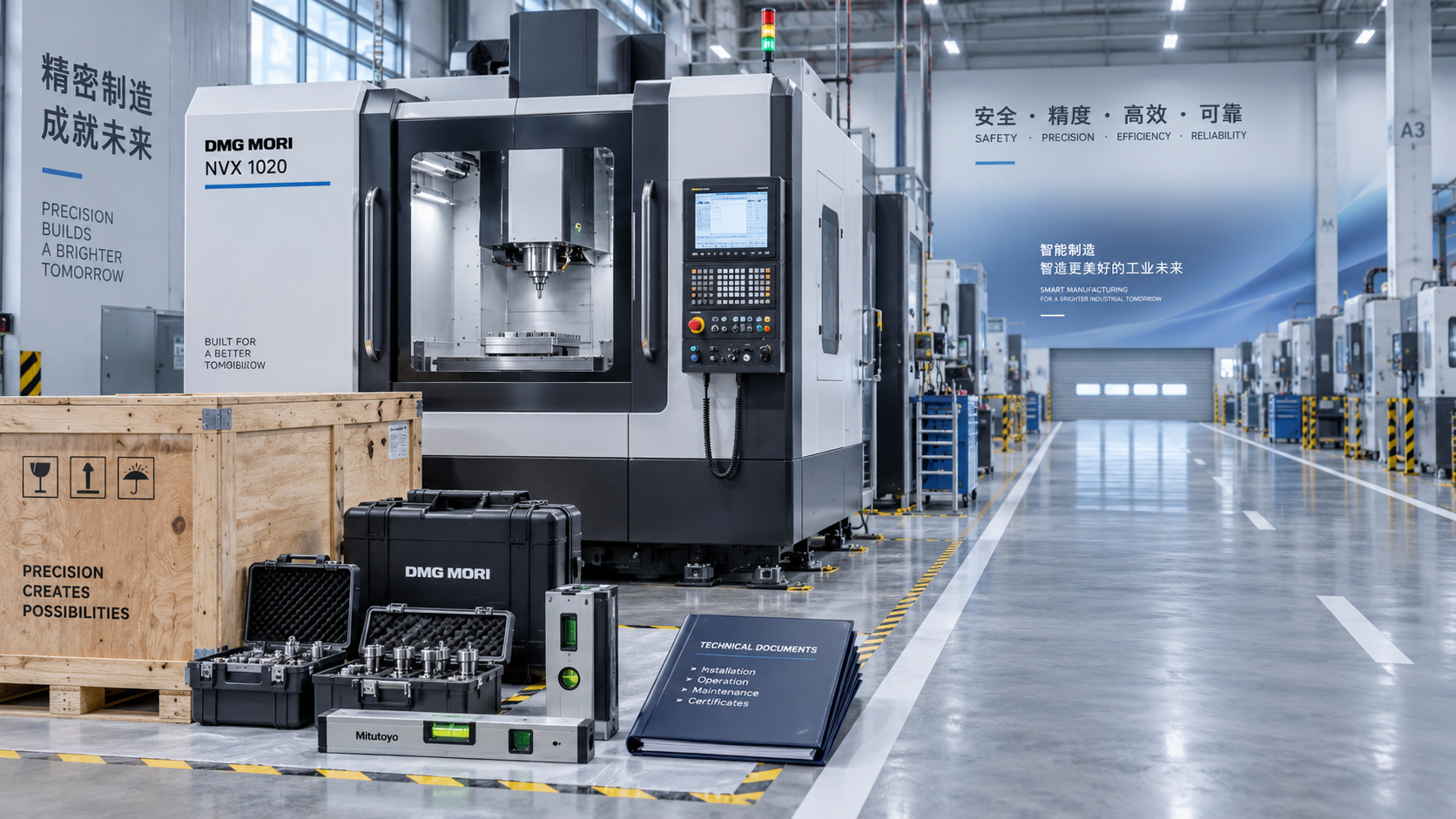
 CNC Machine Arrival Inspection: Check Shipping Damage, Accuracy, Safety, and DocumentsCNC Machining Technology Center
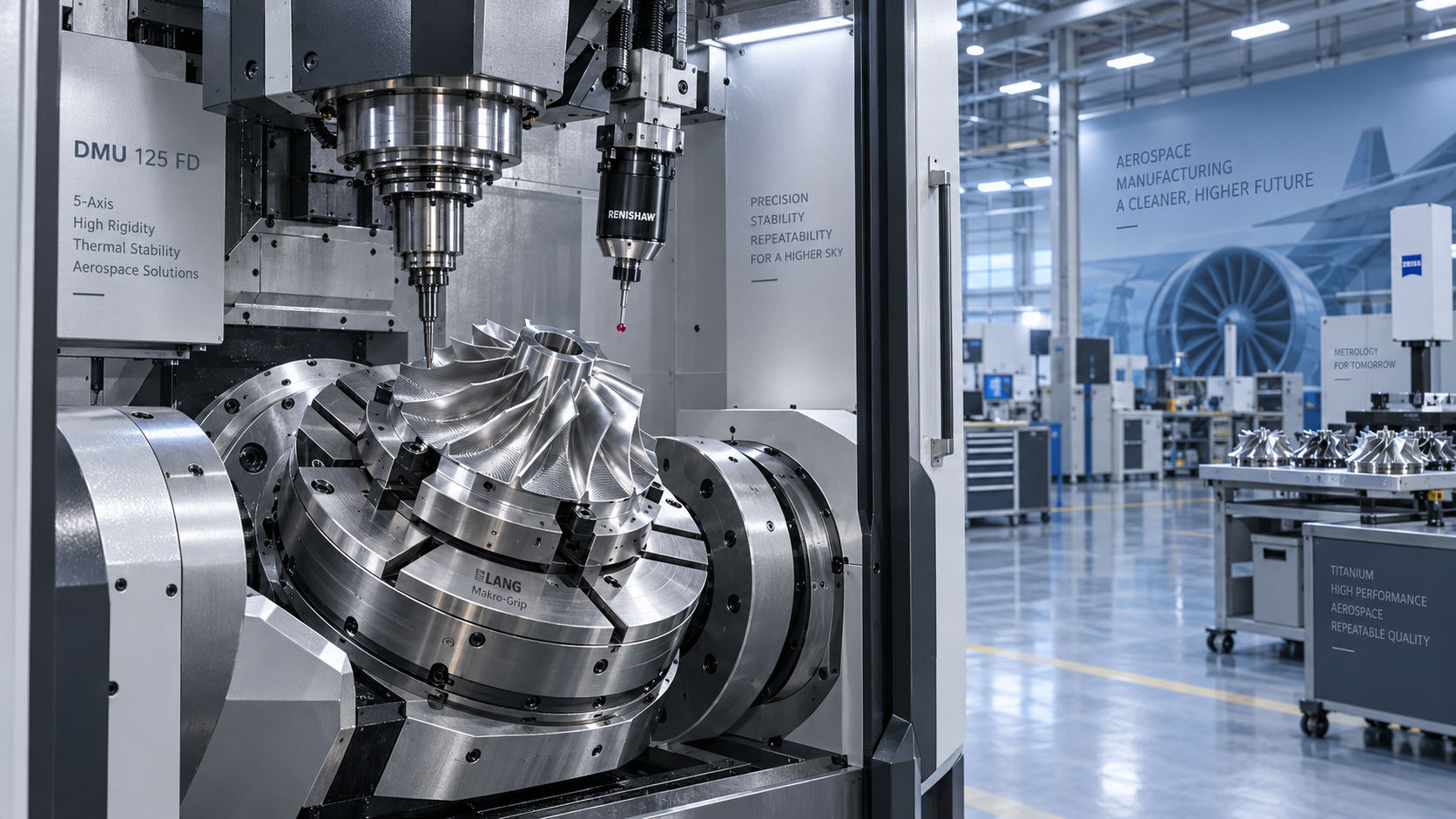
 How to Select a Machine Tool for Aerospace Parts with Tight Tolerances?Machine Tool Industry Editorial Team
 How to Select CNC Equipment for High-Mix, Low-Volume ProductionCNC Machining Technology Center
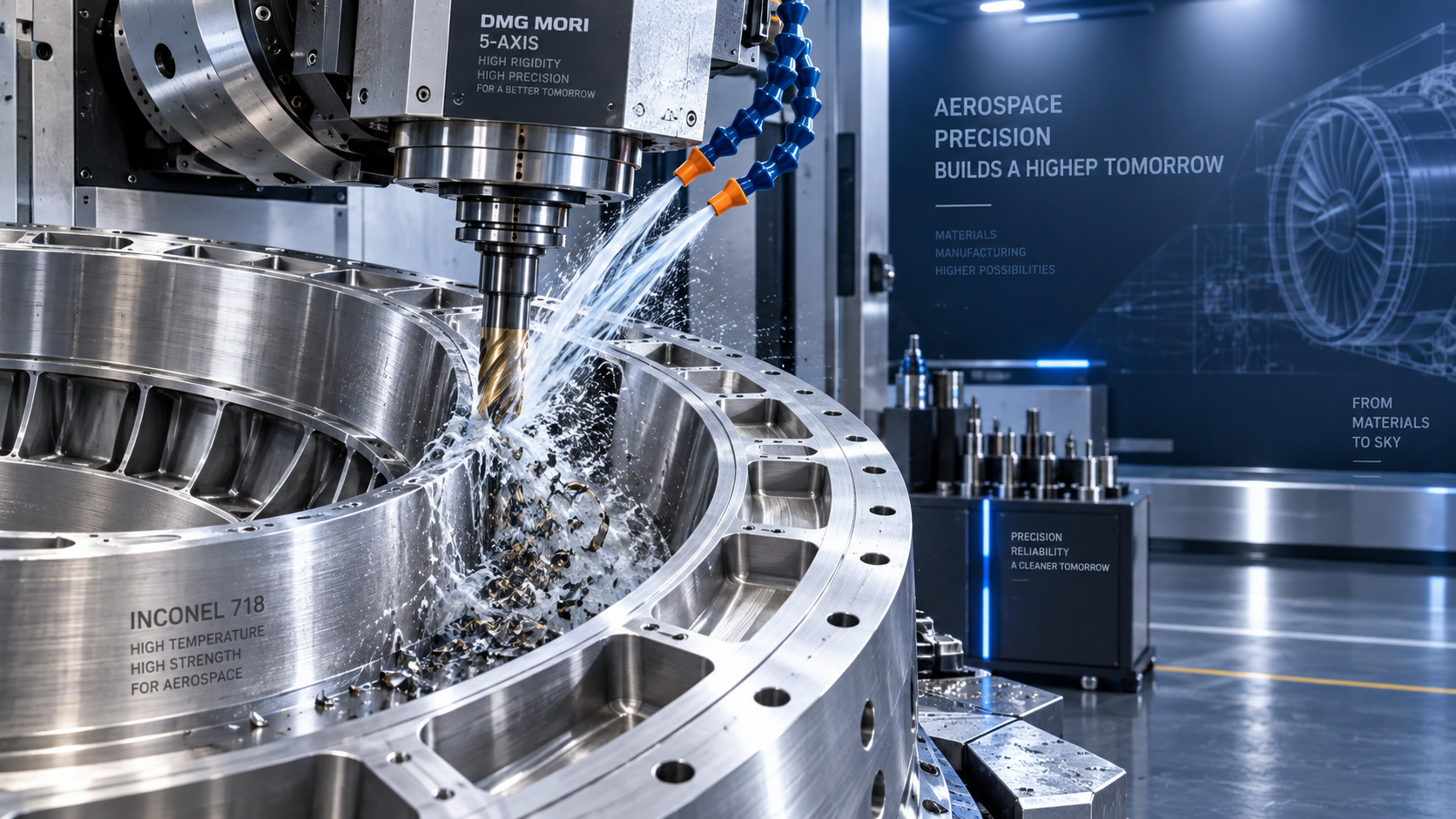
 Can CNC Machining Inconel Control Tool Wear in High-Temperature Aerospace Parts?CNC Machining Technology Center
 Machine Tool Market Outlook: Demand Drivers, Capacity Shifts, and Investment RisksManufacturing Market Research Center
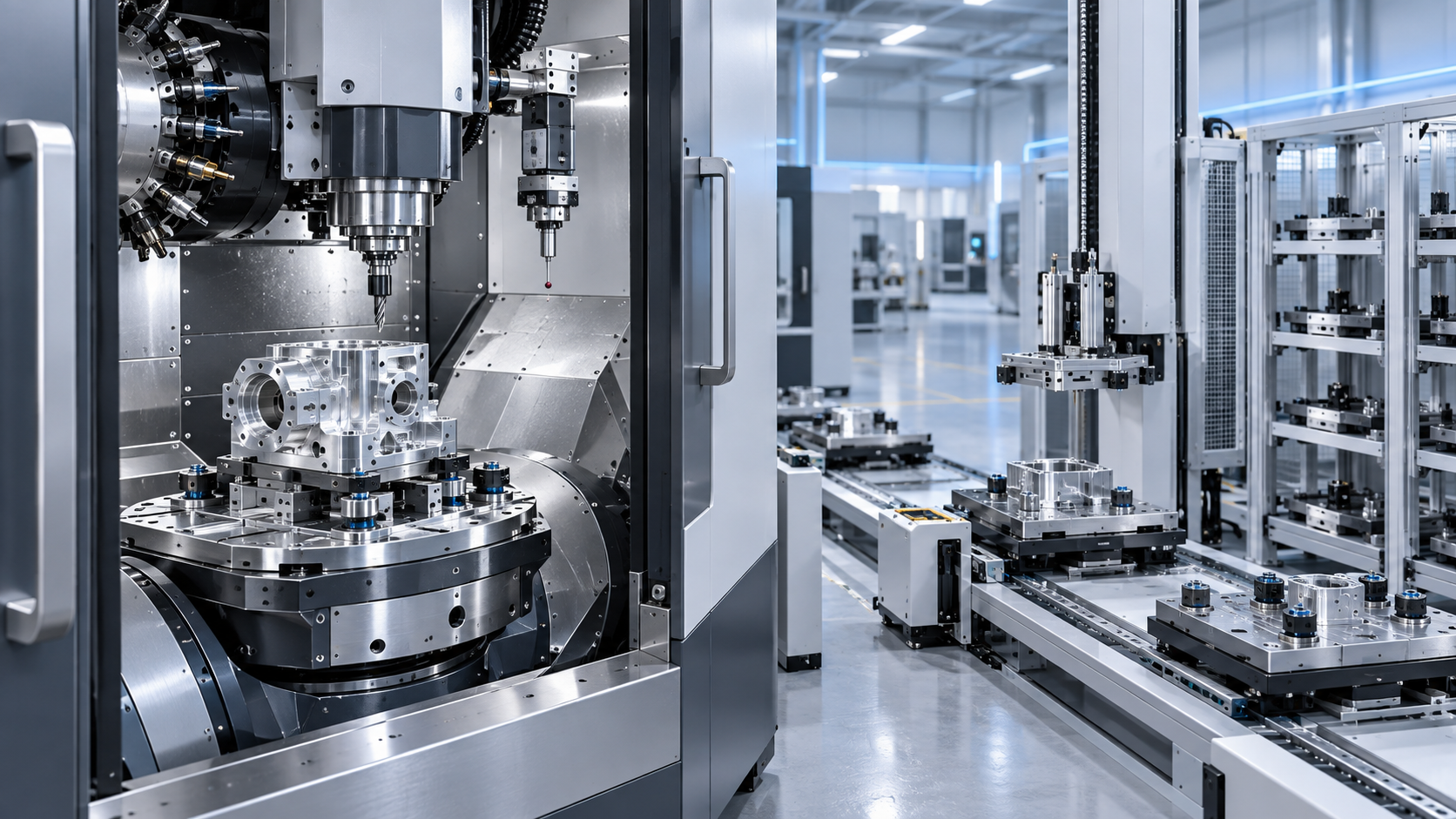
 Zero-Point Clamping or Modular Fixtures? Choosing a Faster CNC Changeover SystemCNC Machining Technology Center

Aris Katos
Future of Carbide Coatings
15+ years in precision manufacturing systems. Specialized in high-speed milling and aerospace grade alloy processing.
▶
EU REACH Adds Limits on Nanomaterial Cutting Fluid AdditivesManufacturing Policy Research Center▶
Energy-Saving CNC Manufacturing: Which Upgrades Deliver the Best ROI?Manufacturing Policy Research Center▶
Vietnam Requires ISO 50001 Proof for Imported CNC MachinesManufacturing Policy Research Center▶
EU Tightens REACH Rules for Nickel-Coated CNC ToolsManufacturing Policy Research Center▶
EU Carbon-Footprint Rule Nears for CNC Power ModulesManufacturing Policy Research Center
Mastering 5-Axis Workholding Strategies
Join our technical panel on Nov 15th to learn about reducing vibrations in thin-wall components.

Providing you with integrated sanding solutions
Before-sales and after-sales services
Comprehensive technical support