• Global CNC market projected to reach $128B by 2028 • New EU trade regulations for precision tooling components • Aerospace deman
NYSE: CNC +1.2%LME: STEEL -0.4%

UL Mandates AI Failure Scenario Testing for CNC Equipment Safety Certification

Starting May 22, 2026, UL Solutions will enforce ANSI/UL 60204-1:2026, requiring new AI-related failure scenario testing for safety control circuits of CNC equipment sold in North America. This update directly impacts manufacturers and exporters of industrial automation equipment—particularly those supplying to U.S. and Canadian markets—and signals a shift toward formalized AI robustness validation in functional safety certification.
Event Overview
Effective 00:00 on May 22, 2026, UL Solutions implements the revised ANSI/UL 60204-1:2026 standard. Under this revision, all CNC equipment seeking or maintaining UL Listing for safety control circuits must undergo mandatory additional testing for six defined ‘AI intervention failure scenarios’, including AI command conflicts, sensor spoofing, and model drift-induced emergency stop failures. Products failing this test will lose UL Listing eligibility. Affected parties must resubmit control logic FMEA reports and complete third-party AI robustness verification.
Industries Affected by Segment
Direct Exporters to North America
Exporters of CNC machines, machining centers, and integrated automation systems to the U.S. and Canada are directly subject to the requirement. Their UL Listing status—critical for market access and customer procurement—depends on passing the new AI failure tests. Impact includes delayed time-to-market, increased certification costs, and potential rework of safety-critical control software and documentation.
Original Equipment Manufacturers (OEMs) with Embedded AI Control Logic
OEMs integrating AI-based motion planning, adaptive feed control, or predictive maintenance modules into CNC controllers face design-level implications. The mandate applies regardless of whether AI is labeled as ‘safety-related’—if AI output influences safety functions (e.g., enabling/disabling interlocks or overriding E-stops), it falls under scope. Affected OEMs must now formally assess and document AI behavior under fault conditions—not just nominal operation.
Third-Party Certification and Testing Service Providers
Laboratories and conformity assessment bodies supporting CNC manufacturers must develop and validate test protocols for the six AI failure use cases. This requires technical capability in AI model interrogation, adversarial input generation, and real-time control loop monitoring. Capacity constraints and protocol harmonization across labs may affect lead times and consistency of evaluation outcomes.
What Relevant Enterprises or Practitioners Should Focus On — and How to Respond Now
Monitor official UL guidance and interpretation notes
UL has not yet published detailed test procedures or pass/fail criteria for the six AI failure scenarios. Enterprises should track UL’s Technical Information Letters (TILs), webinars, and workshop announcements scheduled before Q2 2026 to clarify scope boundaries—e.g., whether cloud-hosted AI inference falls under scope, or only edge-deployed models.
Prioritize review of safety-related AI interfaces in current product lines
Manufacturers should identify which CNC models have AI components linked to safety control circuits (e.g., via PLC safety inputs, STO/SBC signals, or safety-rated motion commands). Focus verification efforts first on products with pending UL renewal cycles or planned North American launches between June 2026 and December 2026.
Distinguish regulatory signal from immediate compliance obligation
The effective date (May 22, 2026) applies to new applications and renewals submitted on or after that date. Existing UL Listings remain valid until next scheduled surveillance or renewal—unless UL initiates unscheduled review due to reported field incidents. Therefore, proactive alignment—not emergency retrofitting—is the appropriate posture for most firms.
Update internal FMEA processes and supplier technical agreements
FMEA documentation must now explicitly address AI-specific failure modes (e.g., ‘model output divergence under degraded sensor data’) and their propagation paths into safety functions. For suppliers providing AI modules (e.g., vision-based part recognition engines), OEMs should revise technical agreements to require AI robustness evidence—including uncertainty quantification and adversarial test logs—as part of component qualification.
Editorial Perspective / Industry Observation
Observably, this update reflects UL’s institutional response to increasing integration of AI into safety-critical industrial control systems—not as a standalone technology standard, but as an extension of existing functional safety expectations under IEC 61508 and ISO 13849 principles. Analysis shows it is less a sudden regulatory shock and more a formalized codification of emerging industry practice: major CNC OEMs have already begun internal AI failure mode analysis since 2024, driven by customer audits and insurance requirements. From an industry perspective, the mandate serves primarily as a compliance anchor point, making previously informal AI risk assessments auditable and enforceable. It is currently best understood as a signal of long-term convergence between AI assurance frameworks and established machinery safety regimes—not yet a fully matured technical standard.
Consequently, the broader significance lies not in immediate disruption, but in its role as a precedent: other standards bodies (e.g., TÜV Rheinland, CSA Group) may follow with similar AI-integrated safety requirements for robotics, packaging lines, or semiconductor manufacturing tools. Sustained attention is warranted—not because enforcement is imminent across sectors, but because methodology developed for CNC compliance (e.g., structured AI failure taxonomy, traceable test case generation) is likely to become transferable baseline practice.
Conclusion
This UL update marks a procedural milestone in the operationalization of AI safety within industrial machinery certification—not a fundamental departure from existing safety engineering principles, but a targeted expansion of verification scope. Its practical impact is concentrated among exporters and OEMs actively engaging the North American market with AI-augmented CNC systems. Current understanding should emphasize continuity: core safety lifecycle practices (risk assessment, FMEA, validation) remain central; AI introduces new failure modes to be analyzed—not new paradigms to replace foundational methods. Enterprises are advised to treat this as a structured readiness exercise, not a crisis trigger.
Source Attribution
Main source: UL Solutions official announcement of ANSI/UL 60204-1:2026 adoption timeline and scope update (issued February 2026).
Note: Detailed test methodology, acceptance criteria, and lab accreditation requirements remain pending publication and are designated for ongoing observation.
PREVIOUS ARTICLE
Recommended for You
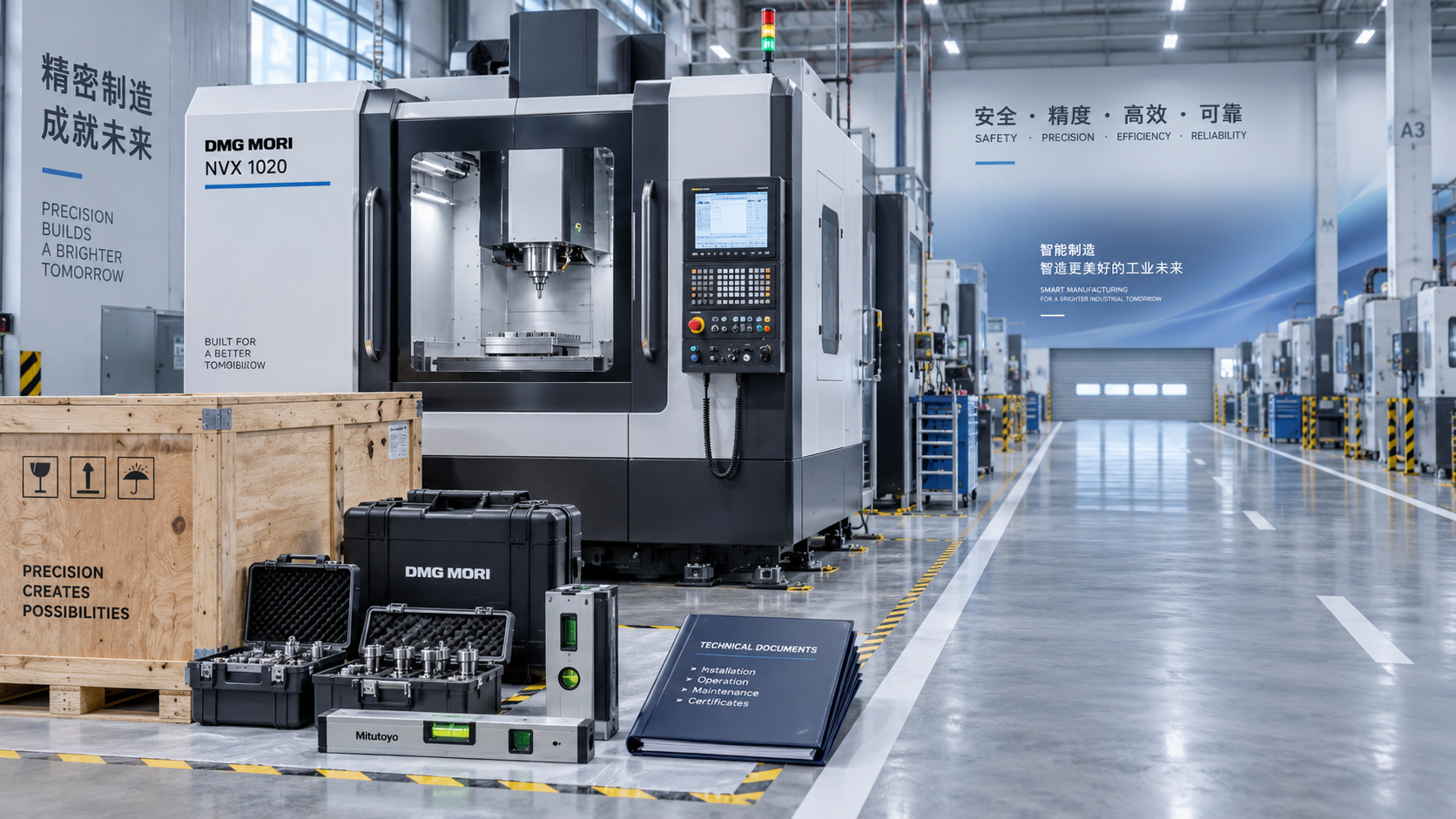
 CNC Machine Arrival Inspection: Check Shipping Damage, Accuracy, Safety, and DocumentsCNC Machining Technology Center
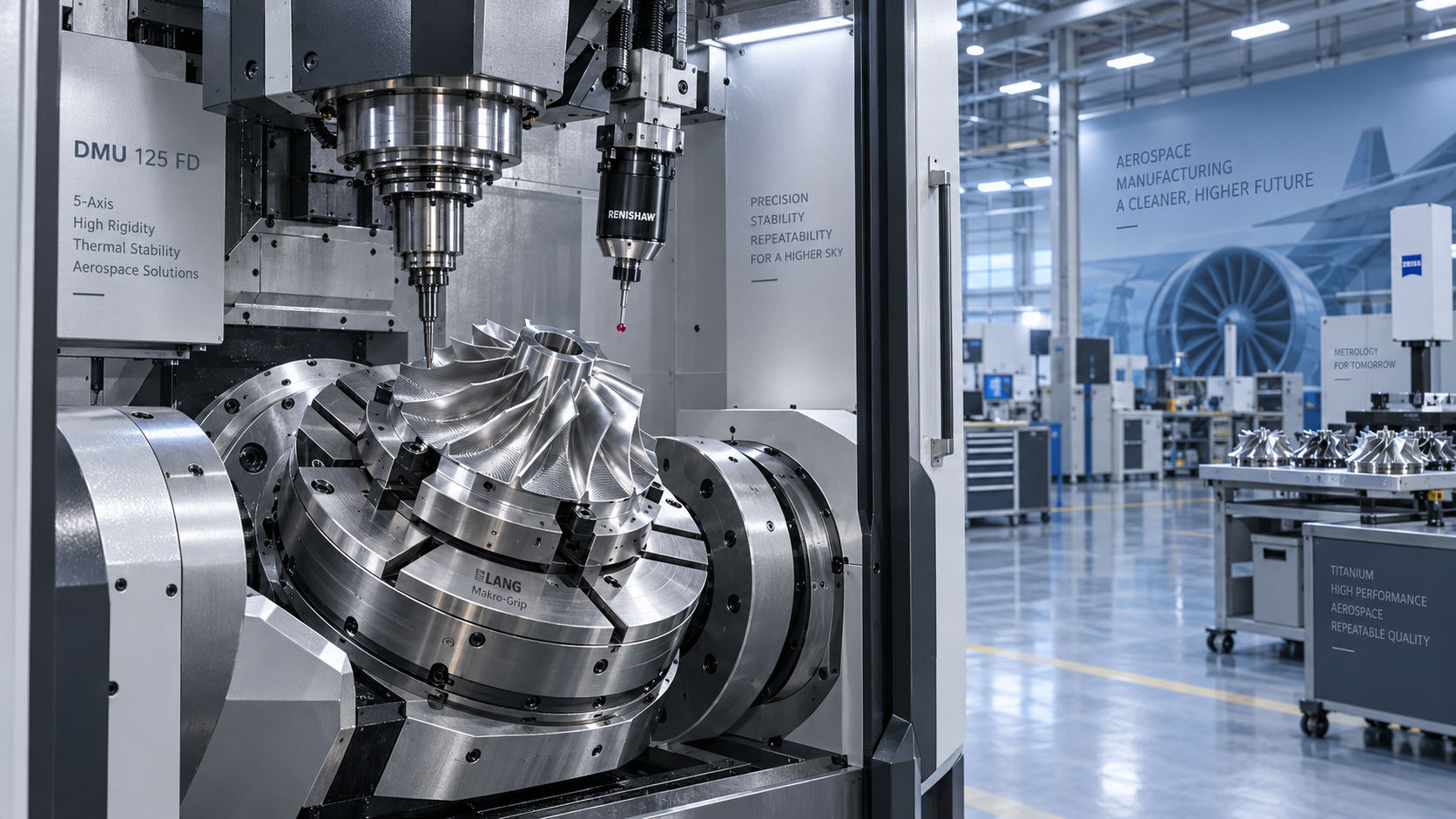
 How to Select a Machine Tool for Aerospace Parts with Tight Tolerances?Machine Tool Industry Editorial Team
 How to Select CNC Equipment for High-Mix, Low-Volume ProductionCNC Machining Technology Center
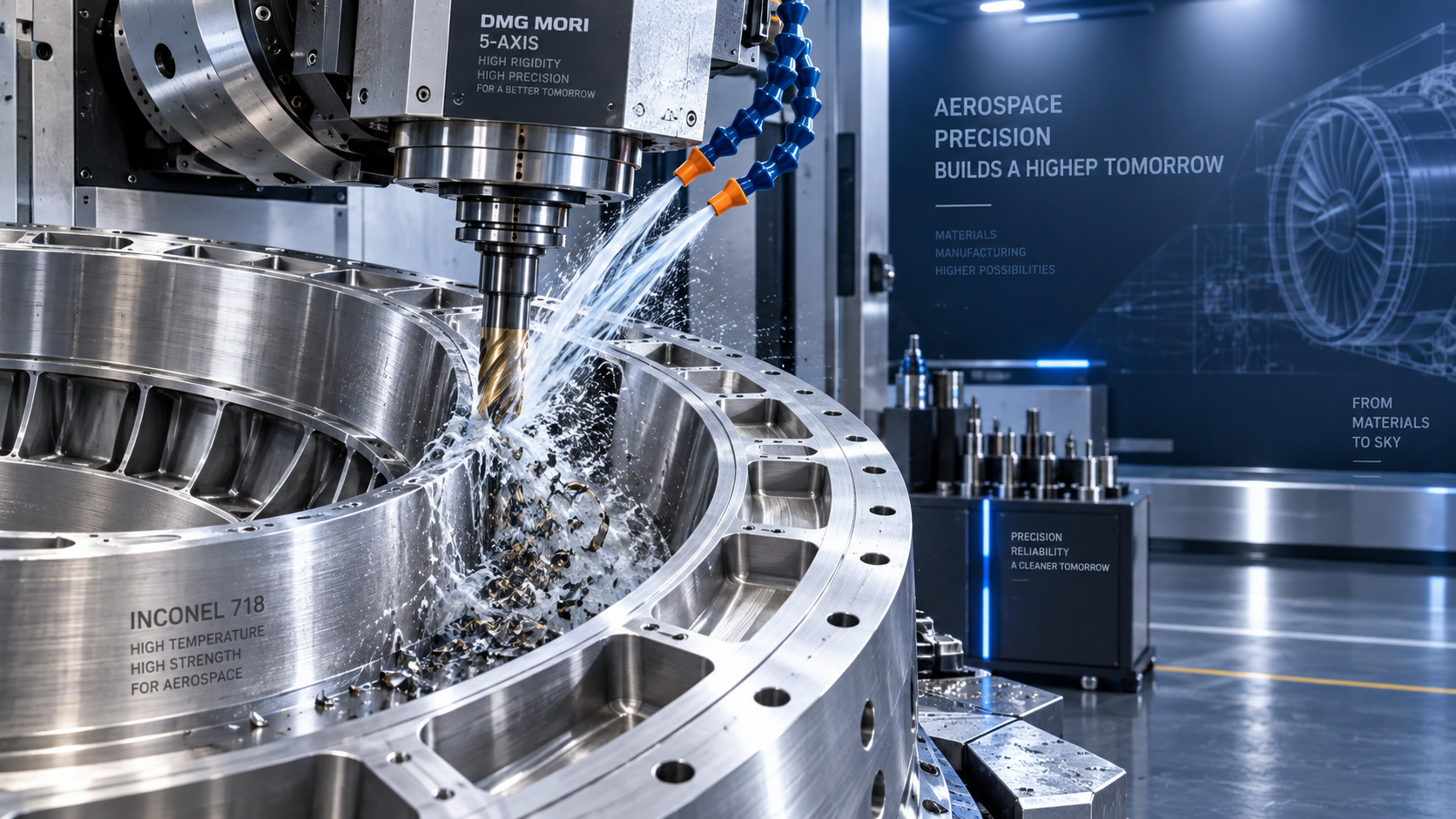
 Can CNC Machining Inconel Control Tool Wear in High-Temperature Aerospace Parts?CNC Machining Technology Center
 Machine Tool Market Outlook: Demand Drivers, Capacity Shifts, and Investment RisksManufacturing Market Research Center
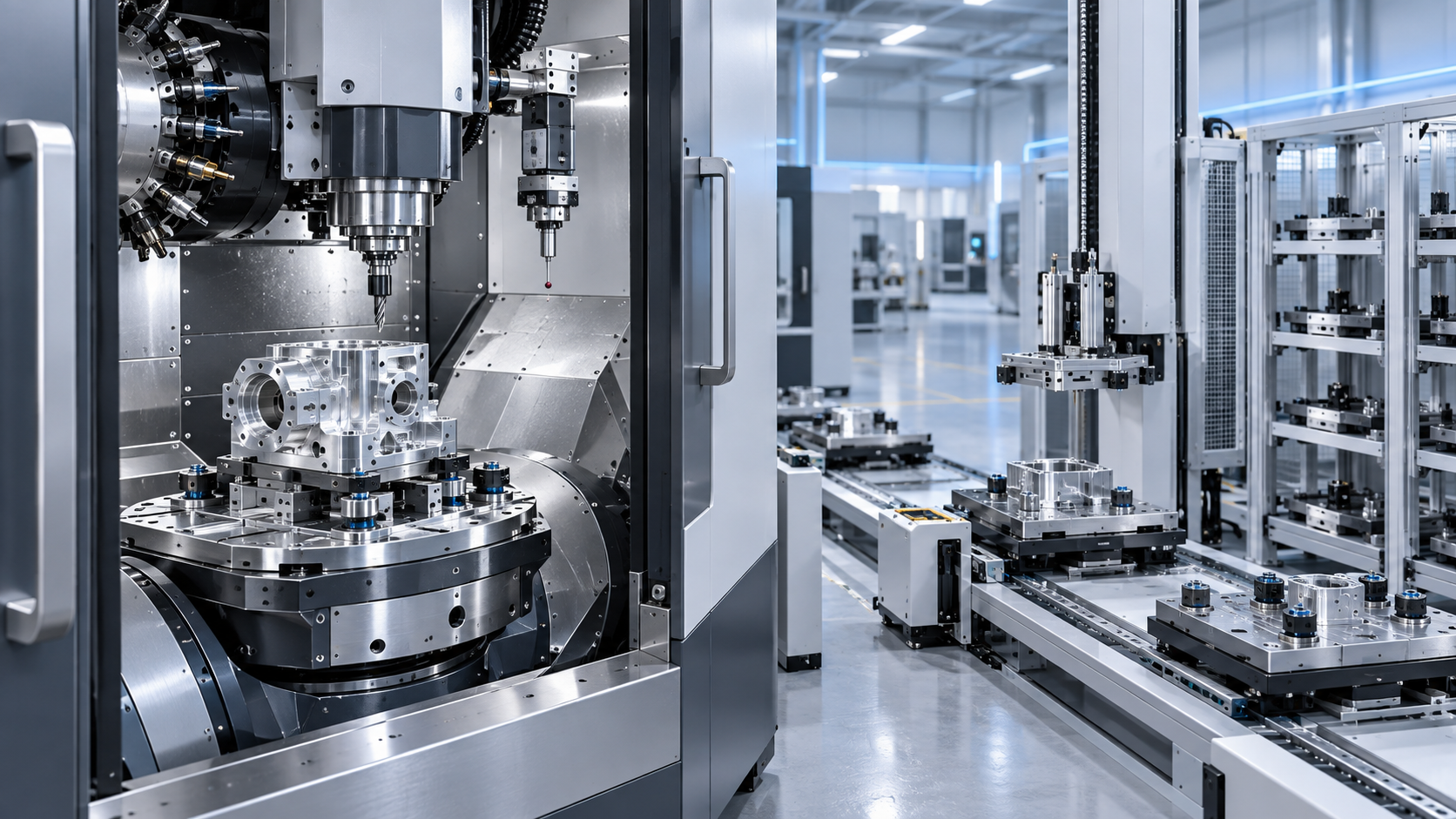
 Zero-Point Clamping or Modular Fixtures? Choosing a Faster CNC Changeover SystemCNC Machining Technology Center

Aris Katos
Future of Carbide Coatings
15+ years in precision manufacturing systems. Specialized in high-speed milling and aerospace grade alloy processing.
▶
Brazil ANVISA Rule Targets Medical Mold CNC ImportsManufacturing Policy Research Center▶
BAFA Adds CNC Grinding Controls to Dual-Use ListManufacturing Policy Research Center▶
TUV Rheinland Rule Adds PL e Data Interface for CNCsManufacturing Policy Research Center▶
Germany Tightens CNC Safety Rules With AI Stop ModuleManufacturing Policy Research Center▶
China Seeks Feedback on E-Motorcycle Battery RulesManufacturing Policy Research Center
Mastering 5-Axis Workholding Strategies
Join our technical panel on Nov 15th to learn about reducing vibrations in thin-wall components.

Providing you with integrated sanding solutions
Before-sales and after-sales services
Comprehensive technical support