• Global CNC market projected to reach $128B by 2028 • New EU trade regulations for precision tooling components • Aerospace deman
NYSE: CNC +1.2%LME: STEEL -0.4%

Delta Launches NC5 CNC Series with RTCP & SIL2 Certification

Delta Launches NC5 CNC Series with RTCP & SIL2 Certification
On 2026-05-21, Delta Electronics unveiled its new NC5 series CNC system following CCMT2026 — a development with direct implications for global precision manufacturing, especially in high-regulation markets such as the EU and North America. The timing coincides with tightening functional safety requirements under the Machinery Regulation (EU) 2023/1230 and growing demand for certified interoperability in Industry 4.0 deployments. This release signals a shift toward embedded safety-by-design and vendor-agnostic integration — not merely incremental upgrades.
Event Overview
Delta launched the NC5 series CNC system on 2026-05-21 after CCMT2026. Key verified features include Real-Time Cutter Compensation (RTCP) for true five-axis simultaneous machining, nanometer-level interpolation accuracy, and AI-driven automatic optimization of cutting parameters. The system has obtained IEC 61508 SIL2 functional safety certification from TÜV Rheinland. It has also passed OPC UA interoperability testing with Siemens Desigo CC and Rockwell Automation FactoryTalk. For European customers, Delta opened a dedicated ‘Certification Package Download Portal’, providing the TÜV certificate, OPC UA interface specifications, and localized technical support contact information.
Industries Affected
Direct Trading Enterprises
Trading firms specializing in CNC systems or machine tool exports to the EU face revised compliance expectations: SIL2 certification is now a de facto requirement for CE marking under Annex I of the new Machinery Regulation. These enterprises must verify documentation traceability (e.g., whether certificates cover full system configuration, not just controller modules) and confirm that their reseller agreements include liability clauses covering functional safety responsibilities. Failure to do so may delay customs clearance or trigger post-market audits.
Raw Material Procurement Enterprises
Procurement organizations sourcing high-precision components (e.g., aerospace-grade castings, turbine blades) increasingly require suppliers to demonstrate validated process repeatability. The NC5’s nanoscale interpolation and RTCP stability enable tighter geometric tolerances — meaning procurement specs may evolve from ‘±5 µm’ to ‘statistical process control (SPC)-verified ±2 µm over 100 consecutive parts’. This raises verification burdens: buyers may request access to machine calibration logs or real-time monitoring data during supplier qualification.
Manufacturing Enterprises (OEMs & Job Shops)
OEMs producing complex metal parts — particularly in medical device, energy, and defense sectors — are directly impacted by the NC5’s dual capability: RTCP enables single-setup machining of contoured surfaces previously requiring multiple fixtures, while SIL2 certification reduces validation effort for safety-related motion control functions. However, adoption requires retraining operators on AI-assisted parameter tuning and updating internal change-control procedures to reflect software-based safety logic — an area where many mid-sized manufacturers lack formalized processes.
Supply Chain Service Providers
Third-party integration partners, commissioning engineers, and after-sales service providers must now accommodate two new requirements: (1) validating OPC UA data models against both Siemens and Rockwell ecosystems — not just basic connectivity — and (2) maintaining documented evidence of SIL2-compliant installation practices (e.g., wiring separation, diagnostic coverage verification). This increases pre-deployment lead time and shifts service pricing toward outcome-based contracts rather than time-and-materials billing.
Key Focus Areas & Recommended Actions
Review existing CE conformity documentation for legacy CNC integrations
Manufacturers and integrators should audit whether current declarations of conformity reference IEC 61508 (not just IEC 62061 or ISO 13849), and whether risk assessments explicitly address motion-related hazards (e.g., uncommanded axis movement during RTCP compensation). Where gaps exist, initiating a gap analysis before Q3 2026 is advisable, given notified body backlog trends.
Evaluate OPC UA implementation depth beyond ‘connectivity’
The NC5’s successful interoperability tests with Desigo CC and FactoryTalk indicate support for companion specifications (e.g., PLCopen XML, MTConnect mapping). Firms planning multi-vendor automation architectures should request Delta’s published OPC UA Information Model — specifically checking for support of Safety-Related Data Sets (IEC 62541-100) and diagnostics semantics aligned with ISA-95 Part 2.
Assess internal capability for AI-parameter governance
The AI-driven process optimization feature introduces new traceability needs: users must define acceptable deviation thresholds, retention policies for training data, and version control for algorithm updates. Companies subject to FDA 21 CFR Part 11 or EU MDR should treat these parameters as ‘software of unknown provenance’ until validated — meaning formal verification protocols are required prior to clinical or flight-critical use.
Editorial Perspective / Industry Observation
Observably, Delta’s move reflects a broader industry pivot: functional safety certification is no longer a differentiator but a baseline entry ticket for Tier 1 industrial markets. What stands out is the bundling of SIL2 with production-grade interoperability — a combination historically seen only in proprietary ecosystems (e.g., Siemens Sinumerik + Desigo). Analysis shows this lowers the barrier for machine builders to achieve ‘certified openness’, potentially accelerating consolidation among smaller CNC vendors unable to bear TÜV audit costs. From a strategic perspective, the NC5 is better understood not as a product upgrade, but as an infrastructure enabler for regulatory-compliant digital twin deployment — especially where motion control data feeds into predictive maintenance or quality analytics platforms.
Conclusion
This launch marks more than a technical milestone; it redefines minimum viable compliance for advanced CNC systems in regulated verticals. Rather than signaling immediate obsolescence for non-certified controllers, it establishes a clear inflection point: SIL2 + OPC UA conformance is now the threshold for competitive participation in EU public tenders, medical device contract manufacturing, and defense supply chains. Rational observation suggests adoption will accelerate not through mandates alone, but via customer-driven specification updates — making early engagement with Delta’s Certification Package strategically valuable for forward-looking stakeholders.
Source Attribution
- Official announcement: Delta Electronics Press Release, May 21, 2026 (CCMT2026 Post-Show Summary)
- Certification record: TÜV Rheinland Certificate No. Z1A 26 05 0001 (valid until 2031; scope covers NC5 controller hardware, firmware v2.1.x, and safety application library)
- Regulatory context: EU Machinery Regulation (EU) 2023/1230, Annex I, Section 3.1.2 (Control Systems) & Section 3.2.1 (Safety Functions)
Note: Ongoing monitoring is recommended for updates to TÜV’s interpretation of ‘SIL2 applicability to AI-assisted functions’ (expected Q4 2026 guidance) and potential alignment of IEC 61508 with upcoming IEC/ISO 55000-based asset management standards for CNC fleets.
PREVIOUS ARTICLE
Recommended for You
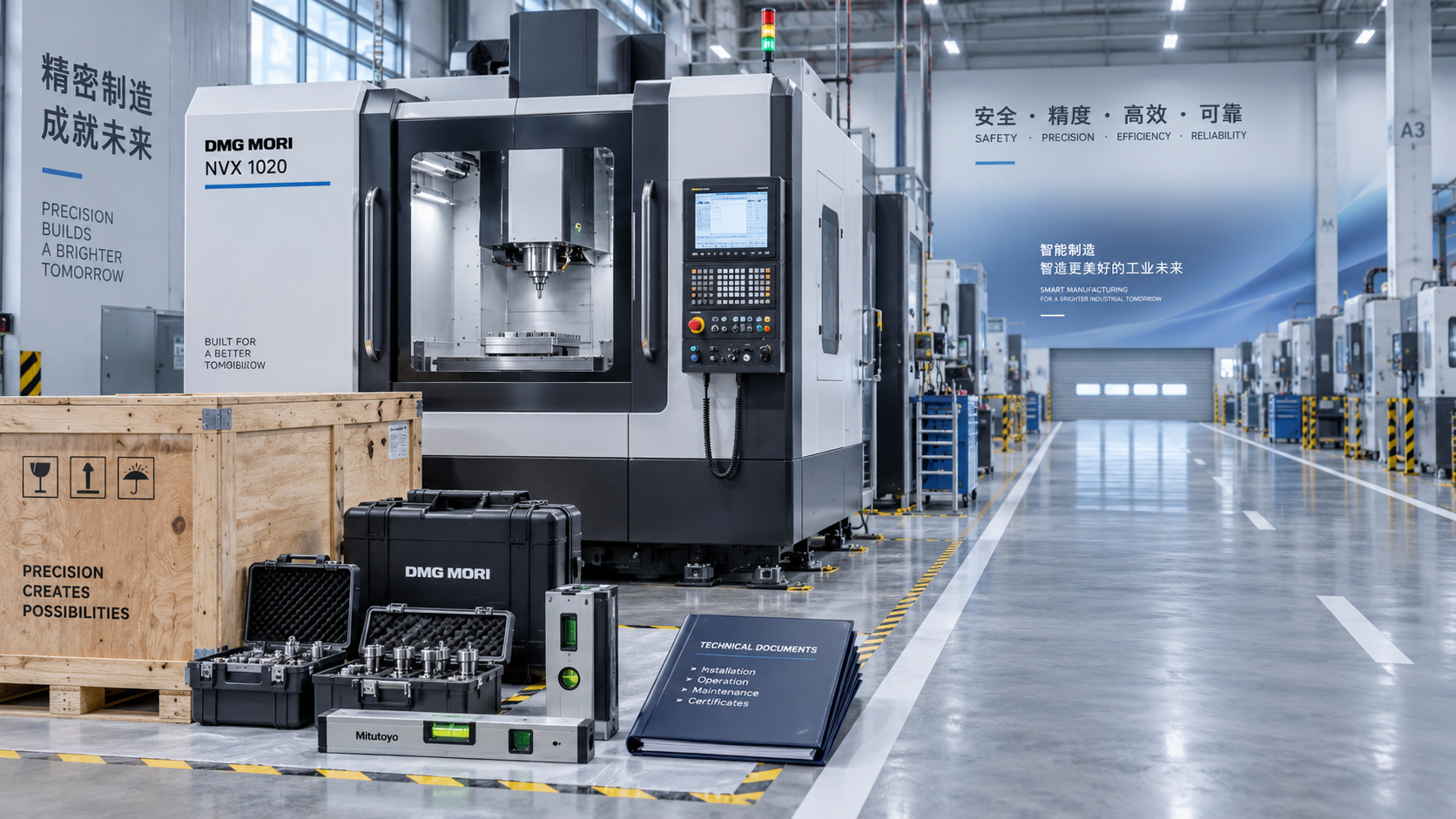
 CNC Machine Arrival Inspection: Check Shipping Damage, Accuracy, Safety, and DocumentsCNC Machining Technology Center
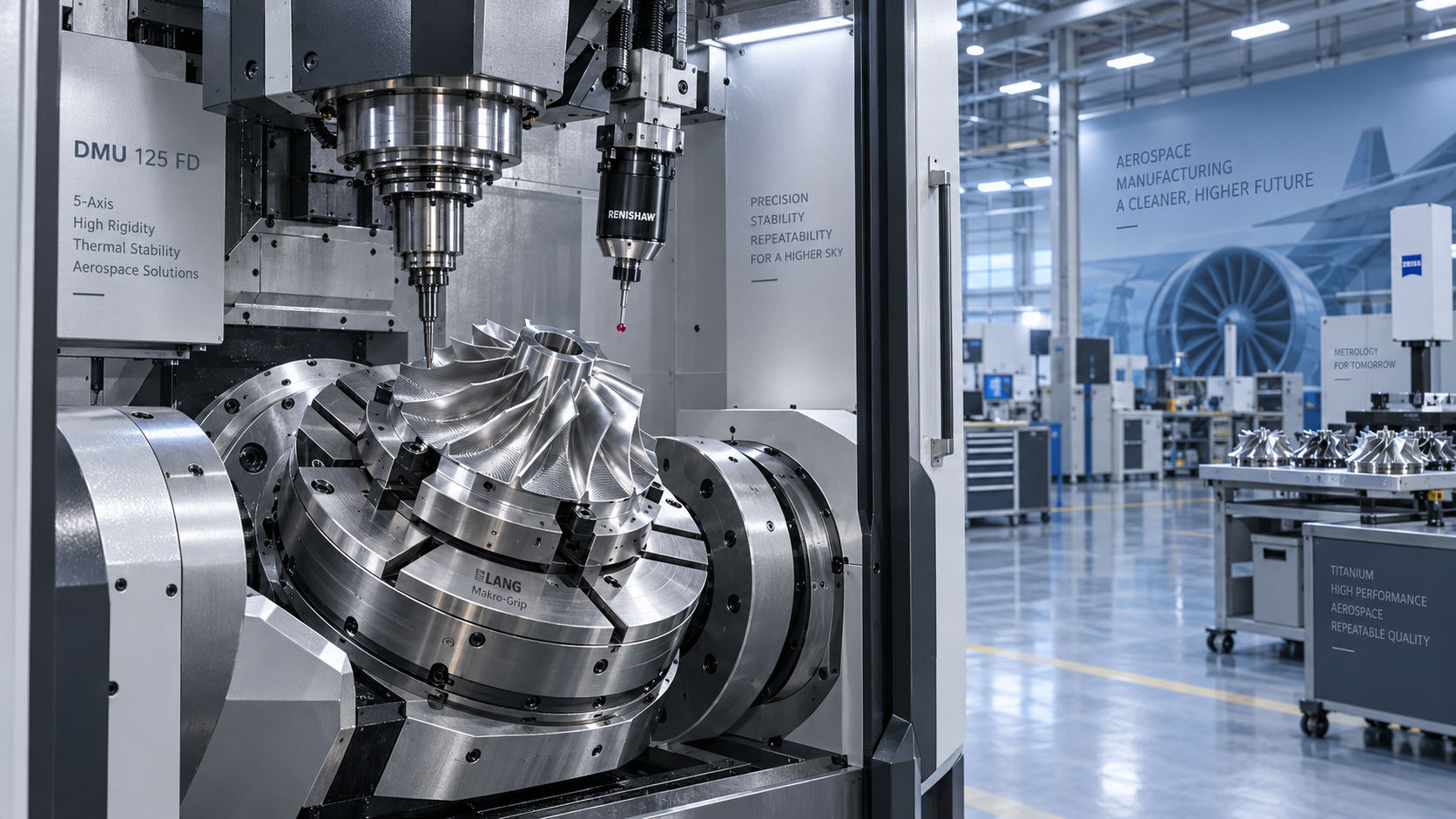
 How to Select a Machine Tool for Aerospace Parts with Tight Tolerances?Machine Tool Industry Editorial Team
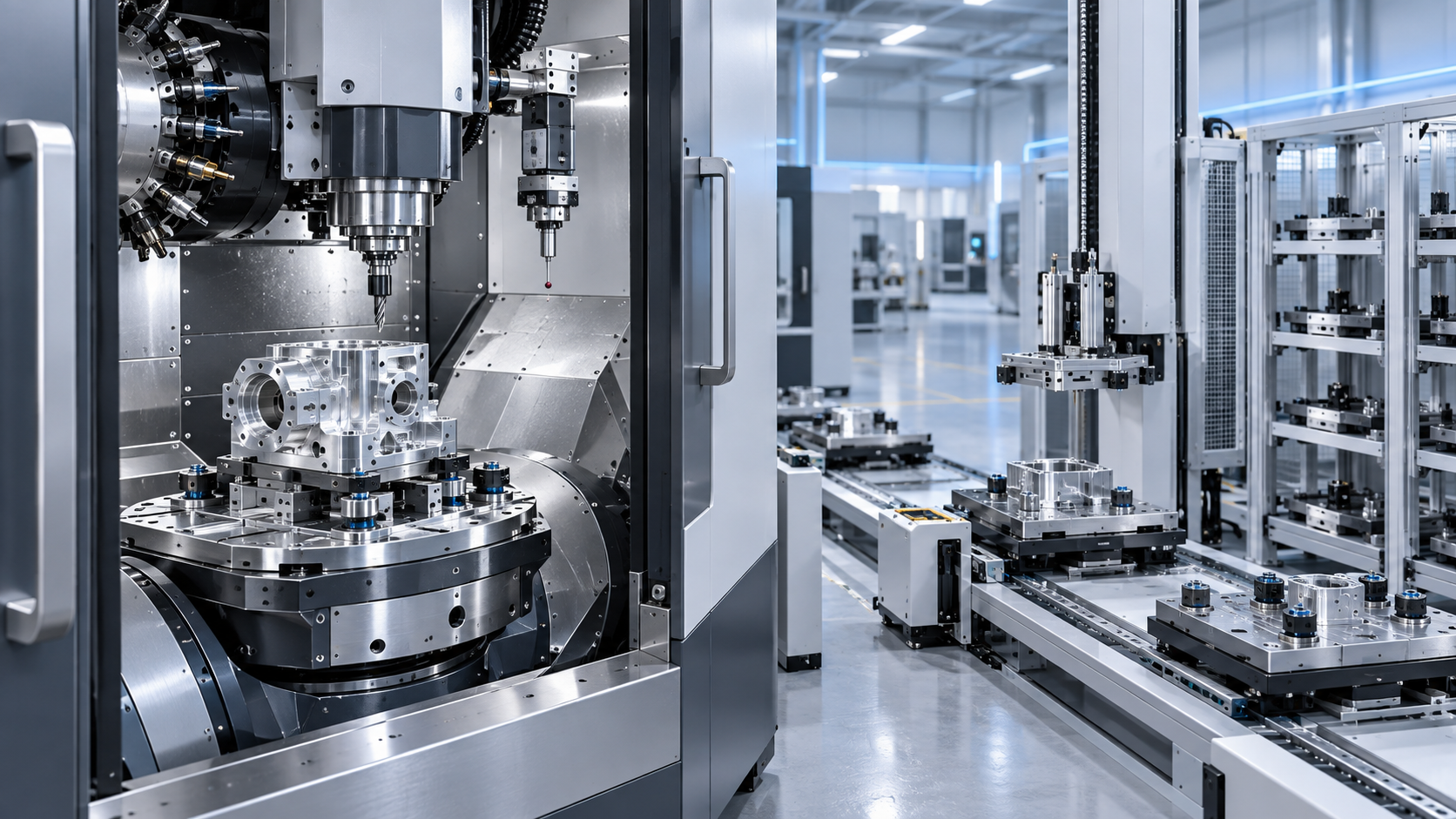
 How to Select CNC Equipment for High-Mix, Low-Volume ProductionCNC Machining Technology Center
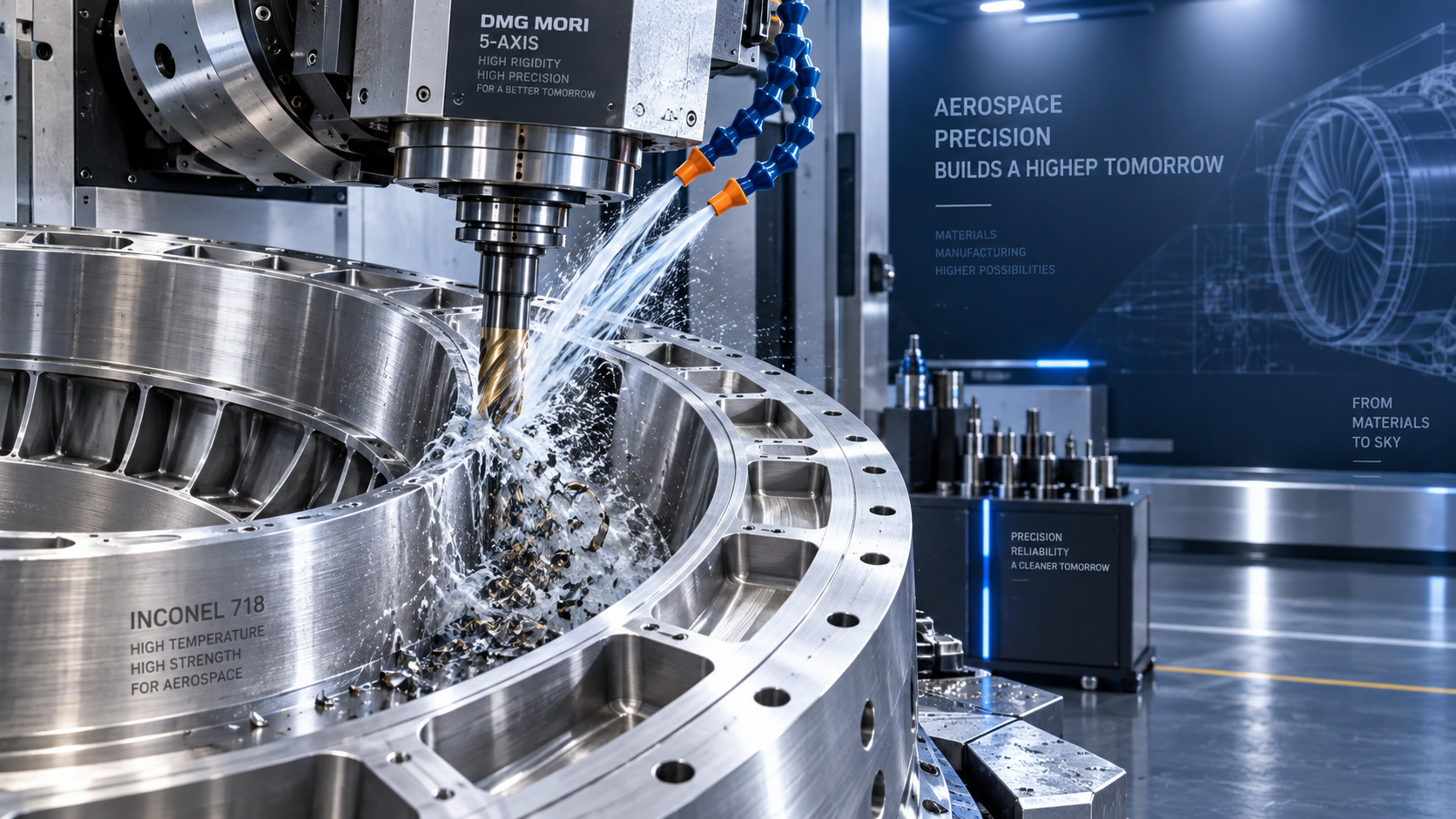
 Can CNC Machining Inconel Control Tool Wear in High-Temperature Aerospace Parts?CNC Machining Technology Center
 Machine Tool Market Outlook: Demand Drivers, Capacity Shifts, and Investment RisksManufacturing Market Research Center
 Zero-Point Clamping or Modular Fixtures? Choosing a Faster CNC Changeover SystemCNC Machining Technology Center

Aris Katos
Future of Carbide Coatings
15+ years in precision manufacturing systems. Specialized in high-speed milling and aerospace grade alloy processing.
▶
How to Select CNC Equipment for High-Mix, Low-Volume ProductionCNC Machining Technology Center▶
Can CNC Machining Inconel Control Tool Wear in High-Temperature Aerospace Parts?CNC Machining Technology Center▶
How Automated Precision Machining Maintains Tolerance in High-Mix ProductionCNC Machining Technology Center▶
CNC Programming Explained: From CAD Models to Reliable Shop-Floor ToolpathsCNC Machining Technology Center▶
How Multi-Axis Machining Produces Complex Components With Fewer SetupsCNC Machining Technology Center
Mastering 5-Axis Workholding Strategies
Join our technical panel on Nov 15th to learn about reducing vibrations in thin-wall components.

Providing you with integrated sanding solutions
Before-sales and after-sales services
Comprehensive technical support