• Global CNC market projected to reach $128B by 2028 • New EU trade regulations for precision tooling components • Aerospace deman
NYSE: CNC +1.2%LME: STEEL -0.4%

Japan's 'Machine Tool Resilience Supply Chain' Plan: NC-Link Protocol Becomes New Procurement Threshold for Chinese CNC Systems
Introduction
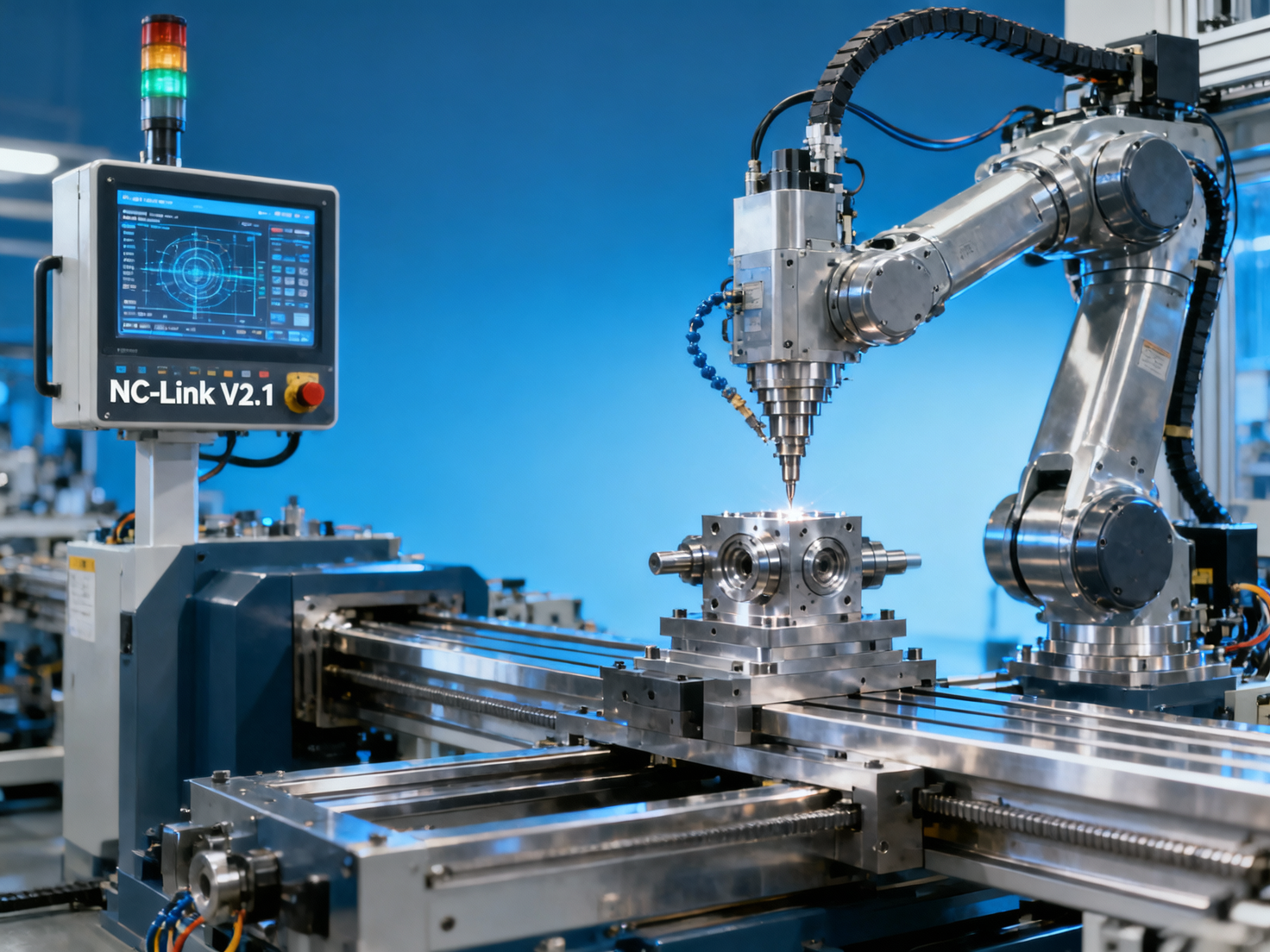
On March 27, 2026, Japan's Ministry of Economy, Trade and Industry (METI) launched the 'Manufacturing Site Data Sovereignty Enhancement' support project, prioritizing the procurement of Chinese-made CNC systems with real-time data interoperability under the NC-Link V2.1 protocol. This move, backed by subsidies of up to 30%, marks the first official endorsement of China's NC-Link standard by a major developed economy. Industries such as precision manufacturing, automation, and industrial supply chains should take note, as this policy could reshape procurement strategies and cross-border technology integration in high-end production lines.
Event Overview
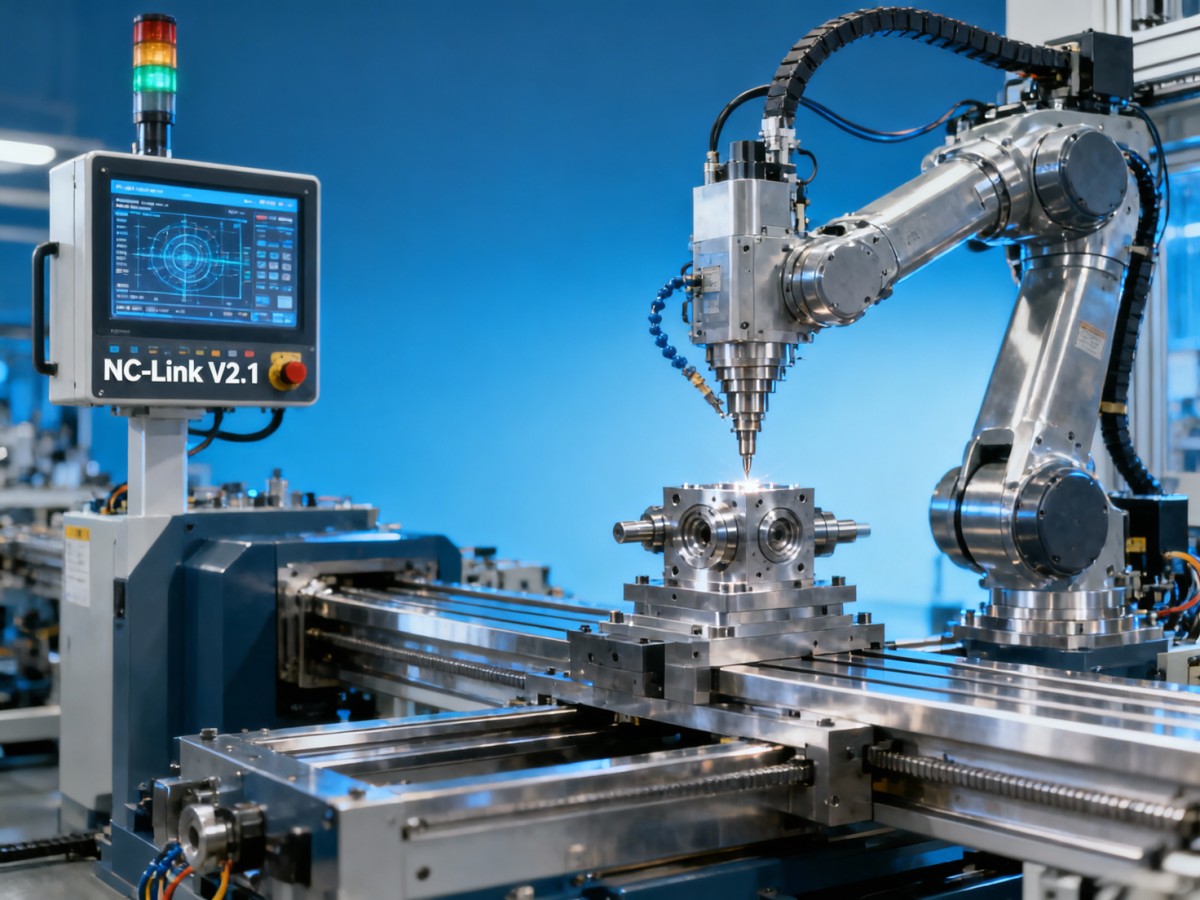
METI's announcement explicitly supports Japanese manufacturers in adopting CNC systems compliant with China's NC-Link V2.1 standard. The subsidy program aims to strengthen supply chain resilience by incentivizing real-time data exchange capabilities. This development follows years of industry debate over interoperability standards in smart manufacturing ecosystems.
Impact on Key Industries
1. CNC System Manufacturers
Chinese CNC providers with NC-Link certification gain formal access to Japan's high-precision manufacturing sector. The protocol's recognition creates immediate opportunities for system integration projects in automotive and electronics production lines.
2. Japanese Machine Tool Builders
OEMs must now evaluate existing control system partnerships against the new procurement criteria. Analysis suggests retrofit solutions for legacy equipment may emerge as a transitional market.
3. Industrial Data Service Providers
The mandate for real-time data interoperability elevates the role of middleware developers. From an industry perspective, this could accelerate adoption of predictive maintenance and digital twin applications across bilateral supply chains.
Actionable Insights for Businesses
1. Certification Prioritization
Chinese suppliers should expedite NC-Link V2.1 compliance testing, particularly for five-axis machining and laser cutting applications prevalent in Japanese factories.
2. Partnership Reevaluation
Japanese manufacturers may need to audit current CNC suppliers' roadmap for protocol compatibility. Early engagement with certified partners could secure subsidy eligibility.
3. Data Infrastructure Assessment
From an operational standpoint, enterprises should verify shop floor network readiness for NC-Link's OPC UA-based architecture before integration.
Editorial Perspective
This policy represents more than procurement preference—it signals strategic acceptance of Chinese industrial data standards in advanced economies. While immediate volume impact may be limited to specific sectors like semiconductor equipment manufacturing, the precedent could influence standardization debates in EU and North American markets. Industry observers should monitor how this affects ongoing US-Japan semiconductor supply chain collaborations.
Conclusion
METI's decision effectively bridges Chinese automation technology with Japan's quality-driven manufacturing base. Rather than viewing this as mere trade policy, the industry should recognize it as validation of China's growing influence in industrial IoT architecture. The true significance lies in the potential for NC-Link to become a de facto Asian regional standard for smart factory interoperability.
Sources
- Ministry of Economy, Trade and Industry (METI) official release, March 27, 2026
- NC-Link Protocol Technical Specifications v2.1
- Japan Machine Tool Builders' Association statement (pending further details)
Recommended for You
![]() China Releases First Eastern Sea Seabed Elemental MapGlobal Machine Tool Trade Research Center
China Releases First Eastern Sea Seabed Elemental MapGlobal Machine Tool Trade Research Center![]() AIMM National Standard Advances for CNC Smart Factory CertificationManufacturing Policy Research Center
AIMM National Standard Advances for CNC Smart Factory CertificationManufacturing Policy Research Center![]() eVTOL Mass Production Drives CNC Export GrowthGlobal Machine Tool Trade Research Center
eVTOL Mass Production Drives CNC Export GrowthGlobal Machine Tool Trade Research Center![]() China Launches World's Largest Agri-Meteorological Observation NetworkManufacturing Market Research Center
China Launches World's Largest Agri-Meteorological Observation NetworkManufacturing Market Research Center![]() Robotics ToB Scaling Hits Data Bottleneck in CNC AI InspectionCNC Machining Technology Center
Robotics ToB Scaling Hits Data Bottleneck in CNC AI InspectionCNC Machining Technology Center![]() SAMR to Complete 1,800+ Standards Revisions in 2026Manufacturing Policy Research Center
SAMR to Complete 1,800+ Standards Revisions in 2026Manufacturing Policy Research Center


Aris Katos
Future of Carbide Coatings
15+ years in precision manufacturing systems. Specialized in high-speed milling and aerospace grade alloy processing.
▶
How Global Procurement Trends Are Changing CNC SupplyGlobal Machine Tool Trade Research Center▶
Taobao Factory Xinghuo 3.0 AI Workbench Launches for CNC Parts ExportersGlobal Machine Tool Trade Research Center▶
How to Judge a Precision Disc Parts Manufacturer in ChinaGlobal Machine Tool Trade Research Center▶
Machine tool distributor: How lead times shift when global inventory visibility is missingGlobal Machine Tool Trade Research Center▶
CNC metalworking orders are shifting from volume to precisionGlobal Machine Tool Trade Research Center
Mastering 5-Axis Workholding Strategies
Join our technical panel on Nov 15th to learn about reducing vibrations in thin-wall components.

Providing you with integrated sanding solutions
Before-sales and after-sales services
Comprehensive technical support