• Global CNC market projected to reach $128B by 2028 • New EU trade regulations for precision tooling components • Aerospace deman
NYSE: CNC +1.2%LME: STEEL -0.4%

CNC metalworking orders are shifting from volume to precision
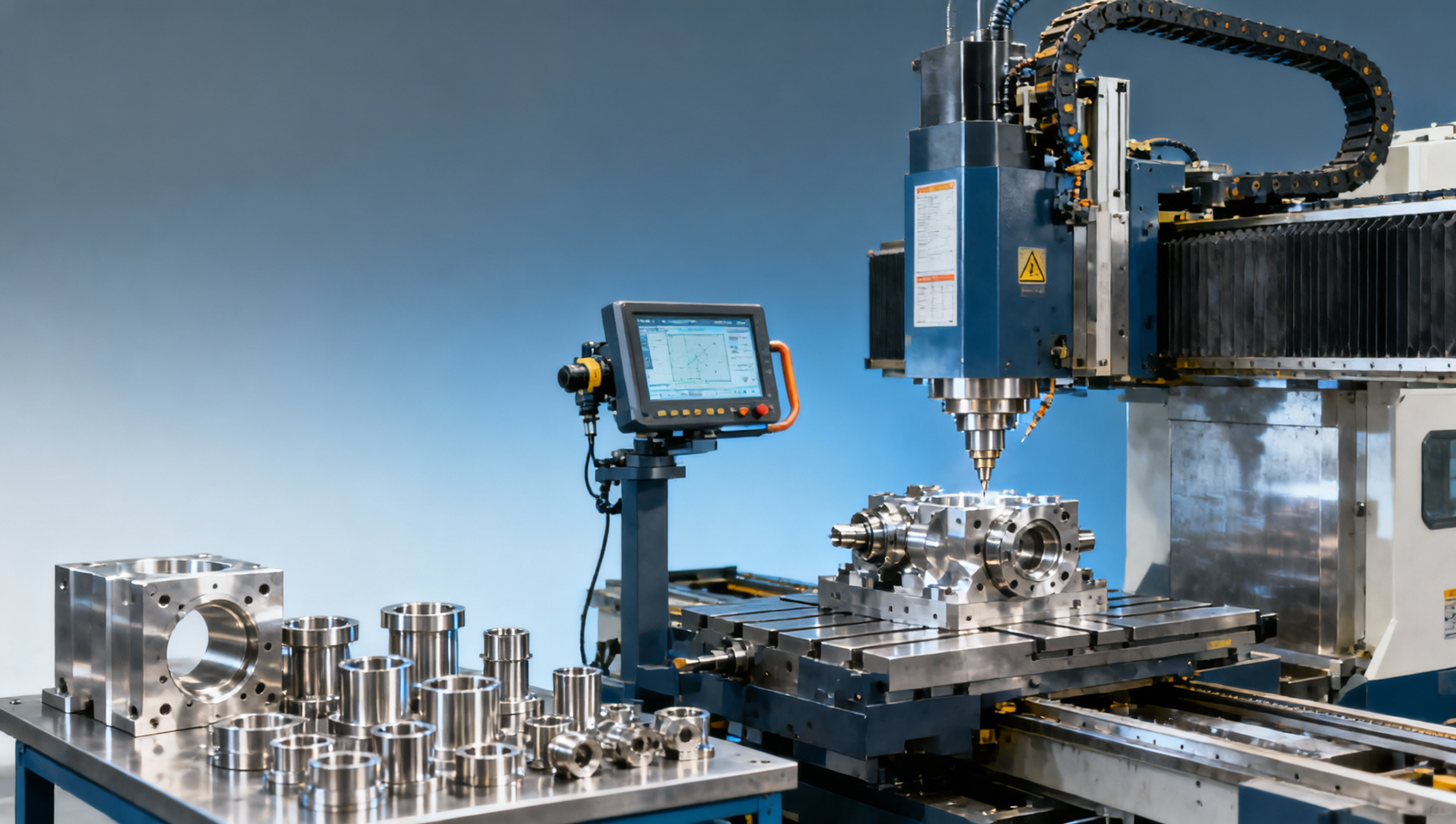
As Global Manufacturing shifts from high-volume output to tighter tolerances, CNC metalworking is entering a new phase driven by industrial CNC, CNC milling, and smarter automated production. For buyers, operators, and decision-makers across the Manufacturing Industry, understanding how precision, CNC cutting efficiency, and Industrial Automation reshape the Machine Tool Market is now essential to staying competitive.
This transition is not a temporary purchasing trend. It reflects a deeper change in how manufacturers evaluate capacity, profitability, and supply chain resilience. In many sectors, the key question is no longer how many parts a shop can produce in one shift, but whether it can repeatedly hold tolerances such as ±0.01 mm, shorten setup time by 20% to 40%, and deliver mixed-part orders without excessive scrap.
For research-oriented readers, operators, procurement teams, and business leaders, precision-focused CNC metalworking affects quoting logic, machine selection, tooling strategy, staffing, and customer retention. The market now rewards suppliers that combine stable process control, flexible automation, and digital production visibility rather than those built only for large repetitive batches.
Why CNC metalworking orders are moving toward precision-first production
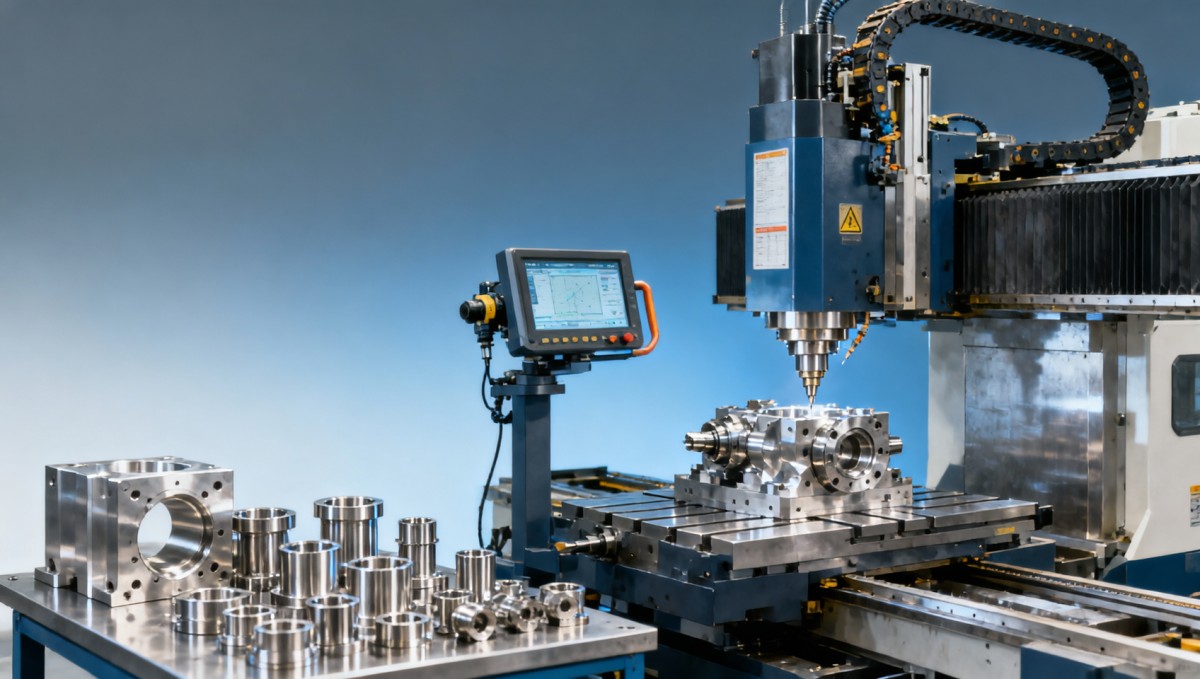
Across automotive, aerospace, electronics, medical components, and energy equipment, part designs are becoming more complex while lot sizes are becoming smaller. A supplier that once produced 50,000 identical parts may now receive 5 variants in batches of 500 to 3,000 units each. This shift changes the economics of CNC machining. Precision, repeatability, and changeover speed become more valuable than raw spindle hours alone.
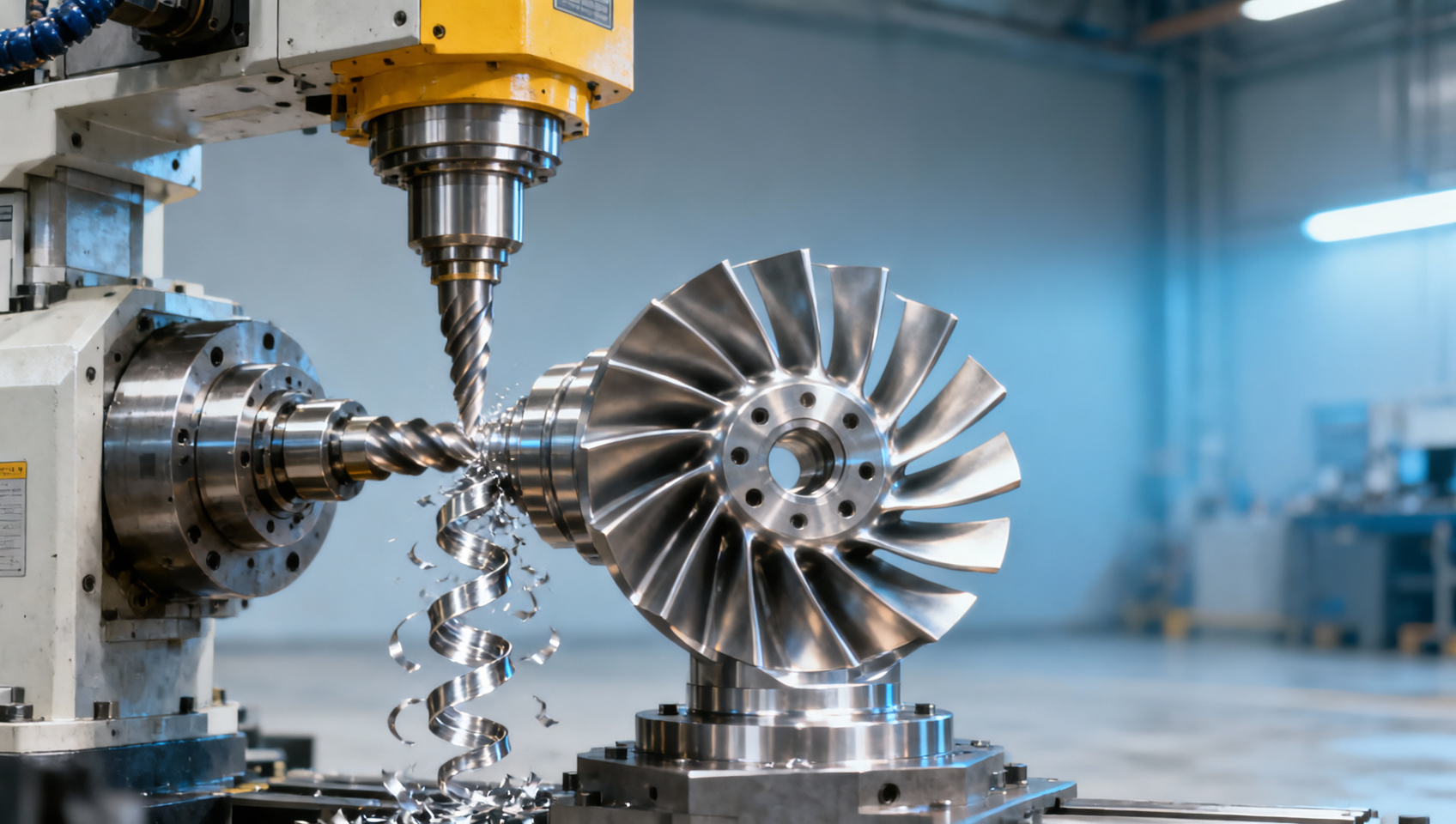
Another driver is product integration. Components that were previously assembled from 3 to 6 simple pieces are increasingly redesigned as 1 or 2 high-precision parts to reduce assembly time, weight, and failure points. That raises the need for multi-axis machining, tighter fixture control, and better in-process measurement. In practical terms, buyers care less about nominal machine size and more about whether the full process chain can hold geometric consistency over repeated runs.
Rising labor costs and quality claims also reinforce the move toward precision. A shop producing high-volume but low-margin work may absorb scrap rates of 2% to 4%. In precision machining, even a 1% scrap rate can significantly reduce profitability because part value, material cost, and inspection cost are much higher. This is why machine tool investment is now closely tied to process capability rather than output volume alone.
Digital manufacturing systems add a further layer of pressure. Customers increasingly expect documented traceability, tool life records, machine condition monitoring, and first-article validation. Precision is no longer measured only at the finished part. It is measured across the entire production process, from programming and setup to inspection and delivery.
Key market forces behind the change
- More low-to-medium volume orders, often between 100 and 5,000 pieces per SKU.
- Tighter tolerance requirements, commonly from ±0.05 mm down to ±0.01 mm or better on critical features.
- Faster delivery expectations, with many buyers targeting 2 to 4 weeks instead of 6 to 8 weeks.
- Broader material range, including stainless steel, aluminum alloys, titanium, and hardened steels.
- More demand for traceability, inspection reports, and process consistency across multiple batches.
For machine tool suppliers and contract manufacturers, this means capacity planning must be redefined. Idle time, setup time, inspection throughput, and software capability are now central to commercial performance. Shops that do not adapt often face margin compression even when order volume appears healthy.
What precision-focused CNC buyers and operators should evaluate first
When procurement teams compare CNC lathes, machining centers, or multi-axis systems, they often begin with spindle speed, travel range, or unit price. Those factors matter, but they rarely determine success in precision metalworking by themselves. A more reliable approach is to evaluate the full production environment: machine rigidity, thermal stability, control system usability, fixture repeatability, measurement capability, and service response time.
Operators look at the same problem from a different angle. They need machines that maintain stable performance during 8 to 16 hours of continuous work, support predictable tool compensation, and reduce manual intervention. If a machine delivers excellent cutting results for 30 minutes but drifts after thermal buildup, it may not be suitable for precision orders with strict batch repeatability.
Decision-makers should also distinguish between advertised machine accuracy and practical process capability. A machine may quote positioning precision under ideal conditions, yet real factory performance depends on floor vibration, coolant temperature control, fixture design, and programming discipline. In many plants, process stability matters more than headline specifications.
The table below outlines common evaluation points for different buyer groups in the machine tool market.
A common takeaway is that the most suitable CNC solution is rarely the cheapest machine or the most advanced machine in isolation. It is the system that aligns best with production mix, tolerance requirements, and staffing capability. In precision work, compatibility between machine, tooling, software, and people is often the real source of performance.
Four practical selection standards
- Confirm the tolerance band for critical features, not just the average part requirement.
- Check whether batch sizes are stable or mixed, because this affects automation value.
- Review the supplier’s service commitment, especially response within 24 to 72 hours.
- Assess metrology readiness, including probes, gauges, and final inspection workflow.
A frequent purchasing mistake
Many companies still buy based on maximum output assumptions. They size equipment for peak volume but ignore the fact that 60% to 80% of current orders may involve shorter runs, more setups, and tighter quality control. This mismatch creates underused capacity and weak return on investment.
How automation and digital integration support high-precision orders
Precision manufacturing does not mean slower manufacturing. In many cases, industrial automation improves both accuracy and throughput by reducing variation between shifts, operators, and setups. Robotic loading, pallet systems, tool monitoring, and in-machine probing help shops maintain stable conditions across longer production windows, including unattended operation for 2 to 6 hours where process risk is well controlled.
For CNC milling and turning operations, automation becomes especially valuable when parts require multiple faces, strict datum control, or consistent offset management. A machine with automated tool measurement can reduce setup corrections and identify worn tools before they affect dimensions. This is not only a productivity improvement. It is also a quality control measure that protects high-value workpieces.
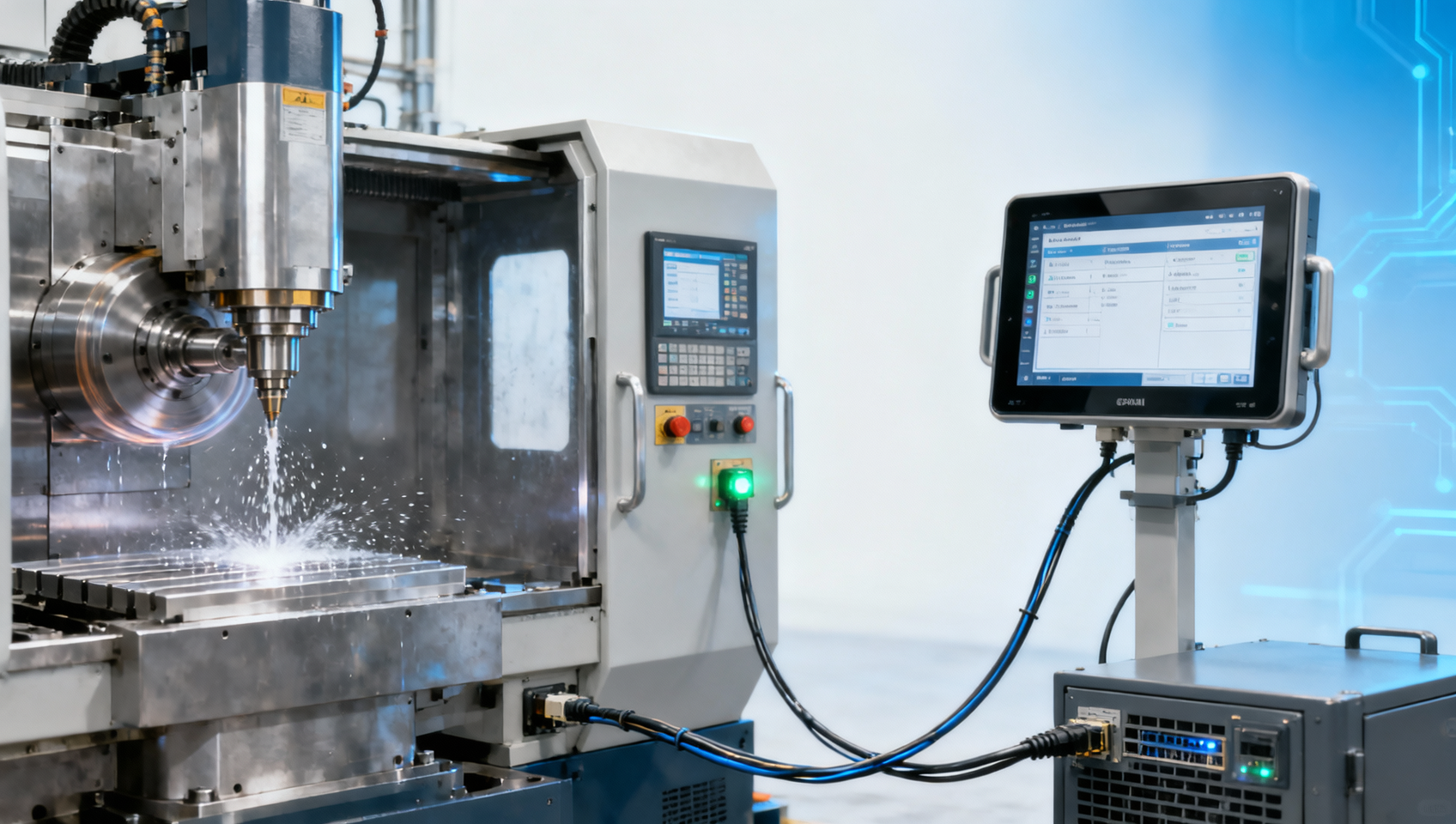
Digital integration adds another layer. Manufacturing execution systems, machine monitoring dashboards, and inspection data links allow production teams to compare actual cycle time against quoted time, track spindle utilization, and flag variation trends before they become defects. Shops that monitor tool life and process alarms often respond faster than those relying purely on manual records.
The following comparison shows how traditional volume-oriented setups differ from precision-oriented automated cells in everyday manufacturing.
The key conclusion is that automation should be matched to order structure. A fully automated line is not always necessary, but targeted automation in loading, probing, inspection, and tool management often delivers measurable gains. In many environments, reducing rework by even 1% to 2% can justify automation faster than a simple labor-saving calculation would suggest.
Where automation creates the most value
- Short-run, high-mix production where frequent setup changes reduce available cutting time.
- Multi-shift factories that need stable quality over 16 to 24 operating hours.
- Complex parts that require in-process checks to avoid expensive final-stage rejection.
- Plants facing skilled labor shortages and high operator turnover.
Implementation, delivery, and risk control in precision CNC projects
A precision-oriented CNC investment succeeds when implementation is treated as a production project, not just an equipment purchase. That means defining part families, acceptance criteria, training scope, tooling strategy, and maintenance responsibility before installation begins. For many companies, the most preventable delays happen after the machine arrives, when process details are still undecided.
A typical delivery timeline for a CNC machine tool project may range from 8 to 20 weeks depending on machine complexity, control configuration, automation accessories, and cross-border shipping. Installation and commissioning often add another 3 to 10 days, while stable mass production may require 2 to 6 weeks of process tuning. Buyers should plan for this full ramp-up period instead of assuming immediate full-capacity output.
Risk control should focus on three levels: machine condition, process capability, and operating discipline. A machine can pass factory acceptance but still underperform if shop-floor foundations, air supply, coolant management, or operator training are inadequate. Precision machining is sensitive to cumulative error. Small issues in environment or workflow can compound into measurable deviation.
The implementation framework below helps buyers reduce startup risk and improve delivery predictability.
The strongest implementation lesson is simple: precision performance is built through preparation. Even advanced CNC machine tools need standardized operating routines, regular calibration, and trained staff. Shops that formalize these controls usually reach stable output faster and face fewer quality disputes after delivery.
Common risk areas to monitor
1. Underestimating environmental influence
Temperature swings of 5°C to 8°C across a shift can affect precision work, especially on long parts or critical bores. Stable coolant and ambient control matter more than many buyers expect.
2. Weak training after installation
A 2-day handover may be enough for basic machine operation, but precision processes often require 1 to 3 weeks of practical optimization in programming, tooling, clamping, and inspection.
3. Incomplete maintenance planning
Skipping lubrication checks, spindle warm-up, or probe calibration can degrade consistency long before visible failure appears. Preventive maintenance should be scheduled daily, weekly, and monthly.
FAQ: practical questions on precision CNC sourcing and operations
How do I know whether my orders justify a precision-focused CNC upgrade?
A good trigger point is when at least 30% to 40% of your revenue comes from parts with tighter tolerances, multiple setups, or high inspection requirements. Other indicators include recurring rework, unstable cycle times, customer requests for traceability, and frequent engineering changes that make rigid high-volume lines less efficient.
What delivery time should buyers realistically expect for CNC machine tools?
For standard configurations, a typical range is 8 to 16 weeks. More complex systems with automation, probing, or multi-axis capability may require 12 to 20 weeks. Buyers should also add time for site preparation, commissioning, operator training, and first-article approval before full production planning.
Which metrics matter most in precision CNC cutting efficiency?
Cycle time is important, but it should be considered alongside setup time, scrap rate, tool life, and dimensional stability over a batch. A process that saves 8% on cutting time but doubles rework is not efficient in a precision environment. Many successful shops track at least 5 core indicators: cycle time, setup time, scrap, tool consumption, and machine uptime.
What should procurement teams ask suppliers before purchase?
They should ask for acceptance conditions, service response time, spare parts support, recommended maintenance intervals, compatible tooling ranges, and the expected ramp-up process. It is also useful to confirm whether remote diagnostics, training packages, and inspection integration are available, especially for factories planning industrial automation expansion.
CNC metalworking is no longer defined mainly by output volume. The market is increasingly shaped by precision capability, flexible automation, stable process control, and the ability to deliver complex parts with reliable consistency. For operators, this means better tools and more disciplined workflows. For procurement teams, it means evaluating total production capability rather than machine price alone. For decision-makers, it means investing where precision creates durable commercial value.
If your business is reviewing CNC milling, turning, automation upgrades, or broader machine tool investment strategy, now is the time to align equipment choices with real order structure and future manufacturing demands. Contact us to discuss your application, get a tailored solution, and explore more precision manufacturing options for your production goals.
Recommended for You
 Heavy-duty Machining Center for mold making: Why coolant filtration standards evolve faster than OEM manualsMachine Tool Industry Editorial Team
 Quick-change Fixture Design for CNC turning: Why clamping force consistency drops after 200 cyclesCNC Machining Technology Center
 5 Axis Machining for impeller manufacturing: Why toolpath smoothing affects surface fatigue lifeCNC Machining Technology Center
 Lean Production Process implementation: Where value stream mapping fails to expose hidden machine downtimeManufacturing Market Research Center
 Modular Tooling System for flexible manufacturing: Why interface repeatability degrades faster than expectedMachine Tool Industry Editorial Team
 Industrial Automation control system for CNC machines: When cybersecurity updates disrupt scheduled maintenanceMachine Tool Industry Editorial Team

Aris Katos
Future of Carbide Coatings
15+ years in precision manufacturing systems. Specialized in high-speed milling and aerospace grade alloy processing.
▶
Machine tool distributor: How lead times shift when global inventory visibility is missingGlobal Machine Tool Trade Research Center▶
CNC metalworking orders are shifting from volume to precisionGlobal Machine Tool Trade Research Center▶
Xiaohongshu's Redshop Launches in June 2026: A DTC Gateway for Chinese BrandsGlobal Machine Tool Trade Research Center▶
Global Procurement Trends indicate growing preference for modular CNC cutting tool systemsGlobal Machine Tool Trade Research Center▶
CNC manufacturing supplier vetting: Why audit reports don’t reveal real process disciplineGlobal Machine Tool Trade Research Center
Mastering 5-Axis Workholding Strategies
Join our technical panel on Nov 15th to learn about reducing vibrations in thin-wall components.

Providing you with integrated sanding solutions
Before-sales and after-sales services
Comprehensive technical support