• Global CNC market projected to reach $128B by 2028 • New EU trade regulations for precision tooling components • Aerospace deman
NYSE: CNC +1.2%LME: STEEL -0.4%

How CNC Industrial Systems Improve Shop Efficiency
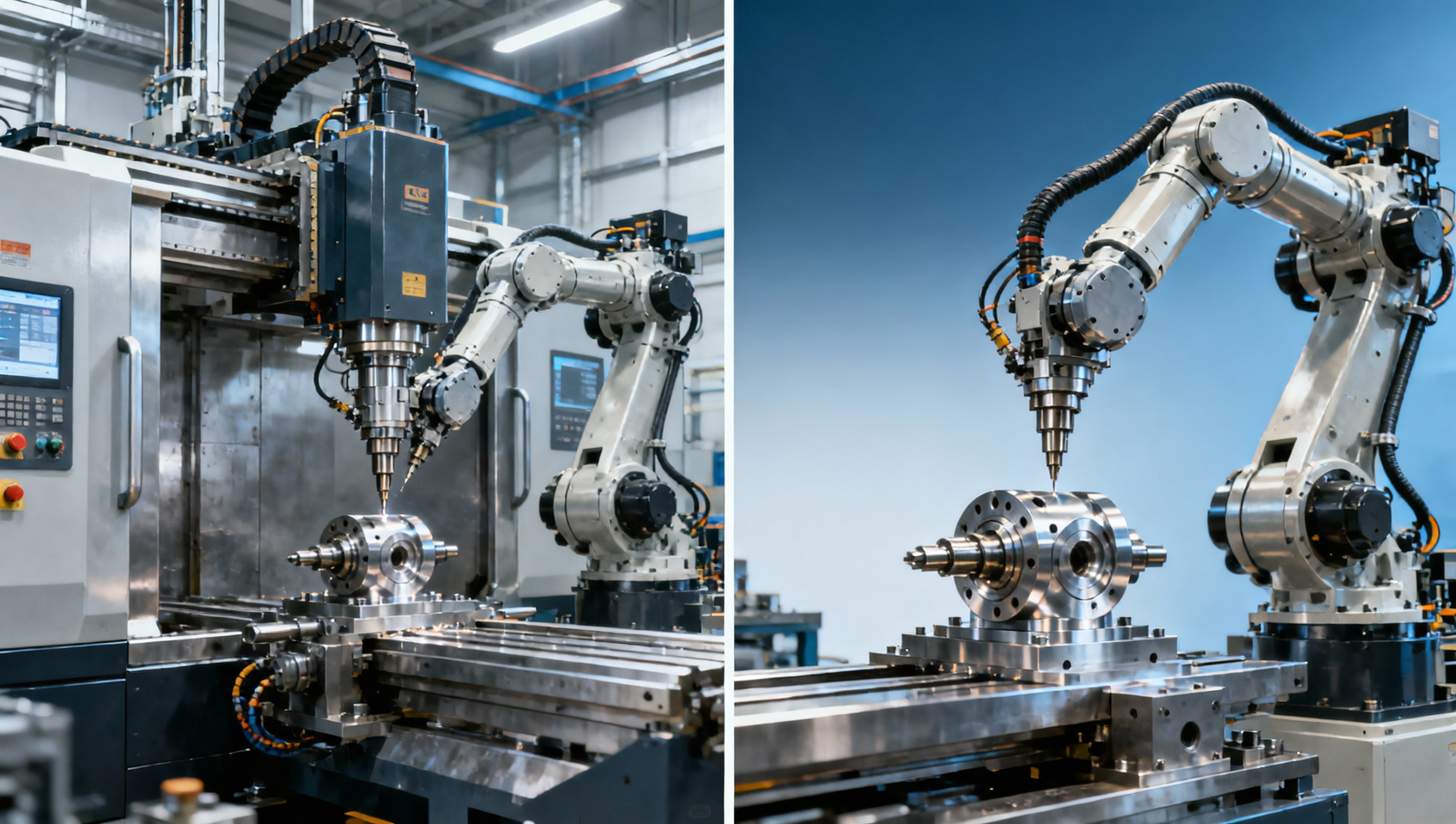
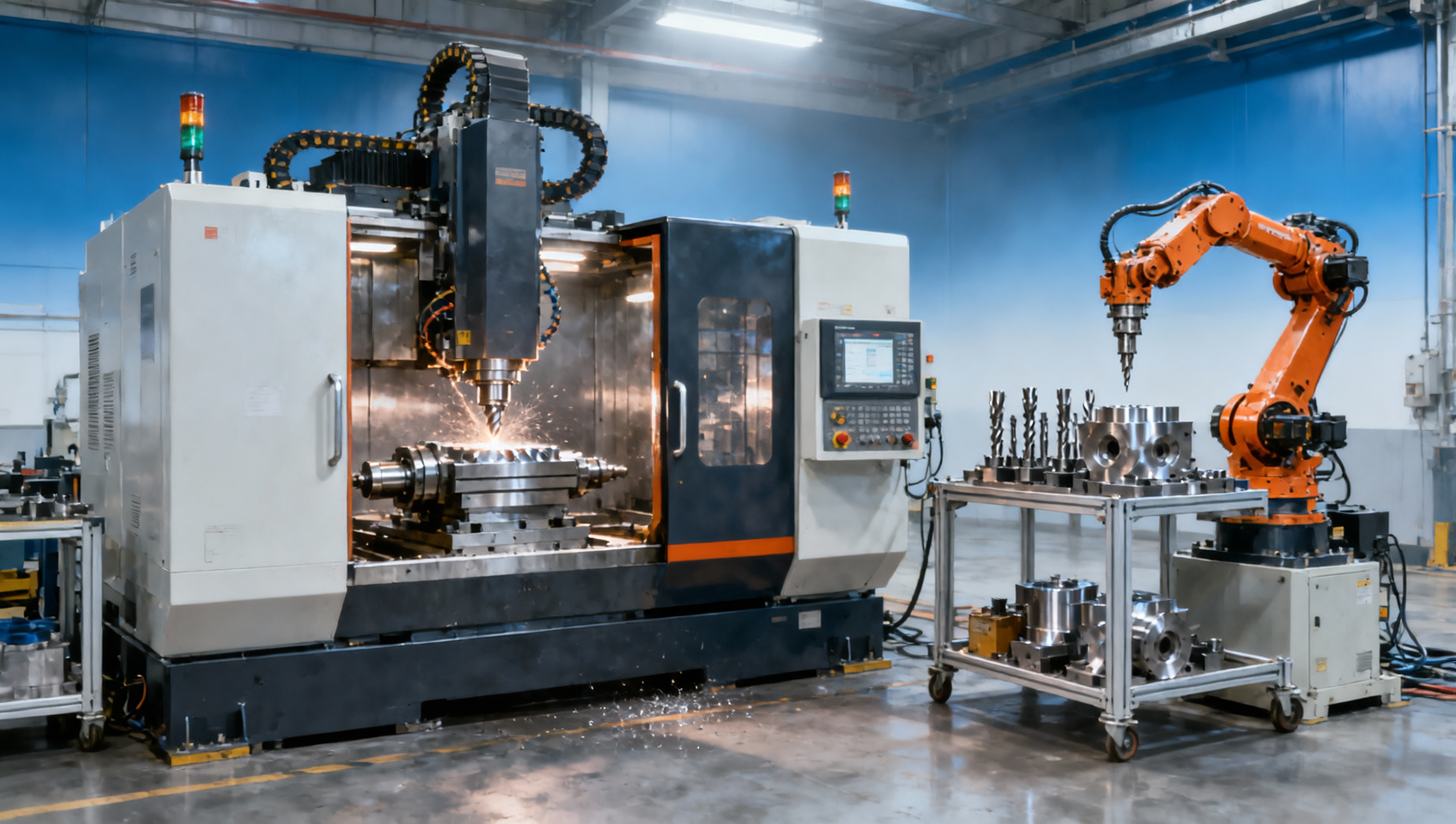
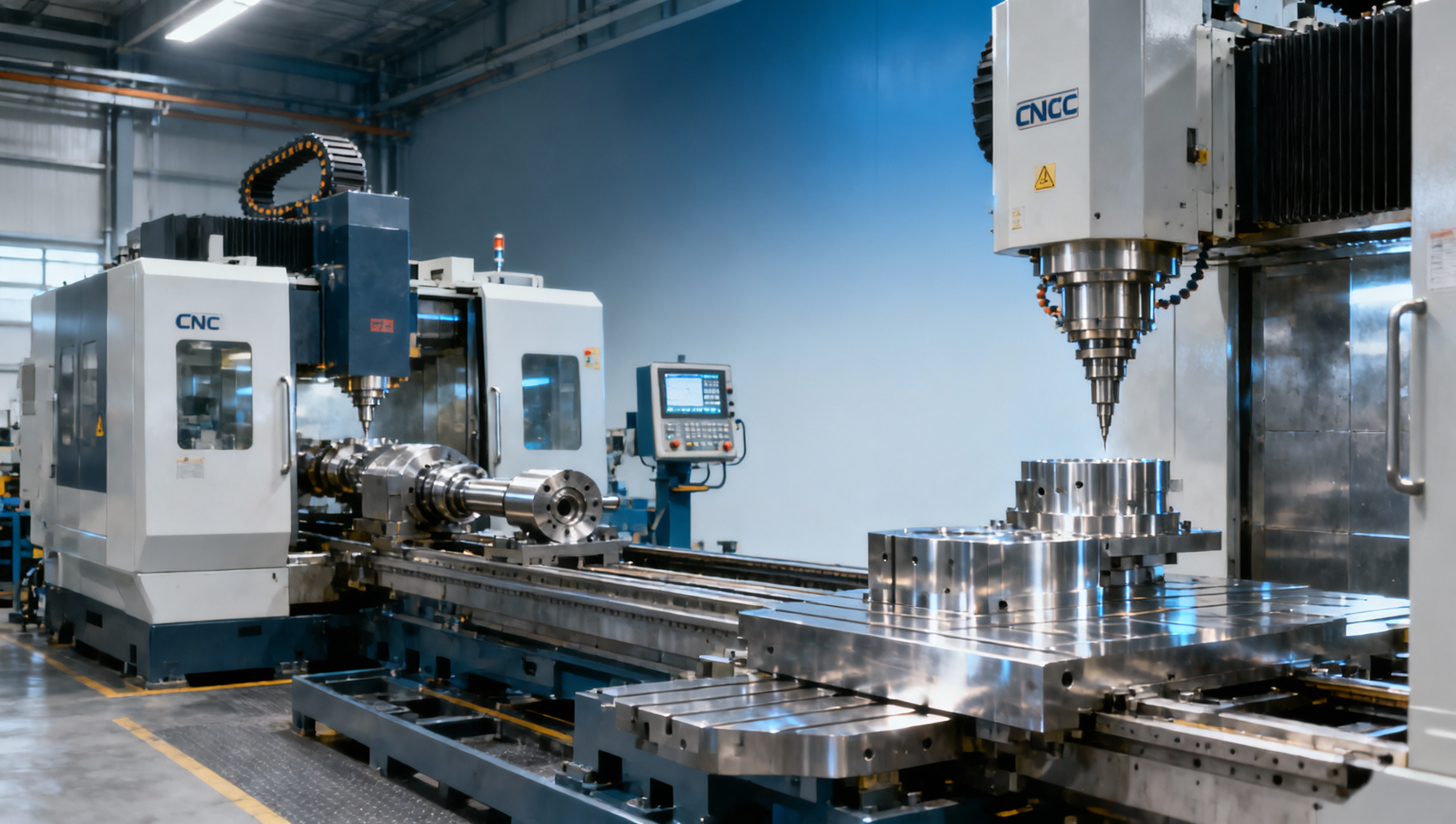
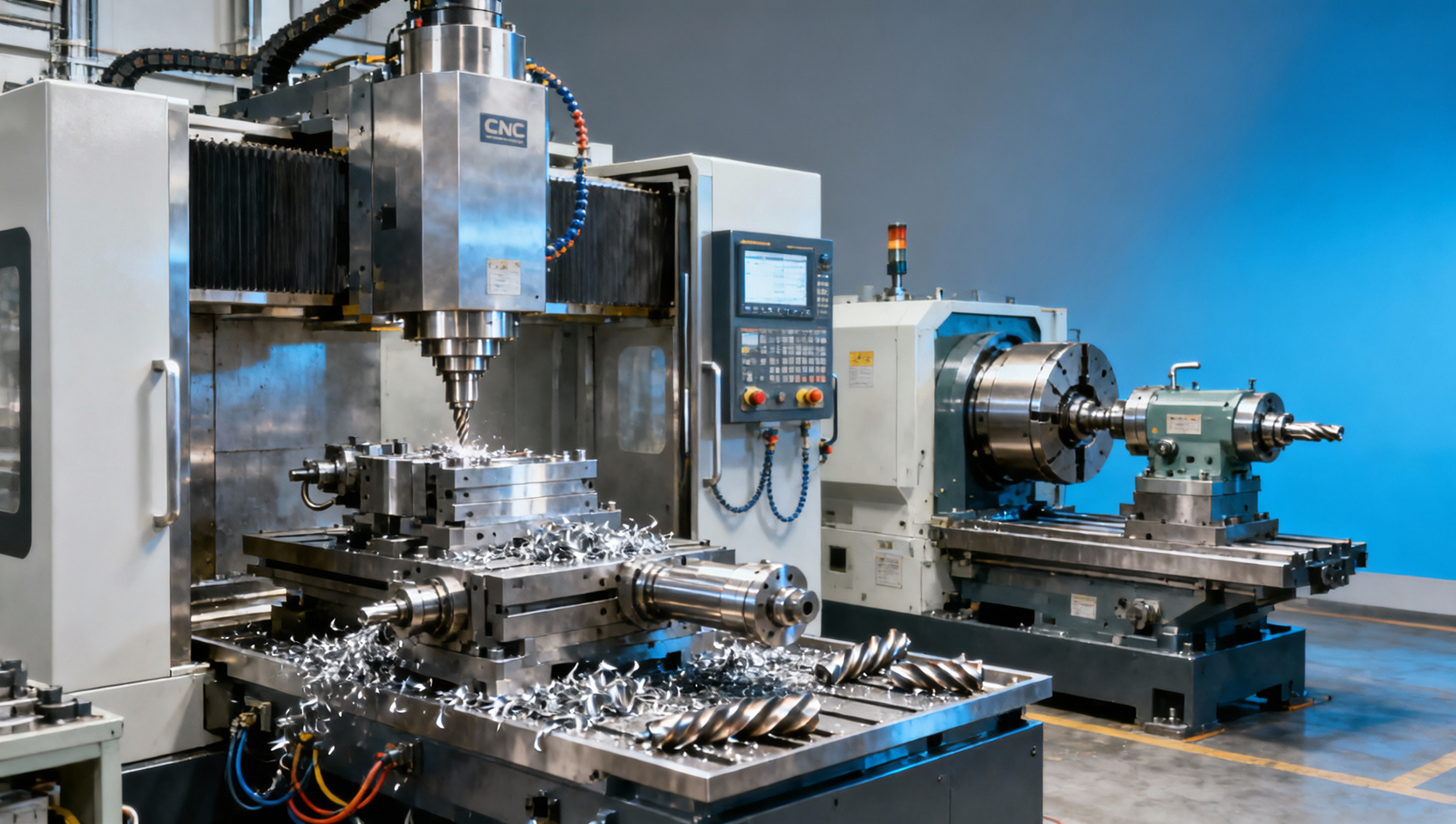
In today’s Global Manufacturing landscape, CNC industrial systems are reshaping the Manufacturing Industry by streamlining the production process, improving metal machining accuracy, and supporting automated production at scale. From CNC milling and CNC cutting to automated lathe and industrial robotics integration, these technologies help shops boost output, reduce downtime, and stay competitive in the evolving Machine Tool Market.
Why do CNC industrial systems directly affect shop efficiency?
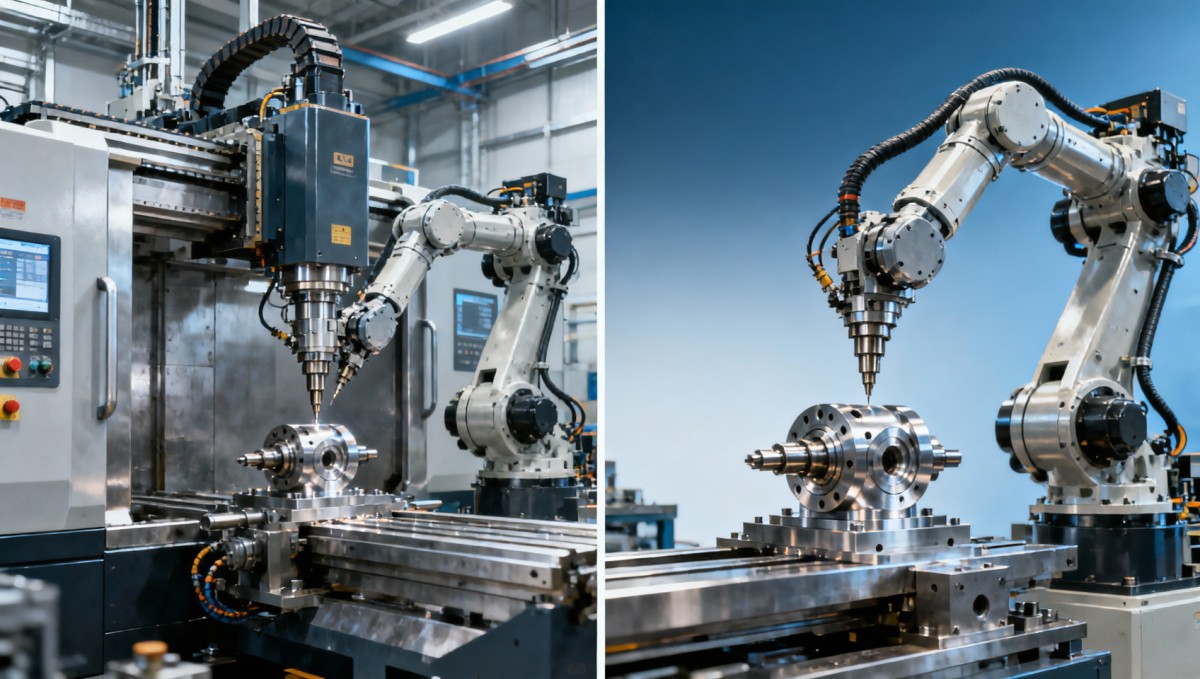
For most machine shops, efficiency is not only about running faster. It is about producing the right part, at the right tolerance, with less rework, fewer stoppages, and more predictable scheduling. CNC industrial systems improve shop efficiency because they connect machine tools, tooling, fixtures, software, and automation into one coordinated production environment rather than isolated machines.
In practical terms, a CNC system can reduce setup variability across 2–3 shifts, maintain repeatable machining conditions over long production cycles, and support part programs for both low-volume and medium-to-high-volume manufacturing. This matters in industries such as automotive, aerospace, electronics, and energy equipment, where dimensional consistency and process traceability are often just as important as spindle speed.
Operators usually feel the efficiency gain first. A better CNC industrial system shortens manual intervention, organizes tool offsets more clearly, and improves alarm diagnostics. Procurement teams see a different benefit: a more stable process means lower hidden cost per part over 12–36 months, not just a lower machine purchase price on day one.
Business evaluators also focus on capacity planning. When cycle time, tool life, machine utilization, and preventive maintenance become measurable, a shop can quote more confidently, protect delivery commitments, and scale production with less risk. That is why CNC industrial systems are now central to shop-floor efficiency, not an optional upgrade.
Core efficiency drivers in a CNC-enabled workshop
- Stable repeatability for precision parts, especially when tolerance control needs to stay within common production ranges such as ±0.01 mm to ±0.05 mm depending on the process and component type.
- Shorter changeover time through programmable setups, tool libraries, presetting support, and digital work instructions that reduce dependence on individual operator memory.
- Higher machine utilization through automatic tool changers, pallet systems, robotic loading, and monitoring functions that keep the spindle cutting for more of the shift.
- Better process visibility across 4 key areas: machine status, tool condition, production count, and maintenance timing.
What changes when shops move beyond stand-alone machines?
A stand-alone CNC machine can be productive, but a system-level approach creates a bigger effect. Once the shop links CNC machining centers, lathes, tool management, inspection routines, and automation cells, bottlenecks become easier to identify. Instead of guessing why jobs are late, teams can see whether the issue comes from setup time, fixture availability, operator waiting time, or unplanned stoppages.
This shift is especially important in mixed-part production. A shop handling 10–50 part numbers per week often struggles more with coordination than cutting power. CNC industrial systems reduce that friction by standardizing data flow and process control, which is one of the most overlooked paths to higher efficiency.
Which CNC system elements create measurable gains on the shop floor?
Not every investment produces the same result. Some shops buy a high-speed machine but leave old tooling, weak workholding, and manual loading unchanged. The result is disappointing. Real efficiency comes from matching the CNC industrial system to part complexity, production volume, material type, and staffing conditions.
The table below helps compare the main system elements that influence output, quality stability, and labor efficiency. It is useful for information researchers, machine users, and purchasing teams who need a clearer view of what actually improves production performance.
The comparison shows that efficiency improvement is rarely tied to one machine alone. In many shops, the highest return comes from balancing machine capability with tooling discipline and automation readiness. For example, a turning center with stable bar feeding may outperform a more advanced machine that still depends on slow manual loading.
For procurement, this means evaluating a CNC industrial system as an operating model. A machine with 24–40 tool positions, compatible control software, and clean automation interfaces may create more real efficiency than a higher-spec unit that does not fit the shop’s workflow.
Technical indicators worth checking before investment
Shops often compare only spindle speed and price, but practical efficiency depends on a broader set of indicators. Typical review points include axis travel, rapid traverse rates, tool change time, control compatibility, chip removal design, coolant capacity, and expected service access. Even small differences in these areas can affect weekly output.
Another important factor is production stability over time. A system that performs well in an 8-hour test but becomes difficult to maintain after 6–12 months may increase cost per part. This is why many buyers now ask for preventive maintenance guidance, spare parts planning, and operator training scope before final approval.
- Check whether the control supports common program transfer and shop networking needs.
- Review the recommended power and environmental conditions, especially if the workshop experiences temperature variation or unstable utilities.
- Confirm service intervals, wear parts access, and lead time for critical components.
How should buyers compare CNC industrial systems for different production goals?
Selection becomes difficult when teams use one purchasing standard for every job type. A shop making small batches of complex aerospace components needs a different CNC industrial system from a plant producing repeat automotive parts. The right comparison should start with production goals, not with brand assumptions.
A useful way to compare options is to review 5 key dimensions: part type, tolerance range, daily output target, labor availability, and future automation plans. This method helps prevent overbuying and underbuying at the same time. It also supports stronger internal discussion between production, engineering, purchasing, and finance.
The following table gives a procurement-oriented view of common CNC industrial system choices. It is not a universal rule, but it provides a practical framework for evaluation and internal approval.
This comparison makes one point clear: the best CNC industrial system is the one that matches the production model. Shops focused on quote flexibility should prioritize setup reduction and programming speed. Shops under delivery pressure should focus on uptime, spare parts access, and predictable maintenance windows every month or quarter.
A 4-step procurement review process
- Map current production pain points: long setup, poor repeatability, bottleneck operations, labor limits, or unstable delivery.
- Define target conditions: batch size, tolerance level, required runtime, material range, and whether automation is needed within 12–24 months.
- Compare machine and system options using total operating impact, not price alone.
- Confirm support scope: installation, training, commissioning, spare parts, remote diagnostics, and acceptance criteria.
Where many buyers make mistakes
One common mistake is assuming any CNC upgrade will automatically improve efficiency. In reality, if the shop still uses inconsistent fixtures, outdated cutting strategies, or weak maintenance discipline, even a premium system may underperform. Another mistake is focusing only on machine purchase cost while ignoring tooling, integration, operator learning time, and production transition risk.
A more reliable approach is to model total process impact over 1–3 years. This includes setup savings, scrap reduction, labor redistribution, and the ability to take on more demanding orders. That broader view usually leads to better capital decisions.
What implementation issues determine whether efficiency gains actually happen?
Buying a CNC industrial system is only the first step. Efficiency gains appear during implementation, when machine capability is translated into stable daily production. Shops that plan commissioning carefully often reach smoother ramp-up in 2–6 weeks, while unstructured launches can extend disruption across several months.
Implementation should include more than machine installation. It should cover process verification, tooling preparation, operator training, maintenance handover, and acceptance standards. Without this structure, cycle time targets may look good in demonstration mode but fail under real workload conditions.
Key checkpoints during rollout
- Verify utility conditions such as power stability, air supply, coolant management, and workshop temperature consistency before commissioning.
- Prepare at least 3 process layers: machine parameters, tooling plan, and inspection method, so first-run parts can be evaluated quickly.
- Train operators and technicians separately. Operators need program execution, setup, and alarm response. Maintenance teams need lubrication points, wear checks, and service intervals.
- Set acceptance criteria around actual production needs, such as repeatability, cycle time range, surface quality, and stable operation over continuous shifts.
Many users also underestimate the importance of data feedback. Once a CNC industrial system is connected to production monitoring, managers can review machine uptime, idle causes, and alarm patterns every week. This turns efficiency improvement into a measurable activity rather than a one-time equipment project.
For compliance-sensitive sectors, implementation may also require documentation discipline. Depending on the application and market, buyers may ask suppliers to support standard operating records, traceability documents, electrical safety conformity, or export-related technical files. Even when no special certificate is mandated, documentation quality still affects long-term service efficiency.
Common misconceptions that slow results
The first misconception is that automation always means immediate labor reduction. In many cases, the first benefit is not headcount reduction but better labor allocation, especially during night shift or repetitive loading. The second misconception is that digital monitoring alone creates efficiency. Without clear response rules, dashboards become passive reports instead of management tools.
The third misconception is that faster machining always improves profit. In some materials and part geometries, aggressive cutting can increase tool wear, thermal instability, and scrap. A stable process window often delivers better monthly output than a theoretical maximum-speed setup.
FAQ: what do buyers, operators, and evaluators ask most often?
How do I know whether a CNC industrial system fits my shop?
Start with three facts: the parts you produce, the tolerance you must hold, and the output you need per shift or per week. Then review setup frequency, material type, and labor availability. If your shop changes jobs frequently, prioritize flexibility and setup speed. If you run repeat parts for long hours, prioritize stability, automation compatibility, and preventive maintenance structure.
What is a reasonable delivery and ramp-up expectation?
This depends on machine type, configuration depth, and whether customization is required. In general industry practice, standard configurations may move faster than customized automation cells. Buyers should ask separately about equipment lead time, installation window, commissioning duration, and operator training days. Treat these as different milestones rather than one delivery promise.
Should I invest in automation now or add it later?
If labor coverage is already tight, or if you plan multi-shift production within 12–24 months, it is usually better to buy an automation-ready CNC industrial system from the start. Even if the robot or pallet unit is added later, the machine should already support interface planning, guarding logic, and layout compatibility. Retrofitting is possible, but it often increases engineering time and disruption.
What should procurement ask suppliers before quotation approval?
Ask for a clear breakdown of machine configuration, tooling scope, software compatibility, training content, service response process, spare parts support, and acceptance criteria. Also confirm what is not included. This reduces hidden cost and helps business evaluators compare proposals on a consistent basis.
Why choose us when evaluating CNC industrial systems?
We focus on the global CNC machining and precision manufacturing industry, with close attention to machine tools, automated production, smart factory trends, and international market developments. That means our support is built around real manufacturing priorities: machining accuracy, process stability, practical automation, and commercial feasibility across different industrial sectors.
If you are still comparing CNC industrial systems, we can help you review critical points before you commit. This includes parameter confirmation for machining centers or CNC lathes, selection guidance based on part type and production volume, preliminary discussion of delivery timing, and evaluation of whether automation integration is necessary now or in a later phase.
If you are already operating equipment, we can also help structure the next decision: tooling and fixture matching, process optimization priorities, maintenance planning, and the business case for upgrading toward connected manufacturing. For sourcing teams, we can support quotation comparison, technical clarification, and alignment around documentation or compliance expectations.
Contact us to discuss your specific machining requirements, target output, tolerance expectations, desired delivery window, customization needs, certification-related questions, sample support, or quotation planning. A focused discussion at the beginning usually saves far more time and cost than correcting an underspecified CNC project after purchase.
NEXT ARTICLE
Recommended for You
 How to Choose the Right Metal Machining ProcessCNC Machining Technology Center
 Metal Machining vs CNC Metalworking: What MattersCNC Machining Technology Center
 What Drives Cost in Industrial CNC ProjectsManufacturing Market Research Center
 Is Industrial CNC Worth Upgrading in 2026Machine Tool Industry Editorial Team
 How CNC Industrial Systems Improve Shop EfficiencyMachine Tool Industry Editorial Team
 CNC Industrial Setup Mistakes to Avoid FirstCNC Machining Technology Center

Aris Katos
Future of Carbide Coatings
15+ years in precision manufacturing systems. Specialized in high-speed milling and aerospace grade alloy processing.
▶
How CNC Industrial Systems Improve Shop EfficiencyMachine Tool Industry Editorial Team▶
World's First 5-Axis Middle-Grade Wire EDM Machine Enters Mass ProductionMachine Tool Industry Editorial Team▶
What Makes a 5 Axis Machining Center Fit Aerospace Parts?Machine Tool Industry Editorial Team▶
Heavy duty machine tool: Where structural damping reveals itself only after months of operationMachine Tool Industry Editorial Team▶
Portable machine tool: Real-world limits of on-site machining accuracy vs. workshop benchmarksMachine Tool Industry Editorial Team
Mastering 5-Axis Workholding Strategies
Join our technical panel on Nov 15th to learn about reducing vibrations in thin-wall components.

Providing you with integrated sanding solutions
Before-sales and after-sales services
Comprehensive technical support