• Global CNC market projected to reach $128B by 2028 • New EU trade regulations for precision tooling components • Aerospace deman
NYSE: CNC +1.2%LME: STEEL -0.4%

CNC industrial investment is favoring retrofit over replacement
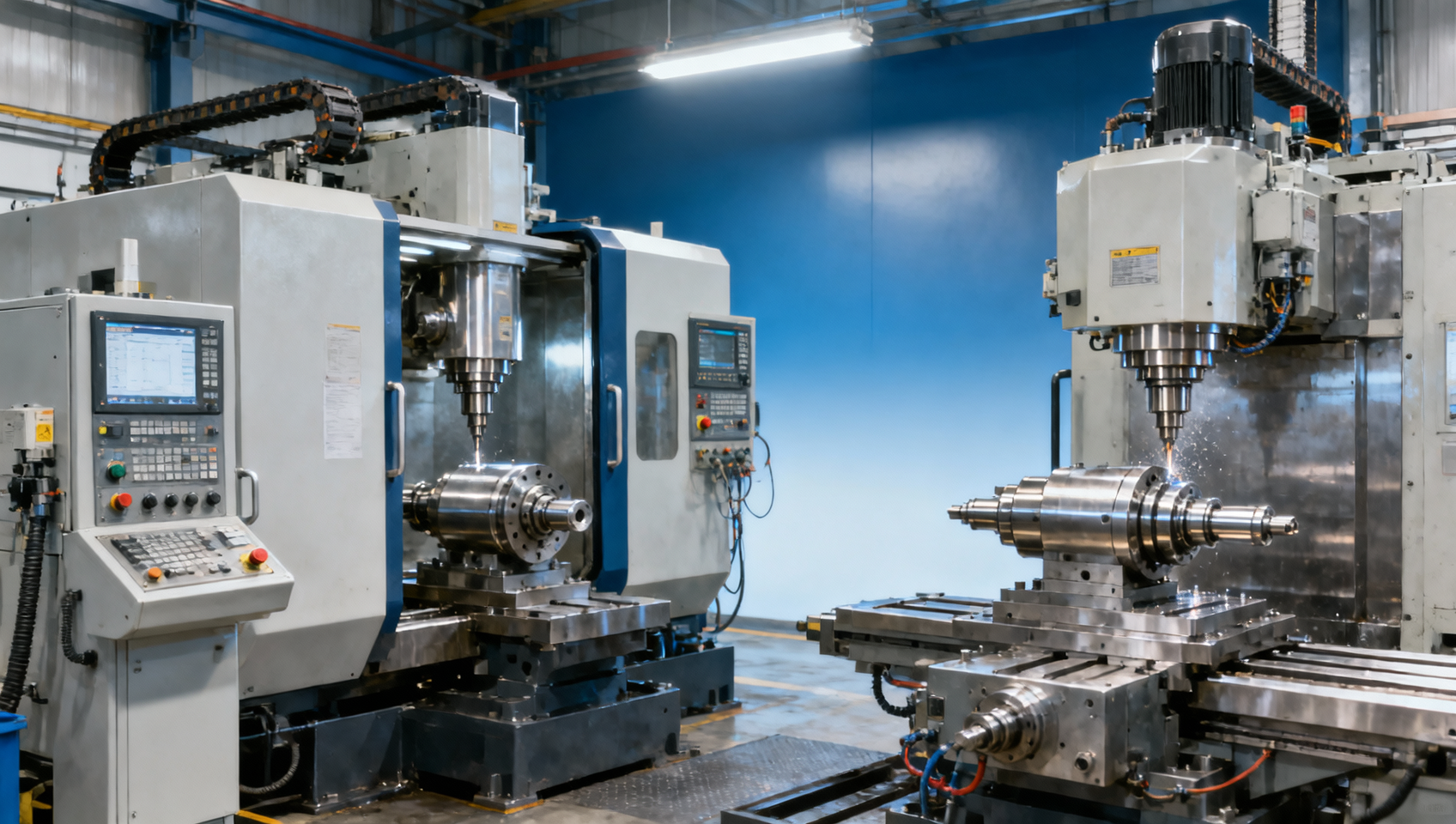
Across Global Manufacturing, CNC industrial investment is increasingly shifting from full equipment replacement to retrofit strategies that improve metal machining efficiency, extend industrial CNC asset life, and support automated production. For manufacturers, operators, buyers, and decision-makers, upgrading CNC metalworking systems, automated lathe setups, and production process control offers a practical path to stronger performance in a competitive Machine Tool Market.
This shift is not simply about lowering capital expenditure. It reflects tighter delivery schedules, rising energy costs, growing demand for digital traceability, and the reality that many machine bases, castings, and mechanical structures still have 10–20 years of usable life. In sectors such as automotive, aerospace, energy equipment, and electronics, retrofit programs are becoming a practical investment model for plants that need better spindle performance, higher positioning accuracy, and stronger integration with automated production lines.
For research-oriented readers, the key question is why retrofit is gaining preference now. For operators, the focus is usually control stability, maintenance simplicity, and reduced downtime. For procurement teams, the decision often depends on total cost, lead time, parts availability, and future scalability. For business leaders, the discussion centers on ROI, production continuity, and how to modernize CNC assets without disrupting output for 3–6 months.
Why Retrofit Is Winning Capital Allocation in CNC Manufacturing
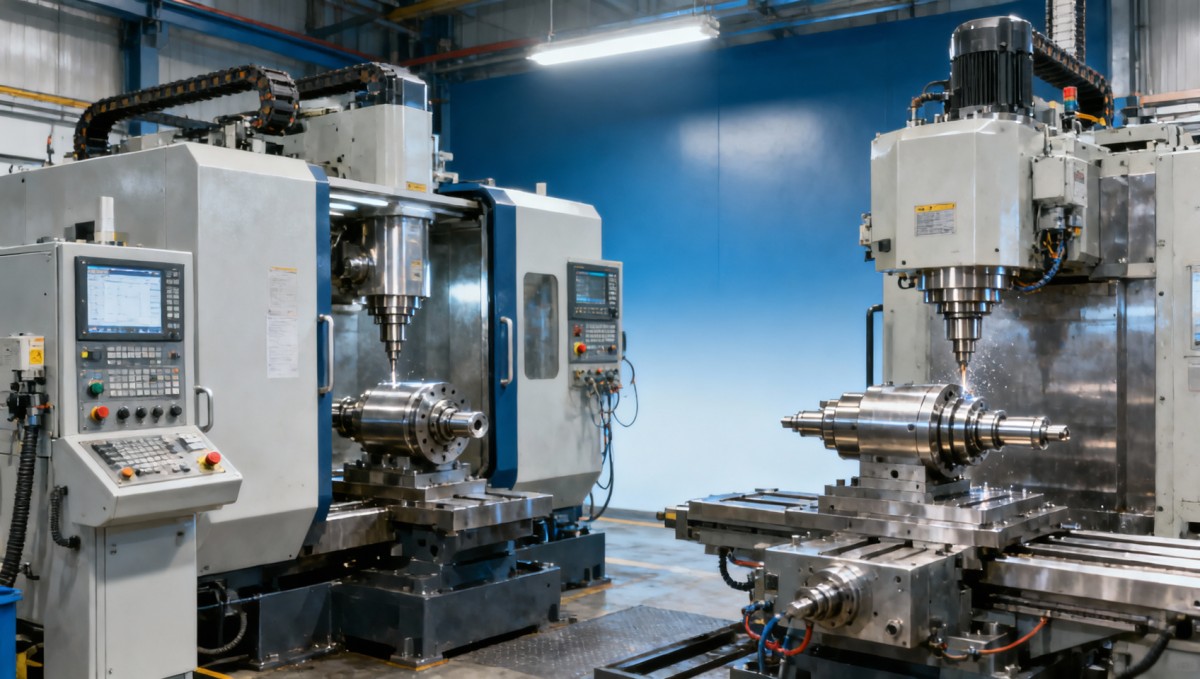
In many factories, replacing a complete CNC machine tool involves more than equipment price. It also includes dismantling, civil adjustment, electrical reconfiguration, operator retraining, sample qualification, and production interruption. A retrofit project, by contrast, often focuses on the control system, servo drives, spindle unit, feedback devices, lubrication, guarding, and software communication layers while preserving the machine’s structural core.
That difference matters because a new machine may require 12–24 weeks of procurement and installation planning, while a targeted retrofit can often be executed in 2–8 weeks depending on machine size and complexity. For plants running 2 or 3 shifts, that shorter intervention window can protect customer delivery performance and reduce the risk of missing production commitments.
Another factor is asset utilization. Many CNC lathes, machining centers, and multi-axis platforms have rigid cast iron frames that remain mechanically sound even when controls and electrical systems are outdated. If backlash, spindle runout, thermal drift, and guideway wear are still within manageable limits, an upgrade can restore productivity without the cost burden of full replacement.
Retrofit is also aligned with digital manufacturing goals. Plants want machine connectivity for MES, ERP, tool life monitoring, predictive maintenance, and process traceability. Older machines may lack modern interfaces, but they can often be upgraded with new CNC controllers, sensors, edge gateways, and HMI improvements that support smarter production management.
The business
Recommended for You
![]() Iranian LNG Vessels Breach U.S. Strait Blockade; Shanghai Crude Surges 4%Manufacturing Market Research Center
Iranian LNG Vessels Breach U.S. Strait Blockade; Shanghai Crude Surges 4%Manufacturing Market Research Center![]() Pakistan Launches CNC Localization Tender for CPEC II Smart Manufacturing ParkGlobal Machine Tool Trade Research Center
Pakistan Launches CNC Localization Tender for CPEC II Smart Manufacturing ParkGlobal Machine Tool Trade Research Center![]() NVIDIA Joins $1T Club; AI-Driven CNC Digital Twin Gains Global TractionCNC Machining Technology Center
NVIDIA Joins $1T Club; AI-Driven CNC Digital Twin Gains Global TractionCNC Machining Technology Center![]() World's First 5-Axis Middle-Grade Wire EDM Machine Enters Mass ProductionMachine Tool Industry Editorial Team
World's First 5-Axis Middle-Grade Wire EDM Machine Enters Mass ProductionMachine Tool Industry Editorial Team![]() China’s CNC Machine Tool Export Prices Up 11.3% in Q1 2026Global Machine Tool Trade Research Center
China’s CNC Machine Tool Export Prices Up 11.3% in Q1 2026Global Machine Tool Trade Research Center![]() Saudi Energy Security Boosts CNC Import Efficiency in Middle EastGlobal Machine Tool Trade Research Center
Saudi Energy Security Boosts CNC Import Efficiency in Middle EastGlobal Machine Tool Trade Research Center


Aris Katos
Future of Carbide Coatings
15+ years in precision manufacturing systems. Specialized in high-speed milling and aerospace grade alloy processing.
▶
Lean Production Process implementation: Where value stream mapping fails to expose hidden machine downtimeManufacturing Market Research Center▶
Industrial Automation Investment Is Shifting to Modular CellsManufacturing Market Research Center▶
Why some industrial lathe investments take longer to pay backManufacturing Market Research Center▶
Automated production is expanding in parts with stable repeat demandManufacturing Market Research Center▶
CNC industrial investment is favoring retrofit over replacementManufacturing Market Research Center
Mastering 5-Axis Workholding Strategies
Join our technical panel on Nov 15th to learn about reducing vibrations in thin-wall components.

Providing you with integrated sanding solutions
Before-sales and after-sales services
Comprehensive technical support