• Global CNC market projected to reach $128B by 2028 • New EU trade regulations for precision tooling components • Aerospace deman
NYSE: CNC +1.2%LME: STEEL -0.4%

Automated production is expanding in parts with stable repeat demand
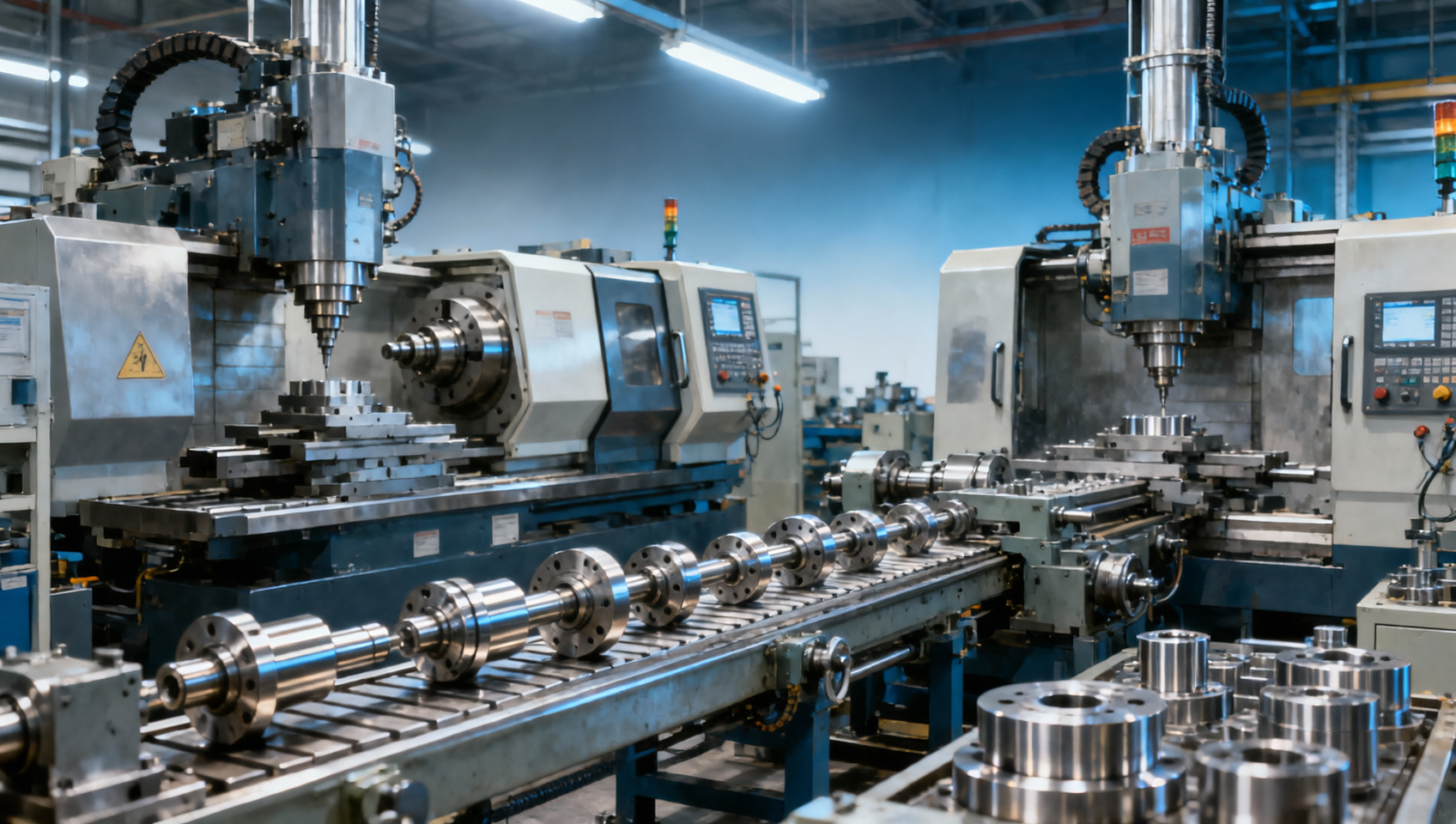
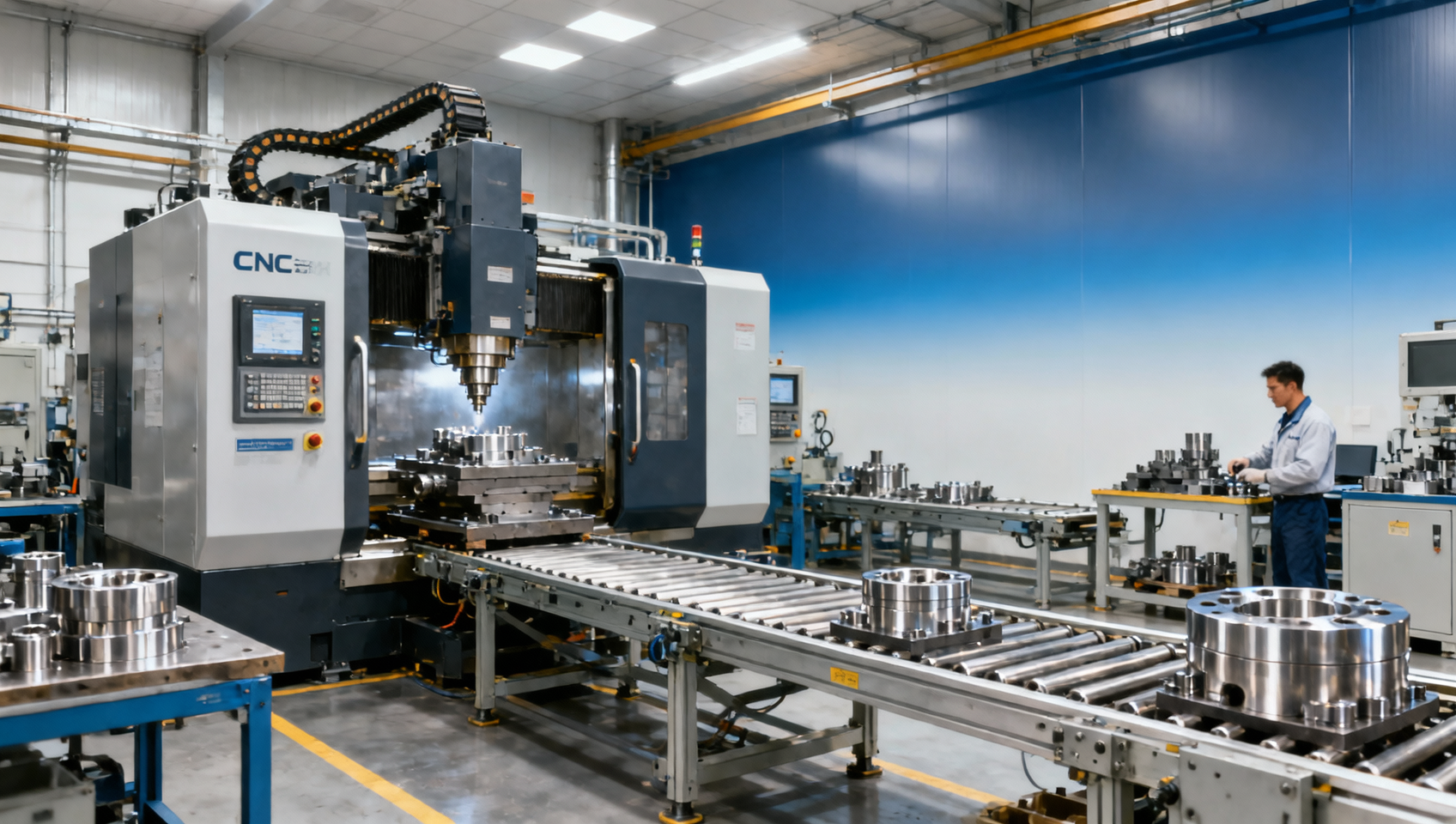
Automated production is expanding fastest in parts with stable repeat demand, where industrial CNC, CNC milling, automated lathe, and CNC cutting systems can deliver consistent quality, lower cycle times, and scalable output. For buyers, operators, and decision-makers across the Global Manufacturing and Machine Tool Market, this shift is reshaping the production process for shaft parts, metal machining, and CNC metalworking within the broader Manufacturing Industry.
That shift is not happening evenly across all product categories. It is strongest in parts that are ordered repeatedly, have stable geometry, and require predictable tolerances over months or years of supply. In these cases, automated production moves from an efficiency upgrade to a strategic production model, reducing unit cost, labor dependence, and process variation.
For research-oriented readers, the key question is where automation creates the clearest return. For operators, the focus is machine stability, tooling life, setup reduction, and quality control. For procurement teams, the concern is whether an automated CNC line can support target volumes, lead times of 2–6 weeks, and repeatability in the range of ±0.01 mm to ±0.05 mm, depending on the part and industry.
For business leaders, the decision is broader: which part families should move first, what production process should be standardized, and how flexible manufacturing, digital monitoring, and automated loading can support long-term competitiveness in automotive, aerospace, energy equipment, electronics, and general industrial supply chains.
Why stable repeat-demand parts are the first winners of automated production
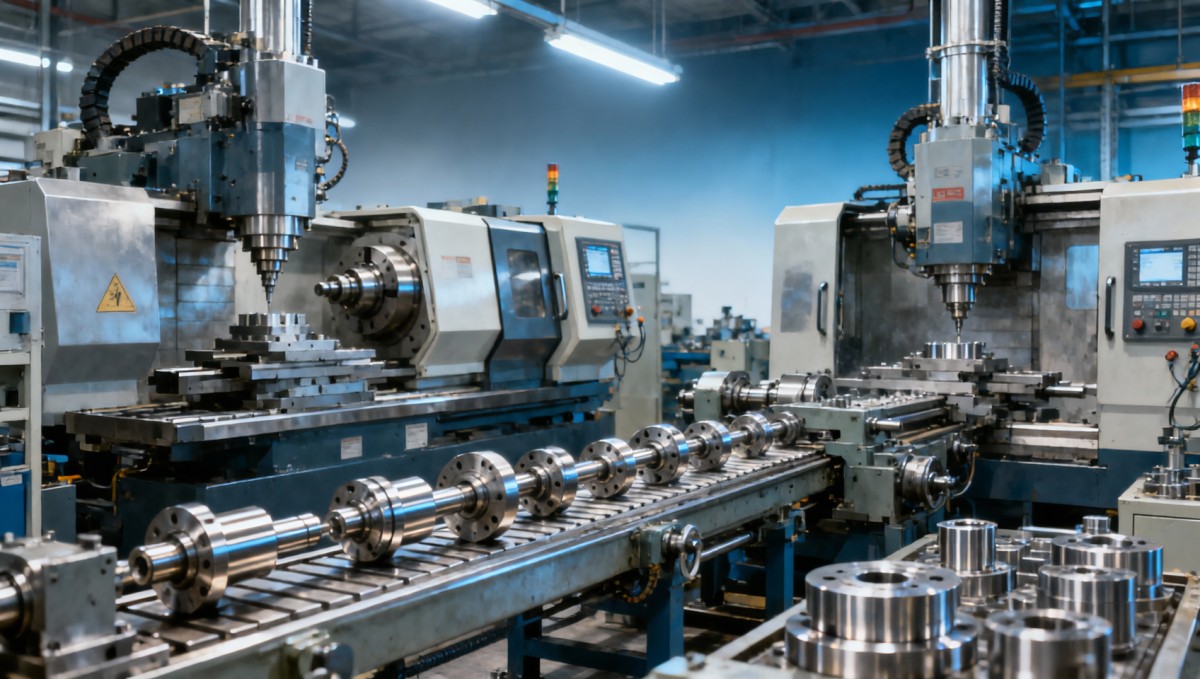
Automated production performs best when product demand is consistent and process inputs are stable. A shaft part produced 5,000 to 50,000 times per year is easier to automate than a low-volume prototype with frequent design changes. In high-repeat environments, CNC machine tools can run with fixed programs, validated fixtures, and optimized cutting parameters, making each cycle more predictable.
This is especially true in CNC metalworking applications such as turned shafts, flanges, discs, housings, threaded connectors, and precision sleeves. Once the production process is locked, an automated lathe or CNC milling cell can reduce manual intervention by 30%–70%, depending on part geometry, inspection requirements, and material handling complexity.
Another reason these parts are ideal is that demand forecasting is usually easier. Buyers in automotive components, pump systems, motor assemblies, and industrial transmission products often work with quarterly or annual schedules. That allows suppliers to plan fixture design, tooling inventory, and robotic loading around a known output window rather than uncertain short-term orders.
For operators, stable repeat demand also means fewer disruptive setup changes. Instead of switching tools and programs every few hours, teams can run longer production batches, monitor wear patterns, and adjust offsets on a scheduled basis. This creates a more controlled environment for quality, spindle utilization, and preventive maintenance.
Typical part categories that scale well with CNC automation
Some part families show stronger automation potential than others. The deciding factors usually include annual volume, tolerance consistency, number of machining steps, and the ability to standardize loading and unloading.
- Rotational shaft parts with 2–8 turning operations and repeat diameters.
- Disc-shaped components requiring drilling, facing, boring, or contour milling.
- Prismatic aluminum or steel parts with fixed hole patterns and repeated batches.
- Connector and coupling components with standard threads, grooves, and mating surfaces.
- Structural parts for electronics or energy equipment where repeatability matters more than frequent redesign.
Production economics behind the shift
Automation is usually justified when three conditions align: stable volume, measurable labor reduction, and quality losses that can be reduced through process control. A shop producing 800 pieces per month may not need a fully robotic line, but at 3,000–10,000 pieces per month, even small savings of 20–40 seconds per cycle can create a strong commercial case.
The table below outlines where automated production tends to make the most sense in machine tool applications.
The key takeaway is simple: the more stable the demand and the fewer the product changes, the easier it is to justify industrial CNC investment. This is why suppliers serving long-program manufacturing sectors often automate repeat parts first and keep low-volume, engineering-change parts on flexible manual or semi-automatic cells.
How industrial CNC, automated lathes, and CNC cutting systems improve the production process
In practical terms, automated production is not just about replacing labor. It is about stabilizing the full production process, from material loading to machining, in-process inspection, and output transfer. Industrial CNC platforms support this by holding programs precisely, repeating servo motion accurately, and integrating with feeders, robots, probes, and conveyors.
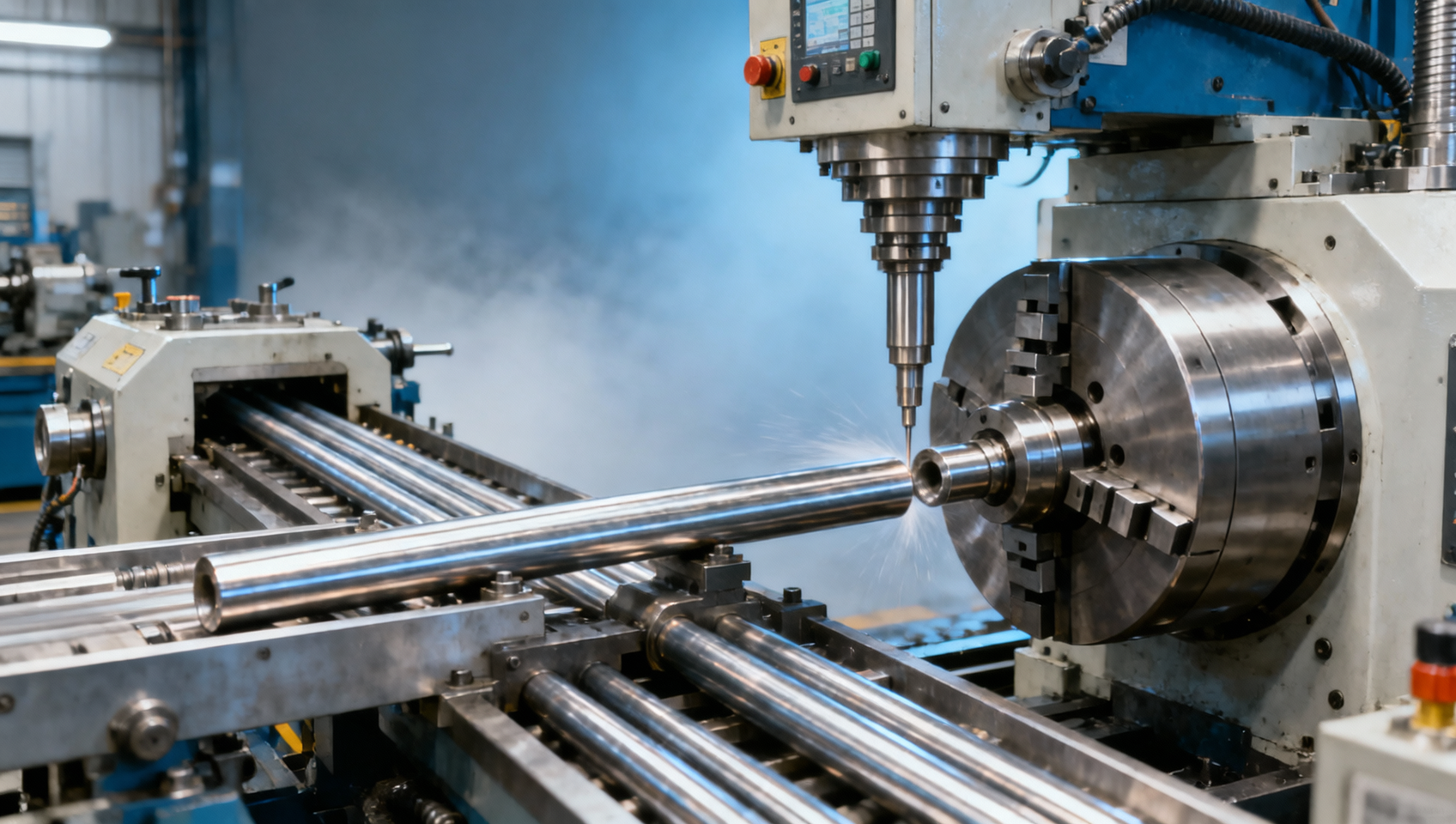
An automated lathe is highly effective for long-run shaft parts because bar feeders can support continuous machining with minimal operator input. In many repeat-demand applications, one operator can supervise 2–4 machines instead of remaining tied to a single manual station. The result is not only lower labor cost per part, but also more stable cycle time throughout the shift.
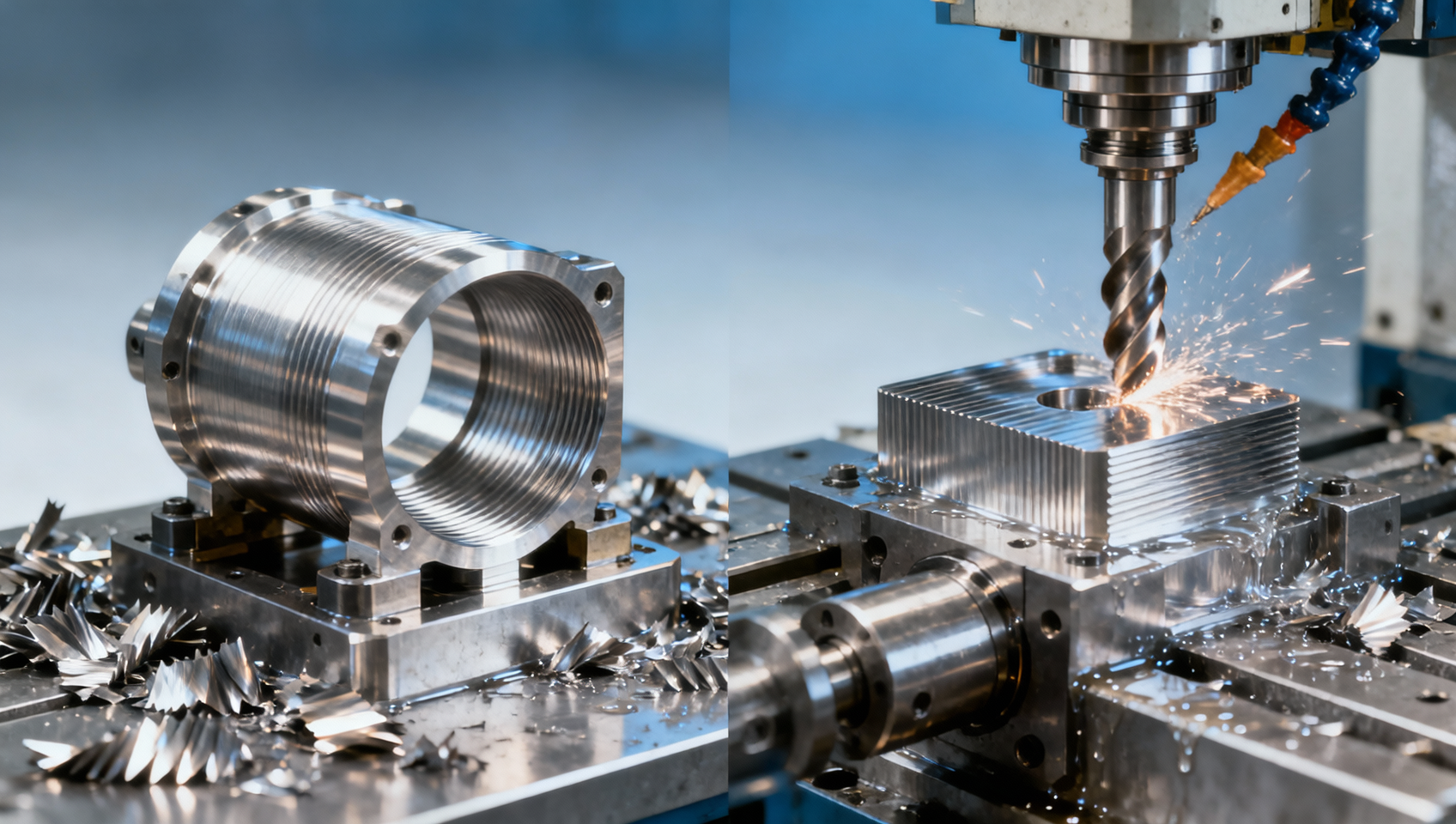
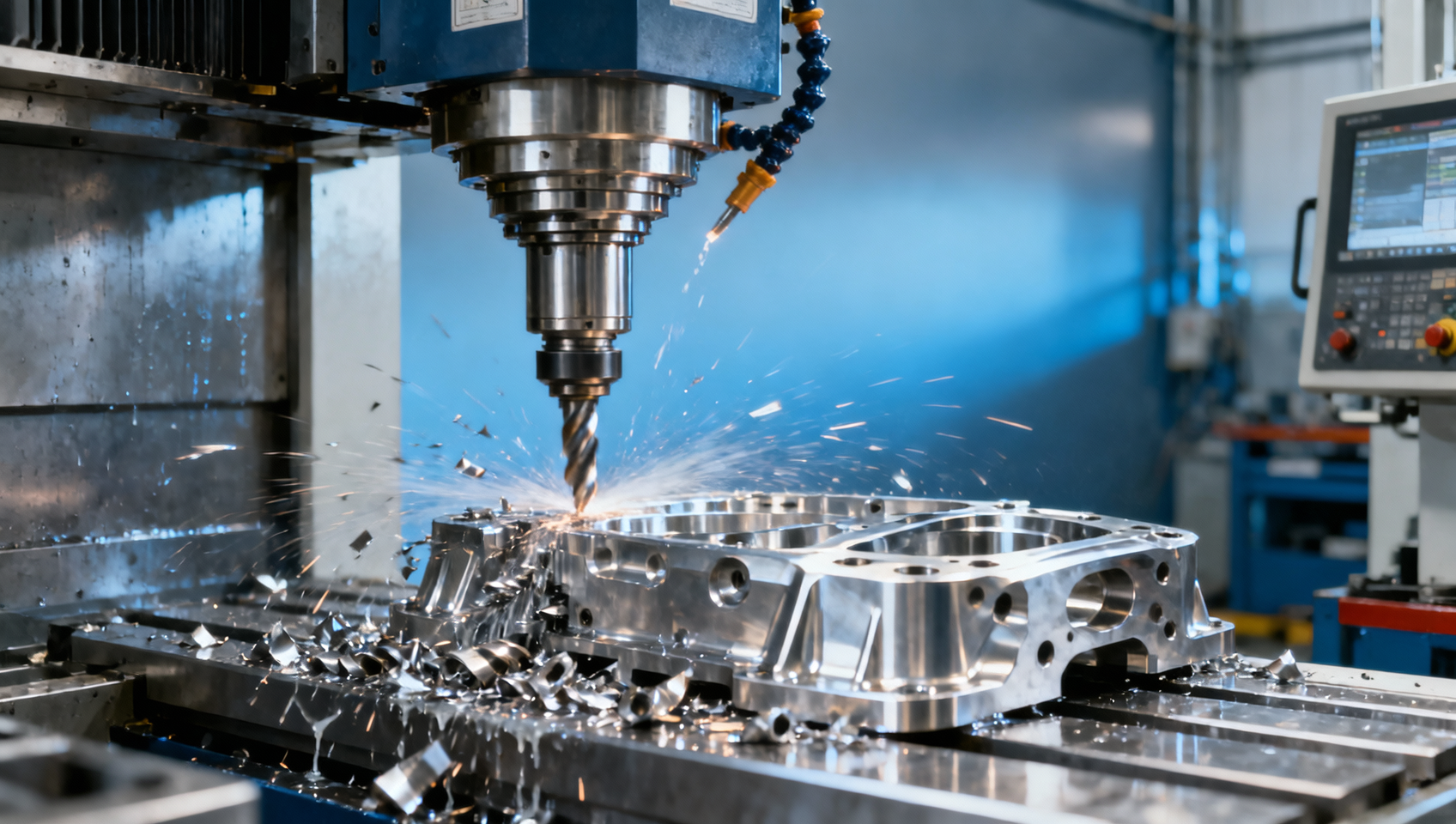
CNC milling systems add value where a part requires multi-face machining, pattern drilling, pocketing, or contour finishing. With standardized fixtures and preset tools, machining centers can hold repeatability over long runs while reducing variation caused by manual reclamping. For parts that move through 3–5 machining stages, cell integration can also reduce intermediate handling.
CNC cutting systems contribute at the front end of the process chain. Whether the operation involves sawing, profile cutting, or blank preparation, accurate upstream cutting reduces variation in raw stock length and improves consistency in downstream turning or milling. That matters when shops are trying to maintain tolerance windows, reduce scrap, and control cycle planning.
Core process gains that matter to buyers and operators
In repeat-demand manufacturing, the most valuable gains usually come from process consistency rather than peak speed alone. A line that runs 8% slower but produces fewer rejects may still outperform a faster but unstable setup over a 12-hour or 24-hour schedule.
- Cycle time reduction through optimized tool paths, reduced idle motion, and automatic loading.
- Quality stability through fixed workholding, tool offset management, and probing routines.
- Lower rework rates by limiting manual handling and inconsistent setup practices.
- Better machine utilization by reducing downtime between batches and tool changes.
- Scalable output that can move from 500 pieces to several thousand pieces with limited process redesign.
Typical performance ranges in repeat-part automation
Actual results vary by material, geometry, and shop discipline, but many manufacturers use the following planning ranges when evaluating CNC automation for metal machining.
For procurement teams, these process gains must be linked to order requirements. It is not enough for a machine to be advanced on paper. It must match the planned material range, required spindle time, part complexity, and the reality of production scheduling in the plant.
What procurement teams and decision-makers should evaluate before investing
A common mistake in machine tool procurement is selecting automation before defining the part family and output target. The better approach is to start with part data: annual volume, demand stability over 12 months, tolerance class, number of operations, raw material form, and required lead time. Without this information, even a capable CNC machine may be underused or misapplied.
Decision-makers should also separate high-repeat parts from mixed, low-volume work. If only 15% of orders are repeatable, a flexible setup may create more value than a dedicated automated line. If 60%–80% of revenue comes from a limited set of recurring parts, then automation becomes easier to justify through lower cycle cost and more stable capacity planning.
Another important factor is process readiness. Automation works best when drawings are stable, tooling is standardized, and quality checkpoints are clear. If part revisions are frequent or workholding changes every week, the expected gains may be delayed. In many plants, the first step is not buying more equipment, but cleaning up process documentation and fixture strategy.
The vendor evaluation itself should go beyond headline specifications. Buyers should ask about service response time, spare part availability, integration support, software compatibility, training hours, and the supplier’s experience with similar metal machining workflows. A machine with a 3-week shorter delivery time may still be the wrong fit if support is weak after installation.
A practical evaluation checklist
- Confirm target part families, monthly output, and forecast stability for at least 6–12 months.
- Review tolerance ranges, surface finish needs, and secondary operations such as deburring or washing.
- Check whether loading can be manual, bar-fed, palletized, or robot-assisted.
- Estimate machine utilization under realistic shift plans such as 8, 16, or 24 hours per day.
- Include training, maintenance access, and tooling replacement strategy in the total investment review.
Procurement comparison framework
The table below can help purchasing teams compare options in a more operational way instead of focusing only on purchase price.
The most successful procurement decisions connect machine capability with actual production economics. When repeat demand, process discipline, and service support align, automation can improve output consistency for years. When one of those elements is missing, the investment may take longer to deliver expected value.
Implementation, operator readiness, and risk control in automated CNC production
Moving to automated production is not only an equipment project. It is also a process and workforce project. Many manufacturers see the best results when implementation is structured in 3 stages: pilot part selection, process validation, and capacity expansion. This reduces disruption while giving operators time to adapt to new routines in setup, monitoring, and troubleshooting.
Operators remain essential even in highly automated CNC environments. Their role shifts from constant manual handling to oversight of offsets, tool condition, alarms, chip control, coolant performance, and first-piece inspection. In a stable production line, one experienced operator can often manage multiple assets, but only if training covers both machine functions and process logic.
Risk control should start before production launch. Shops need to confirm clamp repeatability, tool life benchmarks, inspection frequency, and failure response procedures. For example, if a turning process is expected to run 2,000 pieces between planned tool changes, the shop should validate that assumption under real material conditions rather than relying on ideal estimates.
Maintenance planning is equally important. Automated systems may reduce direct labor, but they increase dependence on spindle health, servo stability, sensors, feeders, and handling devices. A preventive maintenance plan with daily checks, weekly cleaning, and monthly inspection of critical wear points can reduce unplanned stoppages and protect output commitments.
A simple implementation path for repeat-demand parts
- Select 1–3 part families with repeat demand, stable drawings, and manageable complexity.
- Standardize tooling, fixture location, raw material preparation, and inspection checkpoints.
- Run pilot batches, measure cycle time, reject rate, and tool wear over several production lots.
- Train operators on alarms, offset correction, loading logic, and basic maintenance routines.
- Expand only after the line consistently meets target output, tolerance, and downtime thresholds.
Common risks that delay results
Several issues repeatedly slow down automation programs in metal machining environments:
- Trying to automate parts with frequent engineering changes or unstable incoming demand.
- Ignoring chip evacuation, coolant contamination, or tool break detection in continuous runs.
- Using fixtures that work in manual production but do not deliver repeatable clamping in automation.
- Underestimating operator training needs during the first 4–8 weeks of transition.
- Failing to define what should trigger stoppage, recheck, or maintenance intervention.
In practice, the most resilient plants treat automation as a controlled expansion of manufacturing capability. They begin with stable parts, validate the production process with real operating data, and then broaden the model to additional shaft parts, machined metal components, or high-repeat subassemblies.
FAQ: common questions about automated production in the machine tool market
Which parts are most suitable for automated CNC production?
Parts with repeat demand, stable dimensions, and predictable machining sequences are usually the best candidates. Common examples include shaft parts, sleeves, bushings, discs, connectors, and prismatic parts with fixed hole patterns. Volumes above 2,000 units per year often justify closer evaluation, while higher-volume programs above 10,000 units per year are especially strong candidates.
How long does implementation typically take?
For a standard repeat-part automation project, planning and validation may take 4–12 weeks, depending on fixture readiness, machine availability, tooling, and operator training. More complex lines with robotic loading, in-process gauging, or multiple linked stations may require a longer schedule, especially if part transfer and inspection logic must be integrated from the start.
What should procurement teams focus on besides machine price?
They should examine total operating fit: service responsiveness, spare part lead times, software compatibility, tooling support, and ease of maintenance. They should also confirm whether the machine matches actual part families, required tolerances, and shift patterns. A lower purchase price can become expensive if downtime, retraining, or reconfiguration needs are high.
Can automation still work for medium-volume production?
Yes, especially when products repeat in scheduled batches and fixtures can be changed quickly. Medium-volume programs in the range of 500–3,000 pieces per month may benefit from palletized CNC milling, bar-fed turning, or semi-automated handling. The key is not only total volume, but how stable the production process remains between batches.
Automated production is expanding where demand is repeatable because the economics, quality control, and capacity benefits are easier to prove. In the machine tool industry, that makes stable shaft parts, machined discs, and recurring metal components some of the most practical starting points for CNC automation. Buyers, operators, and business leaders who align part selection, process readiness, and equipment support can build a stronger production model with lower variability and better long-term planning.
If you are evaluating industrial CNC, CNC milling, automated lathe systems, or CNC cutting solutions for repeat-demand manufacturing, now is the right time to review your part families, output targets, and process bottlenecks. Contact us to discuss your application, get a tailored production approach, and explore more solutions for the global CNC machining and precision manufacturing market.
NEXT ARTICLE
Recommended for You
 What causes chatter in metal machining and how to stop itCNC Machining Technology Center
 Industrial CNC lead times are shifting in 2026Manufacturing Market Research Center
 When CNC industrial upgrades cut output instead of raising itMachine Tool Industry Editorial Team
 Automated lathe errors that often start with bar feedingMachine Tool Industry Editorial Team
 Why CNC metalworking scrap rates rise on thin wall partsCNC Machining Technology Center
 CNC cutting speed or finish quality: where losses beginCNC Machining Technology Center

Aris Katos
Future of Carbide Coatings
15+ years in precision manufacturing systems. Specialized in high-speed milling and aerospace grade alloy processing.
▶
Automated production is expanding in parts with stable repeat demandManufacturing Market Research Center▶
Precision equipment buyers assumed AI-assisted alignment was standard—turns out only 37% of models deliver itManufacturing Market Research Center▶
Industrial CNC adoption hit a plateau in Q1 2026—not from cost, but from operator readiness gapsManufacturing Market Research Center▶
Manufacturing technology adoption slowed in Q1 2026 — not from budget cuts, but from integration fatigueManufacturing Market Research Center▶
What’s the average payback period for modular tooling system for flexible manufacturing in automotive Tier-2 suppliers?Manufacturing Market Research Center
Mastering 5-Axis Workholding Strategies
Join our technical panel on Nov 15th to learn about reducing vibrations in thin-wall components.

Providing you with integrated sanding solutions
Before-sales and after-sales services
Comprehensive technical support