• Global CNC market projected to reach $128B by 2028 • New EU trade regulations for precision tooling components • Aerospace deman
NYSE: CNC +1.2%LME: STEEL -0.4%

CNC Machine Tool Manufacturers: Innovation Trends to Watch
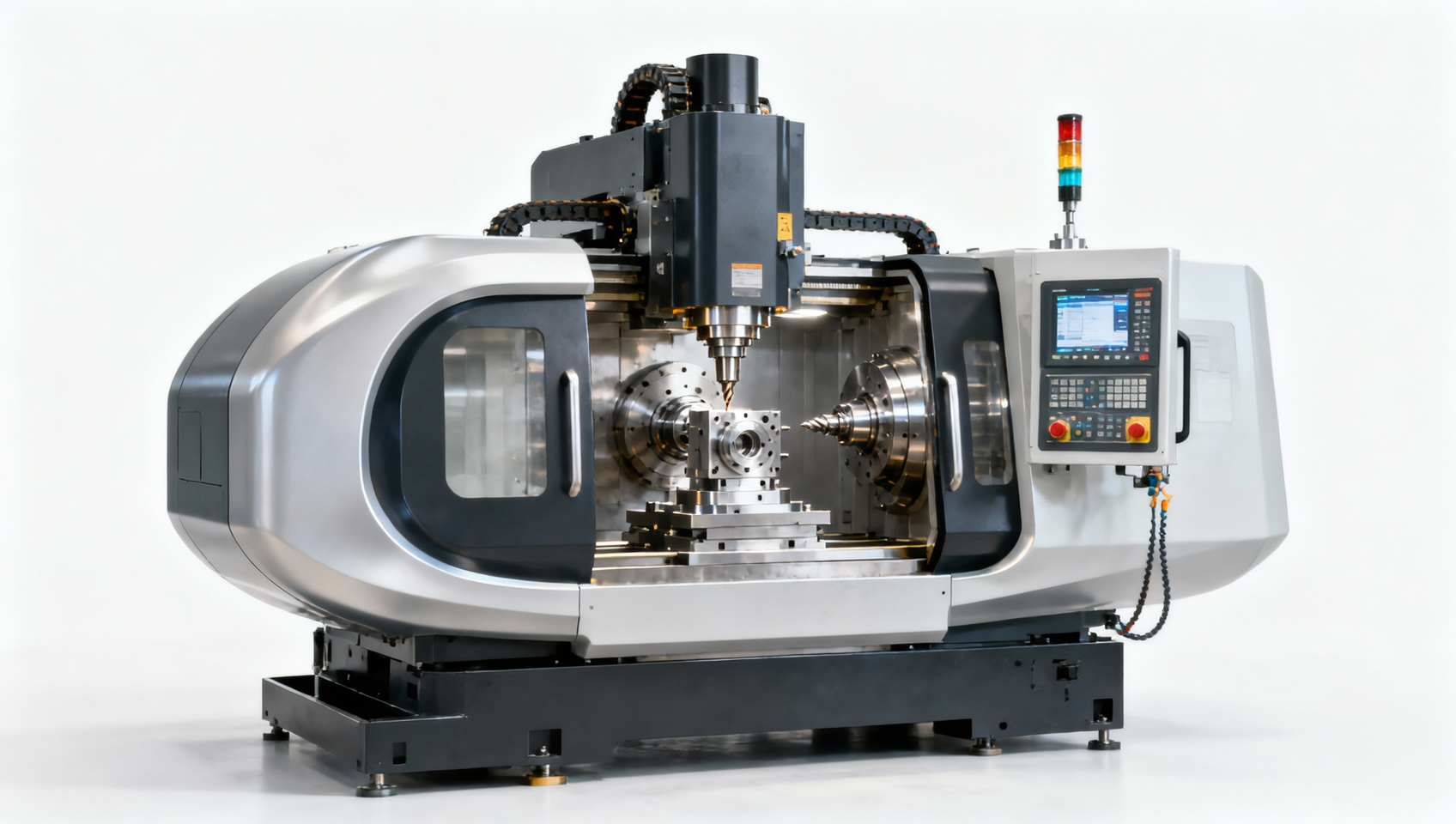
CNC Machine Tool Manufacturers: Innovation Trends to Watch
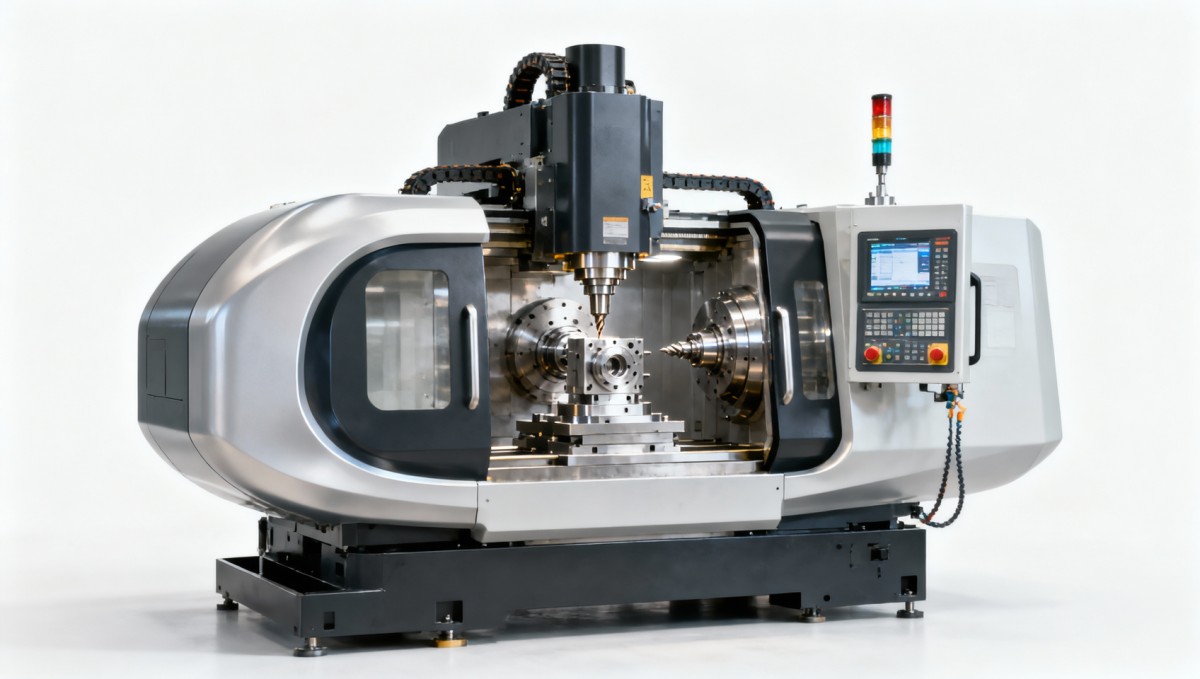
The CNC machine tool manufacturing sector is undergoing rapid transformation with innovations in high precision CNC manufacturing, automated production lines, and multi-axis machining systems. As industries from aerospace to medical devices demand more compact machine tools and energy-saving solutions, leading CNC machine tool manufacturers are developing cost-effective, low maintenance solutions with quick setup capabilities. This article explores key trends reshaping precision CNC manufacturing for automotive, electronics, and energy equipment applications, providing valuable insights for procurement specialists and decision-makers navigating this dynamic market.
1. Advanced Automation and Smart Manufacturing
Modern CNC machine tool manufacturers are integrating Industry 4.0 technologies to create smarter production environments. Over 65% of new CNC systems now feature IoT connectivity for real-time monitoring and predictive maintenance.
Key developments include:
- AI-powered adaptive control systems that adjust cutting parameters in real-time
- Digital twin technology for virtual machine testing and optimization
- Automated tool changers with 30-50% faster swap times
- Integrated robotic loading/unloading systems
Leading manufacturers are now offering complete smart factory solutions that combine CNC machines with automated material handling and quality control systems, reducing human intervention by up to 80% in some production lines.
2. Multi-Axis Machining Advancements
The demand for complex components in aerospace and medical industries is driving innovation in multi-axis CNC systems. Modern 5-axis machines can achieve positioning accuracy within ±0.002mm and surface finishes below Ra 0.4μm.
2.1 Compact Machine Designs
Space-efficient CNC machines with footprints 30-40% smaller than conventional models are gaining popularity. These compact solutions maintain full machining capabilities while reducing factory floor space requirements.
2.2 Hybrid Additive-Subtractive Systems
New hybrid machines combine traditional CNC milling with 3D printing capabilities, allowing manufacturers to:
- Produce complex geometries in single setups
- Reduce material waste by 45-60%
- Create customized tooling on-demand
3. Sustainable Manufacturing Solutions
Energy efficiency has become a critical factor in CNC machine tool selection. Modern systems incorporate several sustainability features:
• Regenerative braking systems that recover up to 30% of energy
• LED machine lighting with 70% lower power consumption
• Eco-mode operation during idle periods
• Minimum quantity lubrication (MQL) systems reducing coolant use by 90%
3.1 Material Efficiency Innovations
Advanced nesting software and toolpath optimization can reduce material waste by 15-25% in typical machining operations. Some manufacturers now offer closed-loop material recycling systems integrated with CNC workflows.
4. Global Market Trends and Procurement Considerations
The global CNC machine tool market is projected to grow at 6.8% CAGR through 2028, with Asia-Pacific accounting for 45% of demand. When evaluating CNC machine tool manufacturers, procurement teams should consider:
- Machine uptime guarantees (typically 95-98%)
- Local service network availability
- Training and support packages
- Compatibility with existing tooling
- Total cost of ownership over 5-10 years
FAQ: Key Questions for CNC Machine Tool Buyers
What are the most important specifications when comparing CNC machines?
Focus on spindle speed (8,000-20,000 RPM for most applications), rapid traverse rates (30-60m/min), positioning accuracy (±0.005mm or better for precision work), and torque characteristics matching your material requirements.
How long does typical CNC machine installation take?
Standard installation ranges from 3-7 days for basic machines to 2-4 weeks for complex multi-axis systems with automation integration. Smart factory implementations may require 6-8 weeks for full commissioning.
What maintenance is required for CNC machines?
Daily lubrication checks, weekly cleaning, monthly axis calibration (±0.01mm tolerance), and annual comprehensive servicing by certified technicians. Modern predictive maintenance systems can reduce unplanned downtime by up to 75%.
Conclusion and Next Steps
The CNC machine tool industry continues to evolve with smarter, more efficient, and more precise solutions. Manufacturers that adopt these innovations gain competitive advantages through reduced operating costs, improved quality, and faster production cycles.
For procurement specialists and decision-makers, understanding these trends is essential for making informed investments in manufacturing capabilities. Contact our team of CNC technology experts to discuss how these innovations can be applied to your specific production requirements.
PREVIOUS ARTICLE
Recommended for You
![]() AI-Driven CNC Quality Standard Added to 2026 Auto Standards PlanManufacturing Policy Research Center
AI-Driven CNC Quality Standard Added to 2026 Auto Standards PlanManufacturing Policy Research Center![]() Fastenal China Fastener Procurement Up 12% in Q1 2026, Tariff Pressure Cuts MarginGlobal Machine Tool Trade Research Center
Fastenal China Fastener Procurement Up 12% in Q1 2026, Tariff Pressure Cuts MarginGlobal Machine Tool Trade Research Center![]() EU Battery Regulation (2023/1542) Takes Full Effect on Aug 18, 2026Manufacturing Market Research Center
EU Battery Regulation (2023/1542) Takes Full Effect on Aug 18, 2026Manufacturing Market Research Center![]() US ITC Launches Anti-Circumvention Probe on CNC Controls from Vietnam, MexicoManufacturing Policy Research Center
US ITC Launches Anti-Circumvention Probe on CNC Controls from Vietnam, MexicoManufacturing Policy Research Center![]() Global LNG Supply Surge Pressures Gas Prices, Lowers Energy Costs for Chinese CNC ManufacturersGlobal Machine Tool Trade Research Center
Global LNG Supply Surge Pressures Gas Prices, Lowers Energy Costs for Chinese CNC ManufacturersGlobal Machine Tool Trade Research Center![]() China’s CNC Smart Factories Gain Zero-Carbon Certification Mutual RecognitionManufacturing Policy Research Center
China’s CNC Smart Factories Gain Zero-Carbon Certification Mutual RecognitionManufacturing Policy Research Center


Aris Katos
Future of Carbide Coatings
15+ years in precision manufacturing systems. Specialized in high-speed milling and aerospace grade alloy processing.
▶
Precision CNC Manufacturing: Tolerances You Can Expect in 2024CNC Machining Technology Center▶
Why Energy Equipment Manufacturers Are Switching to CNC SolutionsCNC Machining Technology Center▶
The Hidden Maintenance Costs of CNC Machines Most Factories MissCNC Machining Technology Center▶
How to Identify a Reliable CNC Manufacturing Factory OverseasCNC Machining Technology Center▶
High-Speed CNC Manufacturing: When Faster Isn't Always BetterCNC Machining Technology Center
Mastering 5-Axis Workholding Strategies
Join our technical panel on Nov 15th to learn about reducing vibrations in thin-wall components.

Providing you with integrated sanding solutions
Before-sales and after-sales services
Comprehensive technical support