• Global CNC market projected to reach $128B by 2028 • New EU trade regulations for precision tooling components • Aerospace deman
NYSE: CNC +1.2%LME: STEEL -0.4%

High Precision Machine Tools: Achieving Sub-Micron Accuracy
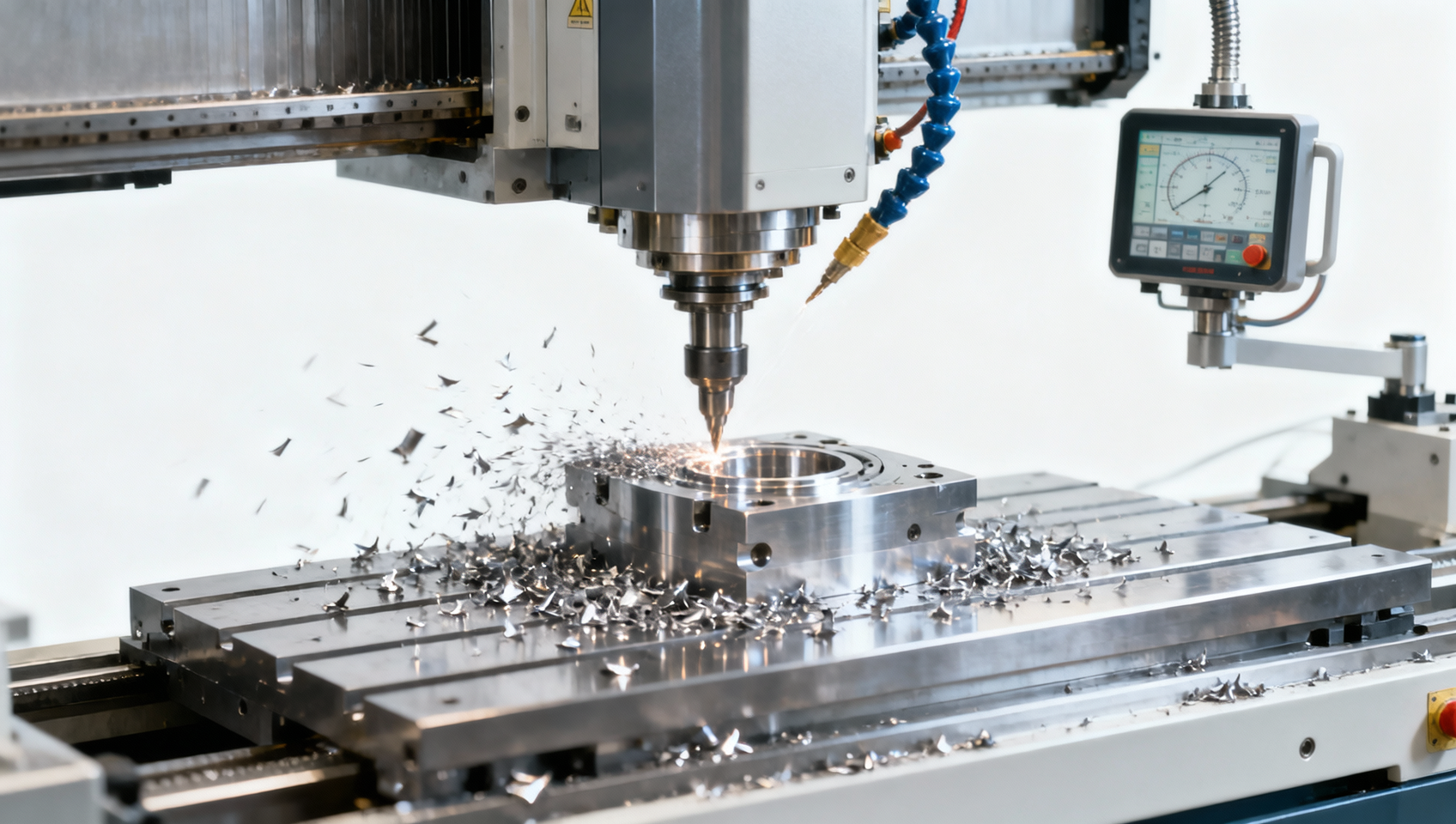
Why Sub-Micron Accuracy Matters in Modern Manufacturing
For manufacturers across aerospace, medical, and electronics sectors, achieving sub-micron accuracy (below 1μm) directly impacts product performance, assembly tolerances, and production yield. High precision machine tools with this capability enable:
- 50-70% reduction in post-processing for critical components
- Interchangeability in mass production of complex parts
- Consistent quality in high-value applications like turbine blades
Leading automotive suppliers report 30% fewer warranty claims when using sub-micron capable systems for engine components.
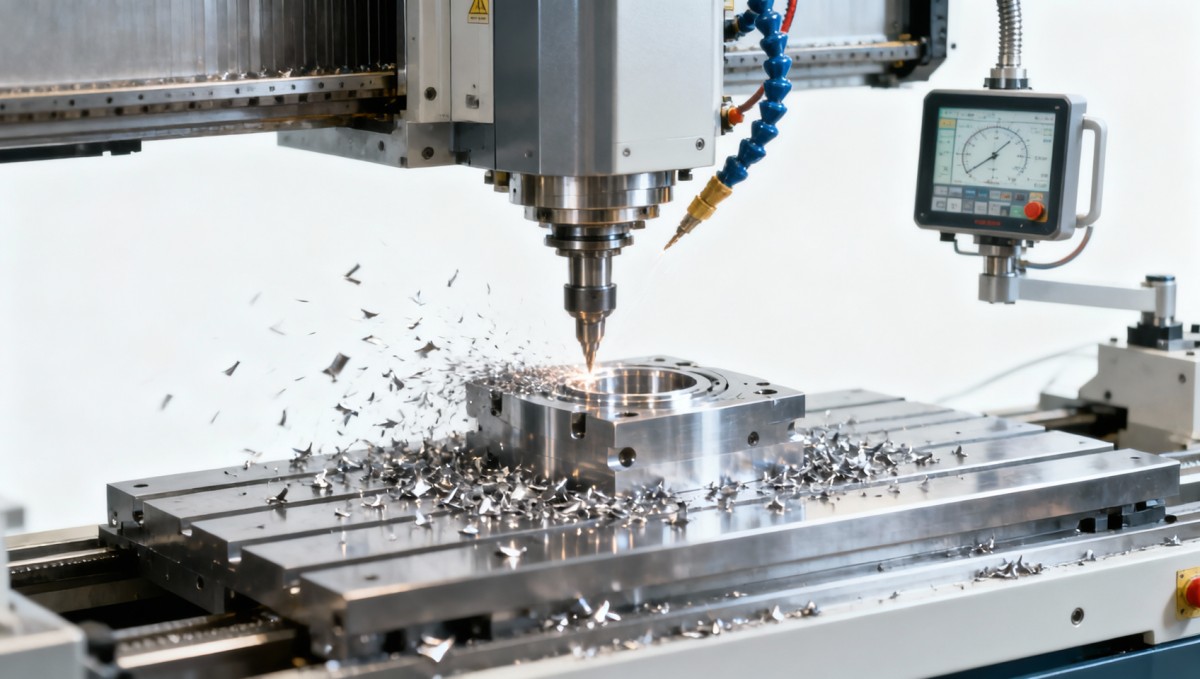
Key Technologies Enabling Sub-Micron Performance
Modern machine tools combine multiple advanced technologies to achieve and maintain extreme precision:
Thermal Compensation Systems
Active thermal control reduces positioning errors by 60-80% through:
- Real-time temperature monitoring at 15+ machine points
- AI-driven compensation algorithms
- Liquid-cooled ball screws and spindles
Vibration Damping Solutions
Advanced isolation techniques improve surface finish by 2-3 classes:
- Active magnetic bearing spindles (0.1μm TIR)
- Granite machine bases with 5x better damping than cast iron
- Anti-vibration tool holders for micro-machining
Evaluating ROI for Sub-Micron Investments
Decision-makers should analyze these critical factors:
Implementation Challenges and Solutions
While the benefits are clear, operators face specific hurdles:
- Environmental control: Temperature fluctuations >1°C can cause 0.5μm drift
- Tool wear monitoring: Requires 0.1μm resolution measurement systems
- Workholding: Vacuum chucks or hydrostatic fixtures often needed
Leading manufacturers address these through integrated metrology systems that provide closed-loop feedback during machining.
Future Trends in Ultra-Precision Machining
The industry is moving toward:
- Nanometer-level positioning with linear motors
- Machine learning for real-time error prediction
- Hybrid additive/subtractive systems for complex geometries
Making the Right Precision Investment
For procurement teams and plant managers, the decision to adopt sub-micron machine tools should balance:
- Current part quality issues that could be resolved
- Upcoming product designs requiring tighter tolerances
- Total cost of ownership over 5-7 years
Leading machine tool builders now offer capability audits to help manufacturers assess their true precision needs before capital expenditure.
Conclusion: Sub-micron machine tools deliver measurable benefits for manufacturers producing high-value precision components. By understanding the technologies involved, realistic ROI expectations, and implementation requirements, companies can make informed decisions about adopting these advanced systems. The key is matching machine capabilities to actual production needs rather than pursuing maximum specifications.
PREVIOUS ARTICLE
Recommended for You
![]() AI-Driven CNC Quality Standard Added to 2026 Auto Standards PlanManufacturing Policy Research Center
AI-Driven CNC Quality Standard Added to 2026 Auto Standards PlanManufacturing Policy Research Center![]() Fastenal China Fastener Procurement Up 12% in Q1 2026, Tariff Pressure Cuts MarginGlobal Machine Tool Trade Research Center
Fastenal China Fastener Procurement Up 12% in Q1 2026, Tariff Pressure Cuts MarginGlobal Machine Tool Trade Research Center![]() EU Battery Regulation (2023/1542) Takes Full Effect on Aug 18, 2026Manufacturing Market Research Center
EU Battery Regulation (2023/1542) Takes Full Effect on Aug 18, 2026Manufacturing Market Research Center![]() US ITC Launches Anti-Circumvention Probe on CNC Controls from Vietnam, MexicoManufacturing Policy Research Center
US ITC Launches Anti-Circumvention Probe on CNC Controls from Vietnam, MexicoManufacturing Policy Research Center![]() Global LNG Supply Surge Pressures Gas Prices, Lowers Energy Costs for Chinese CNC ManufacturersGlobal Machine Tool Trade Research Center
Global LNG Supply Surge Pressures Gas Prices, Lowers Energy Costs for Chinese CNC ManufacturersGlobal Machine Tool Trade Research Center![]() China’s CNC Smart Factories Gain Zero-Carbon Certification Mutual RecognitionManufacturing Policy Research Center
China’s CNC Smart Factories Gain Zero-Carbon Certification Mutual RecognitionManufacturing Policy Research Center


Aris Katos
Future of Carbide Coatings
15+ years in precision manufacturing systems. Specialized in high-speed milling and aerospace grade alloy processing.
▶
Precision CNC Manufacturing: Tolerances You Can Expect in 2024CNC Machining Technology Center▶
Why Energy Equipment Manufacturers Are Switching to CNC SolutionsCNC Machining Technology Center▶
The Hidden Maintenance Costs of CNC Machines Most Factories MissCNC Machining Technology Center▶
How to Identify a Reliable CNC Manufacturing Factory OverseasCNC Machining Technology Center▶
High-Speed CNC Manufacturing: When Faster Isn't Always BetterCNC Machining Technology Center
Mastering 5-Axis Workholding Strategies
Join our technical panel on Nov 15th to learn about reducing vibrations in thin-wall components.

Providing you with integrated sanding solutions
Before-sales and after-sales services
Comprehensive technical support