• Global CNC market projected to reach $128B by 2028 • New EU trade regulations for precision tooling components • Aerospace deman
NYSE: CNC +1.2%LME: STEEL -0.4%

Electronics Manufacturing Machine Tools: Precision at Micro Scales
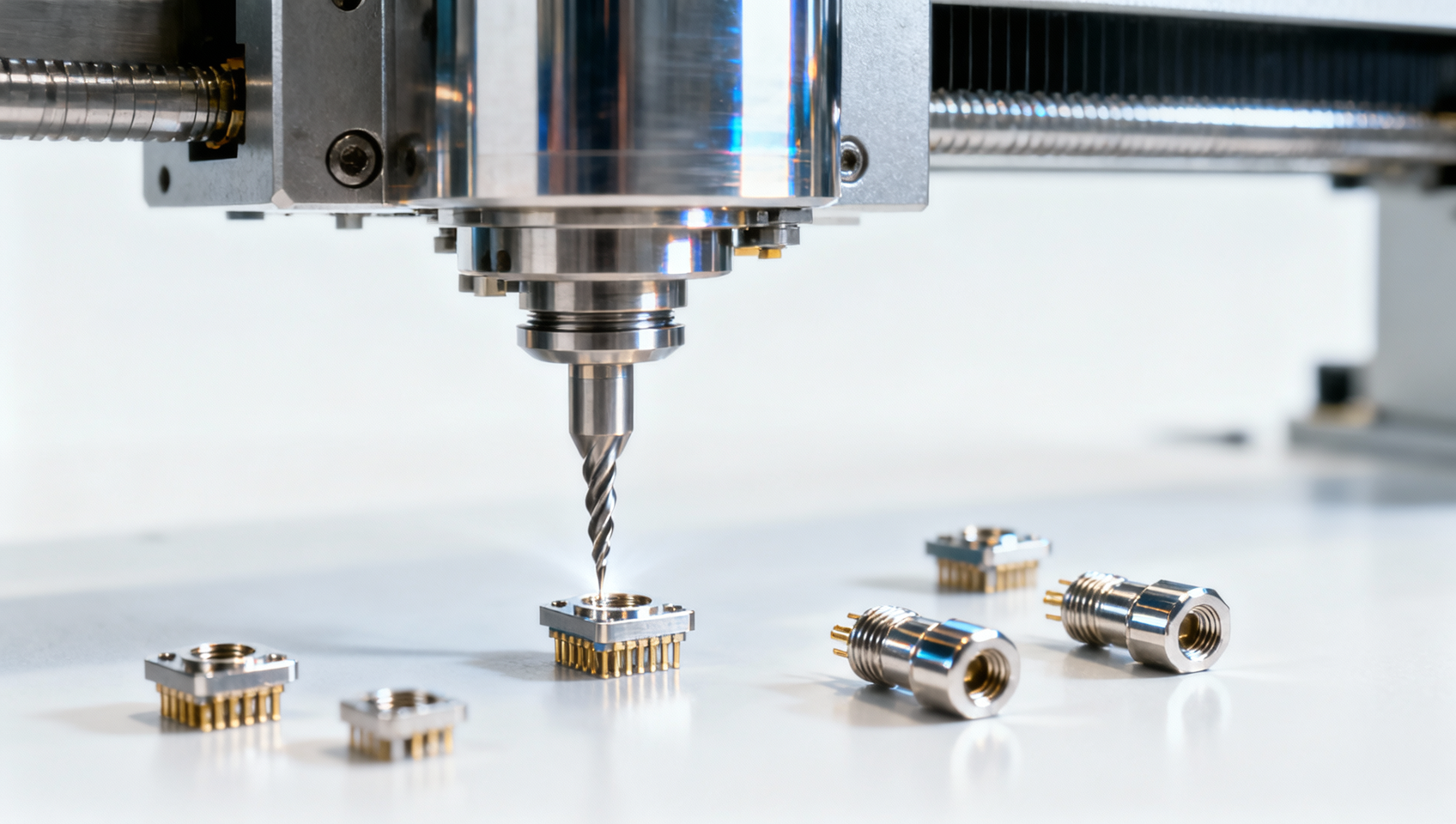
In the era of micro-scale electronics manufacturing, precision CNC machine tools have become indispensable for producing complex components with micron-level accuracy. From space-saving CNC manufacturing solutions to multi-axis machining systems for aerospace applications, modern machine tools combine high-speed performance with energy-saving efficiency. This article explores how automated CNC manufacturing technologies are revolutionizing electronics production, medical device fabrication, and automotive industries through compact machine tool designs and lean production processes.
The Critical Role of Micro-Scale Machining in Electronics
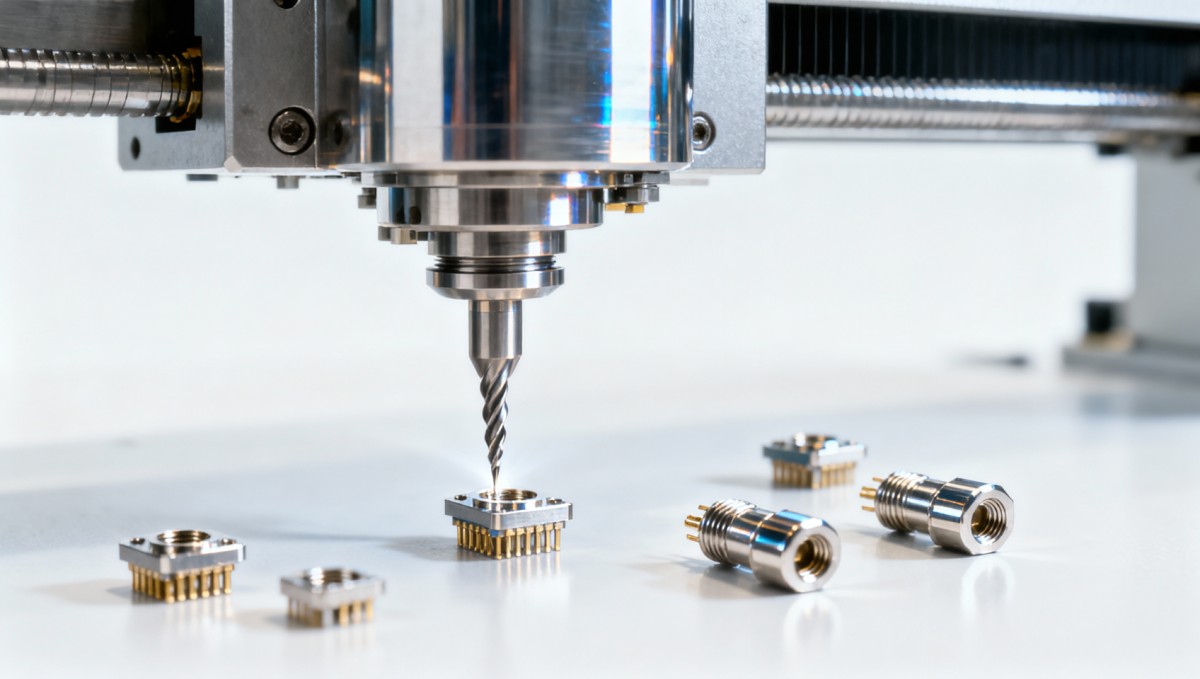
Modern electronics manufacturing demands machining capabilities that can handle components as small as 0.1mm with tolerances under ±5 microns. This precision level is essential for producing connectors, micro-optics, and semiconductor packaging components that power today's miniaturized devices.
Key applications requiring micro-scale machining include:
- 5G antenna components with complex waveguide structures
- Medical implant micro-features (50-200μm surface textures)
- Automotive sensor housings requiring hermetic sealing
- Microfluidic channels for diagnostic devices (20-100μm width)
Leading manufacturers now integrate vision systems and laser measurement tools that provide real-time feedback for maintaining sub-micron accuracy during high-volume production.
Comparing Micro-Machining Equipment Options
When selecting equipment for micro-scale electronics production, consider these critical specifications across different machine types:
For electronics manufacturers, the choice between these technologies depends on material properties, production volumes (typically 10,000-1M units/month), and required surface finishes (often Ra < 0.1μm).
Key Considerations for Micro-Machining Success
Achieving consistent results in micro-scale production requires addressing several technical challenges:
Thermal Management
Temperature fluctuations as small as 1°C can cause dimensional variations exceeding 2μm in precision components. Modern solutions include:
- Machine tools with ±0.1°C thermal stabilization
- Coolant systems maintaining 20±0.5°C
- Isolation from environmental temperature swings
Tooling Selection
Micro-tools (0.1-1.0mm diameter) require specialized considerations:
- Diamond-coated end mills for non-ferrous materials
- Ultra-fine grain carbide for steel alloys
- Tool runout < 1μm for extended tool life
Industry 4.0 Integration for Micro-Manufacturing
Smart manufacturing technologies are transforming micro-scale production through:
- Adaptive machining that compensates for tool wear in real-time
- Digital twins simulating process parameters before physical cutting
- Automated quality inspection with 0.5μm measurement resolution
These advancements reduce setup times by 30-50% and improve first-pass yield rates to >98% for critical micro-components.
FAQs: Micro-Scale Machining for Electronics
What surface finishes can be achieved with micro-machining?
Properly configured systems can achieve Ra values of 0.025-0.1μm, comparable to polishing, while maintaining dimensional tolerances within ±2μm.
How does micro-machining differ from conventional CNC?
Key differences include 10-100x higher spindle speeds (50,000-150,000 RPM), specialized tool holders with <0.3μm runout, and vibration-dampened machine structures.
What materials are most challenging for micro-scale work?
Hardened steels (HRC 50+) and brittle materials like silicon require specialized tool geometries and cutting parameters to prevent tool fracture and edge chipping.
Optimizing Your Micro-Manufacturing Operations
Our team specializes in helping electronics manufacturers implement precision machining solutions that deliver:
- Process validation for new micro-components (2-4 week development cycles)
- Equipment selection matching your specific material and tolerance requirements
- Turnkey solutions integrating machine tools, automation, and metrology
Contact our applications engineers to discuss your project's specific challenges in achieving micron-level precision at production volumes.
PREVIOUS ARTICLE
Recommended for You
![]() AI-Driven CNC Quality Standard Added to 2026 Auto Standards PlanManufacturing Policy Research Center
AI-Driven CNC Quality Standard Added to 2026 Auto Standards PlanManufacturing Policy Research Center![]() Fastenal China Fastener Procurement Up 12% in Q1 2026, Tariff Pressure Cuts MarginGlobal Machine Tool Trade Research Center
Fastenal China Fastener Procurement Up 12% in Q1 2026, Tariff Pressure Cuts MarginGlobal Machine Tool Trade Research Center![]() EU Battery Regulation (2023/1542) Takes Full Effect on Aug 18, 2026Manufacturing Market Research Center
EU Battery Regulation (2023/1542) Takes Full Effect on Aug 18, 2026Manufacturing Market Research Center![]() US ITC Launches Anti-Circumvention Probe on CNC Controls from Vietnam, MexicoManufacturing Policy Research Center
US ITC Launches Anti-Circumvention Probe on CNC Controls from Vietnam, MexicoManufacturing Policy Research Center![]() Global LNG Supply Surge Pressures Gas Prices, Lowers Energy Costs for Chinese CNC ManufacturersGlobal Machine Tool Trade Research Center
Global LNG Supply Surge Pressures Gas Prices, Lowers Energy Costs for Chinese CNC ManufacturersGlobal Machine Tool Trade Research Center![]() China’s CNC Smart Factories Gain Zero-Carbon Certification Mutual RecognitionManufacturing Policy Research Center
China’s CNC Smart Factories Gain Zero-Carbon Certification Mutual RecognitionManufacturing Policy Research Center


Aris Katos
Future of Carbide Coatings
15+ years in precision manufacturing systems. Specialized in high-speed milling and aerospace grade alloy processing.
▶
Precision CNC Manufacturing: Tolerances You Can Expect in 2024CNC Machining Technology Center▶
Why Energy Equipment Manufacturers Are Switching to CNC SolutionsCNC Machining Technology Center▶
The Hidden Maintenance Costs of CNC Machines Most Factories MissCNC Machining Technology Center▶
How to Identify a Reliable CNC Manufacturing Factory OverseasCNC Machining Technology Center▶
High-Speed CNC Manufacturing: When Faster Isn't Always BetterCNC Machining Technology Center
Mastering 5-Axis Workholding Strategies
Join our technical panel on Nov 15th to learn about reducing vibrations in thin-wall components.

Providing you with integrated sanding solutions
Before-sales and after-sales services
Comprehensive technical support