• Global CNC market projected to reach $128B by 2028 • New EU trade regulations for precision tooling components • Aerospace deman
NYSE: CNC +1.2%LME: STEEL -0.4%

Heavy Duty Machine Tools: Built for Industrial-Grade Demands
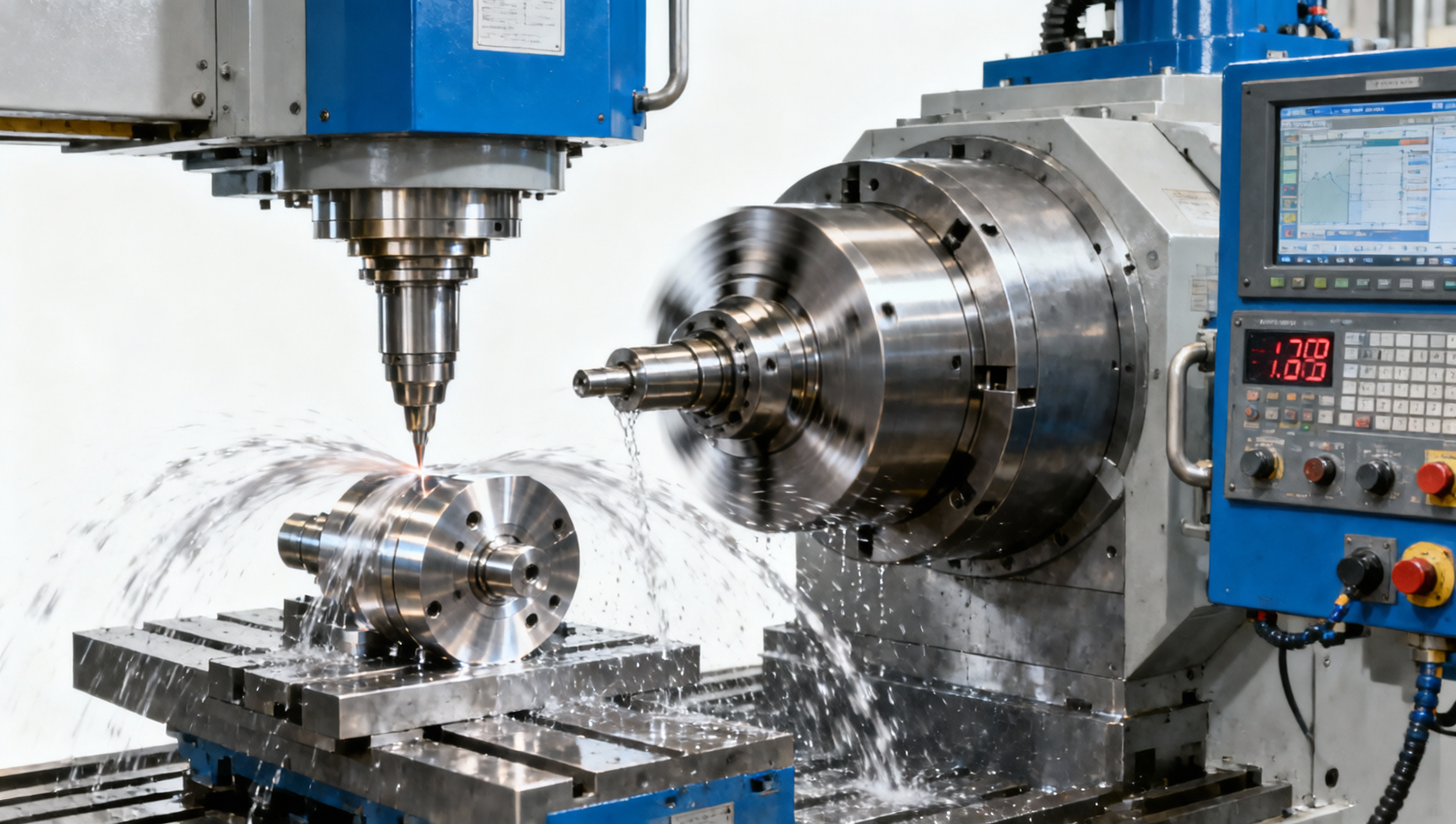
The Critical Role of Heavy Duty Machine Tools in Modern Manufacturing
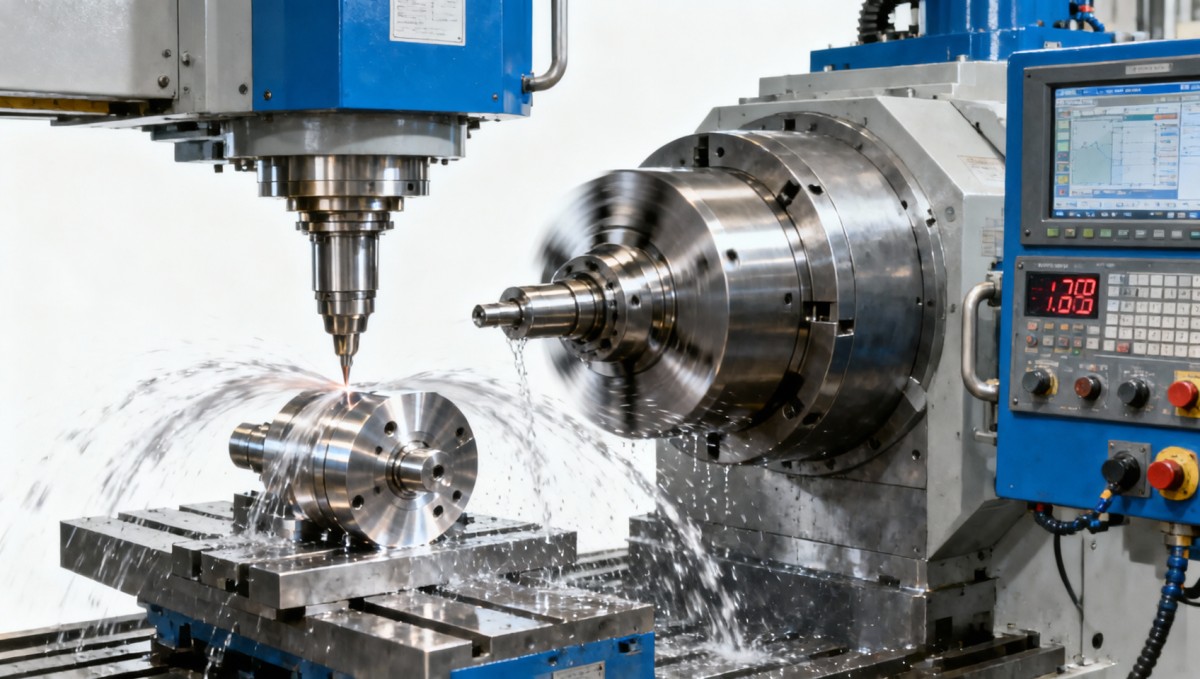
Industrial-grade machine tools form the foundation of precision manufacturing across aerospace, automotive, and energy sectors. These robust systems operate under extreme conditions while maintaining micron-level accuracy - a requirement for producing turbine blades with ±0.005mm tolerances or automotive transmission components with surface finishes below 0.8Ra.
Key Performance Metrics of Heavy Duty CNC Systems
Modern heavy duty CNC machines achieve remarkable specifications that set them apart from standard equipment:
These enhanced capabilities translate to 40-60% higher material removal rates when machining high-strength alloys like Inconel or titanium, significantly reducing production cycle times.
Selecting the Right Heavy Duty Machine for Your Operation
Purchasing decisions for industrial machine tools require evaluating multiple technical and operational factors:
- Workpiece Dimensions: Machines with 1000-4000mm X-axis travel accommodate most aerospace structural components
- Material Compatibility: Look for 50+ HRC hardness capability for hardened steel machining
- Thermal Stability: ±2μm/°C thermal compensation maintains accuracy in fluctuating shop environments
- Automation Readiness: Integrated pallet changers reduce idle time by 30-45%
Cost-Benefit Analysis: Heavy Duty vs. Standard Machines
While heavy duty machines require higher upfront costs, their 7-10 year lifespan and reduced per-part machining costs deliver ROI within 18-36 months for high-volume operations.
Maintenance Strategies for Maximum Uptime
Proper maintenance protocols can extend heavy duty machine tool service life by 30-40% while maintaining original accuracy specifications:
Recommended Maintenance Schedule
- Daily: Coolant concentration checks (maintain 5-8% mix ratio)
- Weekly: Way lubrication inspection (20-30psi pressure verification)
- Monthly: Spindle runout measurement (±0.002mm tolerance)
- Quarterly: Ball screw backlash check (≤0.01mm movement)
- Annual: Full geometric accuracy recertification
Common Failure Points in Heavy Duty Applications
Understanding these critical components helps prevent unplanned downtime:
- Spindle Bearings: 8,000-12,000 hour lifespan under heavy cutting loads
- Linear Guides: Require re-lubrication every 250 operating hours
- Coolant Systems: 90% of premature failures stem from contamination
Industry-Specific Applications and Configurations
Different manufacturing sectors demand specialized machine tool configurations:
Aerospace Machining Requirements
Titanium structural components require machines with:
- High-pressure coolant (1000+ psi)
- Torque motors for 5-axis simultaneous machining
- Vibration-dampened bases for thin-wall machining
Automotive Production Solutions
High-volume engine block production benefits from:
- Multi-pallet systems with 60+ tool capacity
- Built-in probing for automated in-process verification
- Through-spindle coolant for deep hole drilling
Future Trends in Heavy Duty Machining Technology
Emerging technologies are transforming industrial machine tools:
- Digital Twins: Virtual machine models predict maintenance needs with 85% accuracy
- AI Optimization: Adaptive cutting algorithms reduce cycle times by 15-25%
- Hybrid Manufacturing: Combined additive/subtractive systems enable complex geometries
These innovations help manufacturers achieve new levels of productivity while maintaining the rugged reliability expected from heavy duty equipment.
Implementing Heavy Duty Solutions: Next Steps
To evaluate heavy duty machine tools for your operation:
- Conduct a current capacity analysis (machine utilization, bottleneck identification)
- Define future production requirements (materials, volumes, tolerances)
- Request machine demonstrations with your actual workpieces
- Validate ROI projections with lifecycle cost calculations
Contact our engineering team for a customized assessment of your heavy duty machining needs and discover how industrial-grade equipment can transform your manufacturing capabilities.
Recommended for You
![]() AI-Driven CNC Quality Standard Added to 2026 Auto Standards PlanManufacturing Policy Research Center
AI-Driven CNC Quality Standard Added to 2026 Auto Standards PlanManufacturing Policy Research Center![]() Fastenal China Fastener Procurement Up 12% in Q1 2026, Tariff Pressure Cuts MarginGlobal Machine Tool Trade Research Center
Fastenal China Fastener Procurement Up 12% in Q1 2026, Tariff Pressure Cuts MarginGlobal Machine Tool Trade Research Center![]() EU Battery Regulation (2023/1542) Takes Full Effect on Aug 18, 2026Manufacturing Market Research Center
EU Battery Regulation (2023/1542) Takes Full Effect on Aug 18, 2026Manufacturing Market Research Center![]() US ITC Launches Anti-Circumvention Probe on CNC Controls from Vietnam, MexicoManufacturing Policy Research Center
US ITC Launches Anti-Circumvention Probe on CNC Controls from Vietnam, MexicoManufacturing Policy Research Center![]() Global LNG Supply Surge Pressures Gas Prices, Lowers Energy Costs for Chinese CNC ManufacturersGlobal Machine Tool Trade Research Center
Global LNG Supply Surge Pressures Gas Prices, Lowers Energy Costs for Chinese CNC ManufacturersGlobal Machine Tool Trade Research Center![]() China’s CNC Smart Factories Gain Zero-Carbon Certification Mutual RecognitionManufacturing Policy Research Center
China’s CNC Smart Factories Gain Zero-Carbon Certification Mutual RecognitionManufacturing Policy Research Center


Aris Katos
Future of Carbide Coatings
15+ years in precision manufacturing systems. Specialized in high-speed milling and aerospace grade alloy processing.
▶
Precision CNC Manufacturing: Tolerances You Can Expect in 2024CNC Machining Technology Center▶
Why Energy Equipment Manufacturers Are Switching to CNC SolutionsCNC Machining Technology Center▶
The Hidden Maintenance Costs of CNC Machines Most Factories MissCNC Machining Technology Center▶
How to Identify a Reliable CNC Manufacturing Factory OverseasCNC Machining Technology Center▶
High-Speed CNC Manufacturing: When Faster Isn't Always BetterCNC Machining Technology Center
Mastering 5-Axis Workholding Strategies
Join our technical panel on Nov 15th to learn about reducing vibrations in thin-wall components.

Providing you with integrated sanding solutions
Before-sales and after-sales services
Comprehensive technical support