• Global CNC market projected to reach $128B by 2028 • New EU trade regulations for precision tooling components • Aerospace deman
NYSE: CNC +1.2%LME: STEEL -0.4%

Energy-Saving Machine Tools That Reduce Operational Costs Long-Term
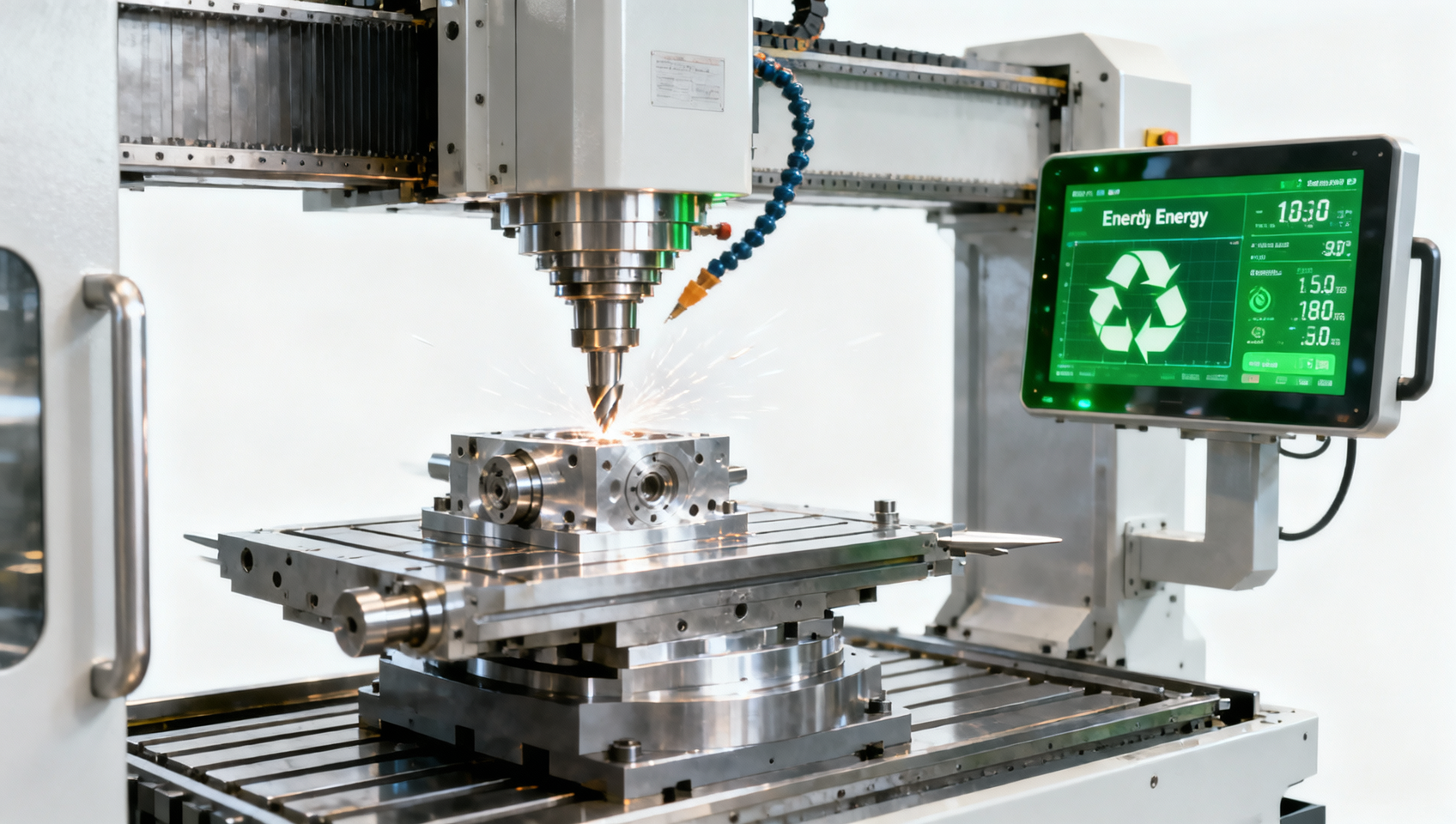
Discover how energy-saving machine tools revolutionize manufacturing efficiency while slashing operational costs. This guide explores cutting-edge CNC manufacturing solutions that combine precision engineering with sustainable performance. From compact machine tools for space-constrained facilities to multi-axis systems for complex aerospace components, learn how modern manufacturers achieve both economic and environmental benefits. Whether you're a procurement specialist evaluating cost-effective CNC manufacturing options or a plant manager implementing automated production lines, these energy-efficient technologies deliver long-term value across automotive, medical, and energy equipment sectors.
How Energy-Saving CNC Machines Cut Operational Costs
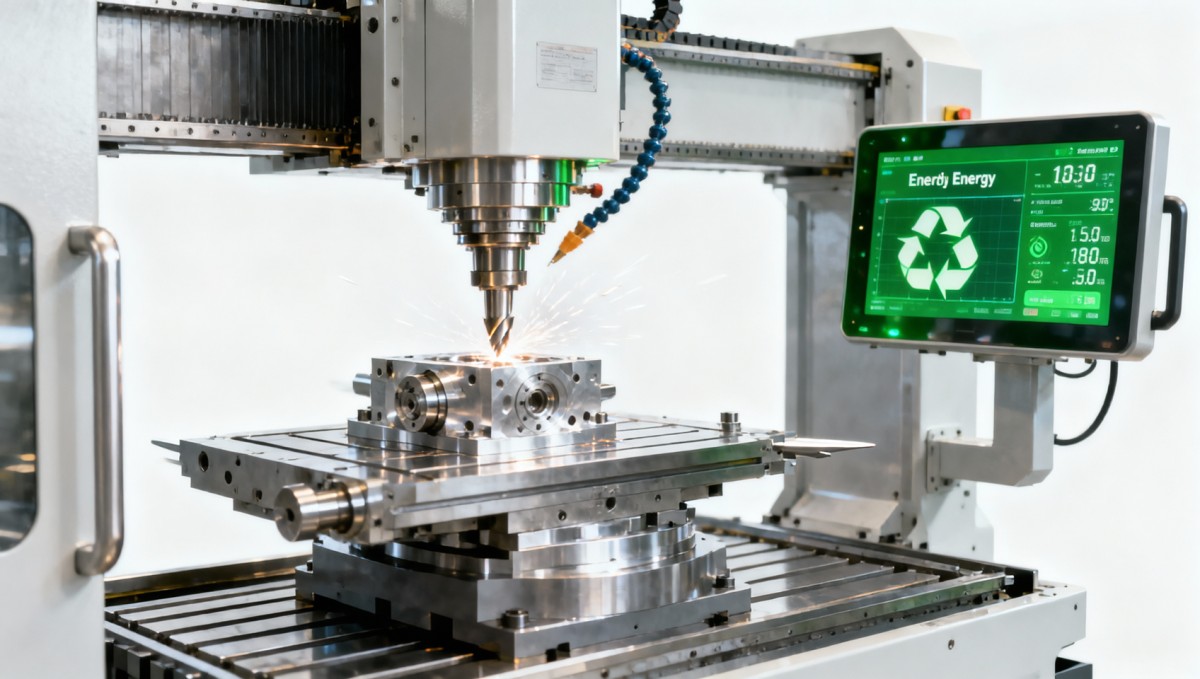
Modern energy-saving machine tools reduce power consumption by 30-50% compared to conventional models through three key innovations: regenerative braking systems that recover kinetic energy, smart power management modules that optimize motor loads, and thermal stabilization technologies that minimize energy waste. These systems collectively lower electricity bills while maintaining ±0.005mm precision standards required for aerospace and medical components.
Leading manufacturers like DMG MORI and Mazak now integrate energy monitoring dashboards that track real-time consumption per workpiece. This data helps production managers identify:
- Idle time energy drains (typically 15-25% of total consumption)
- Optimal spindle speed settings for energy efficiency
- Maintenance triggers based on power curve anomalies
Energy Consumption Comparison: Standard vs. Eco Models
The table below shows typical energy savings across common CNC machine types:
*Based on 2-shift operation (4,000 hrs/year) at $0.12/kWh industrial rate. Actual savings vary by workpiece complexity and facility conditions.
Key Features of High-Efficiency Machine Tools
When evaluating energy-saving CNC equipment, focus on these five technological differentiators that impact both performance and ROI:
- Hybrid drive systems combining servo motors with energy recovery units (15-20% efficiency gain)
- Thermally symmetric structures reducing warm-up time from 60-90 minutes to 15-20 minutes
- Minimum quantity lubrication (MQL) cutting fluid consumption by 80-95%
- Predictive power management adjusting energy use based on cutting forces
- LED workspace lighting consuming 60% less power than halogen alternatives
Certifications to Verify Energy Performance
Look for these industry certifications when comparing machine tools:
- ISO 14955-1 (Machine tool environmental evaluation)
- Blue Competence (VDMA sustainability standard)
- ENERGY STAR for Industrial Equipment
- CE Energy Efficiency Directive compliance
Procurement Guide: Evaluating Total Cost of Ownership
Smart purchasing decisions require analyzing 7 cost factors beyond the initial price tag:
For facilities running 10+ machines, these savings typically justify the 10-15% premium for energy-efficient models within 2-3 years.
Industry-Specific Applications & ROI
Different manufacturing sectors achieve varying returns from energy-efficient CNC investments:
Automotive Component Production
High-volume transmission plants report 18-22% energy reduction per part using:
- Multi-tasking turn-mill centers with shared spindle drives
- Centralized chip conveyor systems with energy recovery
- Adaptive roughing algorithms reducing cycle times by 12-15%
Medical Device Manufacturing
Precision machining of titanium implants benefits from:
- Micro-lubrication systems using 90% less coolant
- High-speed spindles with optimized power curves
- Vacuum workholding eliminating hydraulic power units
FAQs: Energy-Efficient Machine Tool Selection
How much more do energy-saving CNC machines cost?
Premium ranges from 8-18% depending on machine size and features. Entry-level 3-axis mills typically carry a $15,000-$25,000 premium, while 5-axis models may cost $40,000-$60,000 more than standard versions.
What maintenance differences should we expect?
Energy-efficient models require 30-40% fewer coolant changes, 50% less hydraulic fluid replacement, and 20-30% longer bearing life due to reduced thermal stress. However, power monitoring systems need quarterly calibration.
Can older machines be retrofitted for energy savings?
Limited retrofits (spindle drives, LED lighting, MQL systems) can achieve 15-25% energy reduction at 20-35% of new machine cost. Full energy performance requires next-generation machine architecture.
Next Steps for Cost-Reduction Planning
To develop a customized energy-saving strategy for your manufacturing operation:
- Request an energy audit of your current CNC equipment
- Compare 3-year TCO projections for standard vs. efficient models
- Evaluate available government incentives for green manufacturing
- Schedule live demonstrations with power monitoring displays
Our engineering team specializes in transition planning from conventional to energy-efficient CNC systems, with proven methodologies that minimize production disruption while maximizing long-term savings. Contact us for a facility-specific assessment including ROI calculations tailored to your workpiece mix and production volumes.
PREVIOUS ARTICLE
Recommended for You
![]() AI-Driven CNC Quality Standard Added to 2026 Auto Standards PlanManufacturing Policy Research Center
AI-Driven CNC Quality Standard Added to 2026 Auto Standards PlanManufacturing Policy Research Center![]() Fastenal China Fastener Procurement Up 12% in Q1 2026, Tariff Pressure Cuts MarginGlobal Machine Tool Trade Research Center
Fastenal China Fastener Procurement Up 12% in Q1 2026, Tariff Pressure Cuts MarginGlobal Machine Tool Trade Research Center![]() EU Battery Regulation (2023/1542) Takes Full Effect on Aug 18, 2026Manufacturing Market Research Center
EU Battery Regulation (2023/1542) Takes Full Effect on Aug 18, 2026Manufacturing Market Research Center![]() US ITC Launches Anti-Circumvention Probe on CNC Controls from Vietnam, MexicoManufacturing Policy Research Center
US ITC Launches Anti-Circumvention Probe on CNC Controls from Vietnam, MexicoManufacturing Policy Research Center![]() Global LNG Supply Surge Pressures Gas Prices, Lowers Energy Costs for Chinese CNC ManufacturersGlobal Machine Tool Trade Research Center
Global LNG Supply Surge Pressures Gas Prices, Lowers Energy Costs for Chinese CNC ManufacturersGlobal Machine Tool Trade Research Center![]() China’s CNC Smart Factories Gain Zero-Carbon Certification Mutual RecognitionManufacturing Policy Research Center
China’s CNC Smart Factories Gain Zero-Carbon Certification Mutual RecognitionManufacturing Policy Research Center


Aris Katos
Future of Carbide Coatings
15+ years in precision manufacturing systems. Specialized in high-speed milling and aerospace grade alloy processing.
▶
Precision CNC Manufacturing: Tolerances You Can Expect in 2024CNC Machining Technology Center▶
Why Energy Equipment Manufacturers Are Switching to CNC SolutionsCNC Machining Technology Center▶
The Hidden Maintenance Costs of CNC Machines Most Factories MissCNC Machining Technology Center▶
How to Identify a Reliable CNC Manufacturing Factory OverseasCNC Machining Technology Center▶
High-Speed CNC Manufacturing: When Faster Isn't Always BetterCNC Machining Technology Center
Mastering 5-Axis Workholding Strategies
Join our technical panel on Nov 15th to learn about reducing vibrations in thin-wall components.

Providing you with integrated sanding solutions
Before-sales and after-sales services
Comprehensive technical support