• Global CNC market projected to reach $128B by 2028 • New EU trade regulations for precision tooling components • Aerospace deman
NYSE: CNC +1.2%LME: STEEL -0.4%

Industrial Automation Control Systems: CNC Machine Integration
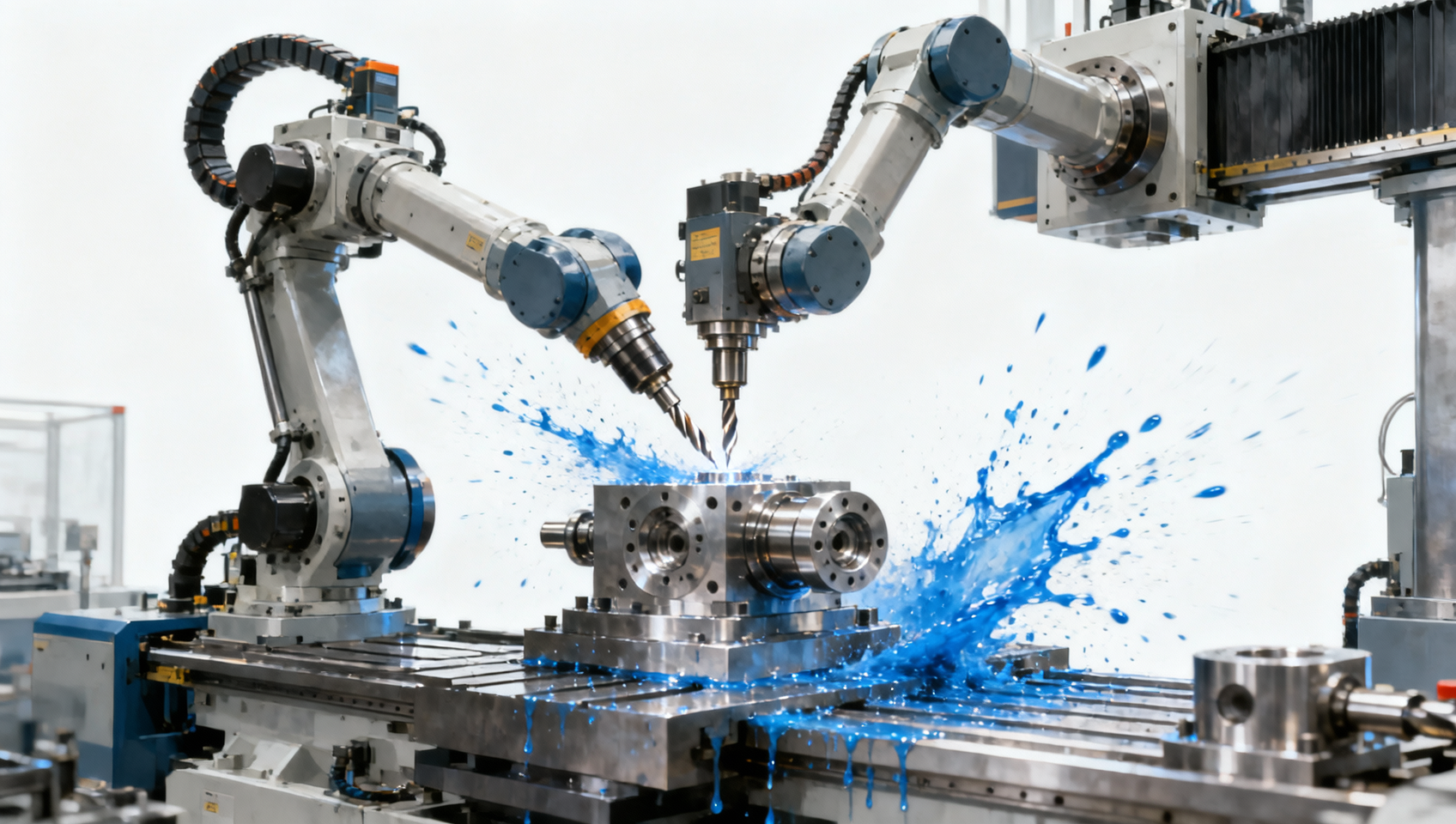
The Evolution of CNC Machine Integration in Industrial Automation
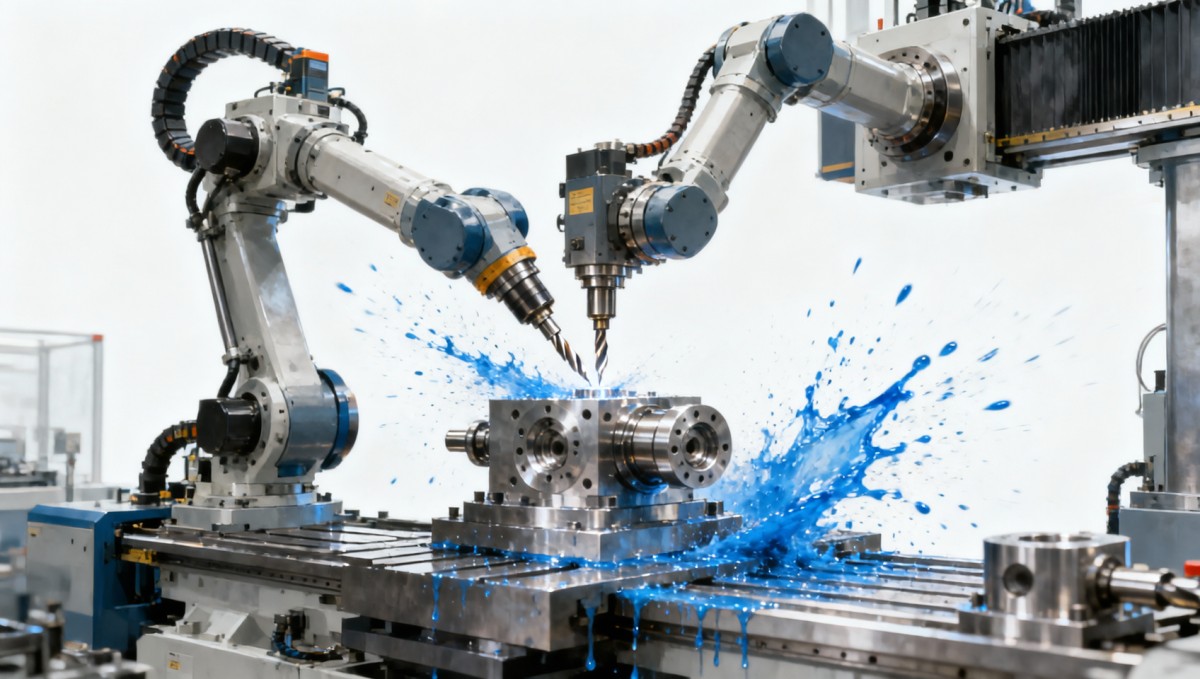
Industrial automation control systems have become the backbone of modern CNC machine integration, driving precision manufacturing across aerospace, automotive, and medical device sectors. By 2025, the global CNC machine tool market is projected to reach $117 billion, with automation integration accounting for 42% of new installations. This transformation enables manufacturers to achieve tolerances as tight as ±0.002mm while reducing setup times by 60-75% compared to conventional methods.
Key Components of Automated CNC Systems
Modern CNC integration combines several critical components that work in unison:
- Multi-axis machining centers (5-9 axis configurations)
- Automated tool changers with 30-120 tool capacity
- Robotic part loading/unloading systems
- In-process measurement and compensation
- Cloud-based monitoring and analytics
The table above demonstrates how strategic investments in automation components can deliver measurable ROI within 12-24 months for medium to high-volume production environments.
Industry-Specific Integration Solutions
Different manufacturing sectors require tailored approaches to CNC automation:
Aerospace Manufacturing
Aerospace applications demand specialized configurations to handle titanium and composite materials. Typical solutions include:
- High-torque spindles (15,000-30,000 RPM)
- Advanced coolant systems for heat-sensitive alloys
- Laser-assisted machining for composite trimming
- Automated CMM integration for AS9100 compliance
Automotive Production
Automotive manufacturers benefit from high-volume automation with:
- Turnkey machining cells with 60-120 second cycle times
- Automated guided vehicle (AGV) part transfer
- Predictive maintenance systems reducing downtime by 40%
- Quick-change fixture systems for model variations
Implementation Considerations for Automation
Successful CNC automation integration requires careful planning across several dimensions:
Manufacturers should allocate 3-6 months for complete system commissioning, including 2-3 weeks for production validation and process optimization.
Energy Efficiency Considerations
Modern CNC automation systems can reduce energy consumption by 25-40% through:
- Regenerative braking systems
- Smart power management during idle periods
- High-efficiency spindle motors (IE4 class)
- LED machine lighting with motion sensors
Future Trends in CNC Automation
The next generation of CNC integration will focus on three key areas:
Digital Twin Technology
Virtual machine models that predict performance with 95% accuracy before physical implementation, reducing commissioning time by 30-50%.
AI-Driven Process Optimization
Machine learning algorithms that automatically adjust cutting parameters, improving tool life by 15-25% and surface finish quality by 2-3 Ra points.
Collaborative Robotics
Cobots working alongside CNC machines can handle 70% of part loading/unloading tasks without safety cages, requiring only 15-25% of traditional robotic cell space.
For manufacturers evaluating CNC automation systems, the optimal approach combines current proven technologies with a roadmap for future upgrades. Partnering with experienced integration specialists can help identify the right balance between immediate productivity gains and long-term flexibility.
To explore customized CNC automation solutions for your specific production requirements, contact our engineering team for a comprehensive facility assessment and ROI analysis.
Recommended for You
![]() AI-Driven CNC Quality Standard Added to 2026 Auto Standards PlanManufacturing Policy Research Center
AI-Driven CNC Quality Standard Added to 2026 Auto Standards PlanManufacturing Policy Research Center![]() Fastenal China Fastener Procurement Up 12% in Q1 2026, Tariff Pressure Cuts MarginGlobal Machine Tool Trade Research Center
Fastenal China Fastener Procurement Up 12% in Q1 2026, Tariff Pressure Cuts MarginGlobal Machine Tool Trade Research Center![]() EU Battery Regulation (2023/1542) Takes Full Effect on Aug 18, 2026Manufacturing Market Research Center
EU Battery Regulation (2023/1542) Takes Full Effect on Aug 18, 2026Manufacturing Market Research Center![]() US ITC Launches Anti-Circumvention Probe on CNC Controls from Vietnam, MexicoManufacturing Policy Research Center
US ITC Launches Anti-Circumvention Probe on CNC Controls from Vietnam, MexicoManufacturing Policy Research Center![]() Global LNG Supply Surge Pressures Gas Prices, Lowers Energy Costs for Chinese CNC ManufacturersGlobal Machine Tool Trade Research Center
Global LNG Supply Surge Pressures Gas Prices, Lowers Energy Costs for Chinese CNC ManufacturersGlobal Machine Tool Trade Research Center![]() China’s CNC Smart Factories Gain Zero-Carbon Certification Mutual RecognitionManufacturing Policy Research Center
China’s CNC Smart Factories Gain Zero-Carbon Certification Mutual RecognitionManufacturing Policy Research Center


Aris Katos
Future of Carbide Coatings
15+ years in precision manufacturing systems. Specialized in high-speed milling and aerospace grade alloy processing.
▶
Precision CNC Manufacturing: Tolerances You Can Expect in 2024CNC Machining Technology Center▶
Why Energy Equipment Manufacturers Are Switching to CNC SolutionsCNC Machining Technology Center▶
The Hidden Maintenance Costs of CNC Machines Most Factories MissCNC Machining Technology Center▶
How to Identify a Reliable CNC Manufacturing Factory OverseasCNC Machining Technology Center▶
High-Speed CNC Manufacturing: When Faster Isn't Always BetterCNC Machining Technology Center
Mastering 5-Axis Workholding Strategies
Join our technical panel on Nov 15th to learn about reducing vibrations in thin-wall components.

Providing you with integrated sanding solutions
Before-sales and after-sales services
Comprehensive technical support