• Global CNC market projected to reach $128B by 2028 • New EU trade regulations for precision tooling components • Aerospace deman
NYSE: CNC +1.2%LME: STEEL -0.4%

Modular Tooling Systems: Flexibility for Changing Production Needs
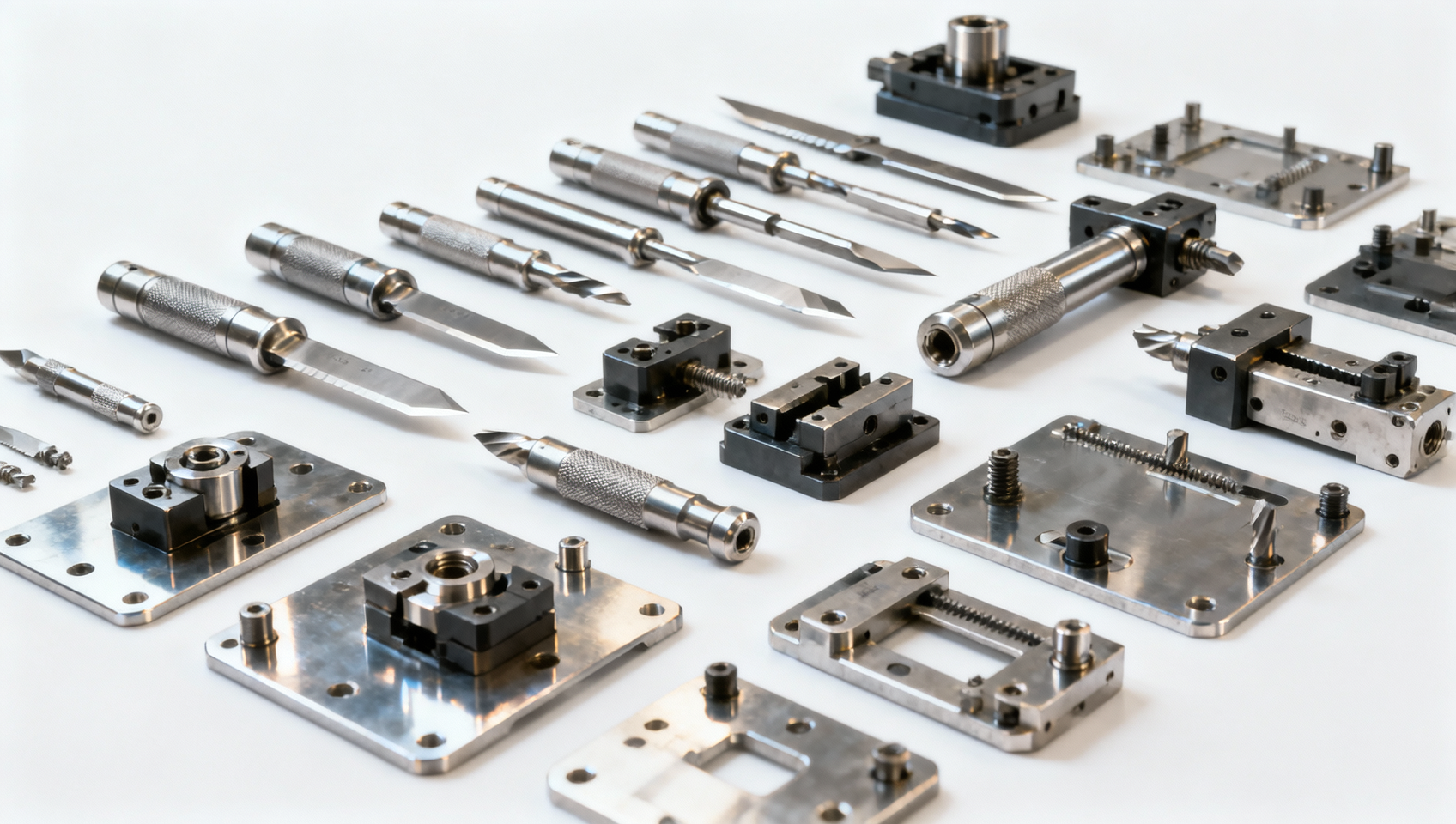
The Rise of Modular Tooling in Modern Manufacturing
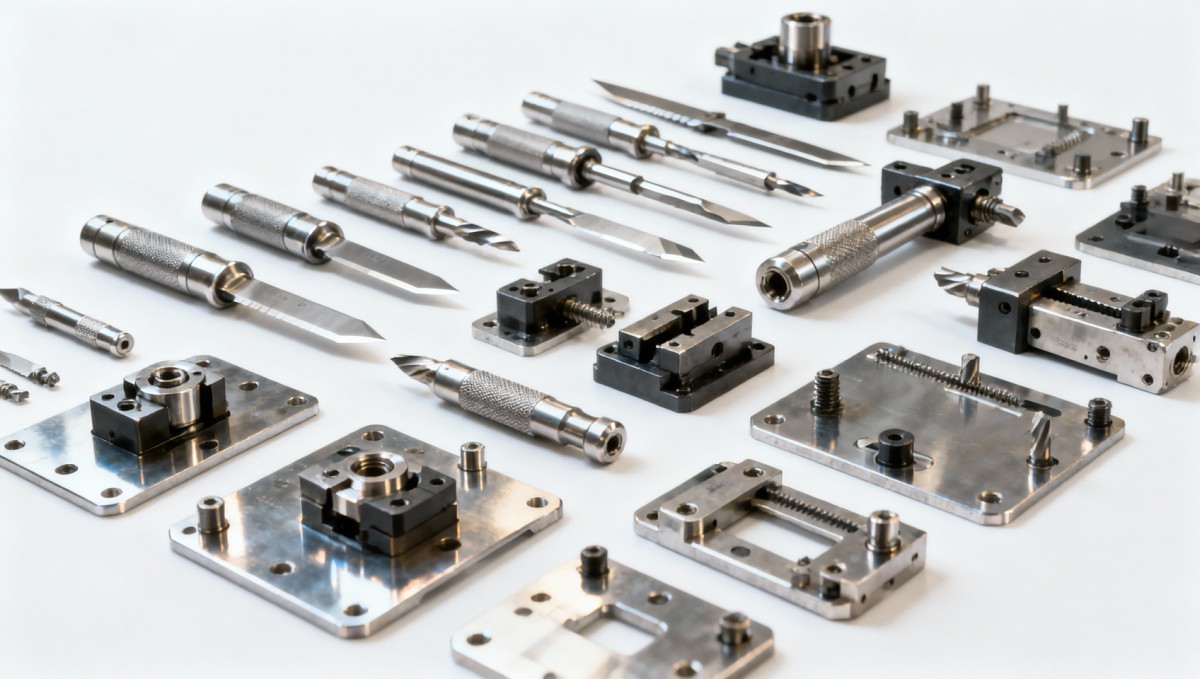
In today's rapidly evolving manufacturing landscape, modular tooling systems have emerged as a game-changing solution for production flexibility. As industries from aerospace to automotive demand high-precision CNC manufacturing and automated production lines, these versatile systems offer quick-change capabilities and space-saving designs. Whether you're a machine tool wholesaler seeking cost-effective solutions or an aerospace manufacturer requiring multi-axis machining, our modular approach ensures low-maintenance, energy-efficient operations with the precision needed for complex components.
Why Modular Systems Outperform Traditional Tooling
Traditional fixed tooling systems often struggle to keep pace with today's dynamic production requirements. Modular tooling delivers 30-50% faster changeover times compared to conventional setups, according to industry benchmarks. This agility directly translates to reduced downtime and increased throughput for high-mix production environments.
The table above demonstrates how modular tooling systems provide measurable advantages across critical operational metrics. For manufacturers running 24/7 production cycles, these improvements can yield annual savings of $120,000-$250,000 per machine center.
Key Applications Across Industries
Modular tooling systems have proven particularly valuable in industries requiring frequent product changeovers and high precision:
- Aerospace: Accommodates complex titanium/aluminum parts with ±0.0005" tolerance requirements
- Automotive: Enables rapid transitions between EV battery components and traditional powertrain parts
- Medical Devices: Supports FDA-compliant production of implants with quick sterilization changeovers
- Energy: Handles large turbine components up to 5-ton capacity with precision positioning
Technical Specifications for Optimal Performance
When evaluating modular tooling systems, consider these critical technical parameters:
For most CNC machining centers, we recommend systems achieving at least ±0.0005" repeatability with 2,500+ lbs load capacity. These specifications ensure compatibility with 80% of common machining applications while maintaining cost efficiency.
Implementation Strategies for Maximum ROI
Successful integration of modular tooling requires careful planning across these phases:
- Assessment: Conduct current-state analysis of changeover processes (typically 2-3 week evaluation)
- Design: Develop customized interface plates and tooling packages (4-6 week lead time)
- Testing: Verify system performance with sample workpieces (1-2 week validation)
- Training: Implement operator certification programs (3-5 days per shift)
- Optimization: Continuous improvement through data tracking (ongoing)
Common Pitfalls to Avoid
Many manufacturers encounter these challenges when adopting modular systems:
- Underestimating the importance of standardized workholding interfaces
- Overlooking coolant compatibility with quick-change components
- Failing to document tooling configurations for repeat jobs
- Neglecting preventive maintenance schedules (recommended every 500-800 hours)
Future Trends in Modular Tooling Technology
The next generation of modular systems will incorporate:
- IoT-enabled tooling with real-time wear monitoring (projected 25% adoption by 2026)
- AI-driven changeover optimization reducing setup times by additional 30-40%
- Lightweight composite materials increasing payload capacity by 15-20%
- Standardized interfaces for hybrid additive/subtractive manufacturing
Frequently Asked Questions
How do modular systems impact production scheduling?
Modular tooling typically enables 40-60% more production changeovers per shift, allowing manufacturers to implement just-in-time sequencing for small batch sizes (as low as 5-10 units economically).
What's the typical payback period for modular tooling investments?
Most operations achieve ROI within 8-14 months through reduced changeover labor, increased machine utilization, and lower perishable tooling costs.
Can existing CNC machines be retrofitted with modular systems?
Approximately 85% of modern CNC equipment can be adapted with interface plates and compatible tooling, though machines older than 15 years may require additional modifications.
Next Steps for Implementation
To explore how modular tooling can transform your production flexibility:
- Request a facility assessment from our application engineers
- Schedule a demonstration with your specific workpiece samples
- Access our ROI calculator for your production scenario
Contact our solutions team today to discuss your specific requirements and develop a phased implementation plan tailored to your operational needs and budget parameters.
Recommended for You
![]() AI-Driven CNC Quality Standard Added to 2026 Auto Standards PlanManufacturing Policy Research Center
AI-Driven CNC Quality Standard Added to 2026 Auto Standards PlanManufacturing Policy Research Center![]() Fastenal China Fastener Procurement Up 12% in Q1 2026, Tariff Pressure Cuts MarginGlobal Machine Tool Trade Research Center
Fastenal China Fastener Procurement Up 12% in Q1 2026, Tariff Pressure Cuts MarginGlobal Machine Tool Trade Research Center![]() EU Battery Regulation (2023/1542) Takes Full Effect on Aug 18, 2026Manufacturing Market Research Center
EU Battery Regulation (2023/1542) Takes Full Effect on Aug 18, 2026Manufacturing Market Research Center![]() US ITC Launches Anti-Circumvention Probe on CNC Controls from Vietnam, MexicoManufacturing Policy Research Center
US ITC Launches Anti-Circumvention Probe on CNC Controls from Vietnam, MexicoManufacturing Policy Research Center![]() Global LNG Supply Surge Pressures Gas Prices, Lowers Energy Costs for Chinese CNC ManufacturersGlobal Machine Tool Trade Research Center
Global LNG Supply Surge Pressures Gas Prices, Lowers Energy Costs for Chinese CNC ManufacturersGlobal Machine Tool Trade Research Center![]() China’s CNC Smart Factories Gain Zero-Carbon Certification Mutual RecognitionManufacturing Policy Research Center
China’s CNC Smart Factories Gain Zero-Carbon Certification Mutual RecognitionManufacturing Policy Research Center


Aris Katos
Future of Carbide Coatings
15+ years in precision manufacturing systems. Specialized in high-speed milling and aerospace grade alloy processing.
▶
Precision CNC Manufacturing: Tolerances You Can Expect in 2024CNC Machining Technology Center▶
Why Energy Equipment Manufacturers Are Switching to CNC SolutionsCNC Machining Technology Center▶
The Hidden Maintenance Costs of CNC Machines Most Factories MissCNC Machining Technology Center▶
How to Identify a Reliable CNC Manufacturing Factory OverseasCNC Machining Technology Center▶
High-Speed CNC Manufacturing: When Faster Isn't Always BetterCNC Machining Technology Center
Mastering 5-Axis Workholding Strategies
Join our technical panel on Nov 15th to learn about reducing vibrations in thin-wall components.

Providing you with integrated sanding solutions
Before-sales and after-sales services
Comprehensive technical support