• Global CNC market projected to reach $128B by 2028 • New EU trade regulations for precision tooling components • Aerospace deman
NYSE: CNC +1.2%LME: STEEL -0.4%

Machine Tool Wholesaler vs. Direct Manufacturer: Which Saves More?
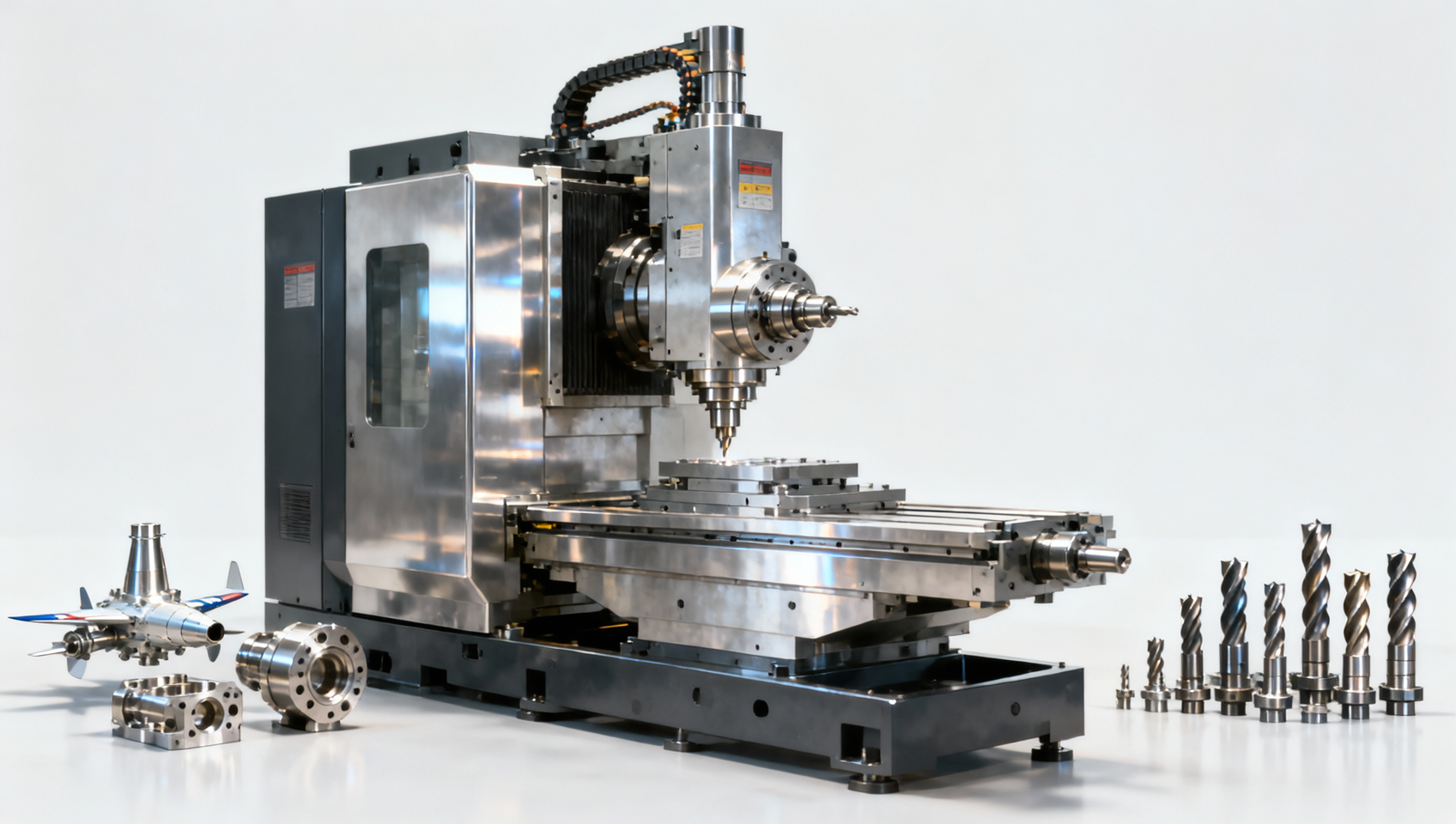
Cost Structure Analysis: Wholesaler vs. Direct Manufacturer
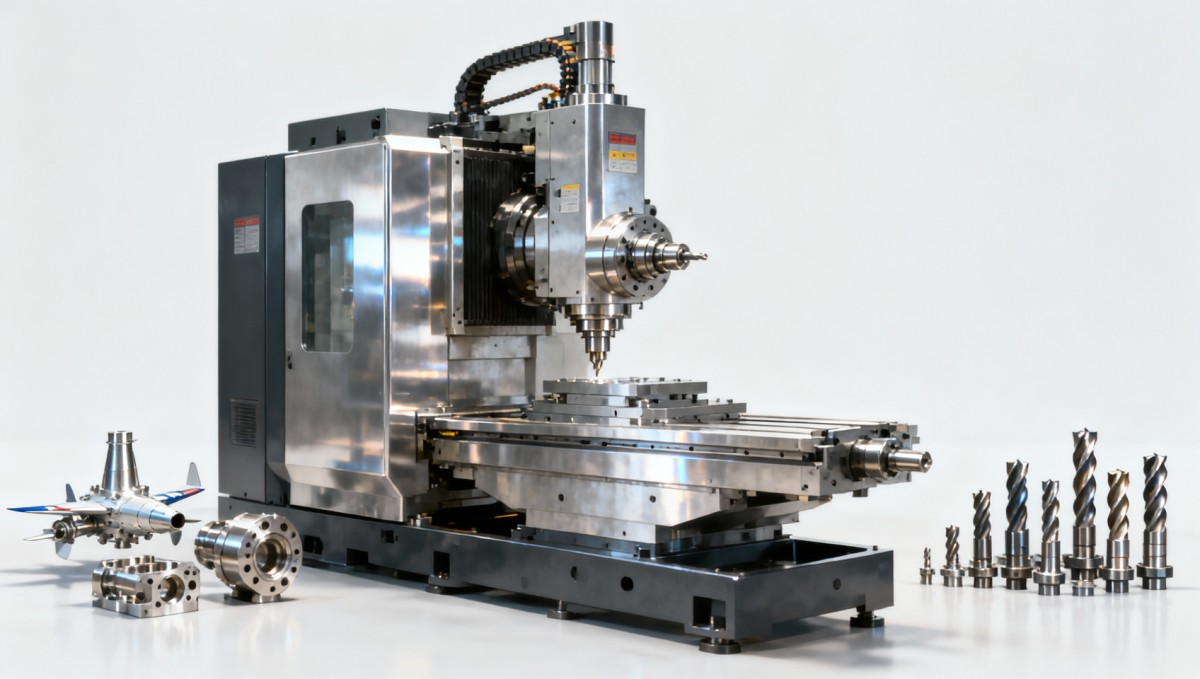
When sourcing CNC machine tools for aerospace components or automotive production lines, procurement teams face a fundamental choice between wholesalers and direct manufacturers. The cost implications extend beyond initial purchase prices to include maintenance contracts, tooling compatibility, and lifecycle support.
Wholesalers typically offer 15-30% lower upfront costs for standard 3-axis machining centers, leveraging bulk purchasing power from multiple manufacturers. However, direct manufacturers provide integrated solutions for complex 5-axis systems, where the total cost of ownership (TCO) over 5-7 years becomes more favorable due to proprietary control systems and direct technical support.
Hidden Cost Factors in CNC Procurement
- Custom fixture adaptation (2-4 weeks lead time through wholesalers vs. 1-2 weeks with OEMs)
- Spare parts availability (85-95% for manufacturers vs. 60-75% for distributors)
- Software updates (annual licensing fees may apply with third-party channels)
Technical Capability Comparison
Precision requirements in medical device manufacturing or turbine component production demand different sourcing approaches. The table below compares critical technical dimensions:
For high-mix production requiring ±0.002mm tolerances, direct manufacturer support reduces scrap rates by 18-25% compared to generic wholesaler equipment. The difference becomes critical when machining titanium aerospace components or optical-grade polymer molds.
Procurement Decision Framework
Use this 5-point evaluation matrix when selecting your supply channel for CNC turning centers or machining systems:
- Annual Volume: Below 500 parts/year favors wholesalers; above 1,200 justifies OEM investment
- Material Complexity: Exotic alloys (Inconel, Tungsten) require manufacturer metallurgy expertise
- Changeover Frequency: 10+ setups/month benefits from OEM quick-change systems
- Regulatory Needs: Medical/Aerospace certifications often require traceable OEM documentation
- Automation Roadmap: Future smart factory integration favors direct technology partnerships
Industry-Specific Recommendations
Automotive tier suppliers running 24/7 production of engine blocks achieve 7-12% lower per-part costs through manufacturer-direct high-volume agreements. Conversely, job shops handling prototype work for consumer electronics benefit from wholesalers' inventory flexibility.
After-Service & Support Considerations
The service gap between channels becomes apparent during unplanned downtime:
Strategic Partnership Advantages
Forward-thinking manufacturers now offer hybrid procurement models that combine wholesale pricing with OEM support:
- Multi-year service credits (5-8% of CAPEX)
- Technology upgrade pathways (3-5 year cycles)
- Application engineering consults (10-15 days/year included)
- Training programs for next-gen controls (70+ hours certified)
Customized Procurement Solutions
Our cross-channel sourcing platform helps aerospace and medical device manufacturers optimize their machine tool investments. Request a TCO analysis comparing:
- Wholesale inventory vs. OEM-direct lead times (4-6 week differential)
- Energy consumption profiles (15-25kW variance in 5-axis models)
- Tooling compatibility matrices for your existing fixtures
Connect with our CNC procurement specialists to receive a channel comparison specific to your production volumes, material mix, and precision requirements. We provide neutral recommendations based on 12 key performance indicators across your manufacturing operations.
PREVIOUS ARTICLE
Recommended for You
![]() AI-Driven CNC Quality Standard Added to 2026 Auto Standards PlanManufacturing Policy Research Center
AI-Driven CNC Quality Standard Added to 2026 Auto Standards PlanManufacturing Policy Research Center![]() Fastenal China Fastener Procurement Up 12% in Q1 2026, Tariff Pressure Cuts MarginGlobal Machine Tool Trade Research Center
Fastenal China Fastener Procurement Up 12% in Q1 2026, Tariff Pressure Cuts MarginGlobal Machine Tool Trade Research Center![]() EU Battery Regulation (2023/1542) Takes Full Effect on Aug 18, 2026Manufacturing Market Research Center
EU Battery Regulation (2023/1542) Takes Full Effect on Aug 18, 2026Manufacturing Market Research Center![]() US ITC Launches Anti-Circumvention Probe on CNC Controls from Vietnam, MexicoManufacturing Policy Research Center
US ITC Launches Anti-Circumvention Probe on CNC Controls from Vietnam, MexicoManufacturing Policy Research Center![]() Global LNG Supply Surge Pressures Gas Prices, Lowers Energy Costs for Chinese CNC ManufacturersGlobal Machine Tool Trade Research Center
Global LNG Supply Surge Pressures Gas Prices, Lowers Energy Costs for Chinese CNC ManufacturersGlobal Machine Tool Trade Research Center![]() China’s CNC Smart Factories Gain Zero-Carbon Certification Mutual RecognitionManufacturing Policy Research Center
China’s CNC Smart Factories Gain Zero-Carbon Certification Mutual RecognitionManufacturing Policy Research Center


Aris Katos
Future of Carbide Coatings
15+ years in precision manufacturing systems. Specialized in high-speed milling and aerospace grade alloy processing.
▶
Precision CNC Manufacturing: Tolerances You Can Expect in 2024CNC Machining Technology Center▶
Why Energy Equipment Manufacturers Are Switching to CNC SolutionsCNC Machining Technology Center▶
The Hidden Maintenance Costs of CNC Machines Most Factories MissCNC Machining Technology Center▶
How to Identify a Reliable CNC Manufacturing Factory OverseasCNC Machining Technology Center▶
High-Speed CNC Manufacturing: When Faster Isn't Always BetterCNC Machining Technology Center
Mastering 5-Axis Workholding Strategies
Join our technical panel on Nov 15th to learn about reducing vibrations in thin-wall components.

Providing you with integrated sanding solutions
Before-sales and after-sales services
Comprehensive technical support