• Global CNC market projected to reach $128B by 2028 • New EU trade regulations for precision tooling components • Aerospace deman
NYSE: CNC +1.2%LME: STEEL -0.4%

CNC metalworking mistakes that lead to costly rework
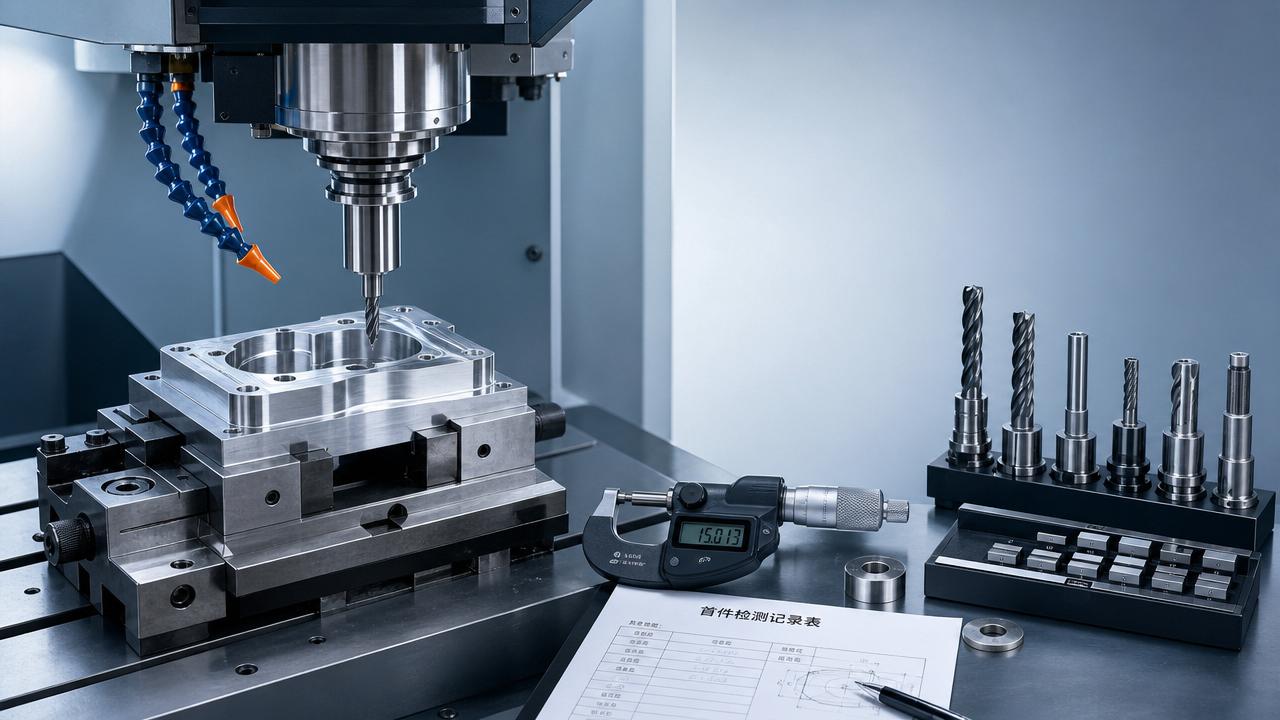
Even small errors in CNC metalworking can trigger dimensional deviations, poor surface finish, tool damage, and expensive rework. For machine operators and shop-floor users, understanding the most common mistakes is essential to maintaining precision, reducing scrap, and keeping production on schedule. This article highlights the practical issues that often go unnoticed and explains how to prevent them before they affect quality and cost.
In modern production environments, a single setup mistake can affect 10 parts, 100 parts, or an entire shift of output before the problem is detected. In sectors such as automotive, aerospace, electronics, and energy equipment, CNC metalworking errors rarely stay small. They spread through inspection delays, tool wear, fixture instability, and machine downtime. For operators, the goal is not only to make parts, but to make repeatable parts within tolerance, cycle time, and cost targets.
The most expensive rework usually does not come from dramatic machine failure. It comes from routine process gaps: wrong offsets, poor clamping, unstable cutting parameters, neglected tool condition, and weak first-piece verification. When these issues occur together, dimensional drift of just 0.02 mm to 0.10 mm can quickly turn into rejected batches, extra inspection, and delayed delivery.
Where CNC metalworking rework usually begins on the shop floor
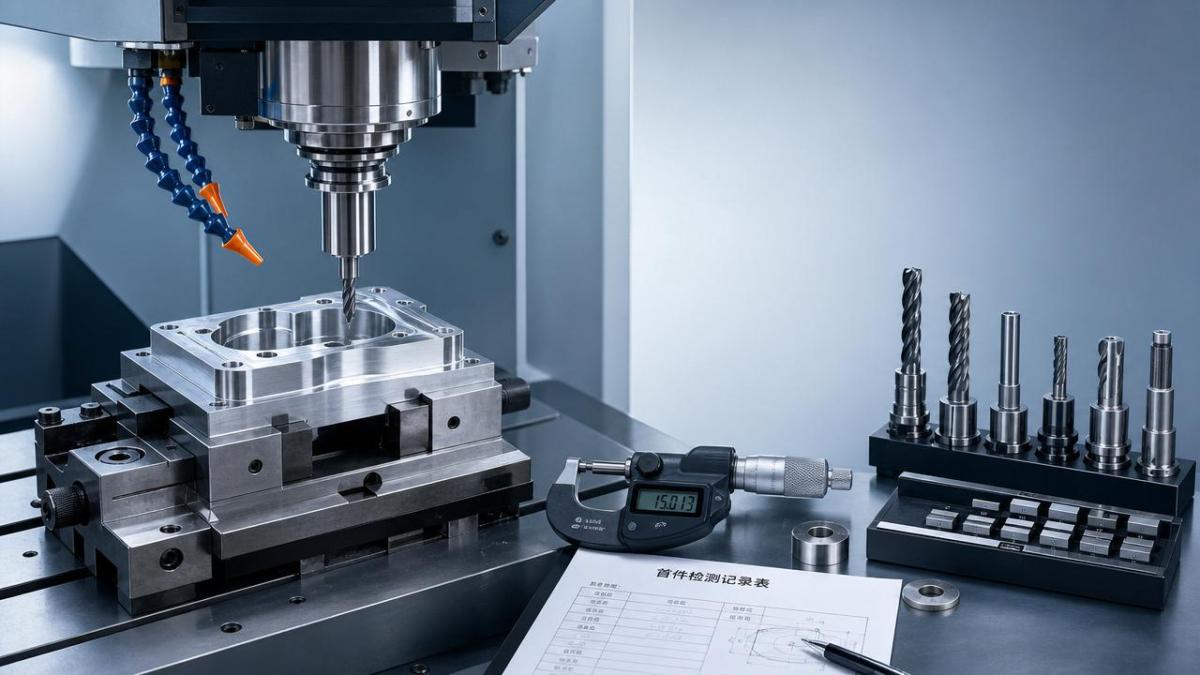
Most rework in CNC metalworking starts before the spindle reaches full production speed. The risk often begins in setup, workholding, program verification, or material handling. Operators who catch errors during the first 1 to 3 pieces can prevent hours of lost machining time and reduce scrap rates significantly.
Incorrect work offsets and zero-point errors
A wrong G54, G55, or tool length offset can create immediate dimensional deviation across every feature in a part. In milling, a Z-axis error of 0.05 mm may be enough to affect pocket depth, flatness, or sealing surfaces. In turning, an incorrect X or Z reference can shift shoulder positions, groove widths, and thread start locations.
This mistake is especially costly in batch production because the machine can continue cutting apparently normal parts for 20 to 60 minutes before inspection reveals the problem. Operators should always verify part zero after fixture loading, machine warm-up, and program changeover, especially when tolerances are tighter than ±0.02 mm.
Practical checks that reduce offset-related scrap
- Confirm fixture seating and chip-free contact surfaces before touching off.
- Recheck tool length compensation after insert replacement or tool preset changes.
- Run a dry cycle or single-block verification on new programs and revised operations.
- Measure the first piece at 3 to 5 critical dimensions before full production.
Weak workholding and poor clamping strategy
Unstable fixturing is another common source of CNC metalworking rework. If clamping force is too low, the part can shift under cutting load. If it is too high, thin-wall components may deform during machining and spring back after unclamping. Both conditions lead to inconsistent dimensions and difficult troubleshooting because the machine itself may appear accurate.
Parts with wall thickness below 3 mm, long shafts, or unsupported overhangs are especially sensitive. In these cases, operators need to evaluate not only clamp location, but also support points, jaw condition, soft jaw machining accuracy, and whether cutting forces are pushing the part into or away from the fixture.
The table below outlines frequent setup-stage errors in CNC metalworking and the typical consequences seen in production.
A clear pattern appears here: many expensive machining errors happen during routine preparation rather than cutting itself. Strong setup discipline can prevent a large share of dimensional failures before cycle time becomes a problem.
Cutting parameter mistakes that damage quality and tools
Even with correct setup, CNC metalworking performance can break down when spindle speed, feed rate, depth of cut, or coolant strategy do not match the material and tooling. A parameter that works for mild steel may fail badly in stainless steel, aluminum, alloy steel, or heat-resistant material. Rework often begins when operators reuse old settings without adjusting for actual cutting conditions.
Running tools too fast, too slow, or too long
Excessive cutting speed can overheat inserts, accelerate flank wear, and damage edge integrity in less than 10 parts. Speed that is too low may create built-up edge, poor chip formation, and inconsistent surface finish. Feed per tooth or feed per revolution also matters. If feed is too aggressive, burrs, vibration, and tolerance drift increase. If too light, the tool may rub instead of cut.
Tool overhang is another hidden factor. Increasing tool projection by just 20% to 30% can reduce rigidity enough to trigger chatter, especially in deep cavities or narrow bores. This often shows up as waviness, poor Ra values, and premature tool failure.
Ignoring coolant delivery and chip evacuation
In CNC metalworking, chips are not just waste material. They are process indicators. Long stringy chips in turning, packed chips in deep pockets, or recutting chips in drilling can all damage surfaces and alter dimensional results. Coolant pressure, nozzle direction, and concentration need regular verification, especially during long cycles above 15 minutes or unattended production windows.
For drilling and tapping, chip evacuation becomes critical as depth increases. A hole depth of 3xD may be manageable with standard settings, but 5xD to 10xD often requires pecking optimization, through-coolant tooling, or reduced feed zones. If these are ignored, tool breakage and hole geometry errors become much more likely.
Signs that cutting conditions need adjustment
- Surface roughness worsens within the first 5 to 10 parts.
- Tool wear pattern changes suddenly after material batch change.
- Spindle load rises by more than 10% to 15% compared with a stable baseline.
- Chatter appears only at certain tool depths or unsupported lengths.
- Chip color, shape, or evacuation pattern becomes inconsistent.
The following table summarizes typical parameter-related mistakes and the resulting rework risks for operators.
The practical lesson is simple: stable CNC metalworking depends on matching parameters to actual material, part geometry, and machine condition. Using the same numbers for every job may save setup time at first, but it usually costs more in rework later.
Inspection and process control mistakes that let bad parts continue
Rework becomes expensive when errors are detected too late. In many shops, the issue is not that inspection is absent, but that it is delayed, incomplete, or disconnected from real process drift. Measuring only final dimensions while ignoring in-process trends can allow dozens of nonconforming parts to move forward.
Skipping first-piece and in-cycle verification
The first-piece check should never be treated as a formality. It is the point where operators confirm datum alignment, cutter compensation, feature location, and actual surface condition. For parts with 6 to 10 critical dimensions, checking only 2 or 3 is not enough. A missed bore size, slot width, or thread pitch can still lead to complete batch rework.
During production, interval checks are equally important. A common control method is to inspect every 5th part, every 30 minutes, or at each tool life threshold, depending on tolerance sensitivity. This is especially valuable when tool wear is gradual rather than sudden.
Using worn gauges or inconsistent measurement methods
Not all measurement errors come from the machine. Worn calipers, damaged micrometer faces, dirty gauge pins, and inconsistent operator technique can create false confidence. A 0.01 mm reading difference may not matter on a rough feature, but it matters a great deal on bearing fits, sealing diameters, and close-tolerance bores.
Measurement discipline should include gauge cleaning, regular calibration intervals, and clear rules for where and how each feature is checked. If one operator measures a bore near the mouth and another measures at mid-depth, the same part can appear both acceptable and nonconforming.
A practical 5-step control routine for operators
- Verify machine warm-up status and key offsets before the first cut.
- Inspect the first piece against all critical dimensions and surface requirements.
- Monitor tool wear at planned intervals rather than after visible failure.
- Record drift trends such as bore growth, taper increase, or finish decline.
- Stop production immediately if two consecutive parts approach the control limit.
This routine helps operators react before parts cross the tolerance boundary. In many CNC metalworking processes, catching drift at 70% to 80% of the allowed tolerance band is far more efficient than sorting mixed good and bad parts afterward.
How to build a rework-resistant CNC metalworking process
Reducing rework is not only about avoiding mistakes; it is about standardizing habits that keep machining stable across shifts, operators, and material lots. A reliable process combines machine condition, tool management, setup verification, and production feedback into one repeatable system.
Standardize setup sheets and tool life controls
Every repeat job should have a setup sheet with at least 6 core items: datum method, fixture points, tool list, offset references, inspection dimensions, and known risk features. This reduces variation between day shift and night shift and limits the chance that a new operator misses a critical detail.
Tool life should also be controlled by part count, cutting time, or wear threshold. Waiting for catastrophic failure is expensive. Replacing an insert every 40 parts may sound conservative, but it is often cheaper than losing 8 finished parts plus one damaged holder after a breakage event.
Use process feedback to improve future runs
The most efficient shops treat every rework incident as process data. If a certain pocket always shows chatter, or a bore consistently trends high after 25 parts, those observations should go back into the setup plan. Over time, this creates better parameter libraries, better fixturing choices, and faster startup on repeat orders.
For operators and production teams working in high-mix, medium-volume environments, even a simple feedback log can make a measurable difference. Recording 3 to 5 recurring causes of rework per month is enough to highlight whether the root issue is tooling, programming, clamping, material variability, or inspection timing.
Operator-focused checklist before full production release
- Confirm material grade, stock size, and orientation before loading.
- Check fixture contact areas for chips, burrs, and wear marks.
- Verify offsets, tool numbers, and compensation values.
- Inspect the first part completely, not just visually.
- Watch spindle load, chip shape, and finish quality for the first 3 to 5 cycles.
- Document any compensation changes for the next shift.
This kind of checklist is especially useful in CNC metalworking cells with multiple machines, different materials, and frequent setup changeovers. It creates repeatability without slowing production more than a few minutes per job.
Costly rework in CNC metalworking is usually the result of small, preventable errors that accumulate across setup, cutting, and inspection. Operators who control offsets, fixture stability, cutting parameters, chip evacuation, and in-process measurement can prevent many of the failures that lead to scrap, delay, and extra labor. In precision manufacturing, consistent execution is what protects both quality and delivery performance.
If you want to improve machining stability, reduce repeat defects, or optimize production for demanding metal parts, now is the right time to review your current process. Contact us to discuss practical CNC metalworking solutions, get a tailored production support plan, or learn more about precision manufacturing strategies for your shop floor.
PREVIOUS ARTICLE
Recommended for You
![]() Five Ministries Launch Joint Enforcement on EV Battery RecyclingManufacturing Policy Research Center
Five Ministries Launch Joint Enforcement on EV Battery RecyclingManufacturing Policy Research Center![]() Top 10 Future Industries Roadmap 2026 ReleasedManufacturing Market Research Center
Top 10 Future Industries Roadmap 2026 ReleasedManufacturing Market Research Center![]() Global Methanol-Electric Ecosystem Alliance LaunchedManufacturing Market Research Center
Global Methanol-Electric Ecosystem Alliance LaunchedManufacturing Market Research Center![]() ISO 23218-3:2026 Enters Force: CNC Digital Twin Interoperability Standard Goes GlobalCNC Machining Technology Center
ISO 23218-3:2026 Enters Force: CNC Digital Twin Interoperability Standard Goes GlobalCNC Machining Technology Center![]() ANVISA New Rule: Portuguese Biocompatibility Labels for Medical CNC EquipmentManufacturing Policy Research Center
ANVISA New Rule: Portuguese Biocompatibility Labels for Medical CNC EquipmentManufacturing Policy Research Center![]() KATS Updates KC Certification: CNC Cybersecurity Modules Must Comply with IEC 62443-4-2Manufacturing Policy Research Center
KATS Updates KC Certification: CNC Cybersecurity Modules Must Comply with IEC 62443-4-2Manufacturing Policy Research Center


Aris Katos
Future of Carbide Coatings
15+ years in precision manufacturing systems. Specialized in high-speed milling and aerospace grade alloy processing.
▶
ISO 23218-3:2026 Enters Force: CNC Digital Twin Interoperability Standard Goes GlobalCNC Machining Technology Center▶
CNC Programming errors that create repeat scrap patternsCNC Machining Technology Center▶
CNC milling finish problems that tool changes alone cannot fixCNC Machining Technology Center▶
CNC metalworking mistakes that lead to costly reworkCNC Machining Technology Center▶
Is space-saving CNC manufacturing losing service accessCNC Machining Technology Center
Mastering 5-Axis Workholding Strategies
Join our technical panel on Nov 15th to learn about reducing vibrations in thin-wall components.

Providing you with integrated sanding solutions
Before-sales and after-sales services
Comprehensive technical support