• Global CNC market projected to reach $128B by 2028 • New EU trade regulations for precision tooling components • Aerospace deman
NYSE: CNC +1.2%LME: STEEL -0.4%

Stainless Steel Machining Process Gaps That Raise Scrap Rates
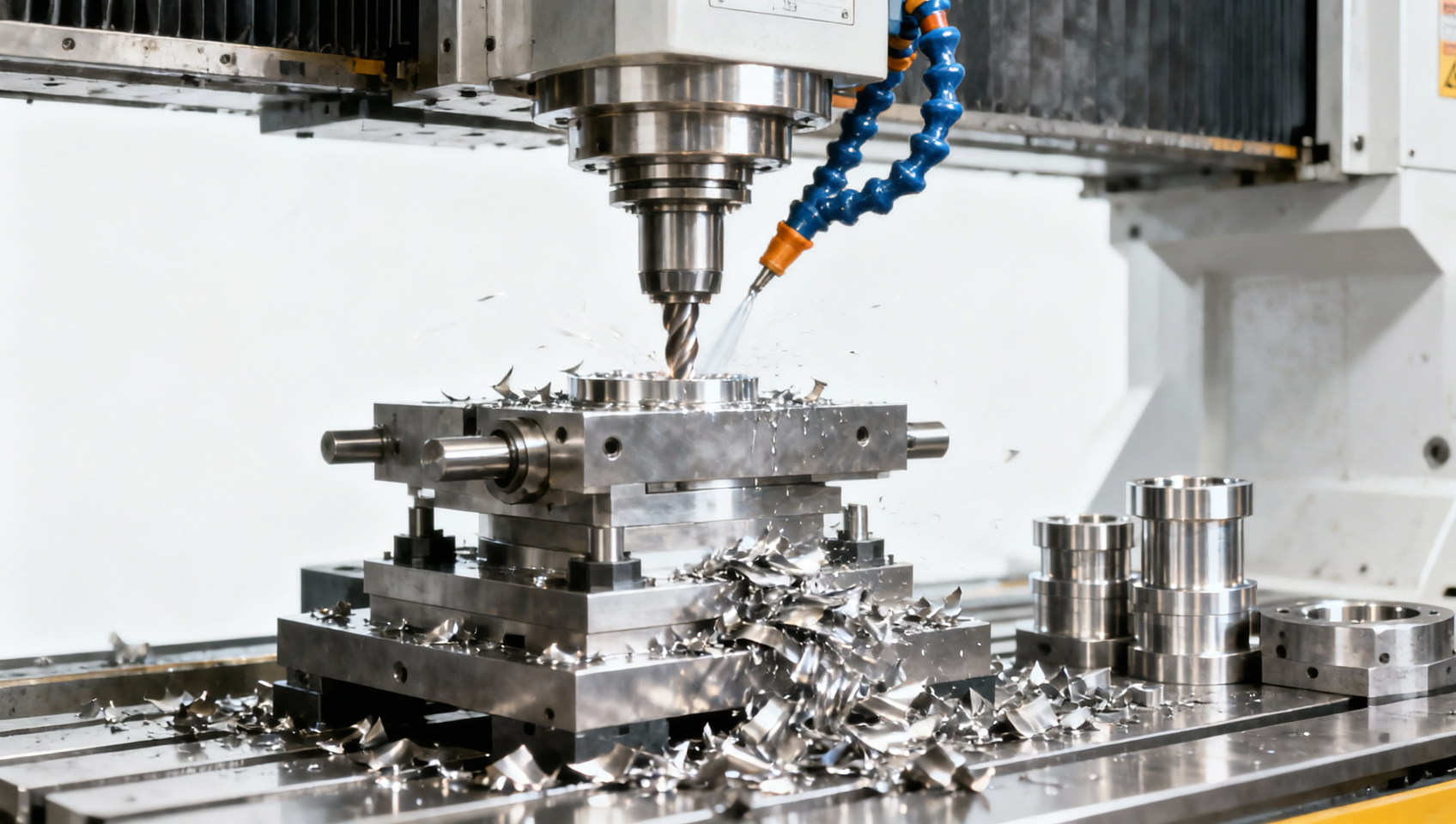
Stainless steel scrap rates often rise not from material quality, but from hidden process gaps in setup, tooling, cooling, and operator control. This article explores how an Optimized Machining Process for stainless steel, the right Cutting Tools for Stainless Steel, and better Industrial Automation integration for production line performance can reduce waste, improve consistency, and support smarter decisions for engineers, buyers, and manufacturing leaders.
Why do stainless steel machining process gaps create scrap so quickly?
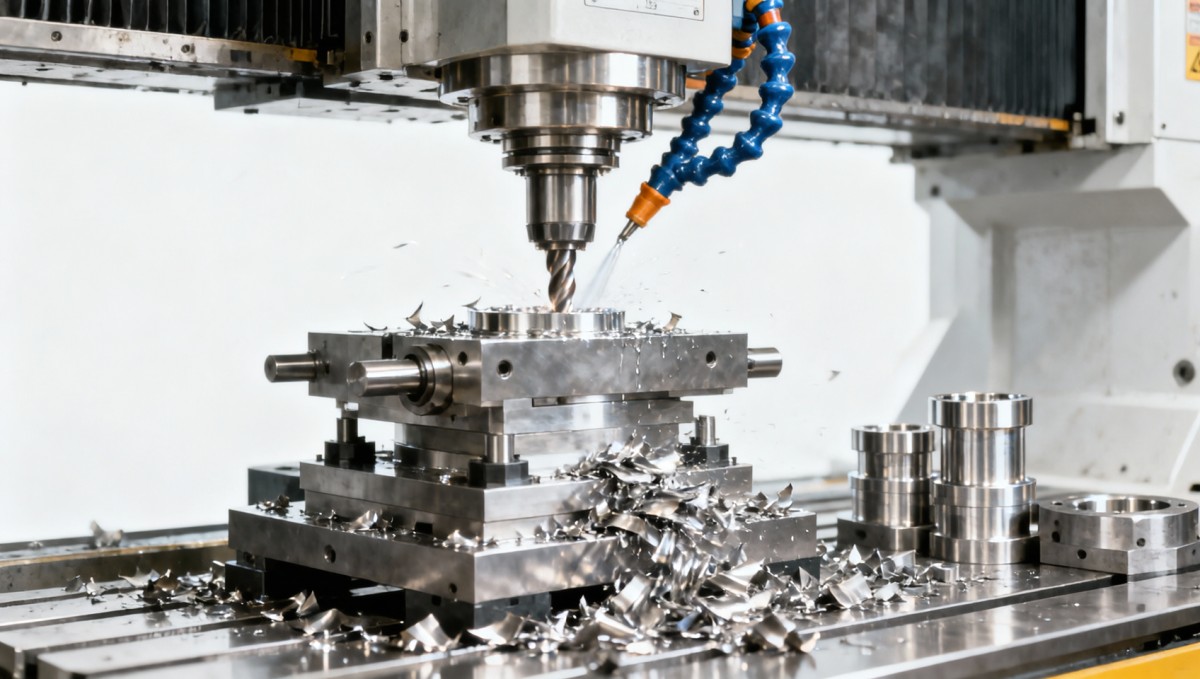
In CNC machining, stainless steel is rarely forgiving. Its work-hardening tendency, heat retention, and sensitivity to tool condition mean that a small setup mistake can turn into repeated dimensional drift, burr formation, poor surface finish, or unstable cycle times within 20–50 parts. For operators and production planners, scrap often appears as a quality problem, but the real cause is usually a process control gap.
These gaps usually appear in 4 linked areas: machining parameters, Cutting Tools for Stainless Steel, coolant delivery, and machine or fixture rigidity. If even 1 of these 4 areas is weak, stainless steel machining becomes less predictable. In mixed production lines serving automotive, aerospace, energy equipment, and electronics manufacturing, this unpredictability drives both direct scrap cost and indirect downtime.
For procurement teams, the issue is not only the price of inserts or bars. It includes rework hours, inspection load, machine occupancy, and late delivery risk. A shop that loses 3%–8% more material on stainless steel parts than on carbon steel parts may also lose scheduling flexibility, especially when lead times are already compressed into 7–15 days for repeat orders or 2–4 weeks for custom runs.
What usually goes wrong on the shop floor?
Many problems begin before the first chip is cut. Tool overhang is left too long, chucking force is not verified, insert geometry is selected from a general-purpose catalog instead of a stainless-specific range, or coolant nozzles are not aligned after tool change. None of these mistakes looks dramatic, yet each one increases vibration, heat, and edge wear.
Another hidden factor is operator compensation behavior. When a process is unstable, experienced operators may make frequent wear offsets every 10–20 parts instead of fixing the root cause. This can temporarily save dimensions, but it masks process weakness, creates shift-to-shift variation, and raises the chance of sudden out-of-tolerance batches.
- Workholding is rigid enough for aluminum but not for austenitic stainless steel with longer chip formation.
- Feed and speed are copied from prior jobs without adjusting for grade, wall thickness, or depth of cut.
- Tool life is managed by operator feel rather than by a defined tool-change interval or monitoring rule.
- Coolant concentration and pressure are checked irregularly, often weekly instead of per shift or per batch.
In high-precision environments, these details matter because stainless steel machining is not simply a material issue. It is a system issue. An Optimized Machining Process requires coordination between machine capability, part design, fixture stability, tool selection, coolant strategy, and inspection timing.
Which process variables should buyers and engineers check first?
When scrap rises, teams often start by replacing inserts. That may help, but it is not always the most effective first move. A better approach is to review the process in a fixed order: material grade confirmation, machine rigidity, tool path logic, Cutting Tools for Stainless Steel, coolant condition, and in-process inspection frequency. This 6-point sequence reduces guesswork and speeds root-cause isolation.
Different stainless families also behave differently. Austenitic grades often generate more heat and built-up edge. Martensitic grades may demand greater control of cutting forces. Duplex materials can challenge both insert wear and tool stability. For buyers comparing machine tools, coolant systems, or tooling packages, asking whether the supplier understands grade-specific behavior is more useful than asking only for a general stainless steel capability claim.
The table below gives a practical screening framework for identifying process gaps that commonly raise scrap rates in CNC turning and milling operations. It is useful for information researchers, operators, and enterprise decision-makers evaluating whether the problem lies in equipment, tooling, programming, or process discipline.
This comparison shows why scrap reduction is cross-functional. A process that looks acceptable at low volume can fail when batch size moves from 30 parts to 300 parts. Buyers should therefore ask for process stability evidence over a full production window, not just a first-piece result.
Three priority checks before changing suppliers
Before replacing machine tools, tool brands, or coolant systems, review 3 practical indicators. First, compare tool life consistency across shifts. Second, check whether dimensional corrections increase near the end of each tool cycle. Third, examine whether scrap clusters around long-cycle features such as deep bores, thin walls, or interrupted cuts.
Operator-level control points
Operators can usually reduce risk within 1–2 shifts by standardizing offset rules, checking nozzle alignment at each setup, and verifying part support on long or slender components. These low-cost actions often reveal whether the core problem is process discipline or a deeper equipment limitation.
For procurement managers, this is important because a scrap problem does not always justify buying a new machine immediately. In many factories, the better investment is a tooling package review, a fixture redesign, or stronger Industrial Automation for monitoring tool wear and coolant flow.
How should Cutting Tools for Stainless Steel be selected to lower waste?
Tool selection should match the material family, machine stability, and production volume. A shop producing small batches of medical, valve, or connector parts may value versatility, while an automotive or energy-equipment line producing hundreds of similar parts usually needs predictable tool life and fast indexing. In both cases, the wrong insert geometry can raise scrap faster than an incorrect feed setting.
Cutting Tools for Stainless Steel must control heat and chip flow, not just remove material. Positive geometries may reduce cutting force on thin-walled parts, while tougher grades may perform better under interrupted or heavier cuts. Nose radius selection, chipbreaker design, edge preparation, and holder rigidity all affect burr size, tool pressure, and repeatability.
The table below helps compare selection logic for common stainless machining situations. It is not a substitute for test cutting, but it offers a practical purchase and process planning reference when evaluating tools, holders, and machine-tool packages together.
A useful takeaway is that tool choice should be validated by process behavior, not catalog description alone. If a tool performs well only during the first 30–40 minutes of production, it may still be the wrong choice for an 8-hour shift or an automated night run.
A practical tool selection checklist
- Match insert grade and geometry to stainless family rather than using one universal setup for all grades.
- Confirm holder rigidity and tool overhang before raising spindle load or feed rate.
- Track wear by feature count, run time, or part count, such as every 25 parts or every 45–60 minutes.
- For lights-out production, combine tooling decisions with Industrial Automation signals such as spindle load trend or tool-life alarm logic.
This approach supports both lower scrap rates and stronger purchasing decisions, because it links consumable cost to usable output rather than to unit price alone.
Where does Industrial Automation improve production line performance most?
Industrial Automation helps most when the factory already has recurring stainless steel jobs and wants more stable output across shifts, machines, or plants. Automation does not eliminate machining complexity, but it reduces variability caused by manual checks, inconsistent tool changes, and delayed response to drift. In medium- to high-volume lines, that can matter more than small gains in cutting speed.
The strongest automation gains often come from 3 areas: tool-life management, coolant and filtration monitoring, and in-process measurement feedback. These systems can identify trends before scrap reaches a full batch. For example, if spindle load rises over a 2–3 hour window while surface finish worsens, the system can trigger a tool inspection before dimensions move outside tolerance.
Automation is also useful in supplier evaluation. Buyers comparing machine tool cells, robotic loading, or flexible lines should ask whether the system supports repeatable stainless machining rather than general automation only. A loading robot adds value, but if the machine lacks stable thermal behavior or coolant control, scrap reduction may remain limited.
What functions matter most in stainless steel production?
For many factories, the best return comes from simple but disciplined automation layers. These include scheduled tool replacement logic, alarm thresholds tied to spindle load or cycle deviation, and digital records for coolant concentration and filter maintenance. A line does not need a full smart factory platform on day 1; it needs control points that prevent repeatable scrap.
Four implementation stages that usually work
- Stabilize the manual process first, including setup sheets, tool offsets, and inspection frequency.
- Add tool-life and coolant monitoring for the highest-risk features or longest cycle operations.
- Introduce in-process gauging or post-cycle automatic checks on critical dimensions with tight tolerance bands.
- Scale to robotic handling or connected production analytics after the core machining process is proven stable.
In practice, this staged route often delivers better results than buying a highly automated cell before the stainless steel process is mature. For decision-makers, it balances capital cost with measurable waste reduction and shorter payback windows.
How can procurement teams evaluate scrap risk before placing orders?
Procurement in the CNC machine tool industry should not separate machining quality from sourcing decisions. Whether the purchase concerns machine tools, fixtures, tooling packages, or outsourced parts, stainless steel scrap risk should be reviewed as part of total acquisition cost. Low quoted price becomes expensive if the process needs constant intervention or cannot hold consistency across 3 shifts.
A practical evaluation model uses 5 dimensions: process capability, tooling strategy, automation readiness, maintenance support, and lead-time reliability. This helps buyers compare suppliers beyond sample approval. It also gives enterprise leaders a clearer basis for capex planning, outsourcing decisions, and line expansion in sectors where precision and traceability matter.
The table below summarizes a procurement-oriented screening method that can be used when assessing CNC machining partners, machine tool packages, or integrated production line solutions for stainless steel components.
This framework is especially useful when comparing domestic and international suppliers across China, Germany, Japan, South Korea, and other manufacturing hubs. It keeps attention on process maturity, which is often more decisive than country of origin alone.
Common procurement mistakes
One common mistake is selecting based on machine specification without reviewing actual stainless steel part history. Another is focusing on tool unit price while ignoring how often inserts are indexed, how many parts are cut per edge, or how much inspection time the process requires. A third is underestimating setup repeatability when jobs move between shifts, sister machines, or subcontractors.
For decision-makers, a sound procurement decision connects equipment, tooling, automation, and service response into one operating picture. That is what reduces scrap sustainably.
FAQ: what should teams still clarify before optimizing stainless steel machining?
How often should tool wear be checked in stainless steel production?
There is no single interval for every part, but stable programs usually define a wear review by time, part count, or critical-feature count. In many workshops, a first check after 10–20 parts for a new setup, then regular checks every 25–50 parts or every 30–60 minutes, gives a practical balance between control and productivity.
Is coolant really a major factor in stainless steel scrap rates?
Yes. Coolant affects heat removal, chip evacuation, edge condition, and surface quality. Problems often come from poor direction, inconsistent concentration, contaminated fluid, or blocked filtration. Shops that check concentration and delivery only occasionally may miss one of the easiest ways to stabilize an Optimized Machining Process.
When does Industrial Automation become worth the investment?
Automation becomes easier to justify when production has recurring stainless steel jobs, multi-shift operation, or a need for documented consistency. If scrap events happen mainly at night, after tool wear accumulates, or during handoff between shifts, automation for monitoring and alarms is often more valuable than simply increasing machine count.
What should buyers request from suppliers during evaluation?
Ask for the process logic, not just the quotation. Useful topics include tool selection basis, expected tool-change interval, coolant management method, inspection plan, fixture approach, and normal adjustment response time. If stainless steel parts are complex, also ask how the supplier handles thin walls, deep cavities, interrupted cuts, or traceability requirements.
Why choose us for CNC machining insight and sourcing support?
We focus on the global CNC machining and precision manufacturing industry, with attention to machine tools, precision parts production, tooling development, automated production lines, and international manufacturing trends. That perspective helps readers and buyers connect shop-floor issues such as stainless steel scrap rates to larger decisions involving equipment selection, supplier evaluation, and line modernization.
If you are reviewing an Optimized Machining Process, comparing Cutting Tools for Stainless Steel, or assessing Industrial Automation options for production line performance, you can contact us for practical discussion points. Typical consultation topics include parameter confirmation, tooling and holder selection, fixture matching, lead-time expectations, sample support scope, and quotation communication for different batch sizes.
We can also help structure your evaluation checklist when you need to compare machine tool solutions, outsourced machining capacity, or automation upgrades across different markets. This is useful for researchers building supplier shortlists, operators escalating recurring scrap issues, purchasers balancing cost and risk, and decision-makers planning capacity expansion over the next 2–4 quarters.
If your current stainless steel production suffers from unstable dimensions, rapid insert wear, inconsistent finish, or difficult supplier comparison, reach out with your material grade, part type, annual volume, tolerance range, and delivery target. That gives a stronger basis for discussing process gaps, feasible improvements, and a sourcing path that supports lower waste and better production consistency.
Recommended for You
![]() Iranian LNG Vessels Breach U.S. Strait Blockade; Shanghai Crude Surges 4%Manufacturing Market Research Center
Iranian LNG Vessels Breach U.S. Strait Blockade; Shanghai Crude Surges 4%Manufacturing Market Research Center![]() Pakistan Launches CNC Localization Tender for CPEC II Smart Manufacturing ParkGlobal Machine Tool Trade Research Center
Pakistan Launches CNC Localization Tender for CPEC II Smart Manufacturing ParkGlobal Machine Tool Trade Research Center![]() NVIDIA Joins $1T Club; AI-Driven CNC Digital Twin Gains Global TractionCNC Machining Technology Center
NVIDIA Joins $1T Club; AI-Driven CNC Digital Twin Gains Global TractionCNC Machining Technology Center![]() World's First 5-Axis Middle-Grade Wire EDM Machine Enters Mass ProductionMachine Tool Industry Editorial Team
World's First 5-Axis Middle-Grade Wire EDM Machine Enters Mass ProductionMachine Tool Industry Editorial Team![]() China’s CNC Machine Tool Export Prices Up 11.3% in Q1 2026Global Machine Tool Trade Research Center
China’s CNC Machine Tool Export Prices Up 11.3% in Q1 2026Global Machine Tool Trade Research Center![]() Saudi Energy Security Boosts CNC Import Efficiency in Middle EastGlobal Machine Tool Trade Research Center
Saudi Energy Security Boosts CNC Import Efficiency in Middle EastGlobal Machine Tool Trade Research Center


Aris Katos
Future of Carbide Coatings
15+ years in precision manufacturing systems. Specialized in high-speed milling and aerospace grade alloy processing.
▶
NVIDIA Joins $1T Club; AI-Driven CNC Digital Twin Gains Global TractionCNC Machining Technology Center▶
Nvidia's Huang Criticizes US Chip Controls, CNC Digital Twin Solutions Expand OverseasCNC Machining Technology Center▶
Composite Material Machining Gets Harder on Multi-axis SystemsCNC Machining Technology Center▶
Where Multi-axis Machining Pays Off for Complex ComponentsCNC Machining Technology Center▶
Stainless Steel Machining Process Gaps That Raise Scrap RatesCNC Machining Technology Center
Mastering 5-Axis Workholding Strategies
Join our technical panel on Nov 15th to learn about reducing vibrations in thin-wall components.

Providing you with integrated sanding solutions
Before-sales and after-sales services
Comprehensive technical support